
 Save to Pinterest
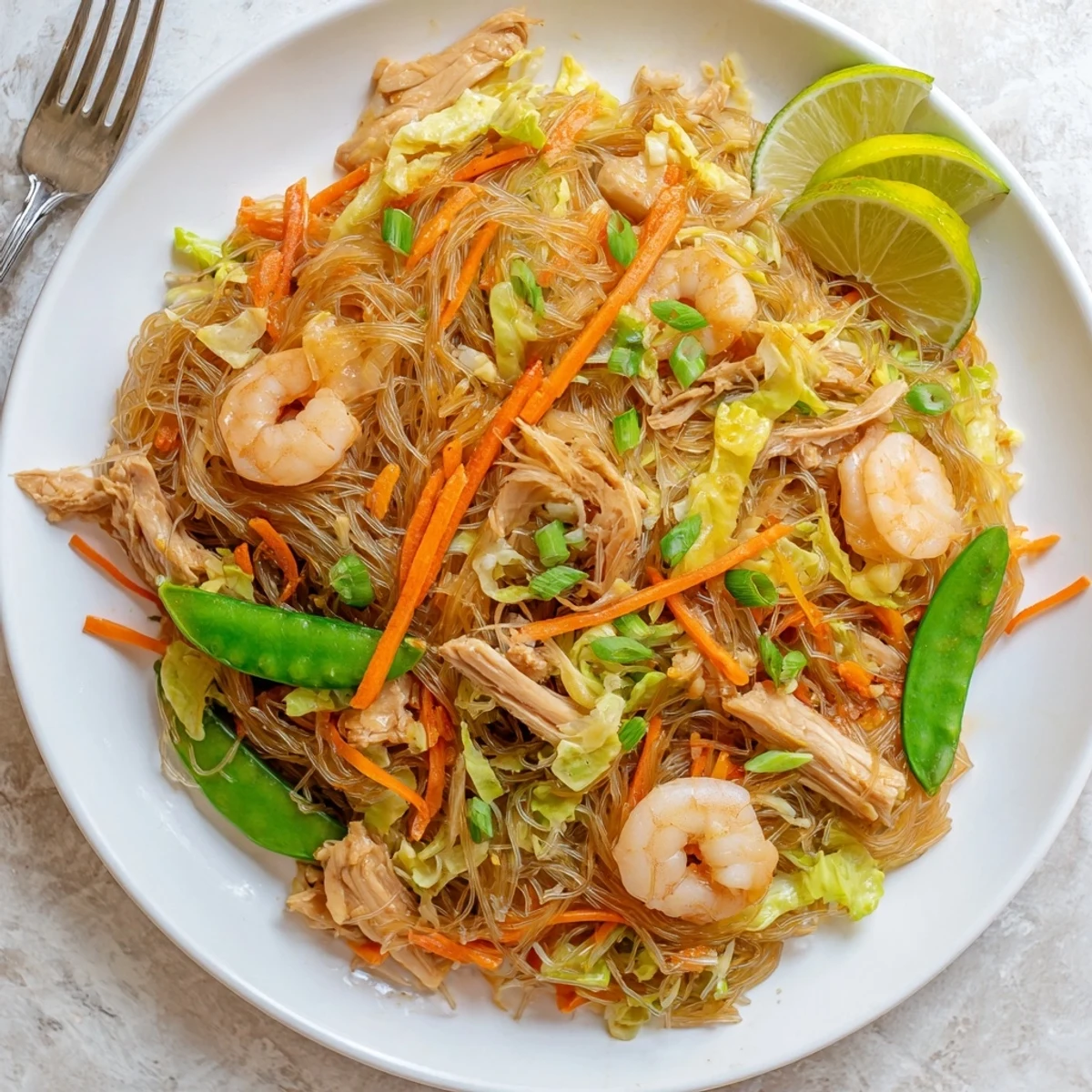
 This beloved Filipino dish brings together delicate rice vermicelli noodles with succulent chicken, plump shrimp, and colorful crisp-tender vegetables. The noodles absorb a rich, umami-packed sauce crafted from soy, oyster sauce, and aromatic chicken broth. Perfect for celebrations or family dinners, this stir-fry comes together in just 40 minutes and delivers that comforting balance of savory, salty, and bright citrus notes that make Filipino cuisine so distinctive.
The aroma of garlic and onions hitting hot oil always pulls me into the kitchen, no matter what I was doing. That was exactly how my grandmother lured us in whenever she made pancit for Sunday family dinners. She would stand by her well worn wok, tongs in one hand, deftly tossing those translucent rice noodles until they soaked up every bit of the savory sauce. Now whenever I catch that distinctive stir fry scent, I am instantly transported back to her crowded kitchen, waiting for my plate.
Last summer, I made a massive batch for my birthday barbecue and watched it disappear in fifteen minutes flat. My friend Mark, who swore he did not like rice noodles, went back for thirds. Someone actually asked for the recipe while still chewing. That is when I knew this pancit bihon had earned its permanent spot in my regular rotation.
Ingredients
- 200 g boneless skinless chicken breast: Slice it thinly against the grain so each piece stays tender during quick stir frying
- 100 g medium shrimp: Peel and devein them yourself for the freshest taste, though pre peeled works in a pinch
- 200 g dried bihon rice vermicelli: These delicate noodles absorb sauce beautifully but can turn mushy if overcooked
- 1 small carrot: Julienned into matchsticks adds necessary crunch and a touch of sweetness
- 1 cup green cabbage: Shredded thin so it wilts just right in the hot pan
- 1/2 cup snow peas: Leave them halved rather than chopped for a snappy fresh texture
- 1 small onion: Slice it into thin half moons so it softens evenly
- 3 cloves garlic: Mince these fresh, bottled garlic lacks the punch this dish needs
- 2 tbsp soy sauce: This provides the salty base of your sauce profile
- 1 tbsp oyster sauce: Adds a deep savory richness that soy alone cannot achieve
- 1 tsp fish sauce: Do not let the smell fool you, it dissolves into pure umami
- 1/2 tsp ground black pepper: Freshly cracked makes a noticeable difference
- 1 cup chicken broth: Homemade is ideal but store bought works perfectly fine
- 2 tbsp chopped scallions: Scatter these on top right before serving for a fresh pop
- 1 lemon or calamansi: The acid cuts through the richness and brightens every bite
Instructions
- Prepare your noodles:
- Soak the bihon in warm water for about 10 minutes until they soften and turn opaque. Drain them well and set aside where they can continue to air dry slightly.
- Build your aromatic base:
- Heat oil in a large wok over medium high heat until it shimmers. Toss in your garlic and onion, stirring until they become fragrant and translucent.
- Cook your proteins:
- Add the sliced chicken first, letting it sear until lightly browned and cooked through. Toss in the shrimp and stir fry until they turn pink, about two minutes. Remove everything from the pan and set aside.
- Stir fry the vegetables:
- In the same hot pan, add carrots, cabbage, and snow peas. Keep them moving for two to three minutes until they are just tender but still retain some crunch.
- Create the sauce:
- Return the cooked chicken and shrimp to the pan. Pour in soy sauce, oyster sauce, fish sauce, and chicken broth. Let everything come to a gentle simmer.
- Combine and coat:
- Add the drained noodles and use tongs to gently toss them with the sauce and ingredients. Cook for three to four minutes until the noodles are heated through and have absorbed most of the liquid.
- Season and serve:
- Sprinkle in black pepper and taste for balance, adjusting with more soy or fish sauce if needed. Transfer to a serving platter, scatter scallions on top, and serve with citrus wedges on the side.
 Save to Pinterest
 There is something about the rhythm of pancit that feels meditative to me now. Soaking noodles, slicing vegetables into uniform pieces, timing each addition to the pan. My grandmother never measured anything, yet hers always tasted exactly the same. I think that is the beauty of this dish, it rewards practice and intuition.
Getting The Noodle Texture Right
The difference between good pancit and great pancit comes down to noodle texture. They should be tender yet retain a slight springiness, never mushy or clumped together. I learned this after several failed attempts where I either under soaked or overcooked the noodles. Now I test a strand before adding them to the final dish, biting into it to make sure it has that perfect bounce.
Building Layers Of Flavor
What makes pancit bihon sing is the interplay between the three sauce components. Soy provides saltiness, oyster sauce adds depth, and fish sauce contributes that subtle funky undertone. I used to rely solely on soy sauce until a friend pointed out what I was missing. Now the balance feels complete, each ingredient playing its part without overwhelming the others.
Serving And Pairing Suggestions
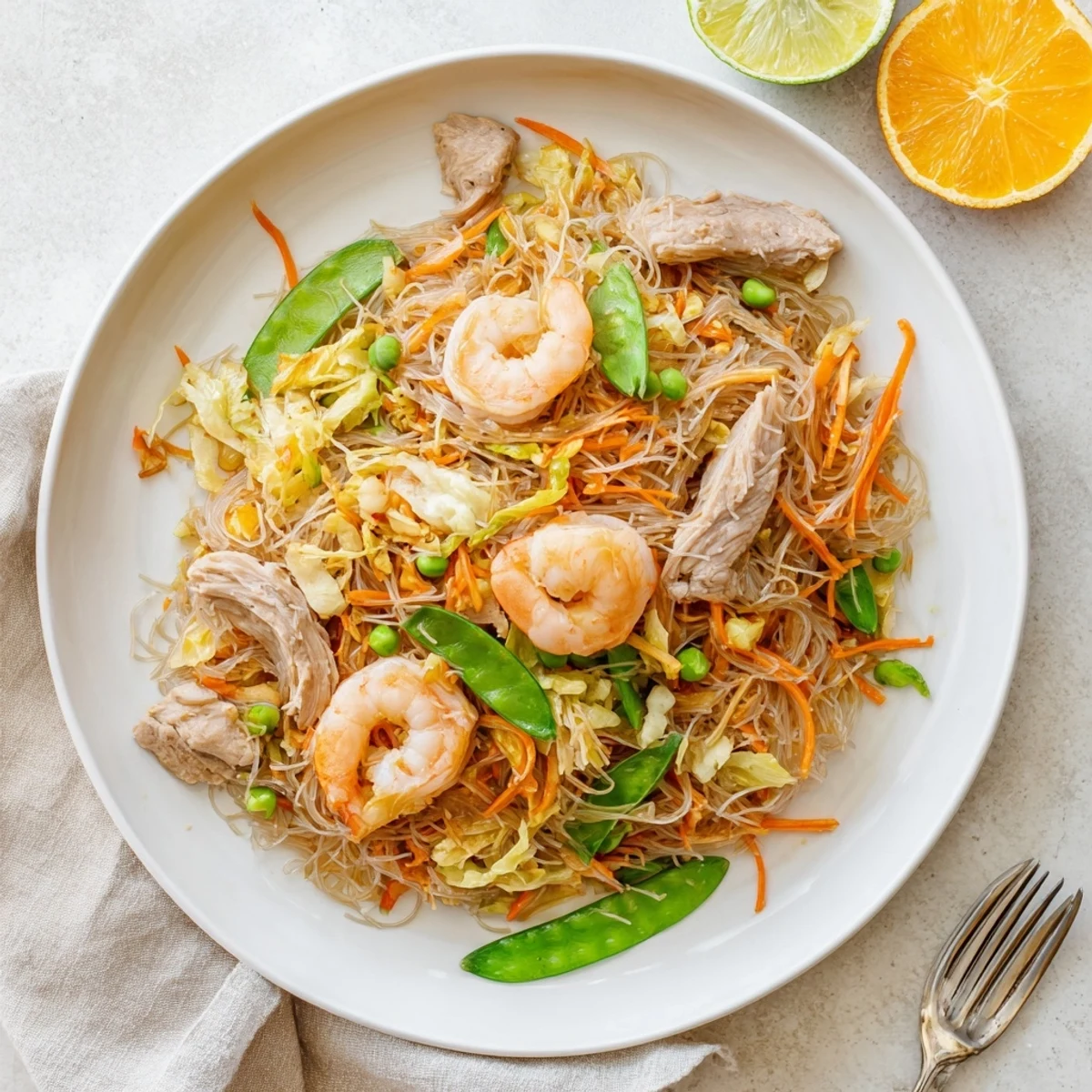
Pancit bihon deserves to be the star of your table, served family style with plenty of sharing spoons. I love arranging it on a large platter mounded high, the scallions bright green against the golden noodles. Some guests automatically squeeze lemon over their portion while others prefer it plain. Both ways are correct.
- Set out small bowls of extra soy sauce mixed with chopped chili for heat lovers
- Cold beer or crisp white wine cuts through the richness beautifully
- Have extra calamansi or lemon wedges ready, guests will want them
 Save to Pinterest
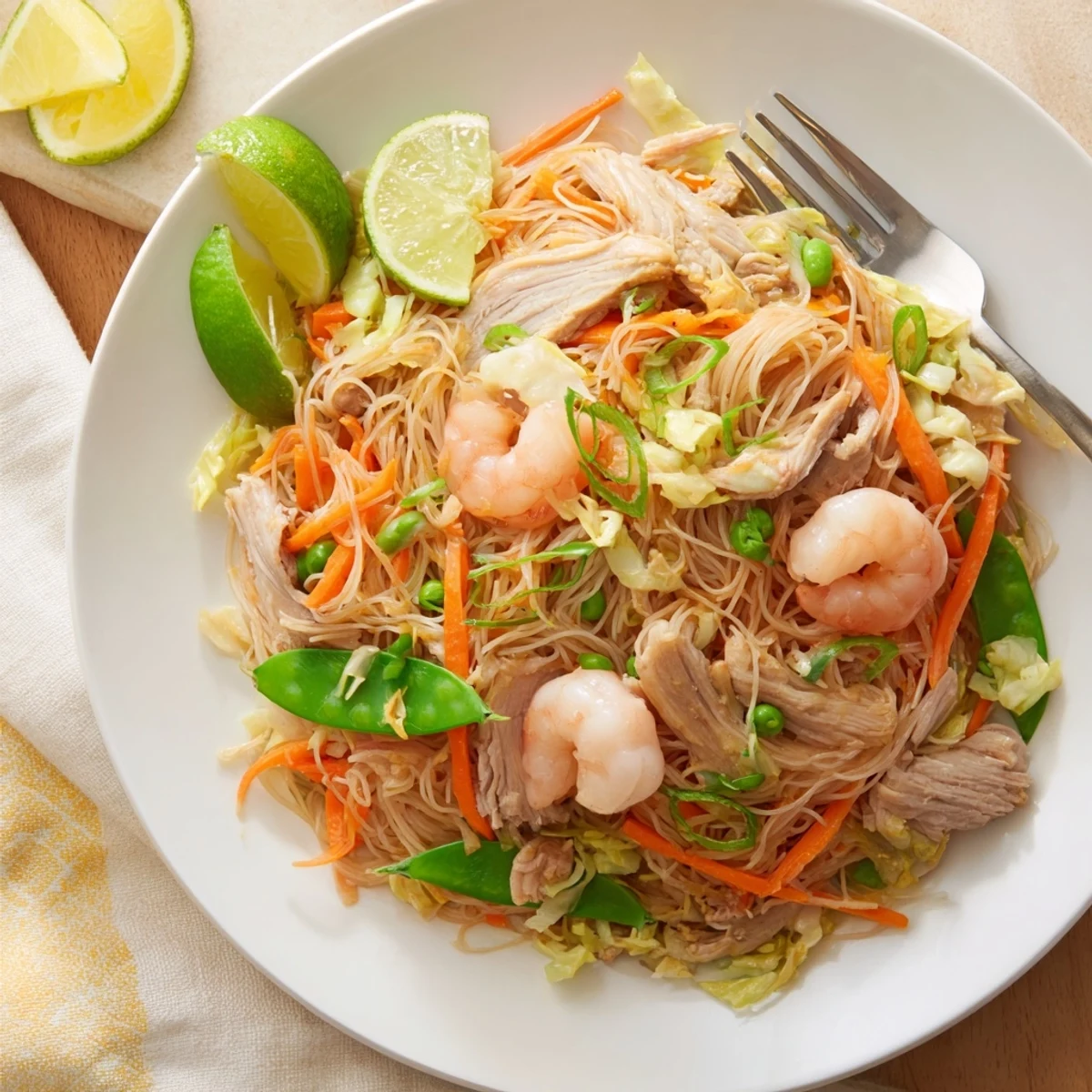
 The best part about making pancit bihon is how it brings people together around the table. Every time I serve it, someone inevitably asks when I will make it again. That is the highest compliment a cook can receive.
Recipe FAQs
- → What makes Pancit Bihon different from other noodle dishes?
-
Pancit Bihon specifically uses thin rice vermicelli noodles called bihon, which have a delicate texture that absorbs flavors beautifully. Unlike wheat-based noodles, these gluten-free rice noodles become translucent when cooked and develop a slightly chewy consistency that pairs perfectly with the savory soy-based sauce and tender proteins.
- → Can I prepare Pancit Bihon ahead of time?
-
While best enjoyed fresh, you can prepare components in advance. Slice vegetables and proteins the day before, storing them separately. The dish reheats well—simply stir-fry briefly over medium heat with a splash of chicken broth to refresh the noodles. Avoid overcooking during reheating to maintain texture.
- → What vegetables work best in Pancit Bihon?
-
Traditional selections include carrots for sweetness, cabbage for bulk and crunch, and snow peas for fresh texture. Bell peppers, celery, or snap peas make excellent additions. The key is using vegetables that maintain some crispness after stir-frying, creating pleasant textural contrast against the tender noodles.
- → How do I prevent rice noodles from becoming mushy?
-
Soak bihon noodles in warm water just until pliable—about 10 minutes. Avoid soaking longer than necessary. When adding to the wok, toss gently with tongs to distribute sauce evenly. The noodles should absorb liquid while maintaining firm texture. Remove from heat once heated through and sauce is absorbed.
- → What proteins can substitute for chicken and shrimp?
-
Pork belly or shoulder strips add richness and authentic flavor. Crispy pork lechon kawali creates delightful contrast. For vegetarian versions, firm tofu cubes work beautifully when pan-fried until golden. The key is cutting proteins into thin, quick-cooking pieces that blend seamlessly with the noodles.
- → Why is calamansi traditionally served with Pancit Bihon?
-
The bright citrus acid from calamansi or lemon cuts through the rich, savory sauce, balancing flavors beautifully. Squeezing fresh citrus over the dish just before eating enhances the overall taste profile, adding a refreshing zing that lightens the noodles and complements the umami from fish and oyster sauces.