
 Save to Pinterest
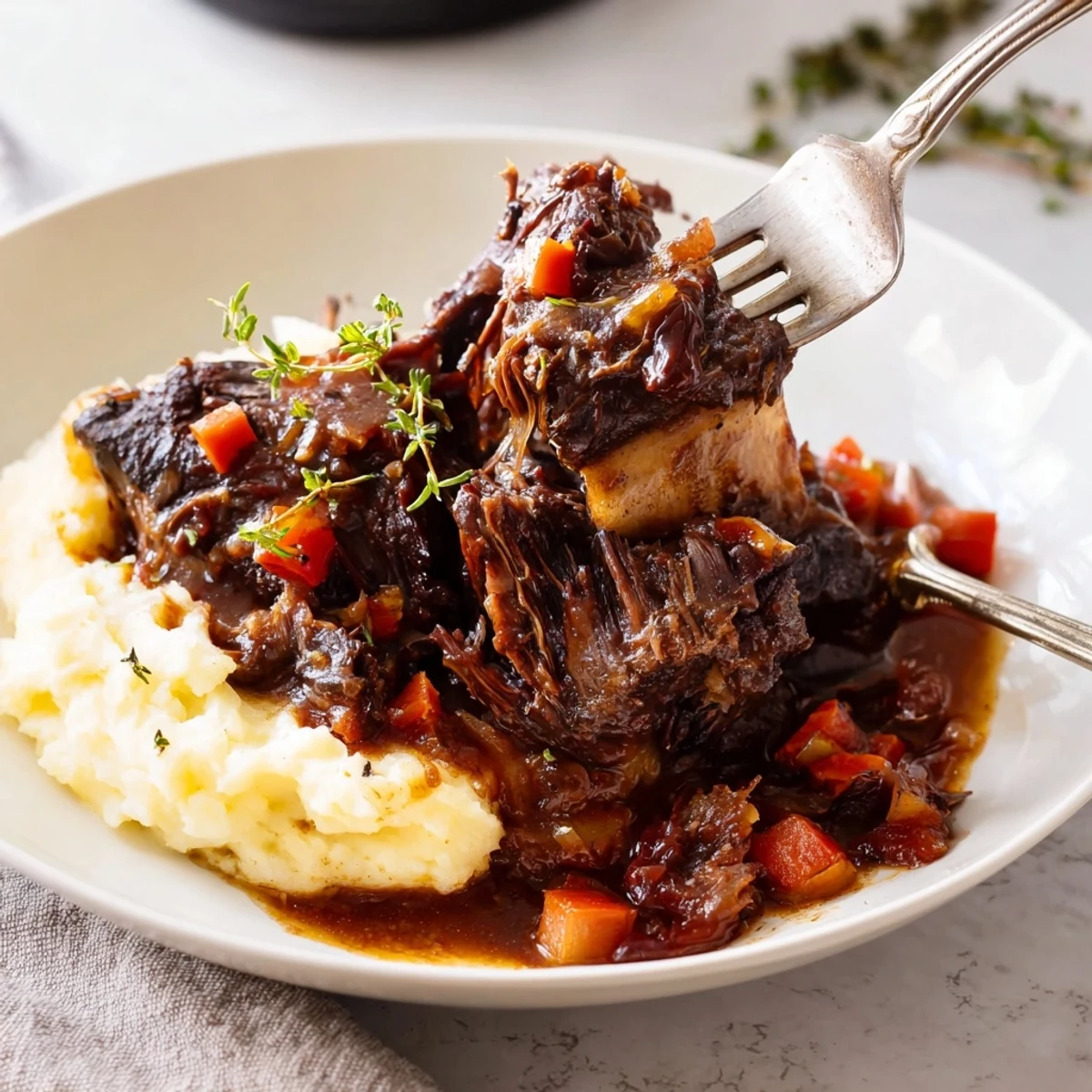
 These oven-braised beef short ribs deliver melt-in-your-mouth tenderness through a low-and-slow cooking method that transforms tough cuts into something extraordinary.
Bone-in short ribs are first seared to build a rich crust, then nestled into a fragrant base of carrots, celery, onion, and garlic. A generous splash of dry red wine and beef broth creates a deeply savory braising liquid infused with fresh rosemary, thyme, and bay leaves.
After 2.5 to 3 hours in a gentle 325°F oven, the meat becomes fork-tender and practically falls off the bone. The concentrated braising liquid transforms into a luscious, deeply flavored sauce to spoon over the top.
The rain was hammering against the kitchen window the afternoon I discovered what short ribs could actually taste like. I had ordered them at a tiny bistro in Portland, and the meat literally slid off the bone without a fork. I spent the next three months trying to recreate that moment in my own oven, burning two batches before I understood that low and patient heat does all the real work.
I made these for my neighbor Dave last winter after he helped me fix a leaking pipe in the garage. He stood in the kitchen doorway holding his plate, took one bite, and just nodded slowly without saying anything for a solid ten seconds. That silence was the best compliment I have ever received about food.
Ingredients
- 4 lbs beef short ribs, bone-in: The bones are not optional here because they contribute collagen and richness that boneless cuts simply cannot match.
- 2 medium carrots, diced: They add natural sweetness that balances the deep savory notes from the wine and beef.
- 2 celery stalks, diced: Celery quietly rounds out the flavor base and you will not even know it is there once everything is cooked down.
- 1 large yellow onion, diced: This is the backbone of your aromatics, so do not skimp on size or skip the dicing step.
- 4 cloves garlic, minced: Fresh garlic makes a noticeable difference compared to jarred, especially in a braise this simple.
- 1 cup dry red wine: A Cabernet Sauvignon or Merlot works beautifully, and you want something you would actually enjoy drinking.
- 2 cups beef broth: Check the label carefully if you need this to be gluten-free because not all brands are.
- 1 tbsp tomato paste: This small spoonful adds concentrated depth and helps the sauce develop a rich color.
- 2 sprigs fresh rosemary: Woody herbs like rosemary infuse slowly during the braise and release layers of fragrance.
- 3 sprigs fresh thyme: Thyme and beef are a classic pairing that never needs explanation or justification.
- 2 bay leaves: Remember to count them so you can fish them both out before serving.
- 2 tbsp olive oil: You need this for a proper sear and it handles medium-high heat well.
- Salt and black pepper: Season the ribs generously before searing because this is your chance to build flavor directly on the meat.
Instructions
- Preheat and prepare:
- Set your oven to 325 degrees Fahrenheit and move the rack to the lower middle position so the Dutch oven cooks evenly without scorching the bottom.
- Season the ribs:
- Pat every surface of the short ribs completely dry with paper towels, then season all sides with salt and pepper more generously than you think you need.
- Sear until deeply browned:
- Heat olive oil in your Dutch oven over medium-high heat until it shimmers, then sear the ribs in batches without crowding the pot until each side has a dark mahogany crust, about two to three minutes per side.
- Build the vegetable base:
- Lower the heat slightly and add the carrots, celery, and onion to the same pot, stirring and scraping up the flavorful bits stuck to the bottom until everything softens, about five minutes, then stir in the garlic and tomato paste for one more minute.
- Reduce the wine:
- Pour in the red wine and let it come to a boil while scraping up every last browned piece from the bottom of the pot, then let it reduce by about half over roughly five minutes so the alcohol cooks off and the flavor concentrates.
- Combine and braise:
- Nestle the seared ribs back into the pot, pour in the beef broth, and tuck in the rosemary, thyme, and bay leaves so the liquid comes almost to the top of the meat, then bring it to a gentle simmer on the stove before covering with the lid and transferring to the oven for two and a half to three hours.
- Finish the sauce and serve:
- When the meat pulls away from the bone with zero resistance, remove the ribs and vegetables to a warm platter, skim the excess fat from the surface of the braising liquid, discard the herb sprigs and bay leaves, and spoon the sauce generously over the ribs.
 Save to Pinterest
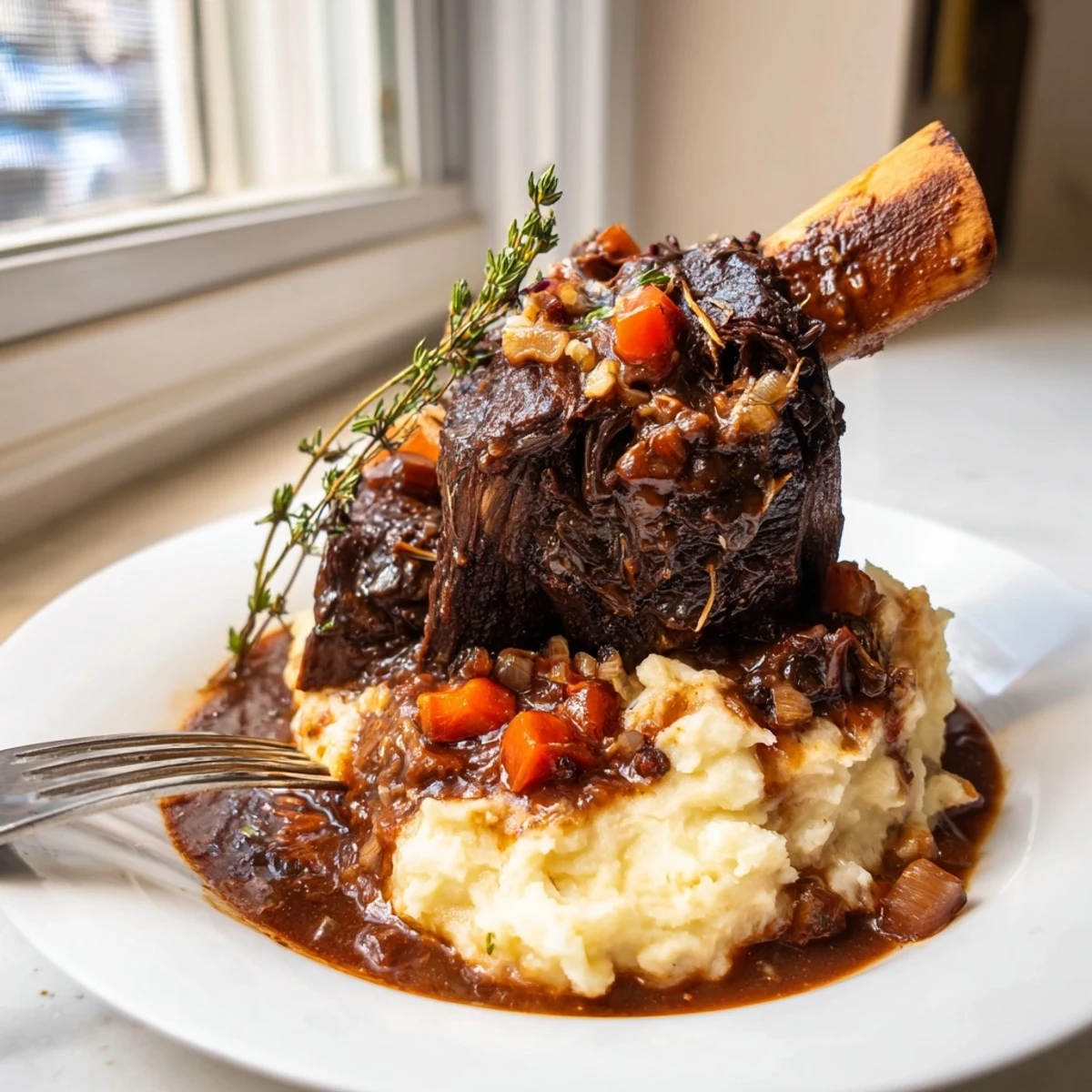
 The sauce reduced into something so dark and silky that I started doubting it was homemade. My sister actually dipped her bread into it three times and told me she would trade next Thanksgiving turkey duty for a promise to make these ribs again.
What to Serve Alongside
Mashed potatoes are the obvious move because they give the sauce something soft and starchy to land on. Polenta works just as beautifully if you want something with a bit more texture, and a thick slice of crusty bread is honestly all you really need when the sauce tastes this good on its own.
Making It Ahead
Short ribs are one of those rare dishes that taste better the next day because the sauce has time to settle and the flavors deepen overnight in the refrigerator. You can make them a full day ahead, refrigerate everything in the same pot, and then gently reheat on the stove when you are ready. The fat solidifies on top when chilled, which actually makes skimming it off effortless before reheating.
Tools That Make a Difference
A heavy Dutch oven is genuinely the most important tool here because it holds and distributes heat evenly over a long braise without creating hot spots that can scorch your sauce. You will also want a sturdy pair of tongs for turning the ribs during searing, a sharp knife for the vegetables, and a ladle for serving.
- If your Dutch oven does not have a tight fitting lid, seal it with a layer of foil underneath the lid to trap moisture.
- Keep a plate or sheet pan near the stove for transferring seared ribs so you are not scrambling with hot meat in your hands.
- Always let the braise rest for ten minutes before serving so the meat reabsorbs some of its juices.
 Save to Pinterest
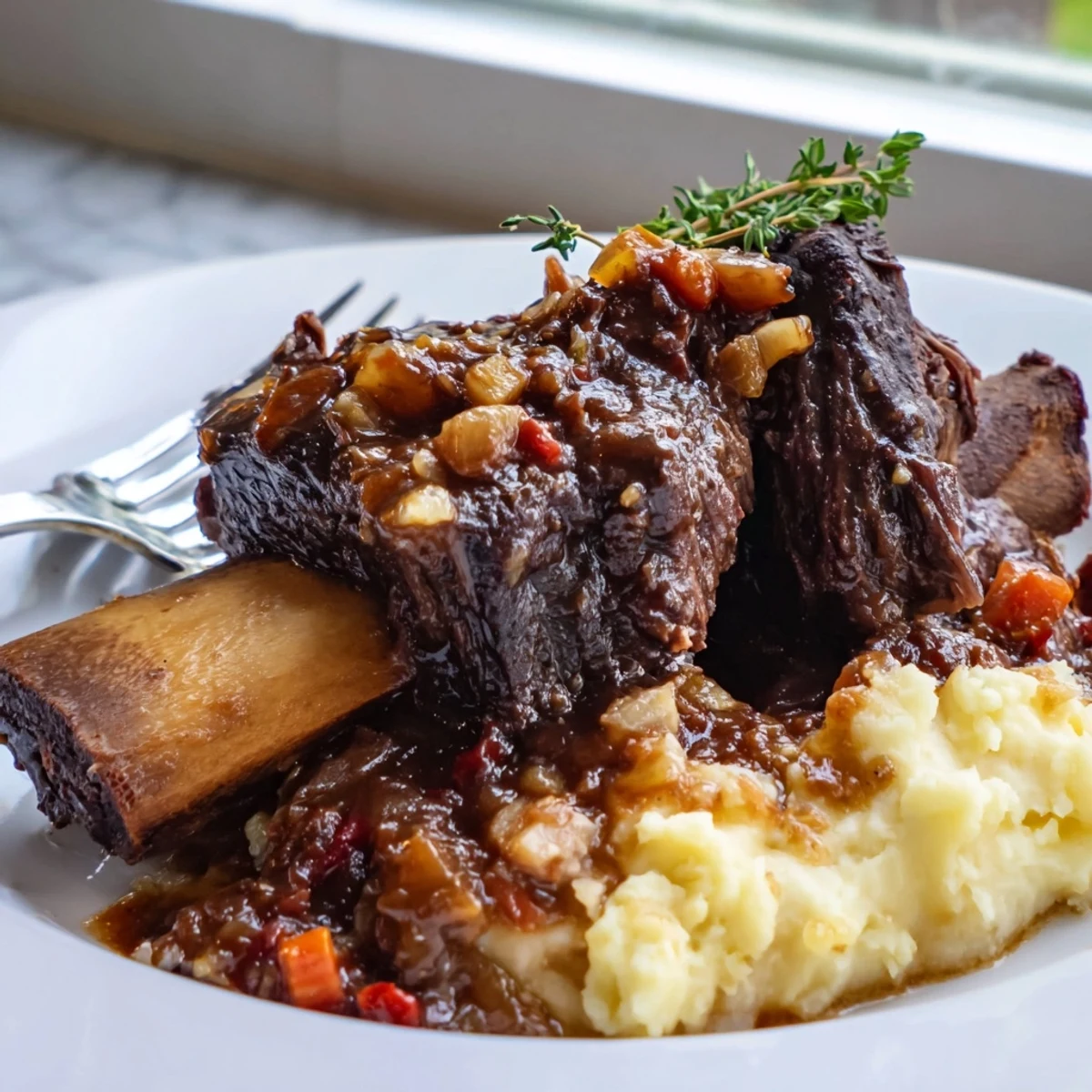
 Some meals fill your stomach and some fill your whole kitchen with a warmth that makes people linger at the table a little longer than usual. These short ribs have a way of doing exactly that without any effort at all.
Recipe FAQs
- → What cut of beef short ribs should I use for braising?
-
Bone-in beef short ribs are ideal for braising. The bone adds richness and depth to the braising liquid while helping the meat retain its shape during the long cook. Look for well-marbled, meaty ribs about 2 to 3 inches thick for the best results.
- → Can I make braised short ribs ahead of time?
-
Yes, braised short ribs actually taste better the next day. The flavors deepen and meld as they rest overnight in the refrigerator. Simply reheat gently in the braising liquid on the stovetop or in a 325°F oven until warmed through, about 20 to 30 minutes.
- → What is the best red wine for braising short ribs?
-
Dry, full-bodied red wines work best. A Cabernet Sauvignon, Merlot, or Syrah are excellent choices. Avoid sweet or fruit-forward wines. The wine should be something you would enjoy drinking alongside the finished dish, as its flavors concentrate during braising.
- → Why do my short ribs come out tough instead of tender?
-
Tough short ribs usually mean they need more time. The collagen in the meat needs 2.5 to 3 hours at a gentle simmer to break down into gelatin, which creates that melt-in-your-mouth texture. Make sure the braising liquid stays at a bare simmer and never boils aggressively, as high heat can cause the meat to seize and become stringy.
- → What should I serve with braised beef short ribs?
-
Creamy mashed potatoes, polenta, or risotto are classic pairings that soak up the rich braising sauce beautifully. Crusty bread, roasted root vegetables, or a simple green salad also complement the deep, savory flavors. Choose sides that can catch every drop of the flavorful sauce.
- → Can I braise short ribs without a Dutch oven?
-
A heavy oven-safe pot with a tight-fitting lid works perfectly. A cast iron casserole or enameled iron pot is ideal. Alternatively, you can use a roasting pan tightly covered with heavy-duty aluminum foil. The key is keeping the moisture trapped so the meat braises rather than roasts.
- → How do I get a thicker sauce from the braising liquid?
-
After removing the ribs and vegetables, skim the excess fat from the surface. Then simmer the remaining liquid on the stovetop over medium-high heat until it reduces to your desired consistency, about 5 to 10 minutes. The natural gelatin from the bones will give the reduced sauce a silky, coating texture.