
 Save to Pinterest
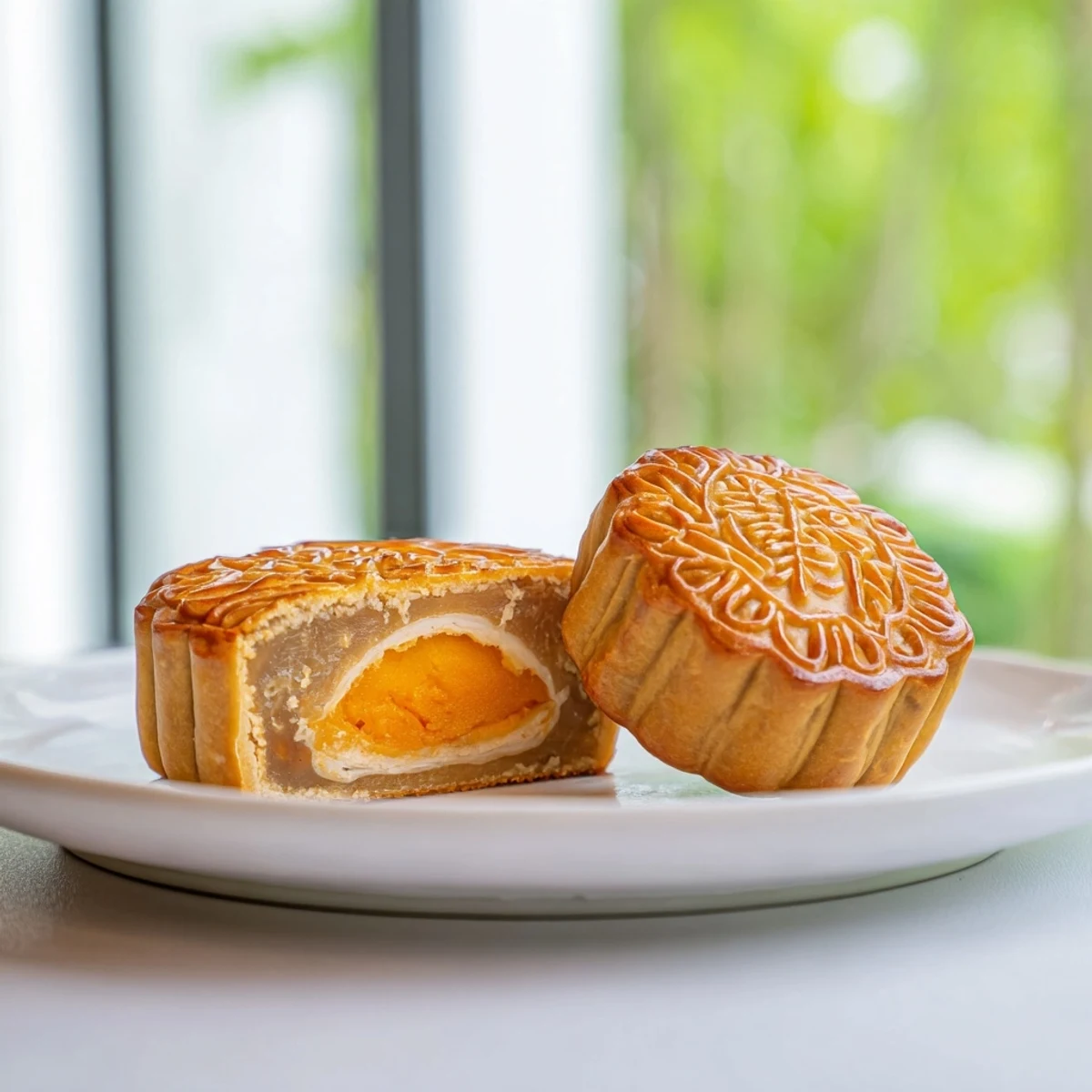
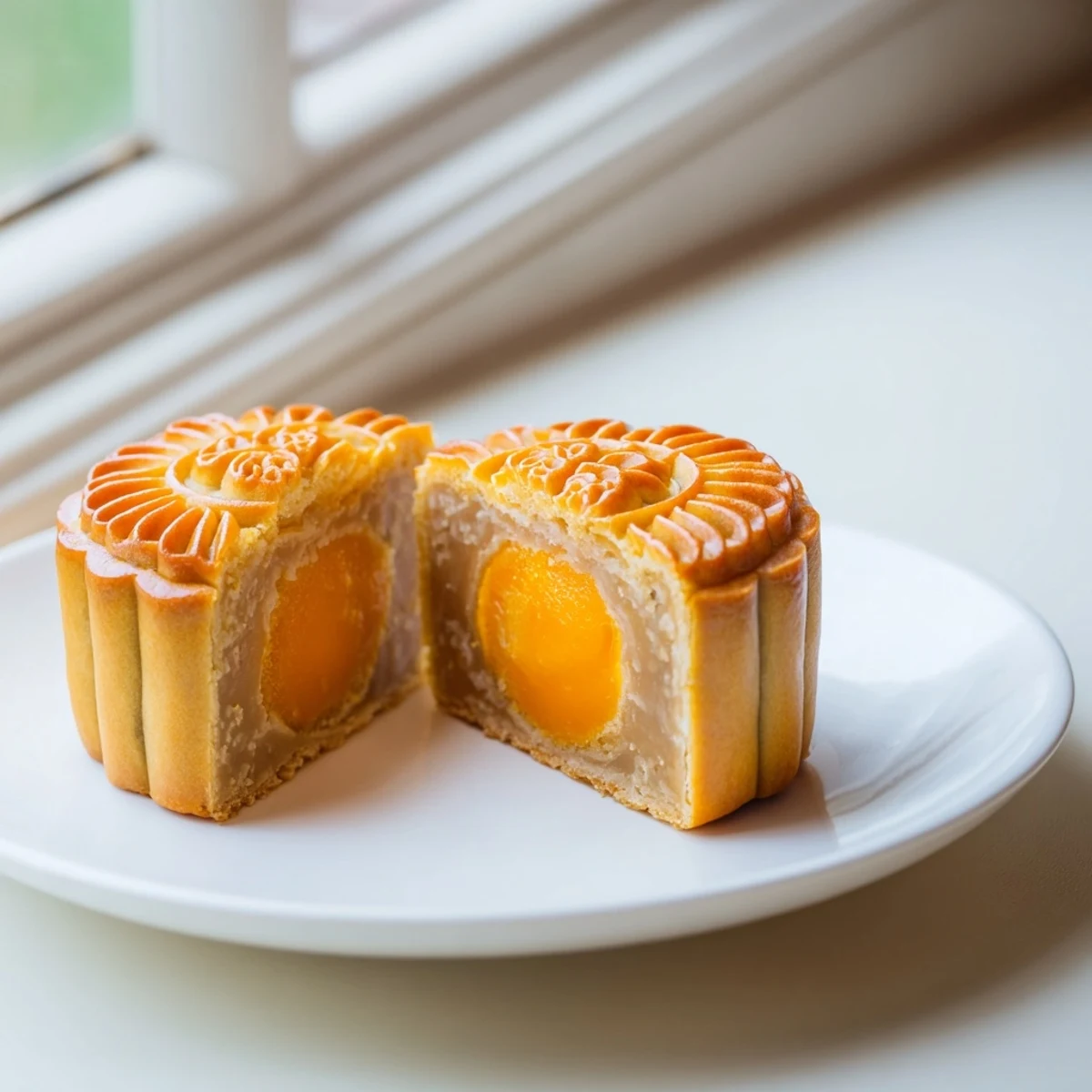
 These handheld pastries feature a rich, sweet lotus seed filling encased in a tender, golden-brown dough. The traditional preparation involves alkaline water, which gives the pastry its signature texture and color. Each piece can be enhanced with a savory salted egg yolk center, creating the classic sweet-salty combination beloved in Chinese cuisine.
The process requires resting the dough to achieve the proper consistency, followed by careful wrapping and molding to create the intricate designs that make these treats visually stunning. After baking, mooncakes benefit from a day or two of aging, allowing the skin to soften and the flavors to meld together beautifully.
Best served with Chinese tea, these dense, satisfying pastries are traditionally shared among family and friends during the Mid-Autumn Festival, though they make a wonderful addition to any dessert table year-round.
The first time I attempted mooncakes, I ended up with lumpy pastries that looked nothing like the intricate beauties you find in Chinese bakeries. My grandmother laughed and told me that patience is the secret ingredient, handing me her worn wooden mold that had pressed thousands of mooncakes over decades. That afternoon changed everything about how I approach this Mid-Autumn Festival treasure.
Last year, I made a batch for our neighborhood gathering and watched as people who had never tried a mooncake cautiously took their first bites. Seeing their eyes light up at that perfect balance of sweet lotus paste and savory salted egg yolk reminded me why I keep making these year after year. One neighbor asked for the recipe before she even finished her first slice.
Ingredients
- 200 g all-purpose flour: Forms the tender pastry shell that holds everything together
- 120 g golden syrup: Gives the dough its signature golden color and slight sweetness
- 50 g vegetable oil: Creates a pliable dough that is easy to work with
- 1 tsp alkaline water: This secret ingredient gives mooncakes their characteristic aroma and helps the dough develop that perfect texture
- 500 g lotus seed paste: The classic smooth and creamy filling that balances sweetness perfectly
- 12 salted egg yolks: Optional but traditional, these add a rich savory contrast to the sweet filling
- 1 egg yolk mixed with 1 tbsp water: Creates that beautiful glossy finish on the baked mooncakes
Instructions
- Prepare your workspace:
- Preheat your oven to 180°C and line a baking sheet with parchment paper, having everything ready before you start working with the dough.
- Mix the wet ingredients:
- Combine golden syrup, vegetable oil, and alkaline water in a bowl, stirring until completely smooth and emulsified.
- Form the dough:
- Add flour to the wet mixture and gently mix until a soft dough forms, then cover and let it rest for 30 minutes so the gluten can relax.
- Prepare the filling:
- Divide lotus seed paste into 12 equal portions and if using salted egg yolks, nestle one inside each paste ball, shaping it into a smooth sphere.
- Portion the dough:
- Divide the rested dough into 12 equal pieces, keeping them covered to prevent drying while you work.
- Wrap the filling:
- Flatten a dough piece into a disc, place a filling ball in the center, and carefully wrap the dough around it, sealing completely so no filling shows through.
- Shape the mooncakes:
- Lightly dust each ball with flour, place it seam-side up in a floured mooncake mold, press firmly, then invert to release onto your prepared baking tray.
- Initial bake:
- Bake for 5 minutes then remove and cool for 10 minutes, which helps set the pattern before glazing.
- Apply the glaze:
- Whisk egg yolk with water and brush a very thin layer over each mooncake, being careful not to fill in the intricate designs.
- Finish baking:
- Return to the oven for 15 to 20 minutes until golden brown, then cool completely before storing.
- Let them rest:
- Store in an airtight container for 1 to 2 days, allowing the skin to soften and the flavors to meld before serving.
 Save to Pinterest
 My daughter now helps me press each mooncake into the mold, her small hands carefully mimicking my movements. We make extra every year because she insists on giving them to her teachers, who have come to expect this annual treat. The tradition has somehow become ours together.
Choosing Your Filling
While lotus seed paste is the most traditional filling, do not be afraid to experiment with red bean paste or black sesame paste if you prefer. I once made a batch with five-spice infused red bean paste that became an instant family favorite. The key is keeping the filling smooth and pliable enough to wrap easily.
Working with Molds
Traditional wooden molds develop a patina over years of use that helps release the mooncakes easily. If you are using a new plastic mold, dust it generously with flour and press firmly but gently. The first time I used a mold, I pressed too hard and the filling oozed out the sides, leaving me with misshapen cakes that still tasted delicious.
Storage and Serving
Mooncakes keep well at room temperature for about a week if stored in an airtight container, though they rarely last that long in my house. For longer storage, you can refrigerate them, but bring to room temperature before serving for the best texture. Serve these thin wedges with Chinese tea to cut through the richness.
- Aged pu-erh tea pairs beautifully with the dense sweetness
- Warm the mooncake slightly for about 10 seconds in the microwave if it has been refrigerated
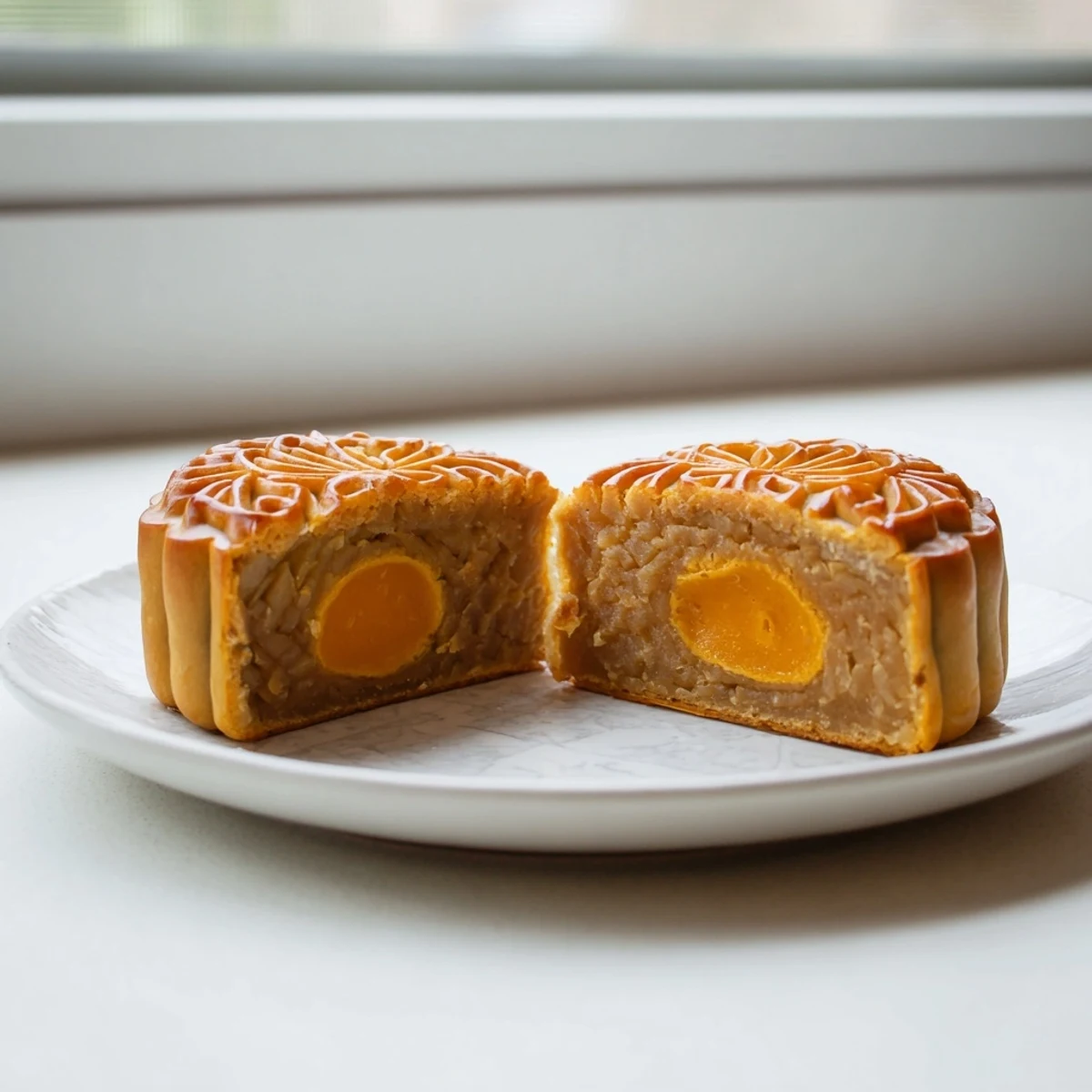
- Use a sharp knife dipped in hot water to get clean slices that show off the beautiful layers
 Save to Pinterest
 Whether you are making these for Mid-Autumn Festival or simply to share a piece of culinary tradition, homemade mooncakes carry a special warmth that store-bought versions never quite capture. Happy baking and may your kitchen be filled with the sweet aroma of golden syrup and lotus paste.
Recipe FAQs
- → What makes mooncake dough unique?
-
The dough contains golden syrup and alkaline water, which create the distinctive tender texture and golden-brown color. These ingredients also give the pastry its characteristic subtle sweetness and help maintain the intricate molded patterns during baking.
- → Can I make mooncakes without a mold?
-
While traditional molds create the classic decorative patterns, you can shape them by hand into round balls and gently flatten. Alternatively, use a decorative cookie press or create simple designs with a fork for texture.
- → Why do mooncakes need to rest before serving?
-
The resting period of 1-2 days allows the skin to soften and become more tender. This aging process also enables the flavors of the filling and pastry to meld together, creating the authentic texture traditional mooncakes are known for.
- → What fillings work well in mooncakes?
-
Traditional lotus seed paste is most common, but red bean paste, black sesame paste, or even modern variations like date paste or custard work beautifully. Each offers a distinct flavor profile while maintaining the dense, sweet characteristics.
- → How should I store mooncakes?
-
Keep in an airtight container at room temperature for up to a week, or refrigerate for longer storage. Bring to room temperature before serving. The flavors continue to develop over the first few days after baking.
- → What's the purpose of the egg wash?
-
The egg yolk glaze creates an attractive glossy finish and enhances the golden color of the pastry. For a vegan alternative, a light brush of soy milk or maple syrup provides similar browning effects.