
 Save to Pinterest
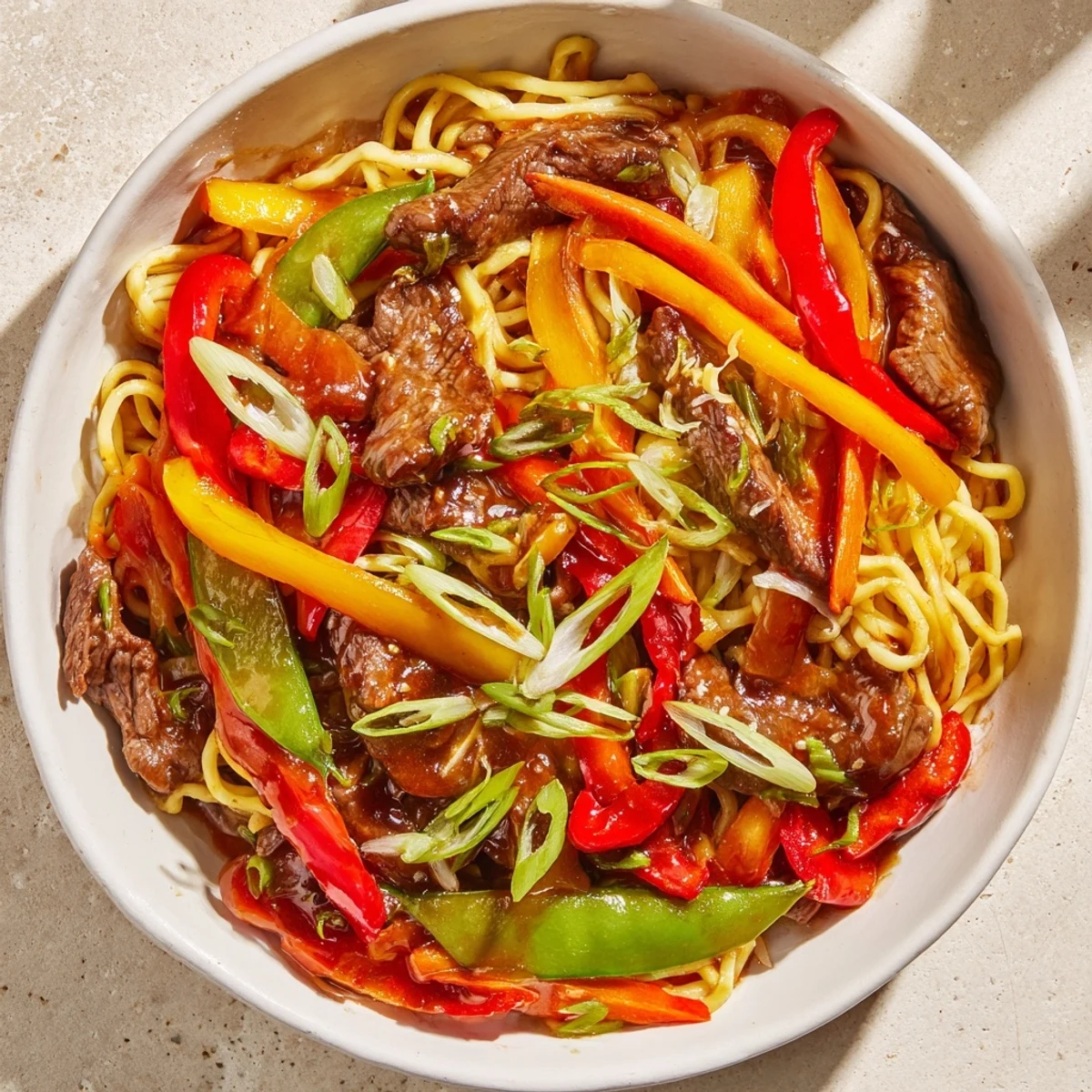
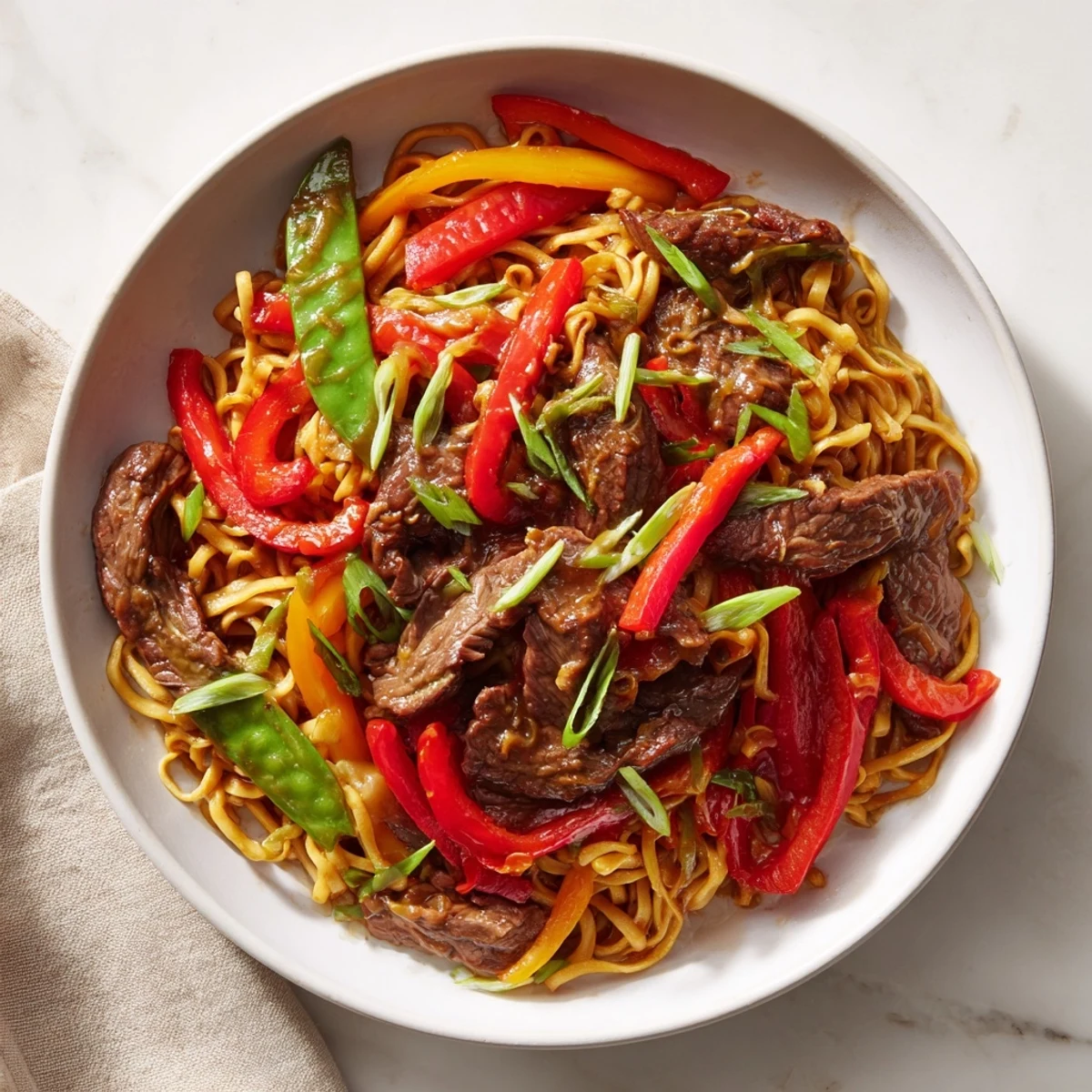
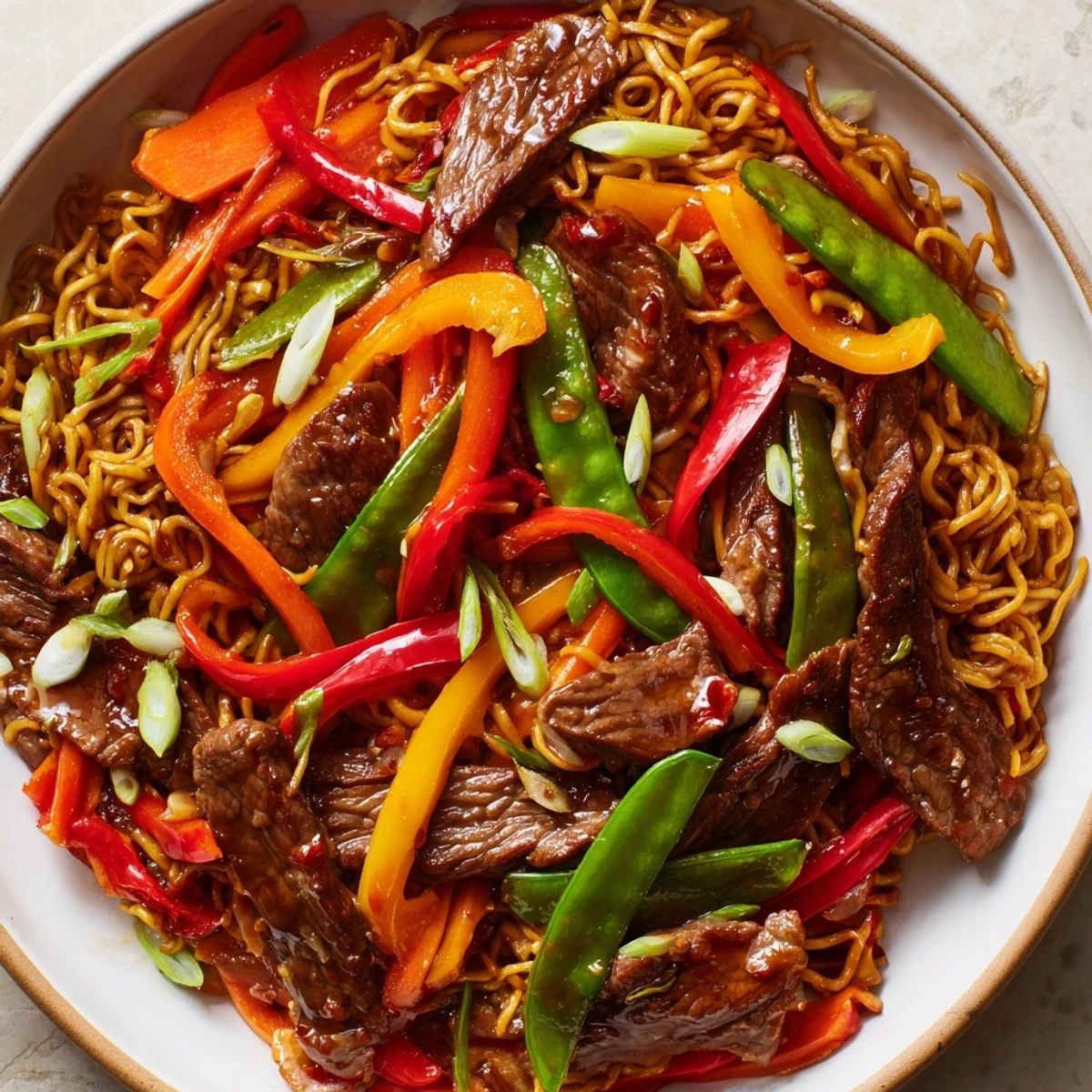
 This vibrant dish features thinly sliced beef marinated and quickly cooked for tenderness. Crisp bell peppers, snap peas, and carrots bring fresh textures, combined with fragrant garlic, ginger, and chilies for a lively kick. Egg noodles soak up a savory blend of soy, oyster, hoisin, and spicy sauces, creating a balanced flavor profile. Garnished with fresh spring onions, it’s a quick and satisfying meal full of bold Asian-inspired flavors.
There's something about the sound of beef hitting a screaming hot wok that makes you feel like you're actually cooking something worth eating. I discovered this stir fry on a Tuesday night when I had exactly what was in my pantry and nothing else, and somehow it turned into the dish I now make whenever I want to feel capable in the kitchen. The heat builds slowly, the vegetables snap with color, and by the time those noodles hit the sauce, you're already sold on the whole thing.
I made this for a friend who claimed they didn't eat spicy food, and they kept reaching for more, sneaking bites straight from the wok between courses. That's when I realized this isn't actually a spicy dish pretending to be approachable—it's a perfectly balanced one where the heat announces itself but never overwhelms everything else. The noodles catch all that sauce, and suddenly you understand why people get excited about stir fry.
Ingredients
- Beef sirloin or flank steak, thinly sliced: Cutting against the grain is the secret that separates tender bites from chewy struggles, so take thirty seconds with a sharp knife and you'll notice the difference in every bite.
- Egg or rice noodles: Either works beautifully, but rice noodles soak up the sauce like they were born for this moment.
- Soy sauce: This shows up twice—once to season the beef gently, once to anchor the entire sauce.
- Sesame oil: Just a teaspoon in the marinade adds a whisper of nutty warmth that makes people ask what you did different.
- Cornstarch: This tiny amount clings to the beef and helps create the subtle glaze that makes everything stick together beautifully.
- Bell peppers and carrot: The vegetables do the work of keeping everything bright and snappy; don't skip the knife work here.
- Sugar snap peas: They stay crisp when everything else softens, which is exactly why they belong in this dish.
- Garlic, ginger, and red chilies: These three arrive together at the end and transform the wok into something that smells like a restaurant kitchen.
- Oyster sauce and hoisin: They're the quiet workers that build depth without screaming for attention.
- Sriracha or chili garlic sauce: This is your heat dial, and you control exactly how far you want to turn it.
- Rice vinegar: A single tablespoon cuts through the richness and keeps the whole thing from feeling heavy.
Instructions
- Marinate the beef gently:
- Toss your thin beef slices with soy sauce, sesame oil, and cornstarch, then let it sit while you prep everything else. Those ten minutes let the marinade settle into the meat and promise tenderness.
- Cook your noodles:
- Follow the package, but finish slightly under what feels done—they'll soften more in the wok. Rinsing them with cold water stops the cooking and keeps them from clumping into a sad mass.
- Build your sauce:
- Whisk all the sauce ingredients in a small bowl while you have a quiet moment. This is the blueprint for everything that comes next, so don't rush it.
- Sear the beef fast:
- Heat oil until it shimmers, then add beef in a single layer and let it sit for a moment before stirring. Two to three minutes and it's gone, which is the whole point—beef this thin would turn into shoe leather if you lingered.
- Cook the vegetables with intention:
- Fresh oil, higher heat, and about two minutes of attention keeps everything snap-crisp and bright. You're not trying to soften these; you're waking them up.
- Bloom the aromatics:
- When garlic, ginger, and chilies hit the hot wok, they release this smell that makes the kitchen feel like somewhere special. One minute is all they need before the magic happens.
- Bring it all back together:
- Beef returns, noodles go in, sauce follows, and then you toss like you're conducting an orchestra. Two to three minutes and everything is hot, coated, and ready to eat.
- Finish with green onions:
- Fresh spring onions scattered on top add a brightness that reminds you this dish is alive and vibrant.
 Save to Pinterest
 I made this dish on a random evening when nothing special was happening, and somehow it became the meal that everyone remembered about that week. Food has this quiet power to turn an ordinary Tuesday into a moment worth keeping, and this stir fry does that without any fuss.
The Spice Conversation
Heat in food is personal, which is why this recipe gives you so many chances to decide what spicy means to you. One red chili is a whisper, two is a conversation, and you control whether sriracha becomes a supporting player or the main event. I've learned that people who say they don't like spicy food usually just haven't found the right temperature, and this dish respects that.
Why the Beef Matters Most
Thin slicing against the grain changes everything about how beef tastes in a stir fry, turning what could be tough and chewy into something tender and quick-cooking. The brief marinade isn't about transforming the meat; it's about protecting it during the heat, giving those thin slices a fighting chance to stay tender. When you watch the beef cook for just those two minutes, you realize that overcooking is the only real mistake you can make here.
Playing with What You Have
This recipe is flexible enough to adapt to whatever's in your kitchen without losing its soul, because the sauce and technique are doing the real work. I've made it with chicken on nights when beef wasn't calling to me, with tofu when I wanted something lighter, and even with shrimp when I felt like something fast and fancy. The vegetables can shift with the season too—summer means sugar snap peas, winter might reach for broccoli, and honestly, the dish handles all of it.
- Double the garlic and ginger if you want more fragrance and less heat.
- Swap vegetable oil for peanut oil if you want the wok experience to feel even more authentic.
- Have your prep done before you start cooking, because the actual wok time moves faster than you expect.
 Save to Pinterest
 This stir fry taught me that some of the best meals come from working with what you have and trusting the fundamentals. It's the kind of dish that makes you feel like a capable cook, even on nights when you're just throwing things together.
Recipe FAQs
- → What cut of beef works best for this dish?
-
Lean cuts like sirloin or flank steak are ideal for quick cooking and tender results when sliced thinly against the grain.
- → Can I substitute the noodles?
-
Yes, egg noodles or rice noodles both work well; gluten-free options can be used for dietary needs.
- → How spicy is the dish by default?
-
It has a moderate heat, adjustable by increasing or reducing the red chilies or using chili sauce accordingly.
- → What vegetables complement this preparation?
-
Bell peppers, snap peas, carrots, and spring onions add crispness and fresh flavors suitable for stir frying.
- → How should I marinate the beef?
-
Mix the beef slices with soy sauce, sesame oil, and cornstarch, letting it rest for around 10 minutes to enhance flavor and texture.
- → What cooking tools are essential?
-
A large wok or skillet facilitates high-heat stir frying; a pot is needed to cook the noodles properly.