
 Save to Pinterest
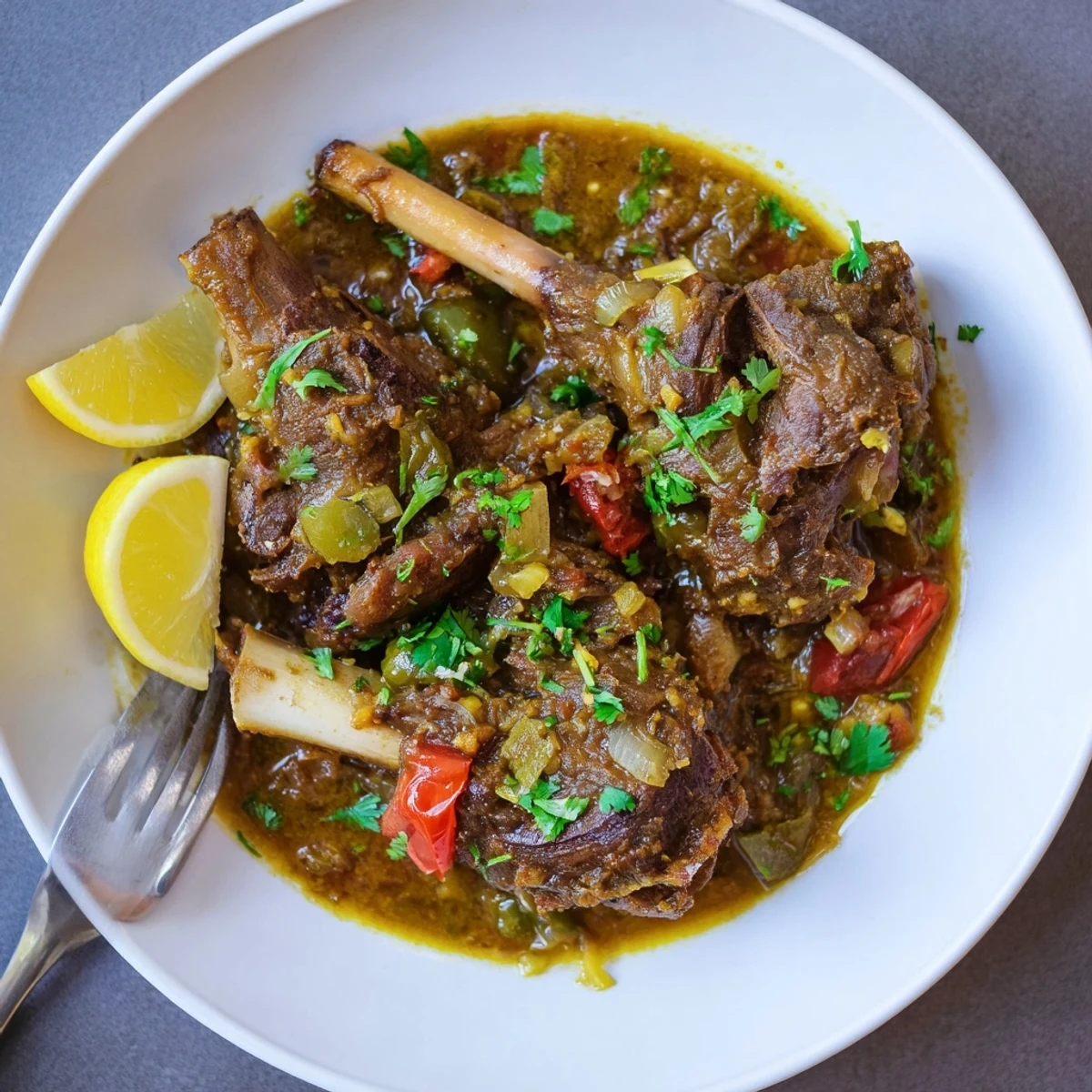
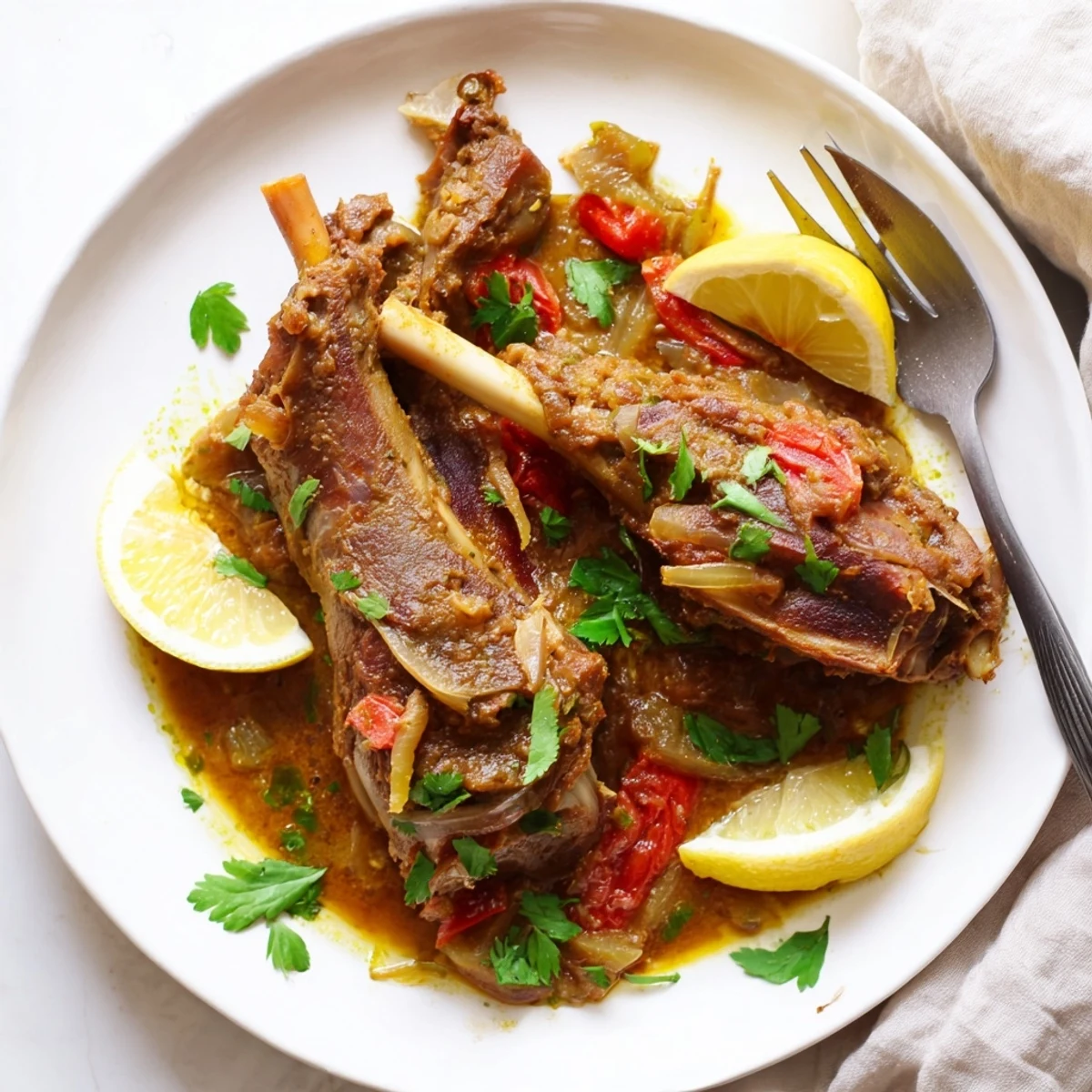
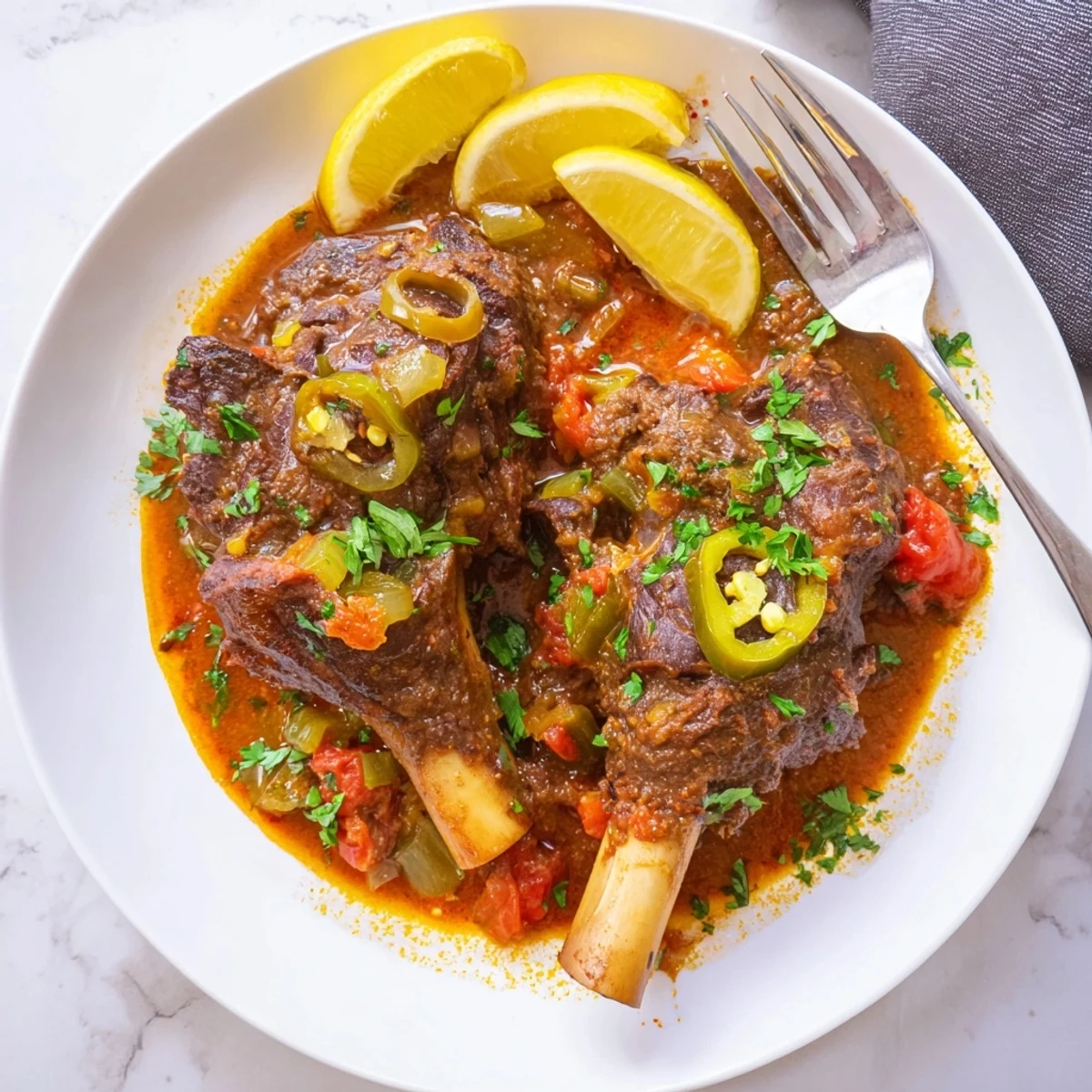
 These slow-cooked lamb shanks transform into meltingly tender meat through gentle braising in aromatic Indian spices. After searing for golden color, the shanks simmer for over three hours with coriander, cumin, garam masala, and warm whole spices like cinnamon, cardamom, and cloves. The result is fall-off-the-bone meat in a velvety, deeply flavored sauce that balances heat with savory richness.
The final addition of yogurt and fresh tomatoes adds brightness and creaminess, creating layers of flavor that develop beautifully during the long cooking time. Perfect served over steamed basmati rice or with warm naan to soak up every bit of the aromatic sauce.
The first time I made these lamb shanks, my apartment building smelled so incredible that my neighbor actually knocked on my door to ask what I was cooking. That's the power of whole spices blooming in hot oil, something I learned from my aunt who believed that patience is the secret ingredient in Indian cooking. The meat had been simmering for hours, falling away from the bone in that way that makes you feel cared for just by smelling it.
I served this dish at a winter dinner party once, and my friend who claimed she didnt like lamb went back for seconds. The key is letting it cook slowly enough that the collagen breaks down completely, making the sauce rich and silky. Everyone sat around the table longer than usual, tearing pieces of naan through the sauce and talking about nothing important.
Ingredients
- Lamb shanks: These tough cuts become meltingly tender after hours of slow cooking, and the bone adds incredible depth to the sauce
- Vegetable oil: Use a neutral oil with a high smoke point for searing the meat properly without burning
- Onions: Finely slicing them helps them caramelize evenly, creating a sweet foundation that balances the spices
- Garlic and ginger: This aromatic base is essential, and grating fresh ginger releases more oils than chopping it
- Ground coriander: Adds a subtle citrus warmth that complements the earthiness of the lamb
- Ground cumin: Provides that distinctively earthy, slightly smoky flavor characteristic of Indian cuisine
- Garam masala: This warming spice blend varies by region but typically includes cinnamon, cardamom, and cloves
- Ground turmeric: Adds earthy bitterness and that beautiful golden color to the dish
- Chili powder: Adjust based on your heat preference, but dont eliminate it entirely as it balances the richness
- Bay leaves: These add a subtle floral note that deepens during long cooking times
- Whole cloves: Just a few of these potent flowers go a long way in adding warmth and depth
- Green cardamom pods: Lightly crushing them releases their intense citrusy, floral aroma
- Cinnamon stick: Whole cinnamon imparts a sweeter, more complex flavor than ground cinnamon
- Chopped tomatoes: The acidity helps tenderize the meat while providing a saucy base
- Lamb or beef stock: Homemade stock will always yield the best flavor, but a good quality store-bought version works
- Plain yogurt: Stirred in near the end, it adds creaminess and slight tang that cuts through the richness
- Fresh tomatoes: Added later in cooking, they provide texture and brightness to the finished dish
- Green chili: Optional for heat lovers, it adds a fresh kick that dried spices cannot provide
- Fresh cilantro: The bright, herbaceous finish balances the deep, slow-cooked flavors
- Lemon wedges: A squeeze of acid right before serving wakes up all the spices and cuts through the fat
Instructions
- Season the lamb:
- Pat the shanks completely dry with paper towels so they sear rather than steam, then season generously with salt and pepper on all sides
- Sear the meat:
- Heat oil in your heavy pot until shimmering, then brown each shank on all sides until deeply caramelized, which creates the foundation of flavor
- Caramelize the onions:
- In the same pot, cook the sliced onions slowly until they turn golden brown, taking your time as this sweetness is crucial
- Bloom the aromatics:
- Add garlic and ginger, stirring constantly for just a minute until fragrant but not burned
- Toast the spices:
- Stir in all the ground and whole spices, toasting them briefly until their perfume fills the air
- Build the sauce base:
- Add canned tomatoes and let them cook down until they soften and release their juices, creating a thick base
- Combine and simmer:
- Return the lamb to the pot, pour in the stock, and bring everything to a gentle simmer
- Slow cook covered:
- Cover tightly and reduce heat to low, letting the shanks cook slowly for 2.5 hours and turning them occasionally
- Finish with creaminess:
- Stir in the yogurt, fresh tomatoes, and green chili, then simmer uncovered until the sauce thickens and lamb falls from the bone
- Adjust and serve:
- Skim any excess fat from the surface, taste for salt, and finish generously with cilantro and lemon wedges
 Save to Pinterest
 My cousin visits specifically for this dish now, always asking if the shanks are already simmering when she walks in the door. She insists it tastes better than what we had at that little restaurant in London on a rainy Tuesday years ago.
Making It Ahead
This dish actually tastes better the next day, which I discovered accidentally when I made it for a dinner party and ended up eating leftovers alone. The flavors meld and deepen overnight in the refrigerator, so do not hesitate to make it a day ahead and gently reheat before serving.
Serving Suggestions
Steamed basmati rice is traditional, but I have also served this over creamy mashed potatoes when I wanted something comforting and unexpected. Naan bread is essential for sopping up the sauce, which might be the best part of the entire dish.
Leftover Wisdom
The shanks freeze beautifully for up to three months, and the sauce actually thickens in the freezer which I consider a happy accident. Sometimes I pull the meat from the bones and use it in quick weekday curry bowls with rice and a fried egg on top.
- Always let the dish cool completely before refrigerating or freezing to prevent condensation from thinning the sauce
- Reheat gently over low heat with a splash of water or stock to loosen the sauce
- The bones can be used to make a quick stock for future dishes if you are feeling thrifty
 Save to Pinterest
 There is something profoundly satisfying about a dish that asks for so little but gives so much in return, especially on a cold evening when the house is quiet and the kitchen is warm.
Recipe FAQs
- → How do I know when the lamb shanks are done?
-
The lamb shanks are ready when the meat pulls away easily from the bone with minimal pressure. You should be able to insert a fork with no resistance, and the meat should appear gelatinous and tender rather than tough.
- → Can I make this in a slow cooker?
-
Yes. After searing the shanks and sautéing the aromatics, transfer everything to your slow cooker. Cook on low for 7-8 hours or high for 4-5 hours until the meat is tender. Add the yogurt and fresh tomatoes during the last 30 minutes.
- → What should I serve with these lamb shanks?
-
Steamed basmati rice or jeera rice perfectly complements the rich sauce. Warm naan bread or roti are ideal for soaking up the curry. A simple cucumber raita and pickled onions on the side add refreshing contrast to the deep, warming spices.
- → Can I prepare this dish ahead of time?
-
Absolutely. This dish tastes even better the next day as flavors continue to develop. Cool completely, refrigerate for up to 3 days, then reheat gently on the stovetop. The fat will solidify on top, making it easy to remove before reheating for a lighter result.
- → How can I adjust the spice level?
-
Reduce the chili powder to ½ teaspoon for milder heat. For more spice, add an extra green chili or increase the chili powder to 2 teaspoons. The garam masala provides warmth rather than intense heat, so the overall flavor remains balanced regardless of these adjustments.
- → Why is the yogurt added at the end?
-
Adding yogurt early in the cooking process can cause it to separate and curdle. Stirring it in during the final stage incorporates its creamy texture and tangy flavor while maintaining the sauce's smooth consistency and glossy appearance.