
 Save to Pinterest
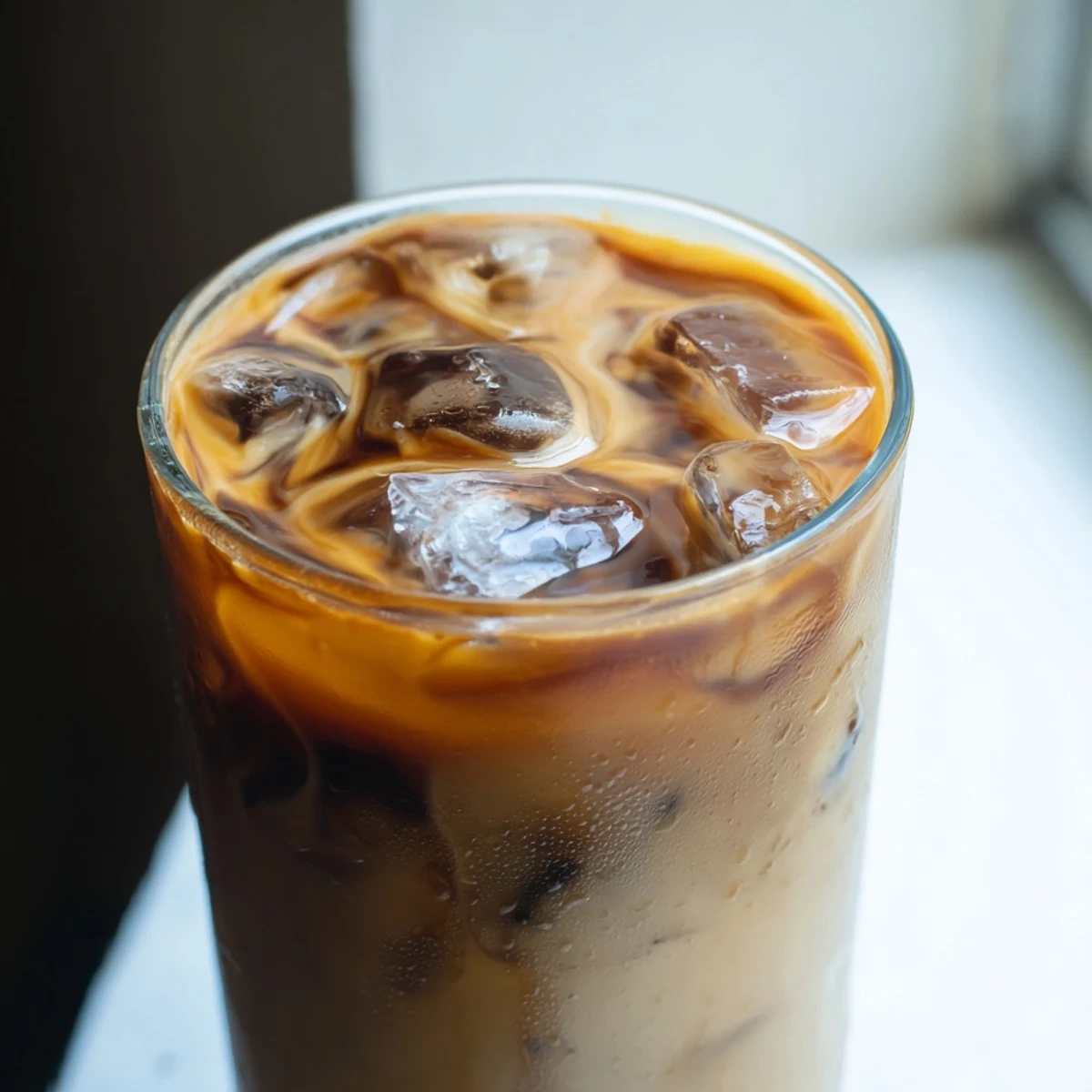
 This velvety Japanese drink combines strong black tea with authentic Okinawa brown sugar, creating a deep caramel sweetness that perfectly balances the milk's creaminess. The kokuto sugar provides distinctive roasted notes you won't find in ordinary sweetened teas.
Preparation involves simmering quality Assam or Japanese black tea to extract robust flavor, then dissolving the special brown sugar while hot. Whole milk adds luxurious texture, though oat milk works beautifully for dairy-free versions.
Serve immediately over plenty of ice to experience the full contrast between warm, sweet tea and cold refreshment. For extra indulgence, add tapioca pearls to transform this into bubble tea.
The first time I tried Okinawa milk tea at a tiny café in Kyoto, I sat there for twenty minutes trying to decode what made it taste so different from every other milk tea I had ever experienced. There was this deep almost burnt caramel note that I could not place, something earthy and complex that lingered long after the last sip. When I finally asked the owner, she just smiled and held up a block of dark brown sugar. That single ingredient changed everything I thought I knew about milk tea.
Last summer my sister came over for lunch and I made this for her as an afternoon treat. She took one sip and refused to leave my kitchen until I wrote down the recipe for her. Now she makes it every Sunday morning and sends me photos of her glass sitting in the sun.
Ingredients
- 2 cups water: Use filtered water if possible because the tea flavor really comes through when the water is clean
- 2 black tea bags: Assam or Japanese black tea works beautifully here because they stand up to the rich sugar without getting lost
- 3 tablespoons Okinawa brown sugar: This is the star of the show with those mineral notes and natural molasses that make this drink so special
- 1 cup whole milk: The creaminess balances the strong tea and bold sugar perfectly, though oat milk works wonderfully too
- Ice cubes: Plenty of them because this drink shines most when it is ice cold
Instructions
- Brew the base:
- Bring your water to a gentle boil then drop in the tea bags, turning the heat down to let them simmer and really release their flavor
- Steep deeply:
- Take the pan off the heat and let those tea bags hang out for another couple minutes because that extra time makes all the difference
- Dissolve the magic:
- Stir in your brown sugar while the tea is still hot because this is when it melts into the liquid most completely
- Warm the milk:
- Add the milk and warm everything gently on low heat, keeping a close watch so it never reaches a boil
- Strain and pour:
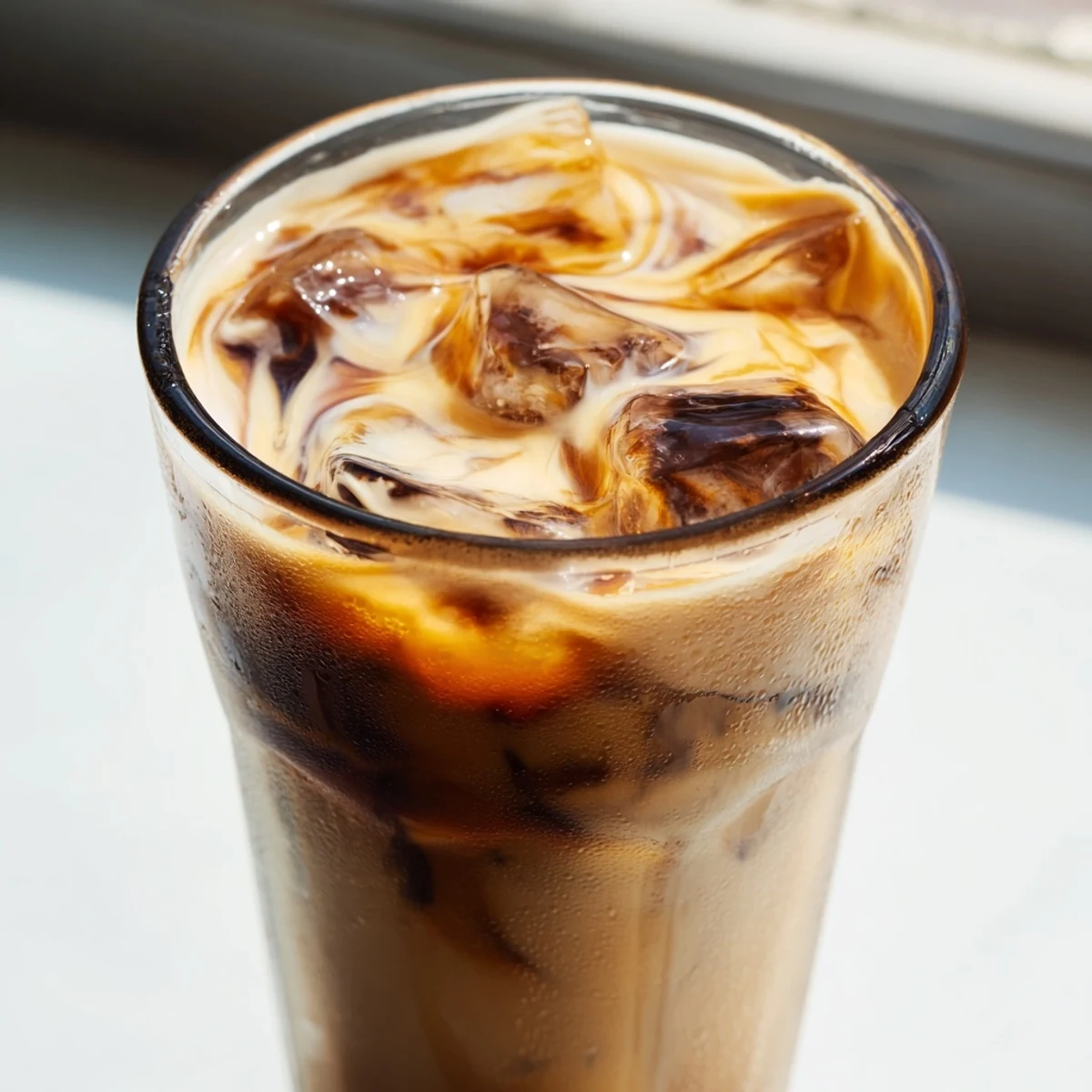
- Pour the tea through a strainer to catch any bits then divide that beautiful amber liquid between two ice filled glasses
 Save to Pinterest
 This recipe has become my go to when friends visit because it feels like such a treat but takes almost no effort. There is something about that first sip that makes people pause and really pay attention.
Finding the Right Sugar
Okinawa brown sugar can be tricky to find depending on where you live but do not let that stop you. Asian grocery stores often carry it in the baking aisle, usually labeled as kokuto. If you cannot find it, dark muscovado sugar gets you pretty close with that same rich molasses flavor.
Tea Strength Matters
I have found that using robust black tea is non negotiable here because weaker teas get completely overpowered by the brown sugar. Sometimes I will even use three tea bags if I know my friends prefer a really strong tea flavor. The balance between the tea and sugar is what makes this recipe work so well.
Make It Your Own
Once you have the basic version down, do not be afraid to play around with what works for you. I have tried different combinations and some have become favorites in their own right.
- Add a drop of vanilla extract for a cozy twist that tastes like a dessert
- Top with tapioca pearls when you want that bubble tea experience everyone loves
- Use half and half instead of milk for those days when you need something extra indulgent
 Save to Pinterest
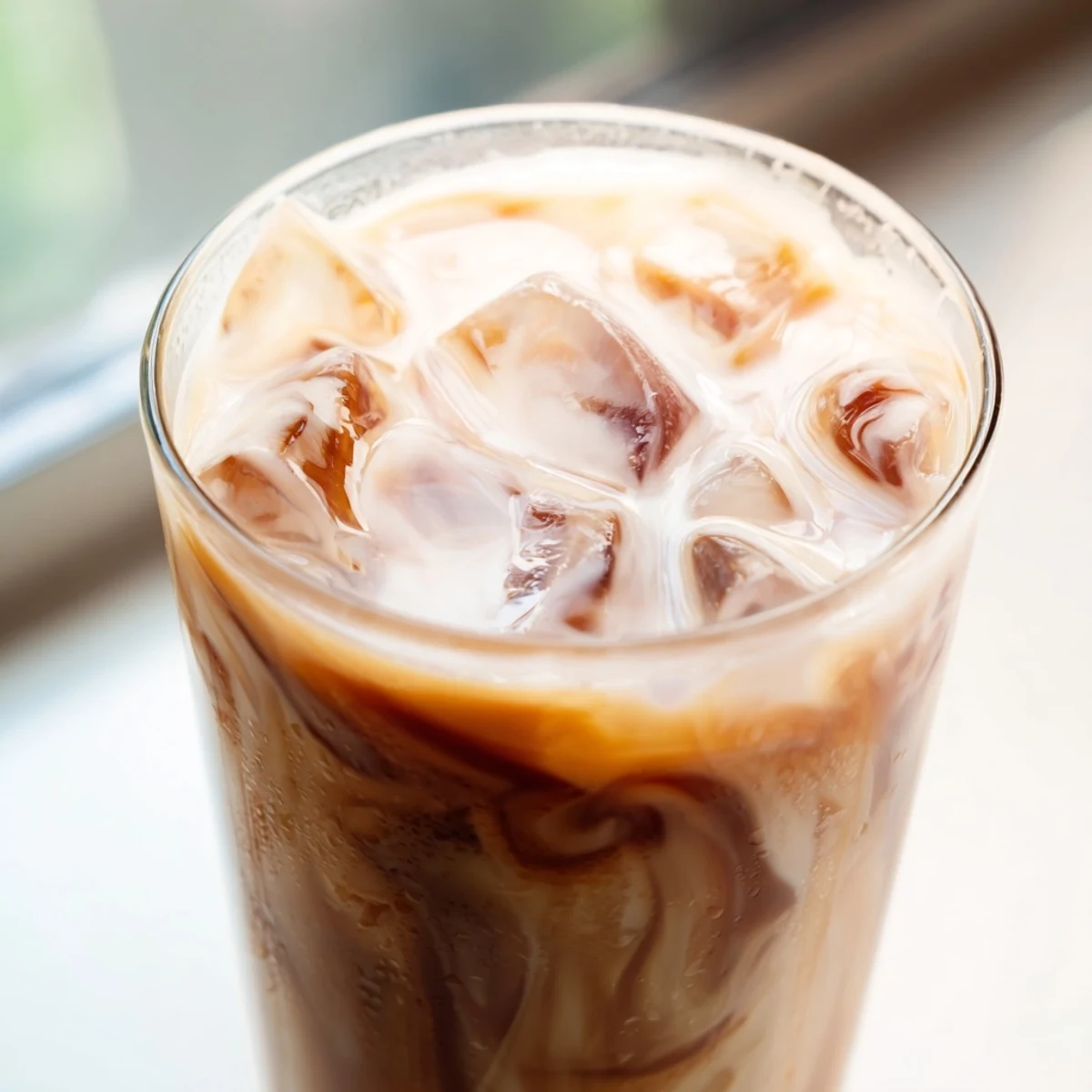
 This simple drink has brought so much joy to my kitchen and I hope it does the same for yours.
Recipe FAQs
- → What makes Okinawa milk tea different from regular milk tea?
-
Okinawa milk tea uses kokuto, a traditional Japanese brown sugar with a distinct roasted, caramel-like flavor profile. Unlike refined white sugar or regular brown sugar, kokuto retains natural molasses and minerals, creating deeper complexity and a rich, slightly smoky sweetness that sets this beverage apart.
- → Can I use other types of black tea?
-
Assam or robust Japanese black tea varieties work best for their strong, malty character that stands up to the brown sugar's intensity. English Breakfast or Ceylon can serve as substitutes, though the flavor profile will shift slightly. Avoid delicate green or white teas as they'll be overwhelmed by the sugar and milk.
- → Is this drink served hot or cold?
-
Traditionally served over ice for a refreshing experience, the contrast between warm, sweet tea and cold ice creates the ideal texture. However, you can skip the ice and enjoy it warm during colder months. The drink's creamy consistency and caramel notes remain satisfying either way.
- → What's the best dairy-free alternative?
-
Oat milk provides the closest creamy texture and neutral flavor that lets the roasted brown sugar shine. Coconut milk adds tropical richness but alters the profile, while almond milk tends to be too thin. For authentic creaminess without dairy, barista-style oat blends are your best bet.
- → How long does the prepared tea last?
-
Freshly prepared Okinawa milk tea tastes best within 24 hours when refrigerated in an airtight container. The brown sugar may settle at the bottom, so give it a good stir or shake before serving again. For optimal texture and flavor, avoid storing beyond two days as the ice will dilute the mixture.
- → Can I make this in larger batches?
-
Yes, simply multiply the ingredients while maintaining the same ratios. Prepare a concentrate with extra tea and sugar, then dilute with milk when serving. Store the base in the refrigerator for up to three days and add fresh milk and ice when pouring individual portions.