
 Save to Pinterest
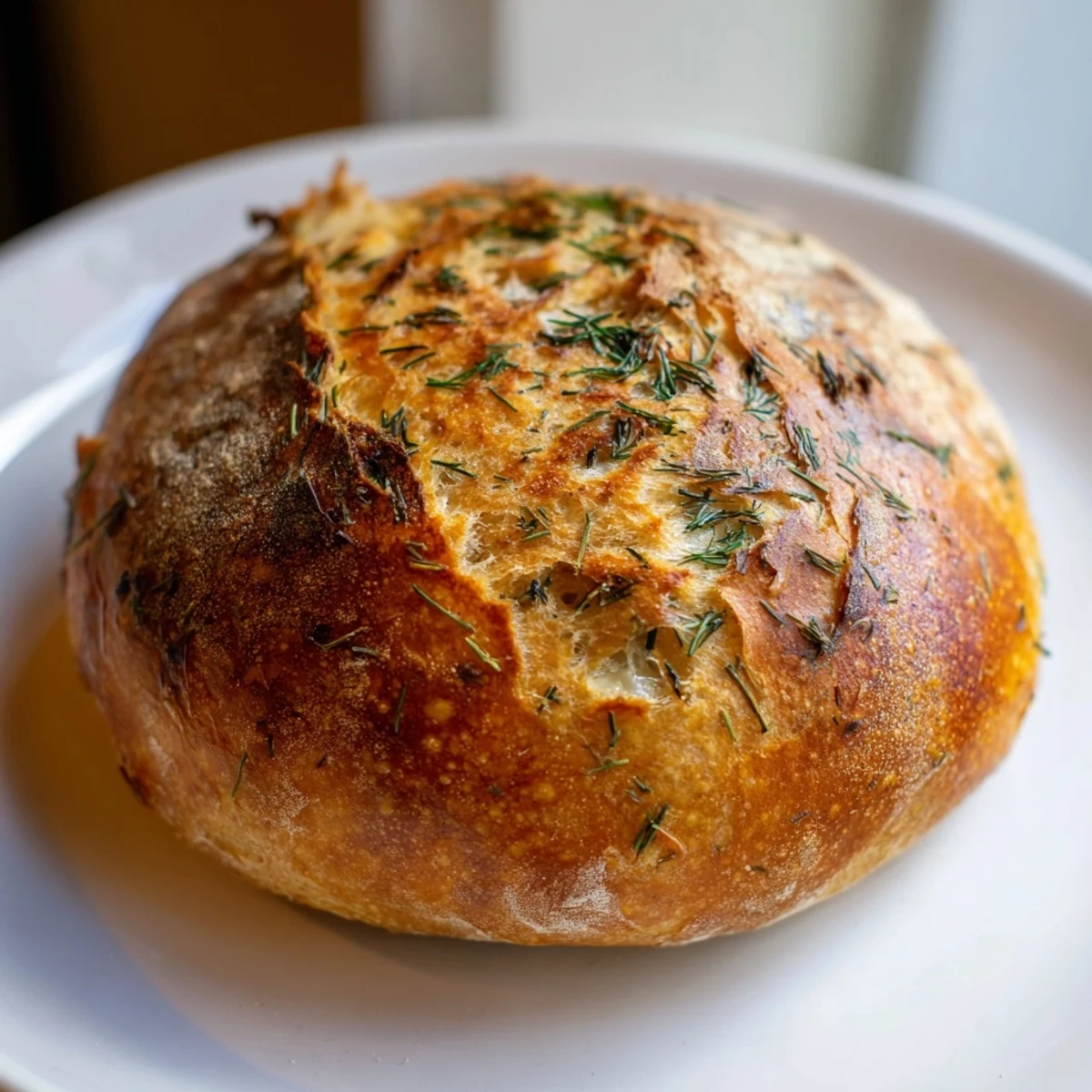
 This rustic artisan loaf blends aromatic fresh dill and melty Gouda cheese for a flavorful crusty bread. The dough requires no kneading and rests slowly, developing a bubbly texture. Baking in a preheated Dutch oven yields a golden, crisp crust and soft interior. Ideal for pairing with soups, salads, or sandwiches, it offers easy preparation with a rich, herby taste that complements many dishes.
The first time I made no-knead bread, I was skeptical. How could something so simple create that bakery-style crust? But when I pulled this dill and Gouda loaf from the oven, my entire apartment smelled like a European bread shop, and I was instantly converted.
I served this bread at a last-minute dinner with friends who happened to drop by. They kept asking where I bought it, and when I told them I mixed it that morning, they demanded the recipe immediately.
Ingredients
- Bread flour: The higher protein content creates that beautifully chewy interior while still giving you a crackling crust
- Instant yeast: Skip the proofing step entirely because this yeast goes straight into the flour and works its magic during the long rest
- Gouda cheese: Dice it into small cubes so you get those pockets of melted cheese throughout every slice
- Fresh dill: Chop it finely so it distributes evenly, though dried works in a pinch if you are not near a market
- Lukewarm water: Test it against your wrist like you would warm a bottle, it should feel comfortable to the touch
Instructions
- Mix your dry foundation:
- Whisk the flour, salt, and yeast in a large bowl until everything is thoroughly combined
- Add the flavor makers:
- Stir in the Gouda and dill until they are evenly distributed throughout the flour mixture
- Bring the dough together:
- Pour in the water and mix with a wooden spoon until you have a shaggy, sticky dough that barely holds together
- Let time do the work:
- Cover the bowl tightly and let it rest at room temperature for 8 to 12 hours until it has doubled and bubbles dot the surface
- Shape it gently:
- Scrape the dough onto a floured surface and fold the edges toward the center a few times to create a round loaf
- The second rise:
- Place the dough seam side down on parchment paper, cover loosely, and let it rise for 45 to 60 minutes
- Preheat like a pro:
- Put your Dutch oven in the oven and preheat to 450°F for at least 30 minutes so it is screaming hot
- Bake with steam power:
- Carefully transfer the dough into the hot Dutch oven using the parchment, cover, and bake for 30 minutes
- Create the crust:
- Remove the lid and bake for another 15 minutes until the loaf is golden brown and sounds hollow when tapped
- Patience pays off:
- Let the bread cool completely on a wire rack before slicing into it
 Save to Pinterest
 This bread has become my go-to when I want to impress people without actually doing any hard work. It looks like something from a fancy bakery but requires almost zero effort.
Cheese Variations Worth Trying
Emmental creates those gorgeous cheese pockets and melts beautifully throughout the crumb, while mild Cheddar gives you a sharper flavor that pairs surprisingly well with the dill.
Storage Secrets
Never store this bread in plastic or the crust will turn soft and disappointing. A paper bag lets it breathe while keeping it fresh for about two days.
Serving Ideas
This loaf transforms simple soups into restaurant-worthy meals and makes the most incredible grilled cheese sandwiches you have ever tasted.
- Try it with tomato soup for the ultimate comfort food combination
- Use slices for hearty sandwiches that need no additional cheese
- Toast it and top with a poached egg for breakfast
 Save to Pinterest
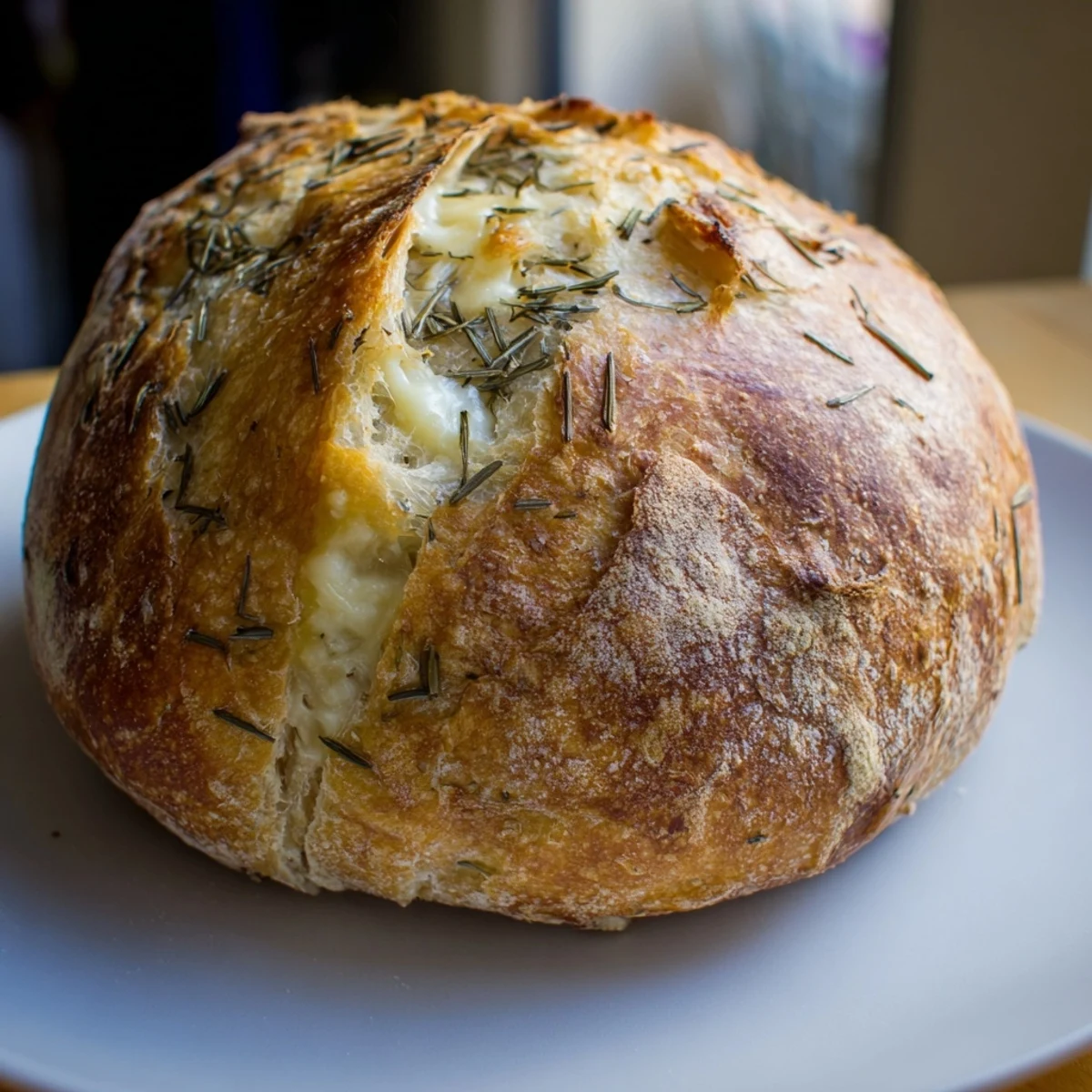
 There is something deeply satisfying about pulling this gorgeous loaf from the oven, knowing you created something so beautiful with almost no effort at all.
Recipe FAQs
- → How does the no-knead method affect the bread texture?
-
The no-knead approach allows the dough to rest and ferment slowly, developing gluten naturally for a light, airy crumb with a crisp crust.
- → Can Gouda be substituted with other cheeses?
-
Yes, milder cheeses like Emmental or Cheddar work well, adding different flavor profiles without affecting texture.
- → What is the purpose of resting the dough for 8–12 hours?
-
Extended resting fosters fermentation, which improves flavor and creates a bubbly, well-aerated dough.
- → Why bake the bread in a Dutch oven?
-
Baking in a Dutch oven traps steam, producing a crisp, golden crust while keeping the interior moist and tender.
- → How should this bread be stored after baking?
-
Keep the loaf in a paper bag at room temperature for up to two days or freeze it to maintain freshness longer.