
 Save to Pinterest
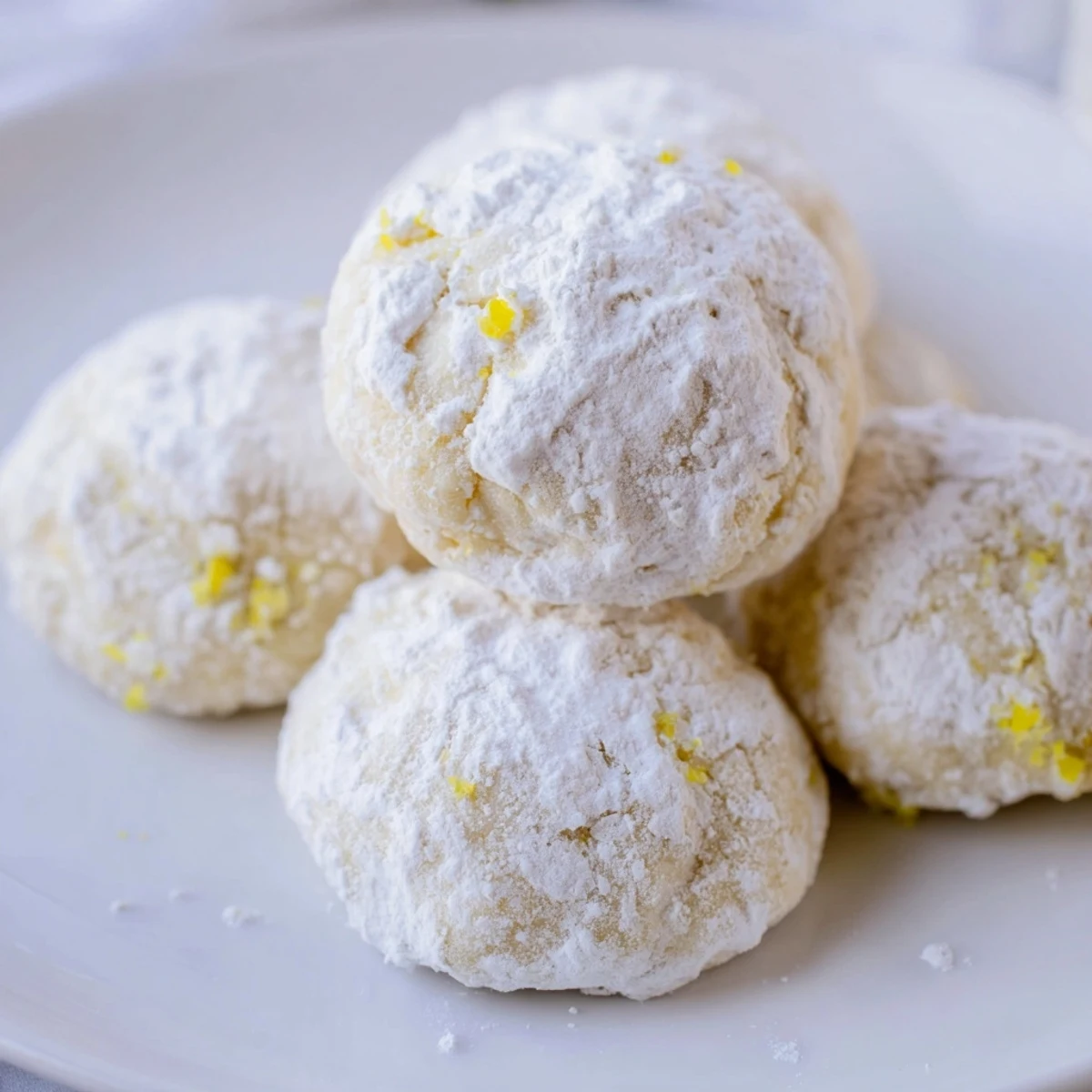
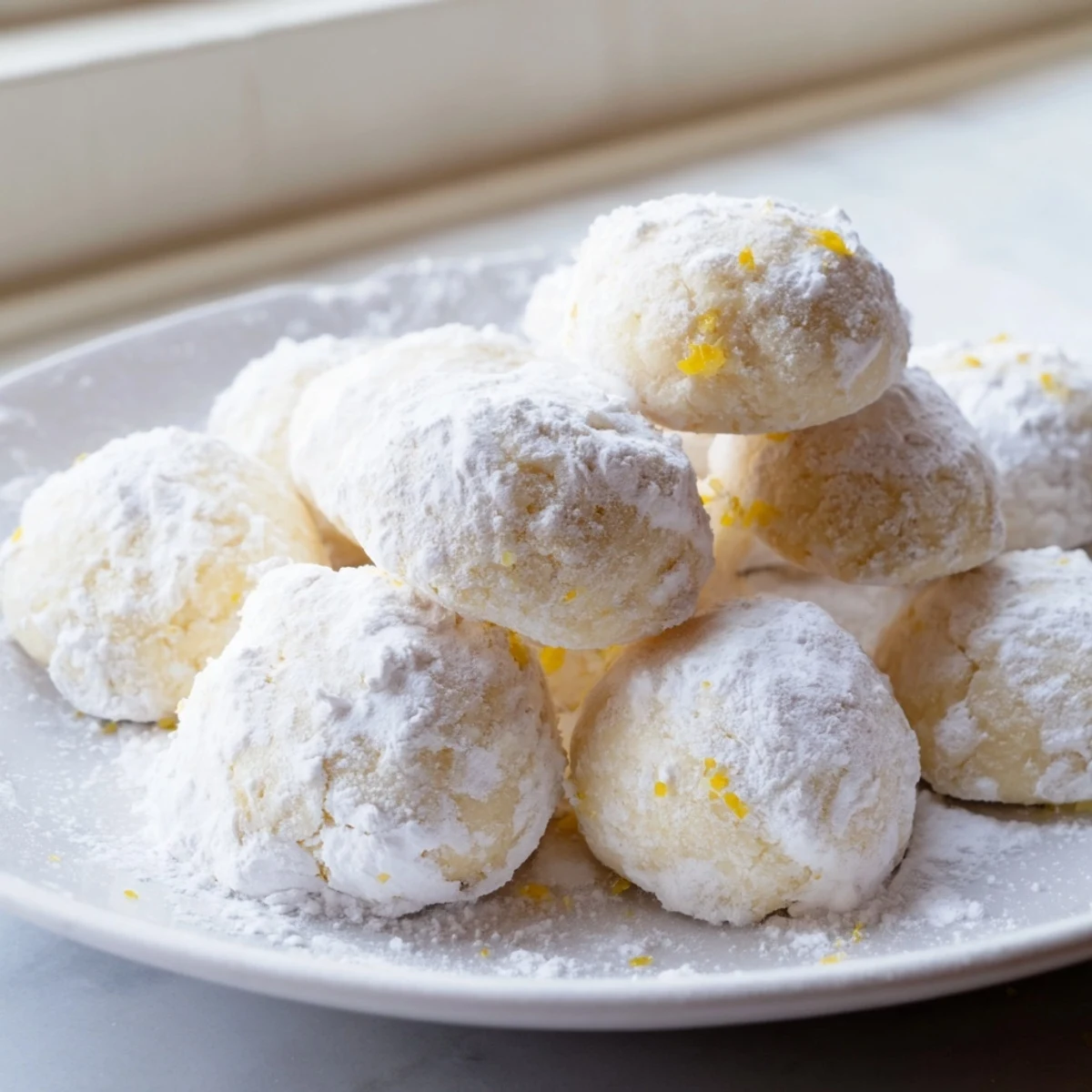
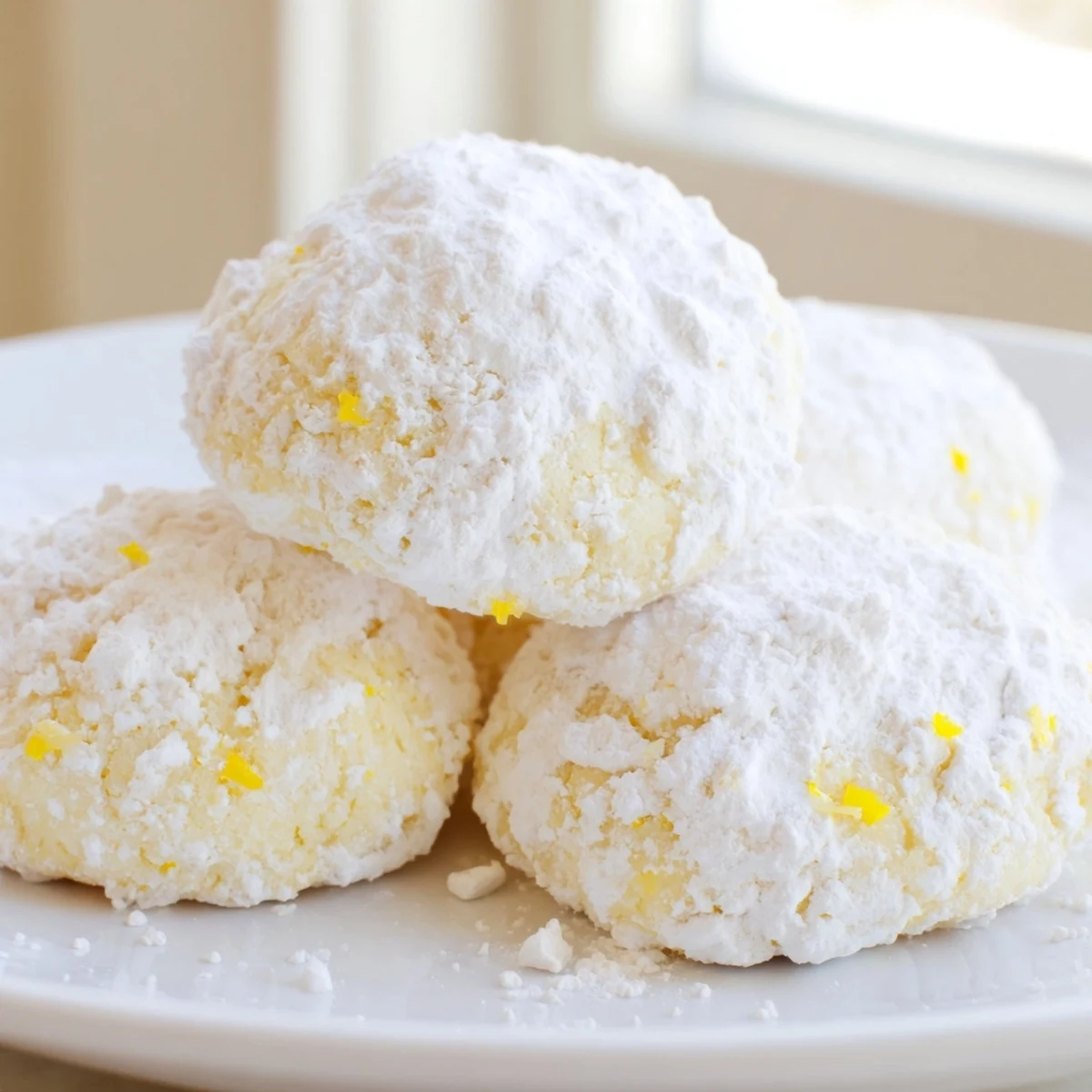
 These delicate lemon meltaways are incredibly tender cookies that literally dissolve on your tongue. The combination of butter, powdered sugar, and fresh lemon creates a melt-in-your-mouth texture that's irresistibly light. A coating of powdered sugar adds the perfect sweet finish to these zesty treats.
Perfect for afternoon tea or as a light ending to any meal, these cookies come together quickly and require minimal effort. The dough needs chilling time, but the active preparation is just 15 minutes. The result is 30 delicate, citrusy cookies that stay fresh for up to a week when stored properly.
My grandmother had a lemon tree in her backyard that produced fruit year-round, and on summer afternoons she'd hand me a basket and tell me to go fill it. Those afternoons became my first lesson in patience, waiting for the perfect ones that felt heavy and fragrant in my palm. We'd make these meltaways together, her hands dusting powdered sugar over the cooling rack while I tried not to eat them warm. Something about that bright citrus cutting through rich butter still feels like magic.
Last spring, my neighbor was recovering from surgery and I dropped off a tin of these on her porch. She texted me an hour later saying she'd already eaten three and her teenage son was demanding the recipe. Now whenever I smell butter and lemon together, I think of how something so simple can feel like such a genuine gesture of care.
Ingredients
- Unsalted butter: Let it soften completely on the counter—cold butter creates dense cookies, but room temperature gives you that cloud-light texture
- Powdered sugar: This is non-negotiable for the melt-in-your-mouth quality, granulated sugar would make them grainy
- Fresh lemon juice and zest: Please use real lemons, bottled juice lacks that aromatic brightness that makes these special
- Cornstarch: The secret ingredient that makes them tender instead of tough, creating that signature shortbread texture
- All-purpose flour: Scoop lightly into your measuring cup and level off, packing it down will make your cookies heavy
Instructions
- Start with the butter and sugar:
- Beat them together until the mixture looks pale and fluffy, about 3 minutes with an electric mixer—this air is what makes them light
- Add the lemon flavor:
- Pour in the fresh lemon juice, zest, and vanilla, then scrape down the sides of the bowl to make sure everything gets incorporated
- Bring in the dry ingredients:
- Mix in the salt, flour, and cornstarch just until a soft dough forms, don't overwork it or the cookies will become tough
- Shape and chill:
- Divide the dough in half, roll each piece into a 1-inch log, wrap tightly in plastic, and refrigerate for at least 30 minutes—this firmness makes clean slices possible
- Preheat and prep:
- Heat your oven to 350°F and line two baking sheets with parchment paper while the dough finishes chilling
- Slice the cookies:
- Cut each log into quarter-inch rounds and place them about an inch apart on your prepared sheets
- Bake until barely golden:
- Slide them into the oven for 10 to 12 minutes, watching for the slightest hint of color at the edges
- Sugar coating:
- Let them rest on the baking sheets for 5 minutes, then gently toss each warm cookie in powdered sugar until thoroughly coated
 Save to Pinterest
 My daughter helped me make a batch last winter during a snowstorm, powdered sugar dusting her dark kitchen table like we'd created our own indoors. She ate three standing right there at the counter and declared them better than anything from a bakery. Those are the moments that stick—when something this simple becomes a memory.
Getting The Perfect Lemon Flavor
When zesting your lemon, press firmly but avoid the white pith underneath which can taste bitter. I've learned that rolling the lemon on the counter before cutting helps release more juice, and room-temperature lemons yield more than cold ones from the fridge. If you want an extra punch, add another teaspoon of zest directly to the dough.
Making These Ahead
The dough logs can be wrapped and frozen for up to a month, then thawed in the refrigerator overnight before baking. This has saved me more times than I can count when unexpected guests are coming. Sometimes I'll slice and freeze the unbaked rounds on a parchment-lined tray, then transfer them to a bag and bake straight from frozen, adding one minute to the baking time.
Serving Ideas
These shine alongside afternoon tea or as a lighter ending to a rich dinner. I've served them with lemon sorbet for a double citrus hit, and they're perfect with a glass of prosecco for a casual dessert course. The buttery richness also balances beautifully with fresh berries.
- Try orange zest instead of lemon for a sweeter, milder variation
- Add a drop of almond extract for a more complex flavor profile
- These freeze well after baking if you need to stash some for later
 Save to Pinterest
 There's something deeply satisfying about a cookie that requires so little effort but delivers such elegance. I hope these find their way into your kitchen and become part of your own story.
Recipe FAQs
- → What makes these cookies melt in your mouth?
-
The combination of cornstarch with flour, plus powdered sugar instead of granulated, creates an exceptionally tender texture. The high butter content and lack of eggs also contributes to that delicate, melting quality.
- → Can I freeze the dough?
-
Yes, wrap the dough logs tightly in plastic wrap and then foil. Freeze for up to 3 months. Thaw in the refrigerator overnight before slicing and baking.
- → Why is chilling time important?
-
Chilling firms the butter, making it easier to slice clean rounds. It also helps the cookies hold their shape better while baking and enhances flavor development.
- → Can I use other citrus fruits?
-
Absolutely! Try orange, lime, or even grapefruit. Adjust the amount of zest to taste—some citrus fruits are more potent than others.
- → Why coat the cookies while still warm?
-
The slight warmth helps the powdered sugar adhere better to the surface. The sugar also creates a lovely sweet coating that complements the tangy lemon flavor.