
 Save to Pinterest
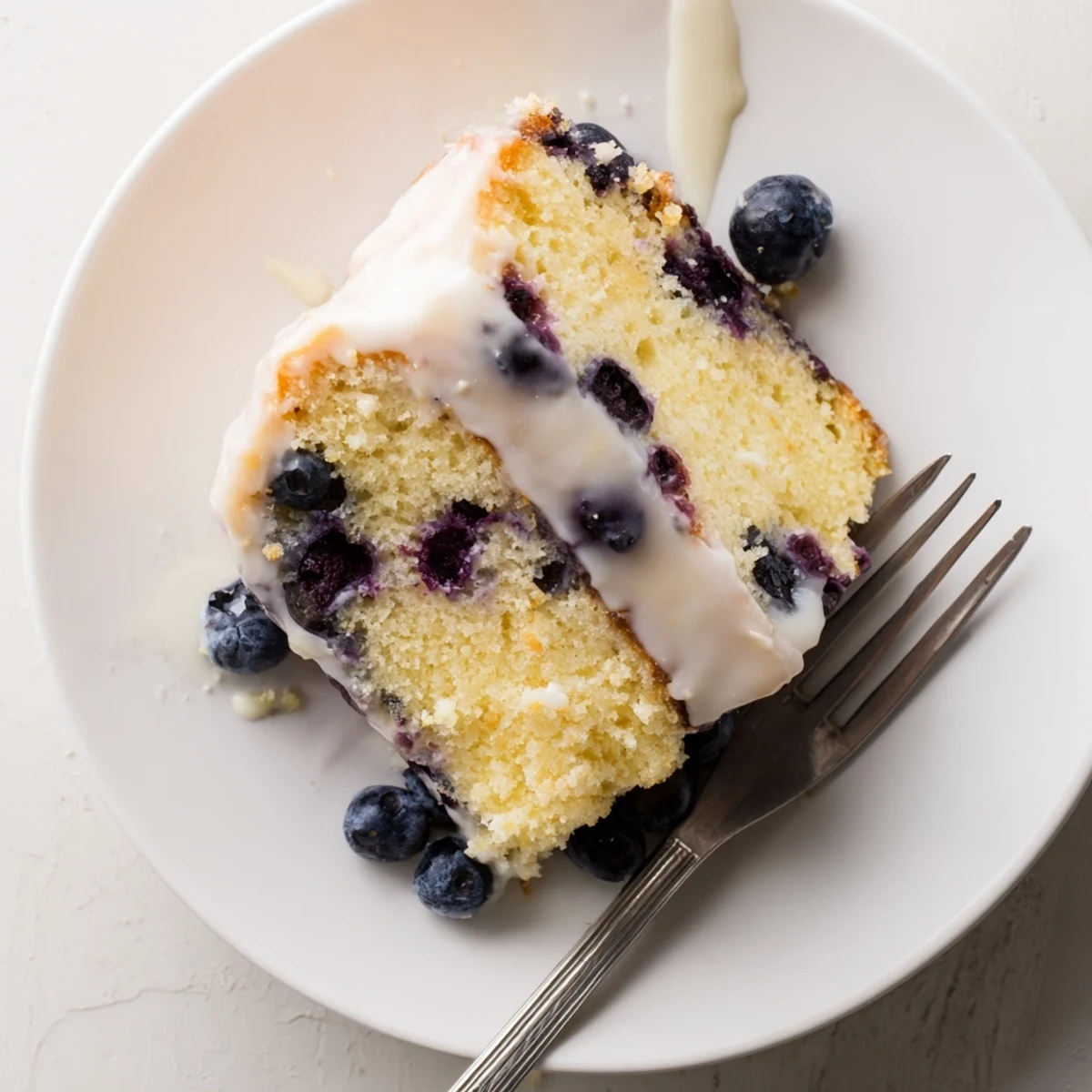
 This tender lemon blueberry cake features a moist crumb infused with fresh lemon zest and juice, loaded with plump blueberries throughout. The cake comes together in just over an hour, making it an ideal choice for weekend baking or special occasions.
A simple powdered sugar and lemon juice glaze adds the perfect sweet-tart finish. Serve this vibrant dessert at brunch, afternoon tea, or as a light summer sweet ending to any meal.
My sister called me at 7am last Tuesday, breathless about a blueberry sale at the market, and by noon my kitchen smelled like a lemon grove in full bloom. This cake has that perfect crumb that makes you pause mid-bite, the kind of texture that comes from yogurt meeting butter in just the right proportions.
Last spring I made three of these cakes in one weekend for a baby shower, a book club meeting, and just because the rainy weather needed brightening up. Everyone kept asking what made the flavor so vibrant, and it really comes down to zest plus juice plus that moment when the blueberries burst against the batter.
Ingredients
- 2 cups all-purpose flour: The foundation that holds everything together, though I once used bread flour in a pinch and it turned out surprisingly dense
- 2 tsp baking powder: This gives the cake its lift, so check your expiration date because old baking powder makes for sad flat cakes
- 1/2 tsp baking soda: Works with the acidic lemon to create those tender little air pockets
- 1/2 tsp salt: Dont skip this, it makes the lemon sing instead of whisper
- 1/2 cup unsalted butter: Softened to room temperature, and I mean truly soft, not just left on the counter for ten minutes
- 1 cup granulated sugar: Cream this with the butter until it looks pale and fluffy, thats where the magic happens
- 2 large eggs: Also at room temperature because cold eggs can seize up the butter
- 1/2 cup plain yogurt: Or sour cream if thats what you have, both add moisture and a subtle tang
- 1/2 cup whole milk: Full fat is worth it here for the crumb structure
- 2 tbsp lemon zest: Grate carefully to avoid the bitter white pith, and zest your lemons before juicing them
- 1/4 cup fresh lemon juice: About two lemons worth, strained to catch any seeds or pulp
- 1 tsp vanilla extract: The supporting actor that makes everything taste rounded and complete
- 1 1/2 cups fresh blueberries: Plus 1 tbsp flour for coating, a trick I learned after all my berries sank to the bottom on my first attempt
- 1 cup powdered sugar: For the glaze, sifted because nobody wants lumpy drizzle
- 2-3 tbsp fresh lemon juice: Add gradually until you reach the perfect pourable consistency
Instructions
- Get your oven ready:
- Preheat to 350°F and prep your pan with butter and flour, or parchment paper if you want to guarantee easy release
- Whisk the dry team:
- Combine flour, baking powder, baking soda, and salt in a medium bowl, doing this now saves you from having to sift later
- cream butter and sugar:
- Beat them together for a full three minutes until the mixture looks pale and fluffy, this step is not optional
- Add the eggs:
- One at a time, beating completely after each one, then mix in the yogurt, zest, juice, and vanilla until everything is incorporated
- Combine wet and dry:
- Add the flour mixture in three parts, alternating with milk in two parts, starting and ending with flour, and stop as soon as you see no more dry streaks
- Prep the berries:
- Toss them with that tablespoon of flour so they dont all sink to the bottom during baking, then fold them in gently
- Bake:
- Pour the batter into your prepared pan, smooth the top, and bake for 38 to 42 minutes until a toothpick comes out clean
- Cool completely:
- Give it 15 minutes in the pan before moving it to a wire rack, patience here prevents the cake from breaking apart
- Make the glaze:
- Whisk powdered sugar with lemon juice until smooth, then drizzle it over the cooled cake and let it set for about 15 minutes
 Save to Pinterest
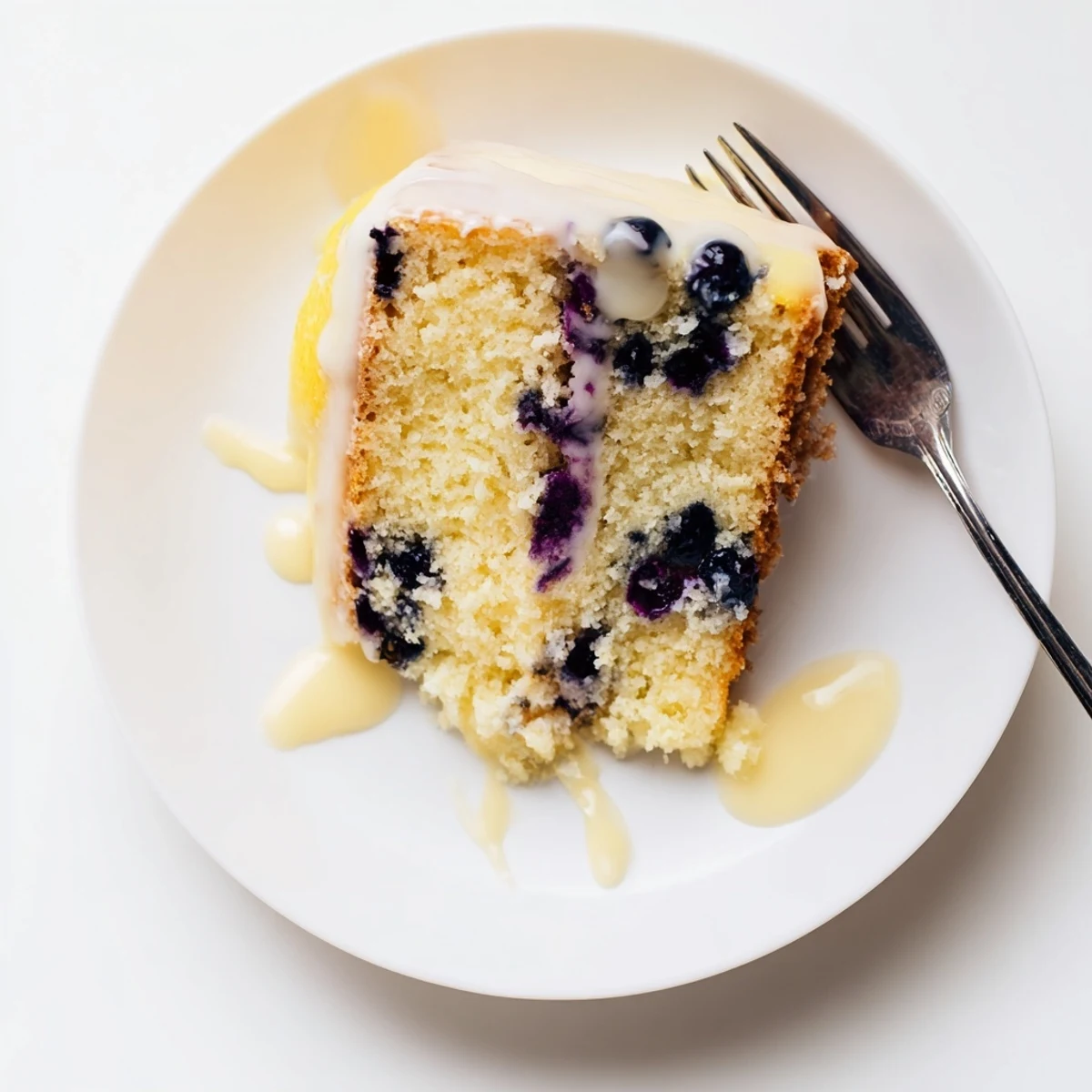
 This cake became a family favorite the summer I made it every Sunday, and now my niece asks for it instead of a birthday cake. The way the glaze seeps into the slightly warm crumb creates these little pockets of sweet tanginess that make people close their eyes when they take the first bite.
Making It Your Own
Ive swapped in raspberries when blueberries were out of season, and once I added poppy seeds to the batter for texture. Theres something about this recipe that welcomes variation while still tasting like itself.
Storage Tips
The cake keeps at room temperature for two days, covered with a dome or plastic wrap. After that, move it to the refrigerator, but bring slices to room temperature before serving for the best texture.
Serving Suggestions
Serve this with afternoon tea, or bring it to a brunch and watch it disappear. A dollop of Greek yogurt on the side adds creaminess if you want to balance the tart lemon.
- Whipped cream makes it more decadent for dessert
- Pair with Earl Grey tea for the perfect afternoon
- Leftovers make an incredible breakfast the next morning
 Save to Pinterest
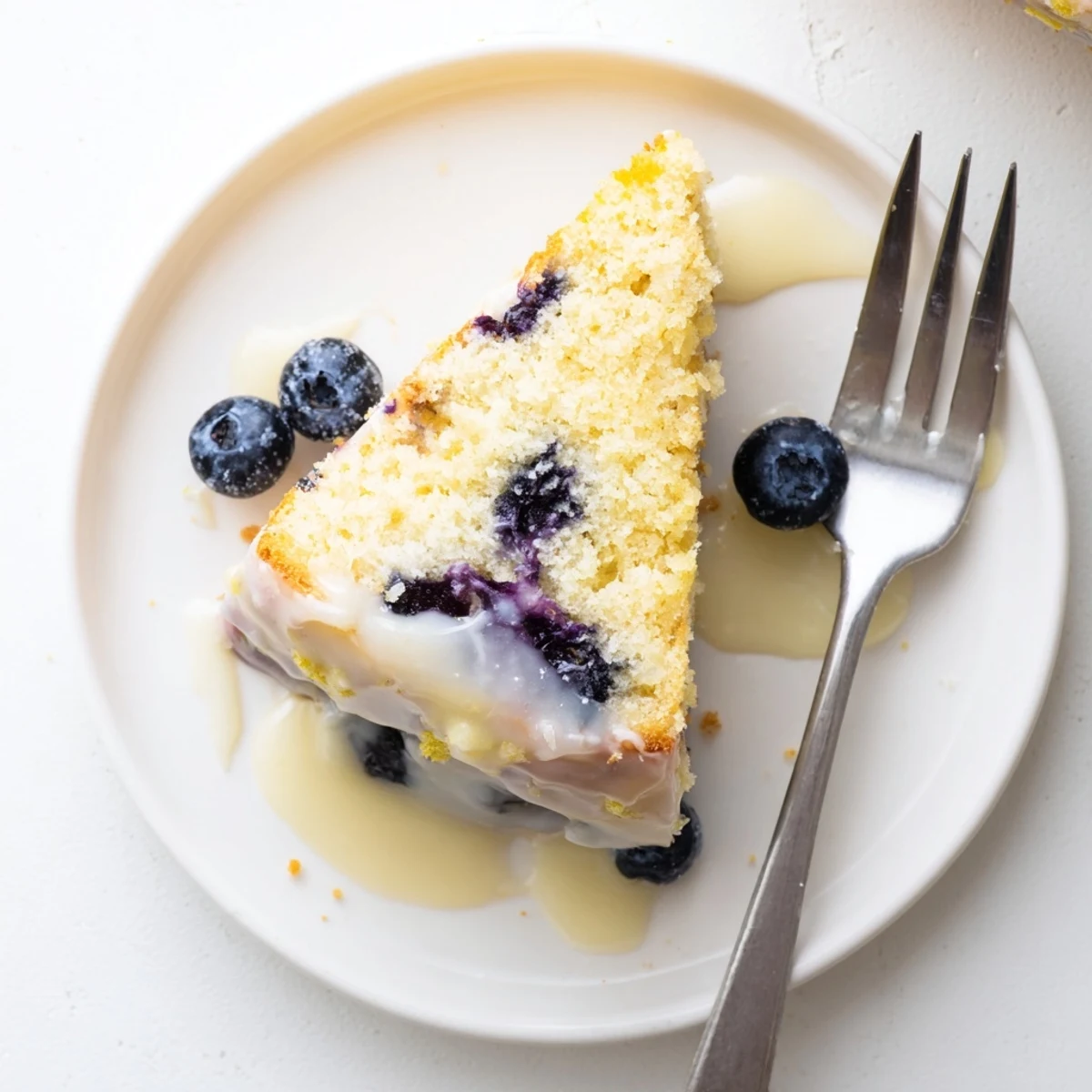
 This cake has a way of making ordinary moments feel special, whether it is a Tuesday morning coffee or a weekend celebration with people you love.
Recipe FAQs
- → Can I use frozen blueberries instead of fresh?
-
Yes, frozen blueberries work well in this cake. Toss them in flour before folding into the batter to prevent sinking. Do not thaw before adding, and expect slightly longer baking time.
- → How should I store this cake?
-
Keep the cake in an airtight container at room temperature for up to 3 days. Refrigerate if storing longer, though the glaze may become slightly sticky. Bring to room temperature before serving.
- → Can I make this cake ahead of time?
-
Absolutely. Bake the cake a day in advance and store it unfrosted. Add the lemon glaze shortly before serving for the freshest appearance and texture.
- → What can I substitute for yogurt or sour cream?
-
Greek yogurt, crème fraîche, or buttermilk all work beautifully. Each adds a slightly different tanginess and moisture level to the crumb.
- → Why do I toss blueberries in flour?
-
Coating berries in flour prevents them from sinking to the bottom during baking. This simple step ensures even distribution throughout every slice.