
 Save to Pinterest
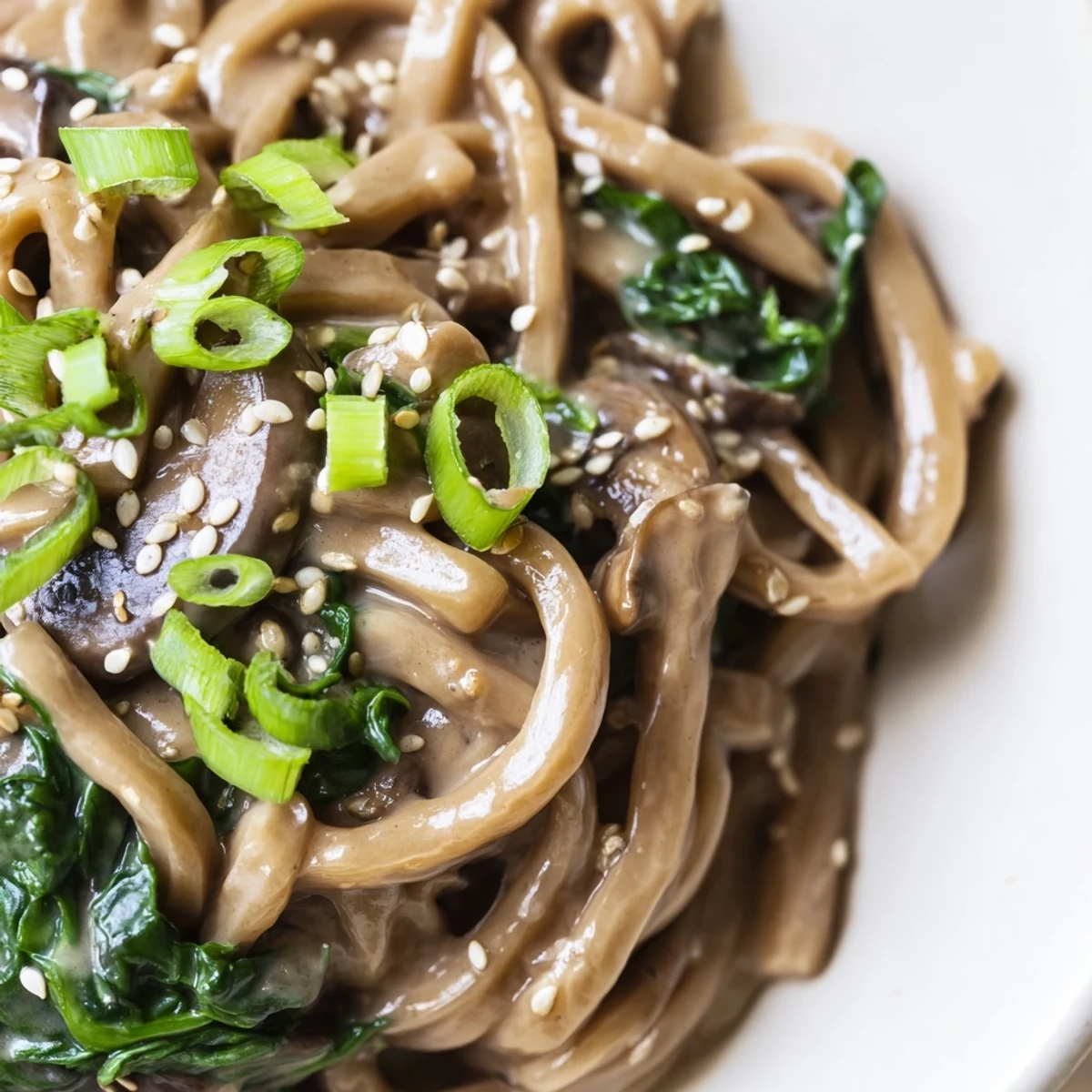
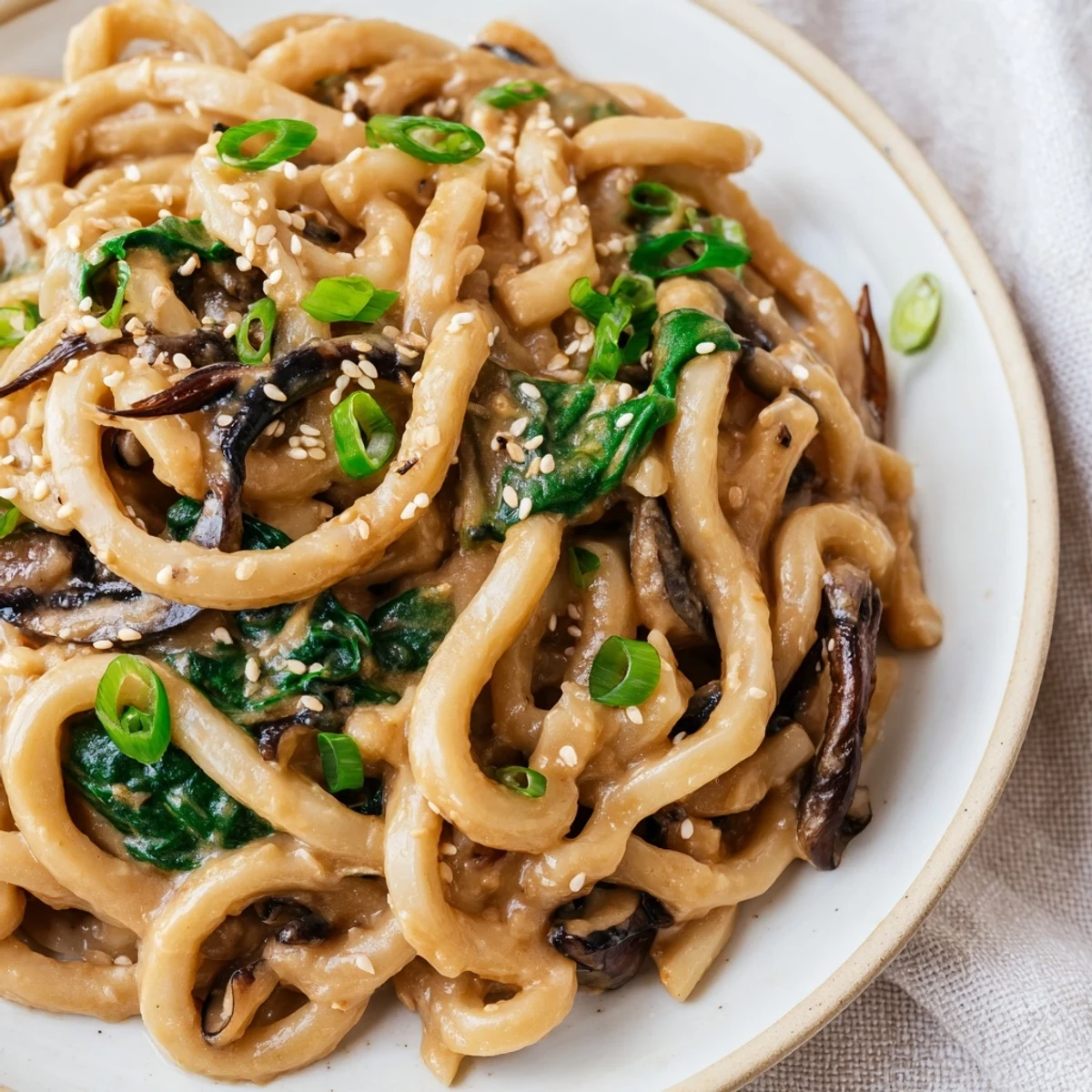
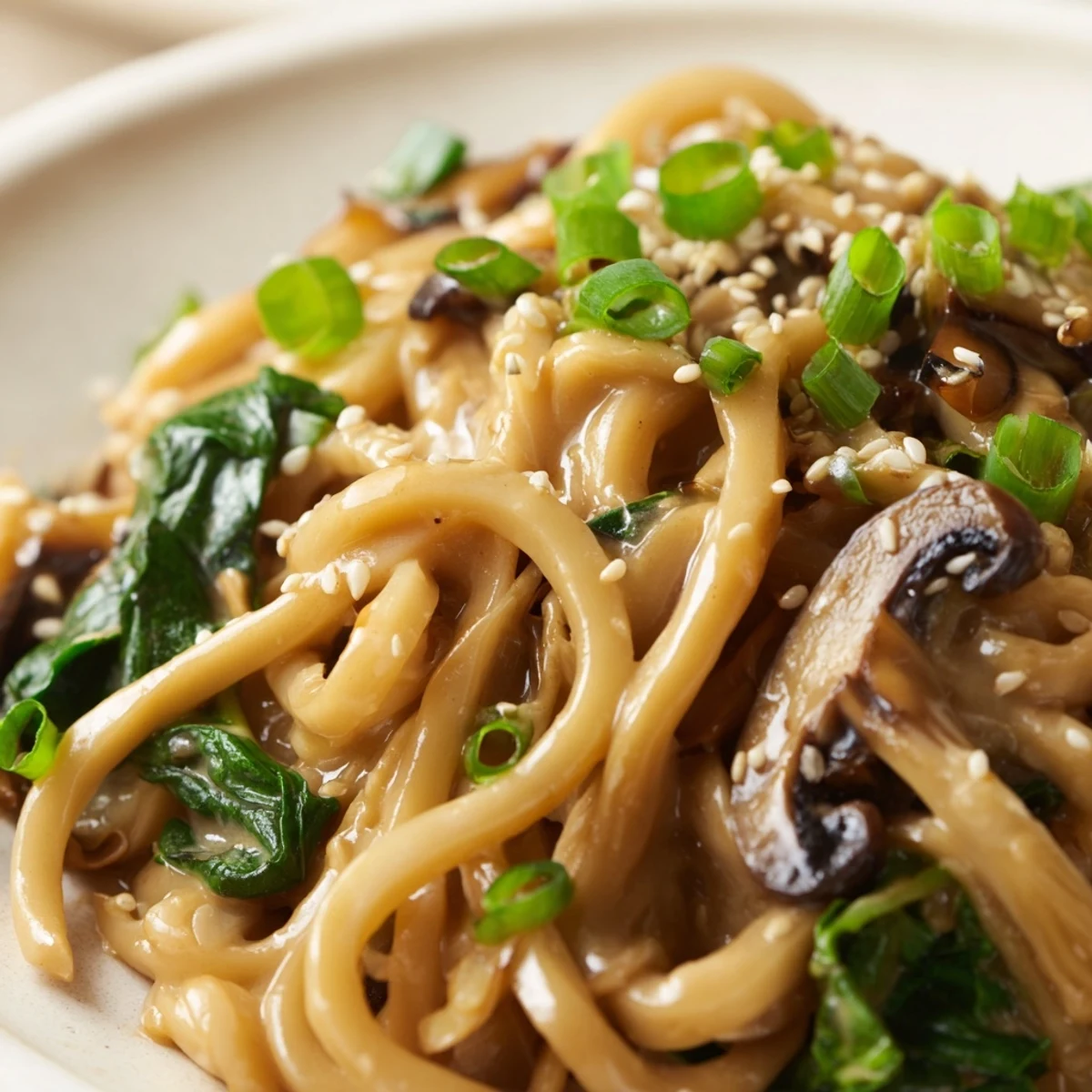
 This comforting Japanese-inspired dish features thick, chewy udon noodles tossed in a luxurious miso cream sauce. The combination of white miso paste, heavy cream, and soy sauce creates an incredibly savory and velvety coating that clings perfectly to every strand. Shiitake mushrooms add meaty texture, while baby spinach brings fresh color and nutrients to the bowl.
Ready in just 25 minutes, this versatile noodle bowl works beautifully as a quick weeknight dinner or satisfying lunch. The sauce comes together easily—just whisk the miso with cream, soy sauce, sesame oil, ginger, and garlic until smooth, then simmer until slightly thickened. Toss in the cooked noodles and spinach, and dinner is served.
Top with sliced green onions, toasted sesame seeds, and chili flakes for extra flavor and crunch. This dish naturally accommodates various dietary preferences—simply swap heavy cream for plant-based alternatives to make it vegan, or use tamari and gluten-free noodles for a gluten-free version.
The first time I made this on a rainy Tuesday, something magical happened in the kitchen. The miso and cream came together into this golden, silky sauce that clung perfectly to every thick udon strand. Now it is the recipe I text to friends who say they are too tired to cook but want something extraordinary.
Last winter my neighbor smelled the ginger and garlic wafting through the hallway and actually knocked on my door to ask what I was making. We ended up eating bowls of this steaming noodles while standing in my kitchen, and she left with the recipe scribbled on a post it note.
Ingredients
- Fresh or frozen udon noodles: These thick chewy noodles are what make the dish so satisfying and hold onto the sauce beautifully
- Neutral oil: A high heat oil like canola or sunflower lets the vegetables shine without overpowering them
- Small onion thinly sliced: The onion becomes sweet and tender as it cooks building a flavorful foundation
- Shiitake mushrooms sliced: These add meaty texture and deep umami that complements the miso perfectly
- Baby spinach leaves: Fresh spinach wilts into the hot sauce adding color and a burst of green
- White miso paste: The fermented soybean paste brings salty savory depth that makes the sauce addictive
- Soy sauce: A splash enhances the miso and adds another layer of savory richness
- Sesame oil: Just a teaspoon adds a wonderful nutty aroma that rounds out the flavors
- Grated ginger: Fresh ginger provides a gentle warmth and bright zing that cuts through the cream
- Garlic minced: One clove is enough to perfume the sauce without overwhelming the other ingredients
- Heavy cream or plant based cream: This creates the luscious velvety texture that makes the sauce coat every noodle
- Water: A splash helps thin the sauce to the perfect consistency without diluting the flavor
- Sliced green onions: Fresh onion tops add a crisp bite and pop of color as a garnish
- Toasted sesame seeds: These little seeds add crunch and an extra nutty finish on top
- Chili flakes optional: A pinch brings gentle heat for those who like a little spice in their life
Instructions
- Cook the noodles to perfection:
- Boil the udon according to package directions until they are tender with a slight chew then drain them well
- Build your flavor base:
- Warm the oil in a large skillet over medium heat and cook the sliced onions for two minutes until they start to soften
- Add the mushrooms:
- Toss in the shiitake slices and sauté them for three to four minutes until they are golden and tender
- Wake up the aromatics:
- Stir in the minced garlic and grated ginger cooking for just one minute until the kitchen fills with their fragrance
- Whisk up the sauce:
- Combine the miso soy sauce sesame oil cream and water in a bowl whisking until completely smooth and creamy
- Bring it all together:
- Pour the sauce into the skillet and let it bubble gently for two to three minutes while stirring constantly
- Unite everything:
- Add the cooked noodles and spinach tossing until the sauce coats every strand and the spinach wilts into the dish
- Make it yours:
- Taste a noodle and adjust the seasoning if needed then serve immediately with your favorite toppings
 Save to Pinterest
 This recipe became my go to after discovering how well miso pairs with cream. It was an accidental combination that has since saved many weeknight dinners from being boring or takeout.
Making It Your Own
The beauty of this dish lies in its adaptability. I have swapped mushrooms for bell peppers added crispy tofu or thrown in snow peas when that was all I had in the freezer. Each variation brings something new while keeping that soul warming essence intact.
Pairing Possibilities
A simple cucumber salad with rice vinegar cuts through the richness beautifully. If you want something warm try miso soup on the side or steamed broccoli dressed with sesame oil. The noodles are substantial enough to stand alone but never complain about fresh company.
Storage And Reheating
The sauce thickens as it sits which actually makes the leftovers even better the next day. Store any extra in an airtight container in the refrigerator for up to three days. When reheating add a splash of water or cream and warm gently over low heat stirring often to bring back that luscious texture.
- The noodles will absorb more sauce overnight so do not worry if it looks thicker
- Reheat on the stove not in the microwave for the best texture
- Top with fresh garnishes after reheating to brighten everything up
 Save to Pinterest
 There is something deeply satisfying about slurping these creamy noodles knowing you made something this delicious in less time than it takes to decide on takeout. Enjoy every bowl.
Recipe FAQs
- → What does miso cream sauce taste like?
-
The miso cream sauce delivers a rich, savory flavor with deep umami notes from the fermented miso paste. The cream mellows the saltiness and creates a velvety, luxurious texture that coats the noodles beautifully. You'll notice subtle hints of sesame oil, ginger, and garlic that add aromatic depth without overpowering the dish.
- → Can I make this dish vegan?
-
Absolutely. Substitute the heavy cream with your favorite plant-based cream alternative—coconut cream, cashew cream, or oat cream work well. Ensure your udon noodles are egg-free, as some fresh varieties contain egg. The result remains creamy and satisfying while being completely plant-based.
- → What vegetables can I add to miso udon?
-
Shiitake mushrooms provide excellent umami flavor and meaty texture, but you can also use cremini or button mushrooms. Baby bok choy, snow peas, shredded carrots, or bell peppers work beautifully. For greens, try Swiss chard, kale, or bok choy leaves instead of spinach. The key is to add vegetables that cook quickly and maintain some crunch.
- → How do I prevent the sauce from separating?
-
Whisk the miso paste thoroughly with the liquid ingredients before adding to the skillet to ensure it's fully dissolved. Keep the heat at medium-low once the sauce is added—high heat can cause dairy cream to separate. Stir frequently while simmering, and avoid boiling vigorously. The sauce should gently bubble while thickening.
- → Can I use different types of noodles?
-
While thick udon noodles are traditional and provide the best texture for this rich sauce, you can substitute with other noodles. Soba noodles, ramen, or even fettuccine work in a pinch. Adjust cooking time according to package instructions, as different noodles have varying cook times. The key is choosing noodles that can hold up to the creamy sauce.
- → How long does miso udon keep in the refrigerator?
-
Store leftover miso udon in an airtight container in the refrigerator for up to 2-3 days. The noodles will absorb some of the sauce as they sit, so you may want to add a splash of water or cream when reheating. Reheat gently in a skillet over medium-low heat, stirring occasionally, until warmed through. The texture remains best when eaten fresh, but leftovers still make a satisfying lunch.