
 Save to Pinterest
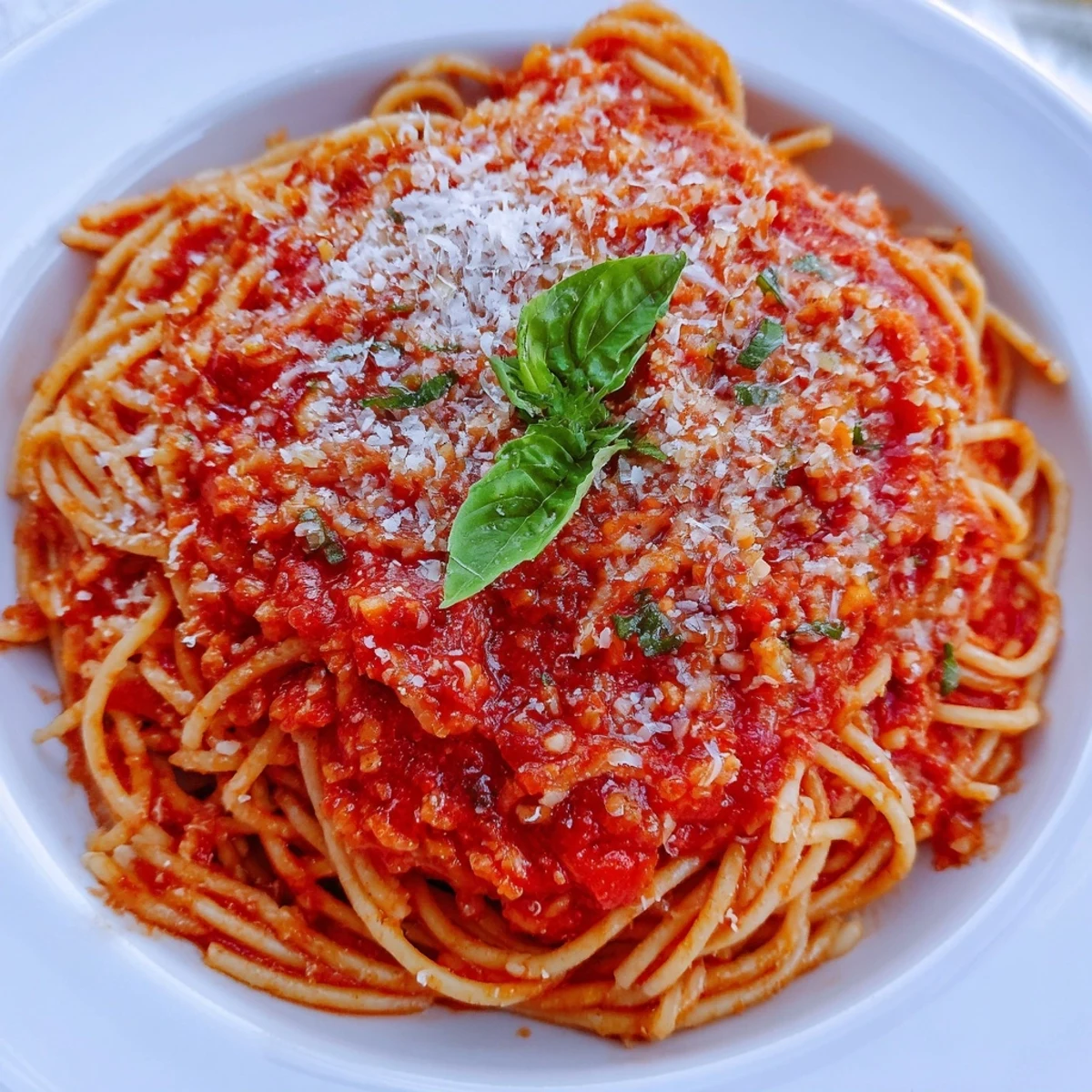
 This classic Italian dish features tender pasta noodles coated in a vibrant tomato sauce. The sauce starts with aromatic onions and garlic sautéed in olive oil, then simmers with crushed tomatoes, dried oregano, and basil for deeply layered flavor. Ready in just 30 minutes, this vegetarian main serves four generously and pairs beautifully with a crisp green salad and crusty bread.
The sound of a wooden spoon scraping against a well worn skillet is one of those small kitchen noises that instantly makes a house feel like home, and nothing amplifies that feeling quite like a simmering pot of tomato sauce on a Tuesday evening when the rain is tapping against the window.
My neighbor Marco once knocked on my door holding a bag of homegrown tomatoes and a bottle of cheap red wine, declaring that any fool could make decent pasta if they just respected the garlic, and he was absolutely right.
Ingredients
- Dried pasta (400 g): Spaghetti is the classic choice here, but penne or rigatoni catch the sauce beautifully in their ridges and hollows.
- Olive oil (2 tbsp): Use a decent quality oil since it forms the flavorful backbone of your entire sauce.
- Garlic (2 cloves, minced): Fresh garlic makes a noticeable difference, so skip the jarred version if you can.
- Onion (1 medium, finely chopped): A yellow onion provides a gentle sweetness that balances the acidity of the tomatoes perfectly.
- Canned crushed tomatoes (800 g): San Marzano tomatoes are worth the slight splurge for their naturally sweeter, less acidic flavor.
- Sugar (1 tsp): This tiny amount rounds out any bitterness in the tomatoes without making anything taste sweet.
- Dried oregano (1 tsp): Rub it between your palms before adding to release the essential oils and deepen the flavor.
- Dried basil (1 tsp): A reliable standby when fresh basil is not available, though you will use fresh for finishing.
- Salt and black pepper: Season gradually and taste as you go, because over salted sauce is a difficult mistake to fix.
- Parmesan cheese (30 g, optional): Grate it fresh from a wedge rather than buying the shelf stable powdered kind.
- Fresh basil leaves: Torn by hand at the very end so they release their fragrance without bruising into black spots.
Instructions
- Get the water going:
- Bring a large pot of generously salted water to a rolling boil, then add your pasta and cook until just al dente, tasting a strand a minute before the package says to.
- Build the sauce base:
- While the pasta works, warm olive oil in a large skillet over medium heat, add the chopped onion and cook until it turns soft and translucent, then stir in the garlic for about a minute until your kitchen smells incredible.
- Let it simmer:
- Pour in the crushed tomatoes, sugar, oregano, and basil, season with salt and pepper, then let the sauce bubble gently uncovered for 10 to 12 minutes, stirring now and then so nothing catches on the bottom.
- Marry the pasta and sauce:
- Toss the drained pasta directly into the skillet with the sauce, splashing in a little of that reserved pasta water and stirring vigorously until every strand or tube is glossily coated.
- Finish and serve:
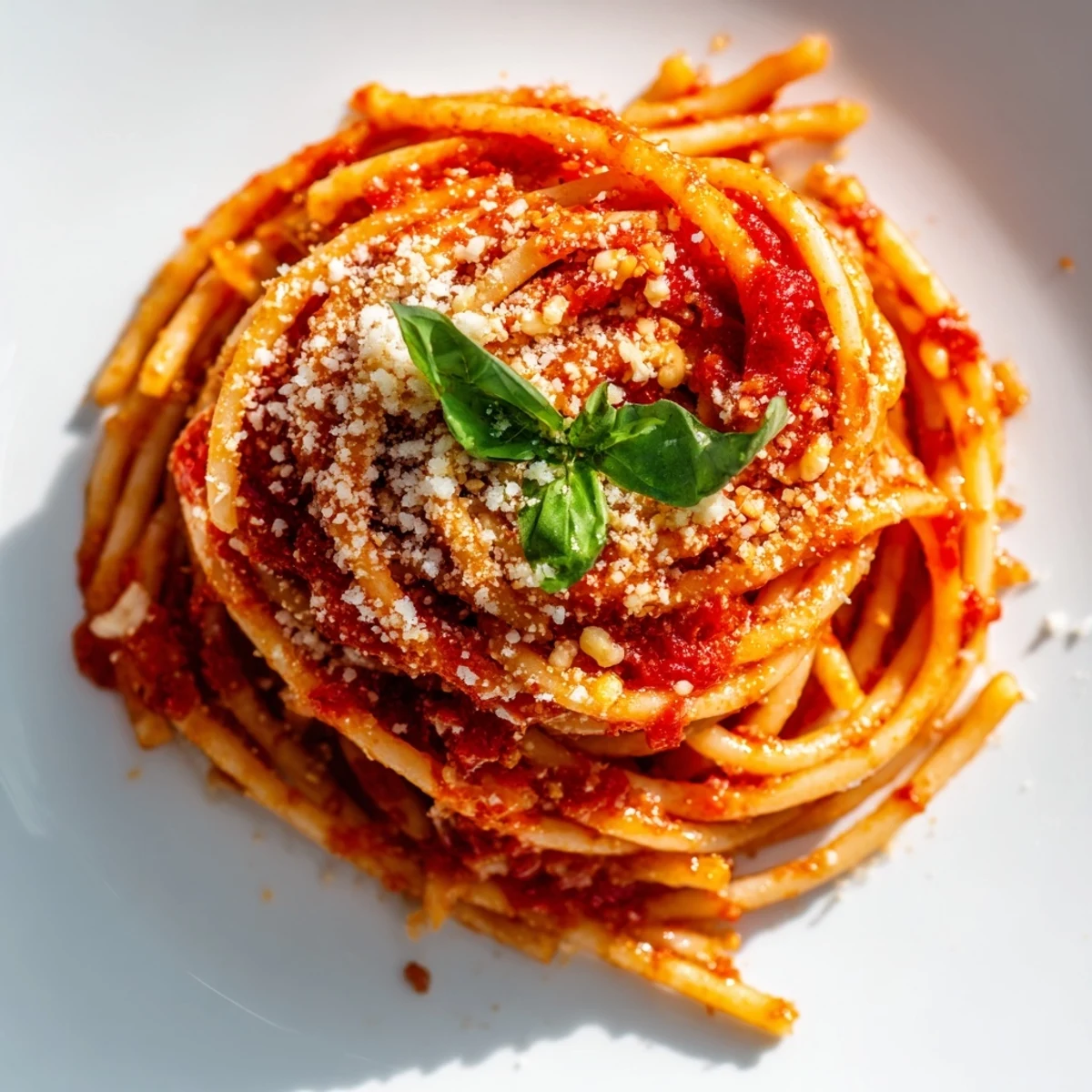
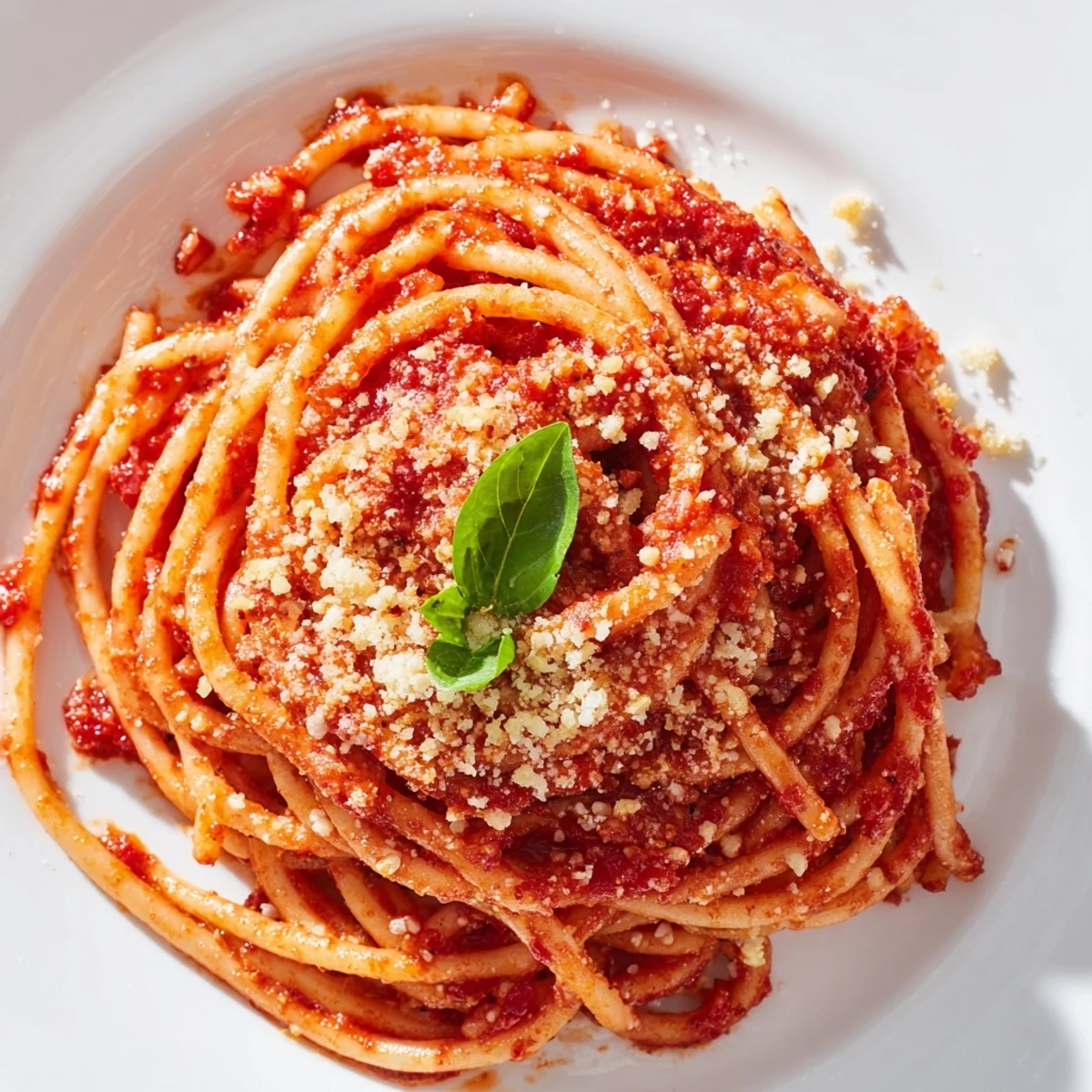
- Plate it hot, shower with freshly grated Parmesan, and scatter torn basil leaves over the top before the cheese has a chance to fully melt.
 Save to Pinterest
 There was a winter when my kitchen had no working oven and I made this exact dish four nights a week, and somehow it never once felt repetitive or boring.
Choosing Your Pasta Shape
Long thin strands like spaghetti are traditional for smooth tomato sauces, but short shapes with texture actually hold up better if you like a heartier bite and more sauce in every mouthful.
Making It Your Own
A pinch of chili flakes stirred into the sauce during simmering adds a gentle warmth that does not overpower but does keep you reaching for another forkful.
What to Serve Alongside
A crisp green salad with a sharp lemon vinaigrette and a glass of Chianti turn this simple plate of pasta into a meal that feels like you put in far more effort than thirty minutes.
- Tear your salad leaves by hand instead of cutting them to prevent browning at the edges.
- Let the wine breathe for a few minutes while the sauce simmers.
- Set the table before you start cooking so everything comes together without a last minute scramble.
 Save to Pinterest
 Some meals are about impressing people, but this one is about feeding them honestly and well, and that is always worth more than any fancy technique.
Recipe FAQs
- → What pasta shapes work best with tomato sauce?
-
Spaghetti, penne, rigatoni, and fusilli all work wonderfully with tomato sauce. The sauce clings nicely to ridged and tubular shapes, while long strands like spaghetti offer a classic Italian experience. Choose whatever shape your family enjoys most.
- → Can I use fresh tomatoes instead of canned?
-
Yes, fresh tomatoes work well when they're in season. Use about 1.5 kg of ripe tomatoes, blanched, peeled, and crushed. You may need to simmer slightly longer to achieve the same consistency as canned crushed tomatoes.
- → Why add sugar to the tomato sauce?
-
A small amount of sugar balances the natural acidity of canned tomatoes, creating a more rounded and pleasant flavor profile. It doesn't make the sauce sweet, just mellows any sharp notes from the tomatoes.
- → How do I store leftovers?
-
Store leftover pasta and sauce in an airtight container in the refrigerator for up to 3-4 days. Reheat gently with a splash of water to loosen the sauce. The pasta will absorb more sauce as it sits, so you may want to reserve extra sauce when serving.
- → Can I make this gluten-free?
-
Simply substitute your favorite gluten-free pasta for the wheat pasta. The sauce itself is naturally gluten-free. Look for pasta made from rice, corn, quinoa, or chickpeas for the best texture and flavor retention.
- → What can I add for extra protein?
-
Stir in white beans like cannellini during the last few minutes of simmering, or top with grilled chicken strips. For a vegetarian boost, add a dollop of ricotta or stir in some sautéed spinach or kale near the end of cooking.