
 Save to Pinterest
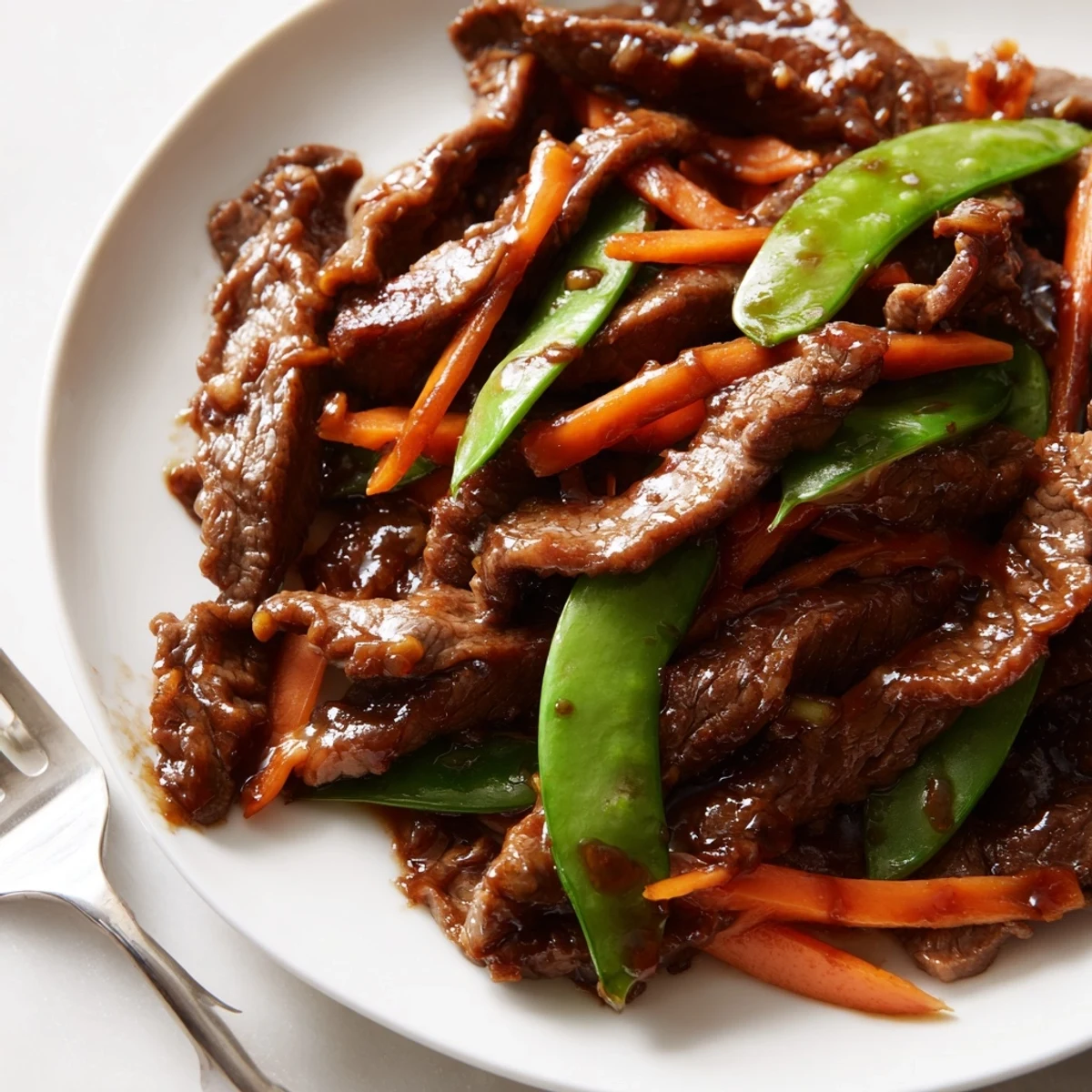
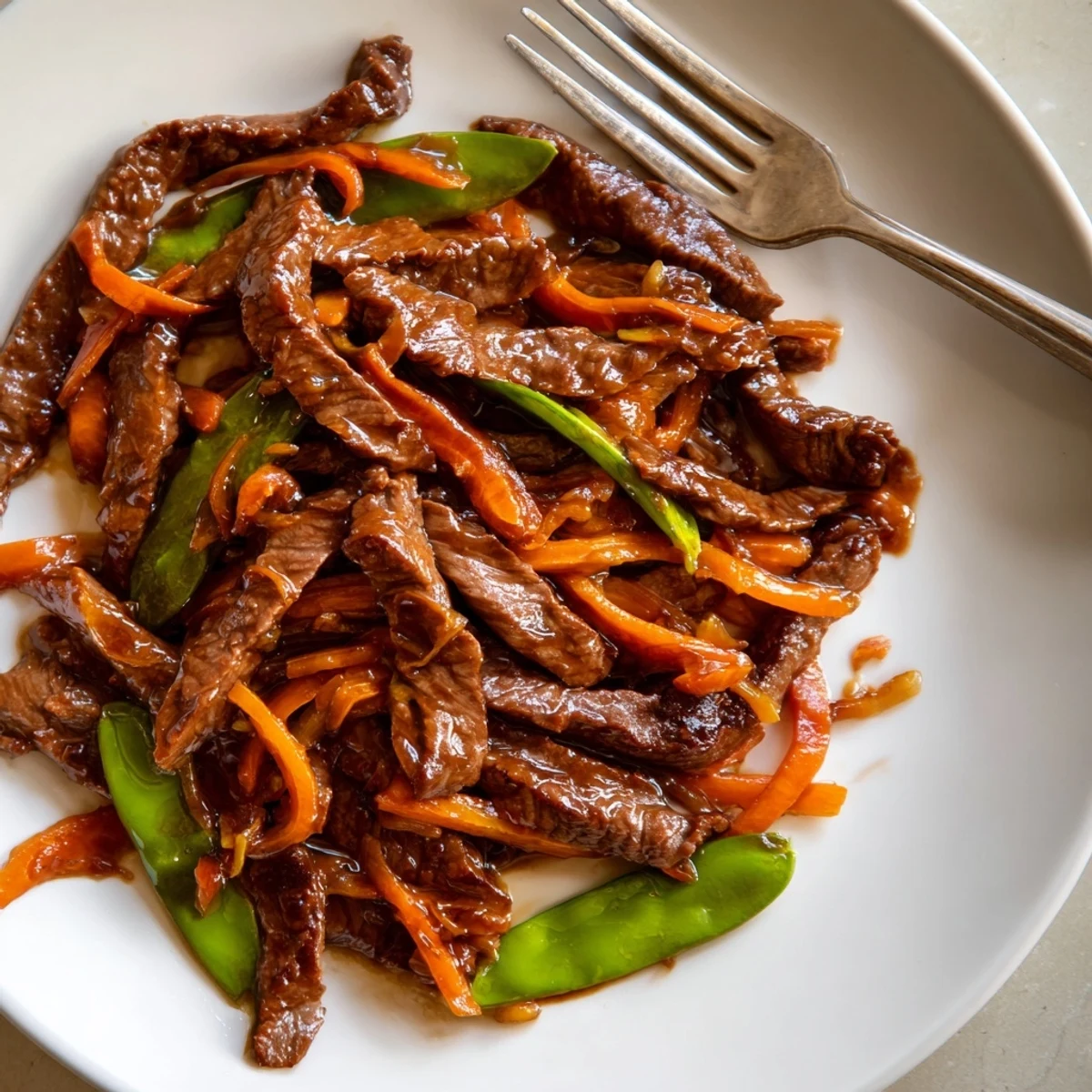
 This dish features thinly sliced beef tossed with crisp snow peas and julienned carrots, cooked quickly in a flavorful sauce blending soy, oyster, and hoisin elements. Marinating the beef with cornstarch ensures a tender texture while stir frying maintains vibrant vegetables. A touch of garlic, ginger, and sesame oil rounds out the savory profile. Perfect for quick, satisfying meals, it pairs wonderfully with steamed rice or noodles.
There's something magnetic about the sizzle of a hot wok that pulls everyone into the kitchen. My first real stir fry happened on a Tuesday night when I was supposed to be making something simple but ended up with beef that cooked faster than I expected, vegetables that stayed impossibly crisp, and a sauce that tasted like restaurant magic. That's when I learned that stir fry isn't about complexity—it's about timing, heat, and knowing exactly when to move.
I made this for my partner on a night when we were both tired and hungry, and watching their face light up when that sauce hit the hot pan reminded me why I love cooking. The smell alone—garlic, ginger, sesame oil mingling with caramelizing beef—filled the whole apartment, and suddenly we weren't just eating dinner, we were having a moment.
Ingredients
- Flank steak or sirloin, thinly sliced (450 g): Slicing against the grain is the secret that makes tough cuts tender; I learned this by making the opposite mistake first, and it absolutely matters.
- Snow peas (150 g): These stay crisp if you don't cook them too long, which is why they're worth seeking out instead of regular peas that turn to paste.
- Carrots, julienned (2 medium): The thin cuts mean they cook fast enough to stay sweet and slightly al dente, adding texture and natural sweetness to every bite.
- Soy sauce (2 tbsp, split between marinade and sauce): Using it in two places builds layers of umami flavor that make you want another bite.
- Oyster sauce (1 tbsp): This is the ingredient that tastes nothing like oysters but everything like depth; it anchors the whole sauce without overpowering it.
- Hoisin sauce (1 tbsp): A touch of hoisin adds that subtle sweetness that makes you pause and wonder what that flavor is.
- Rice vinegar (1 tbsp): The acidity cuts through the richness and brightens everything, which is why it can't be skipped.
- Sesame oil (2 tsp): Just a little goes a long way; this is where the toasty, nutty aroma comes from that makes people ask what smells so good.
- Garlic and ginger (2 cloves and 1 tsp): These are the flavor foundation, and using fresh instead of jarred changes the entire taste profile.
- Cornstarch (1 tbsp): This creates a tender texture in the beef and thickens the sauce perfectly, but it only works if you let it sit in the marinade.
- Sugar (2 tsp): A tiny amount balances the savory and salty notes so nothing feels one-dimensional.
- Vegetable oil for cooking (2 tbsp): High heat is essential, and a neutral oil that can handle it without smoking matters more than you'd think.
Instructions
- Marinate the beef:
- Toss your sliced beef with 1 tablespoon soy sauce and the cornstarch, making sure every piece gets coated. Let it sit for 10 minutes—this isn't wasted time, it's when the cornstarch starts working its magic to tenderize the meat.
- Build the sauce:
- Whisk together the remaining soy sauce, oyster sauce, hoisin, rice vinegar, sesame oil, sugar, minced garlic, grated ginger, pepper, and water in a small bowl. I always taste this before the wok even gets hot because this is your flavor moment; if something feels off, now is when you fix it.
- Sear the beef:
- Heat 1 tablespoon oil in your wok or large skillet over high heat until it shimmers, then add the marinated beef and don't touch it for the first minute—let it get a golden crust. Stir fry for 2–3 minutes total until the outside is browned but the inside is still pink, then move it to a plate.
- Cook the vegetables:
- Add the remaining oil to the hot wok, then toss in your carrots and stir fry for 2 minutes until they start to soften slightly. Add the snow peas and keep moving them around for another 1–2 minutes until they're bright green and just tender, not limp.
- Bring it all together:
- Return the beef to the wok, pour in your sauce, and toss everything quickly for 1–2 minutes until the sauce thickens into a glossy coat that clings to the beef and vegetables. This is when the kitchen smells absolutely incredible.
- Finish and serve:
- Remove from heat, top with sliced scallions if you have them, and serve over steamed rice or noodles immediately while everything is still hot.
 Save to Pinterest
 The beauty of stir fry is that it turned me into someone who could cook something impressive on a busy weeknight and actually believe it was easy. It taught me that speed and skill feel the same to someone eating the results.
Why High Heat Changes Everything
The first time I made stir fry on medium heat, I wondered why the beef turned gray and the vegetables released all their water, making the whole dish soggy and sad. Once I cranked the heat up, the same ingredients transformed into something with texture and life. High heat seals the beef, caramelizes the carrots' edges, and keeps the snow peas snappy—it's the one non-negotiable detail that separates good stir fry from great stir fry.
Making This Your Own
Stir fry is forgiving once you understand the method, which means you can swap vegetables based on what looks good at the market or what's hiding in your crisper drawer. Bell peppers, broccoli, snap peas, or even mushrooms work beautifully following the same timing principle—firmer vegetables first, delicate ones later. The sauce is also flexible; if you like things spicier, a drizzle of chili oil or a pinch of red pepper flakes goes in at the very end, just before serving.
Serving Suggestions and Timing
Jasmine rice is the classic pairing, but soba noodles add an elegant touch, and brown rice makes it heartier if that's what your mood calls for. The stir fry only stays perfect for about 5 minutes after it leaves the heat, so have your rice or noodles ready and waiting. This is actually one of those meals where cooking everything in the right order matters more than cooking perfectly—done and warm beats slow and cold every single time.
- Cook your rice or noodles first so they're ready the moment the stir fry is done.
- Slice your beef against the grain, which you can practice on your cutting board before you even heat the wok.
- Keep all ingredients within arm's reach so you're never hunting for something while your pan is screaming hot.
 Save to Pinterest
 This stir fry became my answer to the 'what's for dinner' question when I was out of energy but hungry for something real. It proved that quick cooking doesn't mean short on flavor or satisfaction.
Recipe FAQs
- → What cut of beef works best for this stir fry?
-
Flank steak or sirloin thinly sliced against the grain provides tenderness and quick cooking suitable for stir frying.
- → Can vegetables be substituted or added?
-
Yes, sugar snap peas or sliced bell peppers can be swapped in or added to enhance variety and color.
- → How can I make the sauce thicker?
-
The cornstarch in the marinade and sauce helps thicken it quickly during cooking, creating a glossy coating.
- → What oils are best for stir frying?
-
Vegetable oils like canola or peanut oil are ideal due to their high smoke points and neutral flavors.
- → Is it possible to adjust the heat level?
-
Yes, adding crushed red pepper flakes or a drizzle of chili oil can easily enhance the spiciness.