
 Save to Pinterest
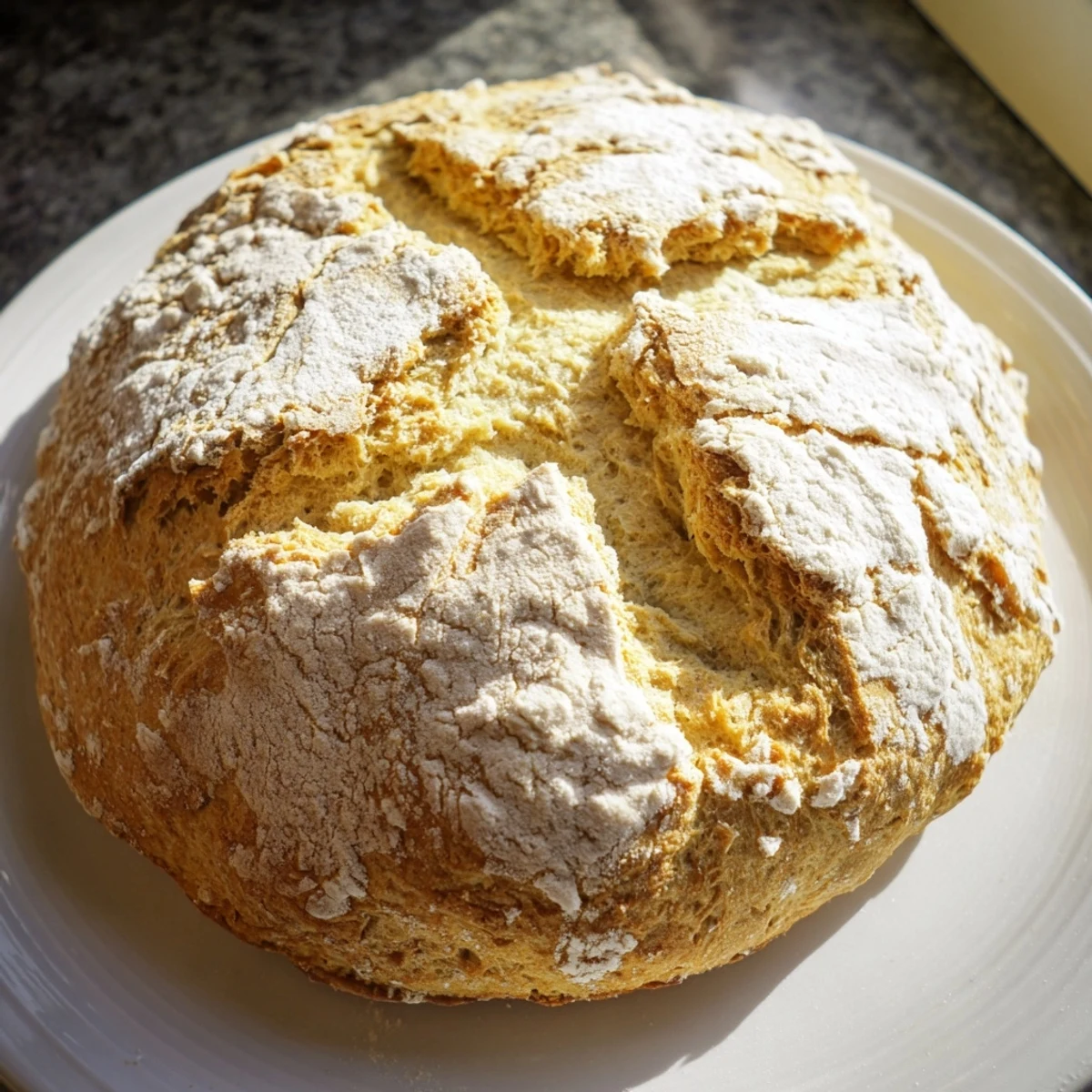
 This loaf offers a hearty and genuine Irish bread experience with minimal ingredients. Mixing flour, baking soda, salt, and buttermilk creates a tender interior and golden crust. The dough is easily prepared and baked within 45 minutes, making it perfect for breakfast or pairing with stews. Gentle kneading and a cross cut on top ensure optimal texture and baking results. Variations include whole wheat flour substitution or homemade buttermilk alternatives, enhancing flavor and versatility.
My grandmother never measured anything when she made soda bread, she just knew by feel when the dough was right. I watched her hands work the shaggy mixture countless times, but it took me years of failed attempts to understand what she meant by 'tender to the touch.' Now this four-ingredient wonder is my go-to when unexpected guests show up or I need bread in under an hour.
Last winter during a terrible storm, we lost power for three days. I mixed this bread by candlelight, and somehow the loaves turned out better than any I had made before. My kids still talk about how we ate warm soda bread with jam by the fireplace, making the whole ordeal feel almost magical.
Ingredients
- 4 cups all-purpose flour: The foundation of the bread, but I always aerate it first with a whisk to prevent dense spots
- 1 teaspoon baking soda: This is your leavening agent, so make sure its fresh and not expired
- 1 teaspoon fine sea salt: Coarse salt works too, but fine salt distributes more evenly throughout the crumb
- 1 3/4 cups buttermilk: The acidity activates the baking soda, but if you only have regular milk, add a tablespoon of vinegar
Instructions
- Preheat your workspace:
- Get your oven to 425°F and line a baking sheet with parchment paper so nothing sticks
- Whisk the dry ingredients:
- Combine the flour, baking soda, and salt in a large bowl, making sure theyre evenly distributed
- Make the well:
- Create a hollow center in your flour mixture and pour in all the buttermilk at once
- Gentle mixing only:
- Stir with a wooden spoon just until a shaggy dough forms, resisting the urge to make it smooth
- Light handling:
- Turn the dough onto a floured surface and knead briefly only until it holds together
- Shape the loaf:
- Form it into a round, slightly flattened disc about two inches thick
- Score the top:
- Cut a deep cross in the dough, about halfway down, to help it bake evenly
- Bake until golden:
- Pop it in the oven for 30 to 35 minutes until it sounds hollow when tapped underneath
- Patience is key:
- Let it cool on a wire rack for at least 30 minutes before slicing into it
 Save to Pinterest
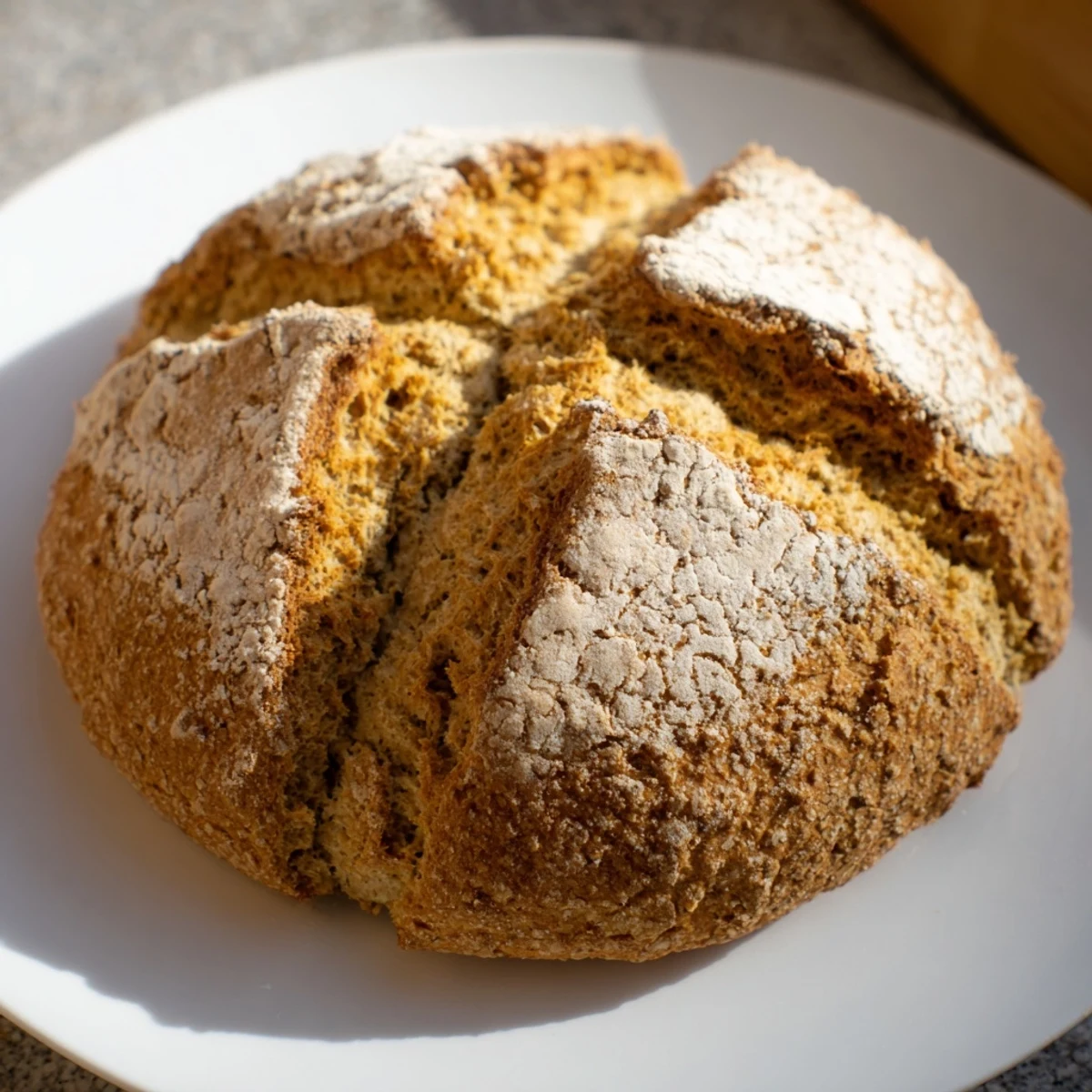
 My friend Sarah who claims she cant bake anything made this on her first try and sent me a photo at midnight looking absolutely triumphant. Thats the thing about soda bread, it rewards courage over perfection.
Getting the Texture Right
The dough should feel sticky and slightly shaggy, not smooth like bread dough. If it feels too dry to come together, add another tablespoon of buttermilk. If its impossibly sticky, sprinkle a little more flour. Youre looking for that sweet spot where it just holds together without being tough.
Making It Your Own
Once you have the basic recipe down, try mixing in a cup of raisins and caraway seeds for a traditional spotted dog variation. I also love adding shredded cheddar and fresh herbs when I want something more savory for dinner. The key is keeping the mix-ins to about one cup total so the bread still bakes properly.
Serving Suggestions That Work
Fresh from the oven with salted butter melting into every warm crevice is hard to beat, but this bread keeps remarkably well. Wrap leftovers in a clean kitchen towel rather than plastic, and it stays fresh for days. Day-old bread makes exceptional toast, and slightly older slices transform into the best bread pudding you have ever tasted.
- Slather with salted butter while still warm for maximum comfort
- Serve alongside hearty soups and stews to soak up every drop
- Leftovers make excellent French toast the next morning
 Save to Pinterest
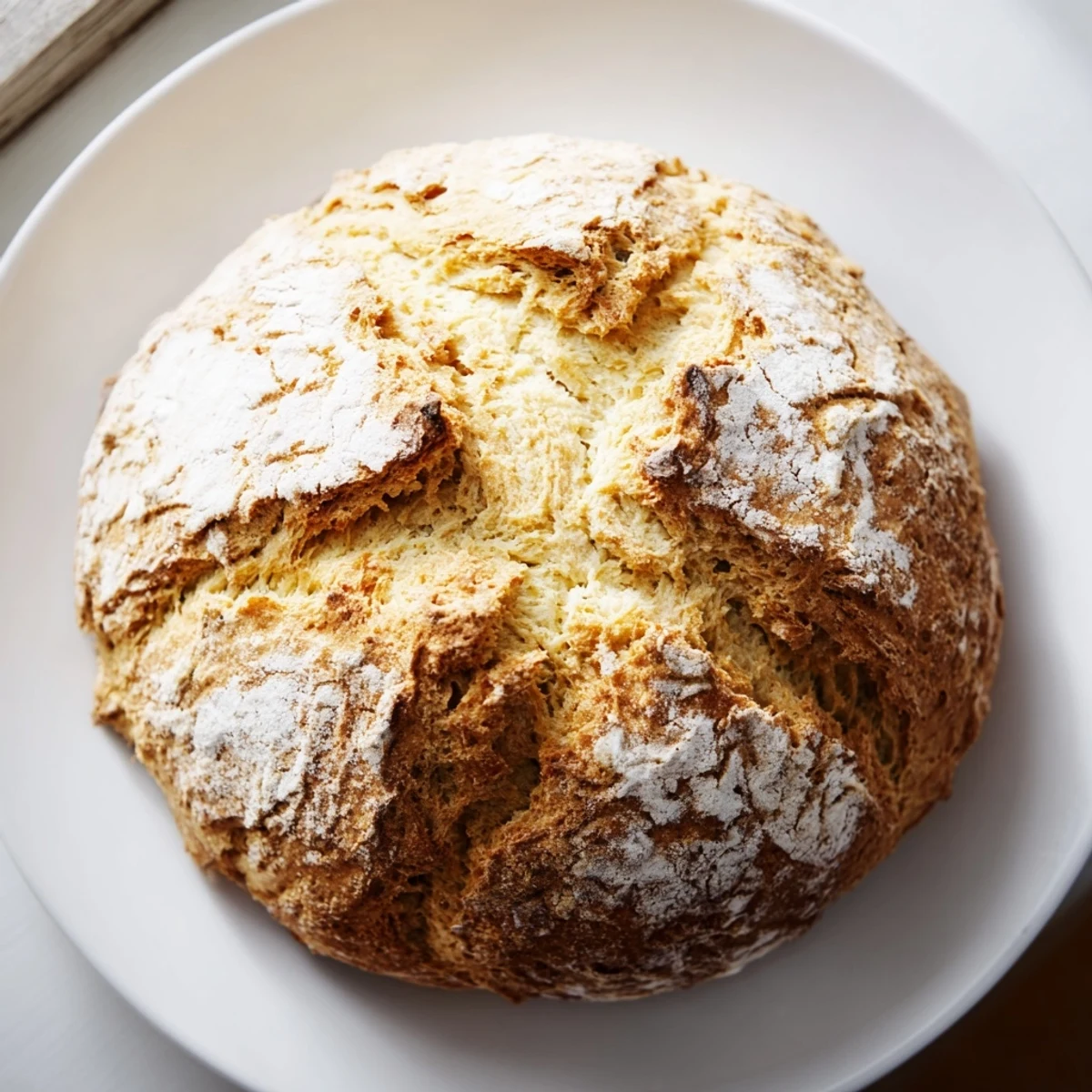
 Theres something profoundly satisfying about turning four humble ingredients into something so nourishing and delicious. This bread has been feeding Irish families for generations, and I love that Im now part of that continuing story.
Recipe FAQs
- → What makes this bread authentic?
-
Its traditional four-ingredient formula and simple method reflect classic Irish baking practices, emphasizing natural leavening from baking soda and buttermilk.
- → Can I substitute ingredients if needed?
-
Yes, you can replace buttermilk with milk mixed with lemon juice or vinegar. For richer texture, half of the flour may be swapped for whole wheat.
- → Why is a cross cut made on top of the loaf?
-
The deep X slashes the dough’s surface, allowing steam to escape and aiding even rising and crust formation during baking.
- → How do I know when the bread is done baking?
-
The loaf should have a golden crust and produce a hollow sound when tapped on the underside, indicating it is fully baked.
- → What is the best way to serve this bread?
-
Serve warm with salted butter or jam, or alongside stews and soups for a comforting meal.
- → What kitchen tools are necessary?
-
You will need a mixing bowl, wooden spoon, baking sheet, parchment paper (optional), sharp knife, and a wire rack for cooling.