
 Save to Pinterest
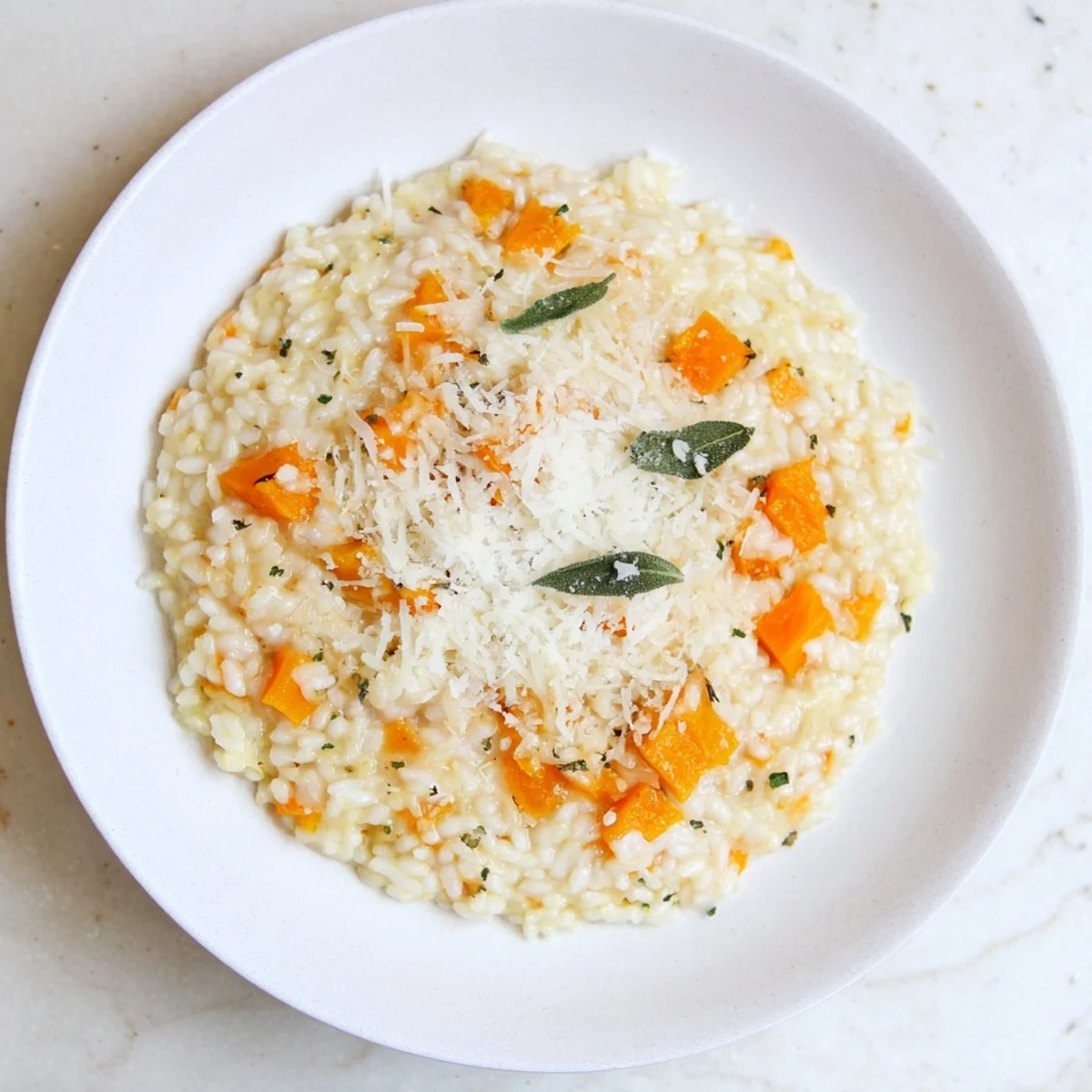
 This hearty Italian dish transforms Arborio rice into a creamy texture through the traditional slow-cooking method. Roasted winter squash adds natural sweetness and velvety body, while fresh sage brings earthy aroma. Parmesan cheese enriches each bite with savory depth.
The process involves roasting diced squash until caramelized, then gradually adding warm stock to toast the rice until al dente. Finishing with butter and aged Parmesan creates that signature luxurious texture that defines authentic risotto.
Perfect as a standalone main course or sophisticated side dish, this vegetarian-friendly offering adapts well to seasonal variations—try pumpkin or kabocha for different flavor profiles.
The first time I made risotto properly, my roommate stood in the doorway watching me stir, utterly convinced Id ruined dinner by adding liquid one ladle at a time. Twenty minutes of constant stirring later, she admitted the texture was unlike anything shed tasted from a restaurant. That evening taught me that risotto rewards patience above all else, transforming simple ingredients into something extraordinary through quiet attention.
Last November, during that first unexpected snowstorm, my friend showed up with a bottle of white wine and quarters of butternut squash from her farmers market haul. We spent the evening taking turns at the stove, laughing when the sage sizzled too aggressively, while the kitchen filled with that unmistakable aroma of autumn. Now every time I smell sage hitting hot butter, Im back in that cozy kitchen, snow piling up outside while we waited for the risotto to finish.
Ingredients
- 1 small winter squash (about 1 lb/450 g): Butternut or acorn squash work beautifully here—the natural sweetness becomes even more pronounced when roasted, creating little caramelized pockets throughout the risotto
- 1 small yellow onion, finely chopped: The foundation of flavor, so take your time cooking it down until translucent rather than rushing to the next step
- 2 cloves garlic, minced: Add these just after the onion so they release their fragrance without burning
- 1 1/2 cups (300 g) Arborio rice: This short-grain rice is essential for risotto because its high starch content creates that signature creamy texture as it releases starch while cooking
- 4 cups (1 liter) vegetable stock, kept warm: Warm stock is crucial—adding cold liquid drops the temperature and shocks the rice, affecting the final texture
- 1/2 cup (120 ml) dry white wine: Pinot Grigio or Sauvignon Blanc add acidity that cuts through the richness
- 3 tbsp (45 g) unsalted butter, divided: One tablespoon for cooking the aromatics, two tablespoons to finish—the final butter creates that velvety restaurant quality
- 1/2 cup (50 g) freshly grated Parmesan cheese: Grate it yourself from a wedge for the best melting properties and flavor
- 2 tbsp fresh sage leaves, finely chopped: Fresh sage carries an earthy, almost piney flavor that dried sage cant replicate in this dish
- 1/2 tsp freshly ground black pepper: Freshly ground makes a noticeable difference here
- 3/4 tsp fine sea salt: Adjust based on how salty your stock is—taste as you go
- 2 tbsp olive oil: Use one tablespoon for roasting the squash and one for sautéing the rice
Instructions
- Roast the squash first:
- Preheat your oven to 400°F (200°C). Toss the diced squash with 1 tablespoon olive oil and a pinch of salt, then spread it on a baking sheet. Roast for 20 to 25 minutes until tender and lightly caramelized at the edges. Set aside while you start the risotto.
- Build the flavor base:
- Heat the remaining 1 tablespoon olive oil and 1 tablespoon butter in a large saucepan or deep skillet over medium heat. Add the chopped onion and cook gently for about 3 minutes until it turns translucent and soft. Add the garlic and chopped sage, cooking for just 1 minute more until fragrant but not browned.
- Toast the rice:
- Stir in the Arborio rice and cook for 1 to 2 minutes, stirring constantly. You want the grains to look slightly translucent at the edges and coated with the aromatic fat.
- Deglaze with wine:
- Pour in the white wine and stir until its mostly absorbed, about 1 minute. This step deglazes the pan and adds a bright acidity that balances the final rich dish.
- Add stock gradually:
- Begin adding the warm vegetable stock one ladleful at a time, stirring frequently. Wait until most of the liquid is absorbed before adding more. Continue this process for 18 to 20 minutes—the rice should be creamy but still have a slight bite at the center.
- Finish with flair:
- Gently fold in the roasted squash, remaining 2 tablespoons butter, and grated Parmesan. Taste and adjust the salt and pepper. Cook for 2 more minutes, then remove from heat and serve immediately.
 Save to Pinterest
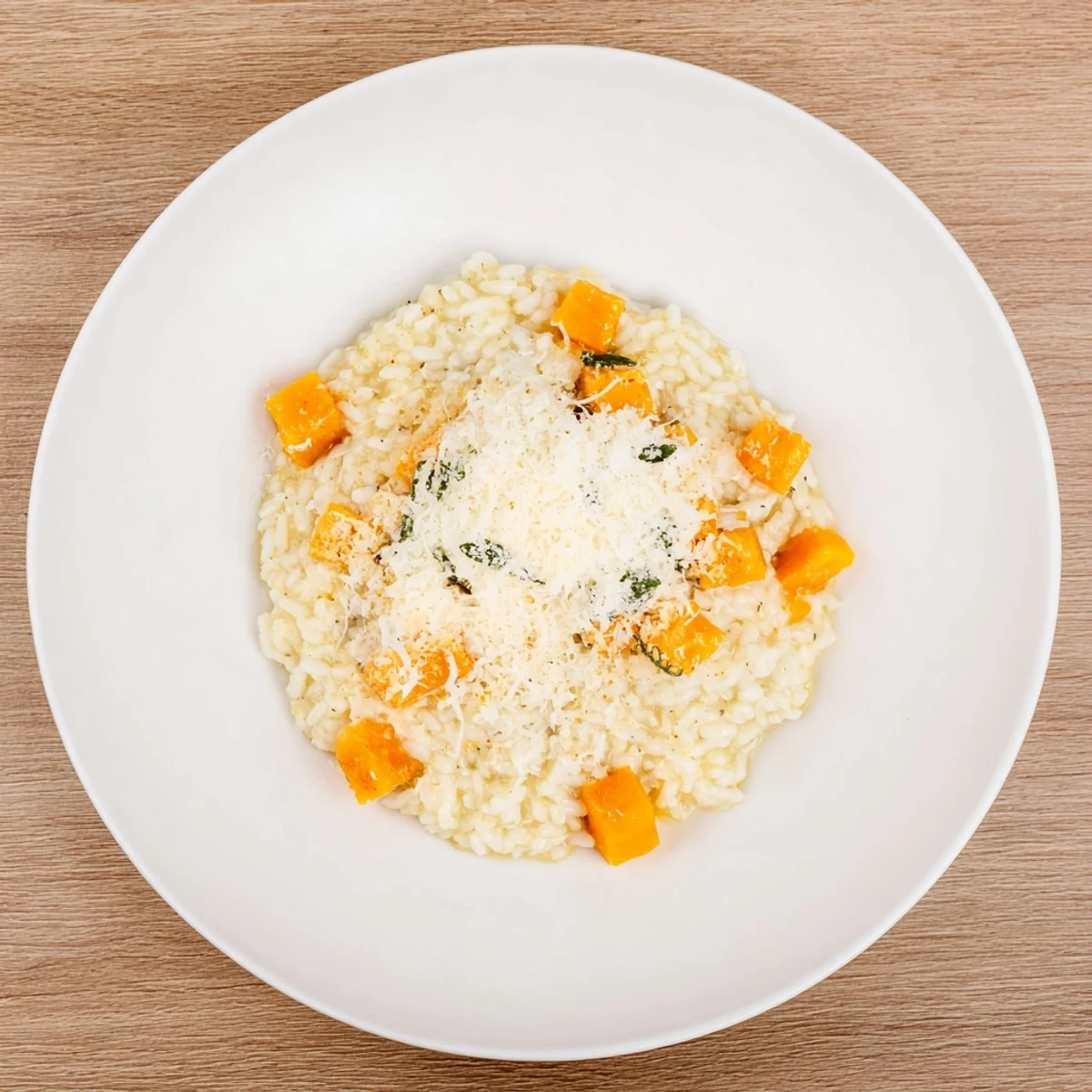
 This risotto has become my go-to for those nights when comfort food feels essential but I still want something that feels like a proper meal. Theres something meditative about the steady rhythm of adding stock and stirring, watching the rice transform from separate grains into a cohesive, creamy dish.
Making It Your Own
Once youve mastered the basic technique, risotto becomes incredibly versatile. I sometimes add a handful of baby spinach in the final minutes, letting it wilt into the rice, or sauté mushrooms alongside the onions for deeper umami flavor. Pumpkin and kabocha squash work just as well as butternut—choose whatever looks best at the market or what you have on hand.
Timing Is Everything
The trickiest part of risotto is timing everything so the roasted squash is ready when the rice finishes. If your squash finishes early, just keep it in a warm spot—it reheats beautifully folded into the hot risotto. Conversely, if the rice gets ahead, remove it from heat and cover it, adding the final splash of stock to loosen it when youre ready to serve.
Serving Suggestions
This risotto is substantial enough to stand alone as a main course, especially with a simple green salad dressed with bright vinaigrette. A crisp white wine like Pinot Grigio cuts through the richness, and an extra dusting of Parmesan at the table lets everyone adjust the seasoning to their taste.
- The risotto continues thickening off heat, so serve it immediately for the best texture
- Leftovers can be thinned with a splash of stock when reheated
- Extra fresh sage makes for a beautiful garnish that hints at whats inside
 Save to Pinterest
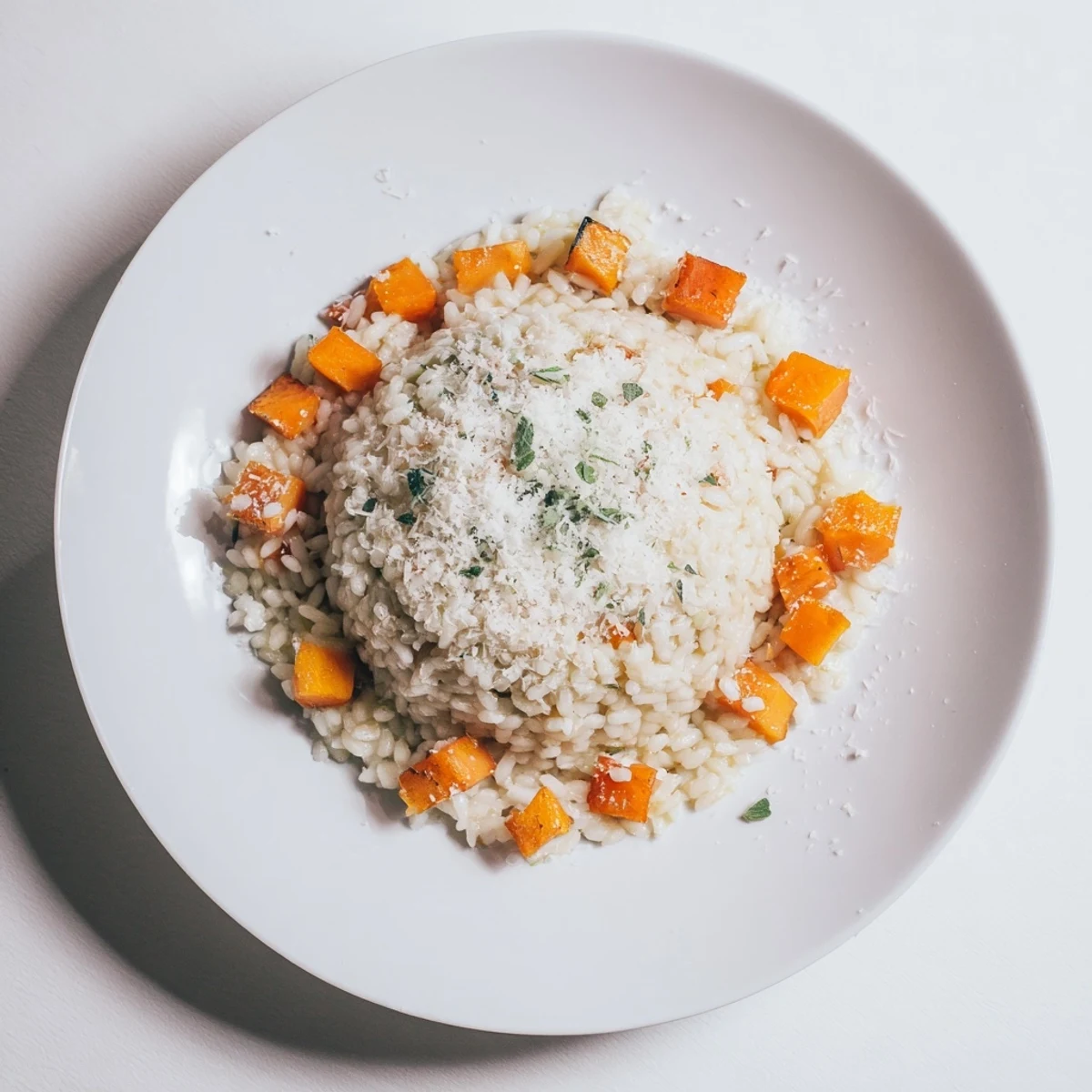
 Theres something deeply satisfying about a dish that asks for your full attention, rewarding every minute of stirring with that first creamy, comforting bite. I hope this risotto finds its way into your own repertoire of cozy winter meals.
Recipe FAQs
- → What type of squash works best?
-
Butternut squash offers excellent sweetness and smooth texture. Acorn, kabocha, or pumpkin also work beautifully. Choose firm, heavy specimens with dull skin for optimal flavor and roasting results.
- → Can I make this ahead?
-
Risotto tastes best immediately, but you can prepare components in advance. Roast squash up to 2 days ahead and refrigerate. Complete the risotto just before serving for the ideal creamy consistency.
- → What wine should I use?
-
Dry white wine like Pinot Grigio, Sauvignon Blanc, or crisp Italian varieties work well. The alcohol evaporates during cooking, leaving subtle acidity that balances the rich squash and cheese flavors.
- → Is Arborio rice essential?
-
Arborio's high starch content creates risotto's signature creaminess. Carnaroli or Vialone Nano are suitable alternatives. Regular short-grain rice may work but yields less luxurious texture.
- → How do I achieve perfect texture?
-
Keep stock warm and add gradually, stirring frequently. The rice should be tender but slightly firm at the center—al dente. Rest off-heat briefly before finishing to allow starches to set.