
 Save to Pinterest
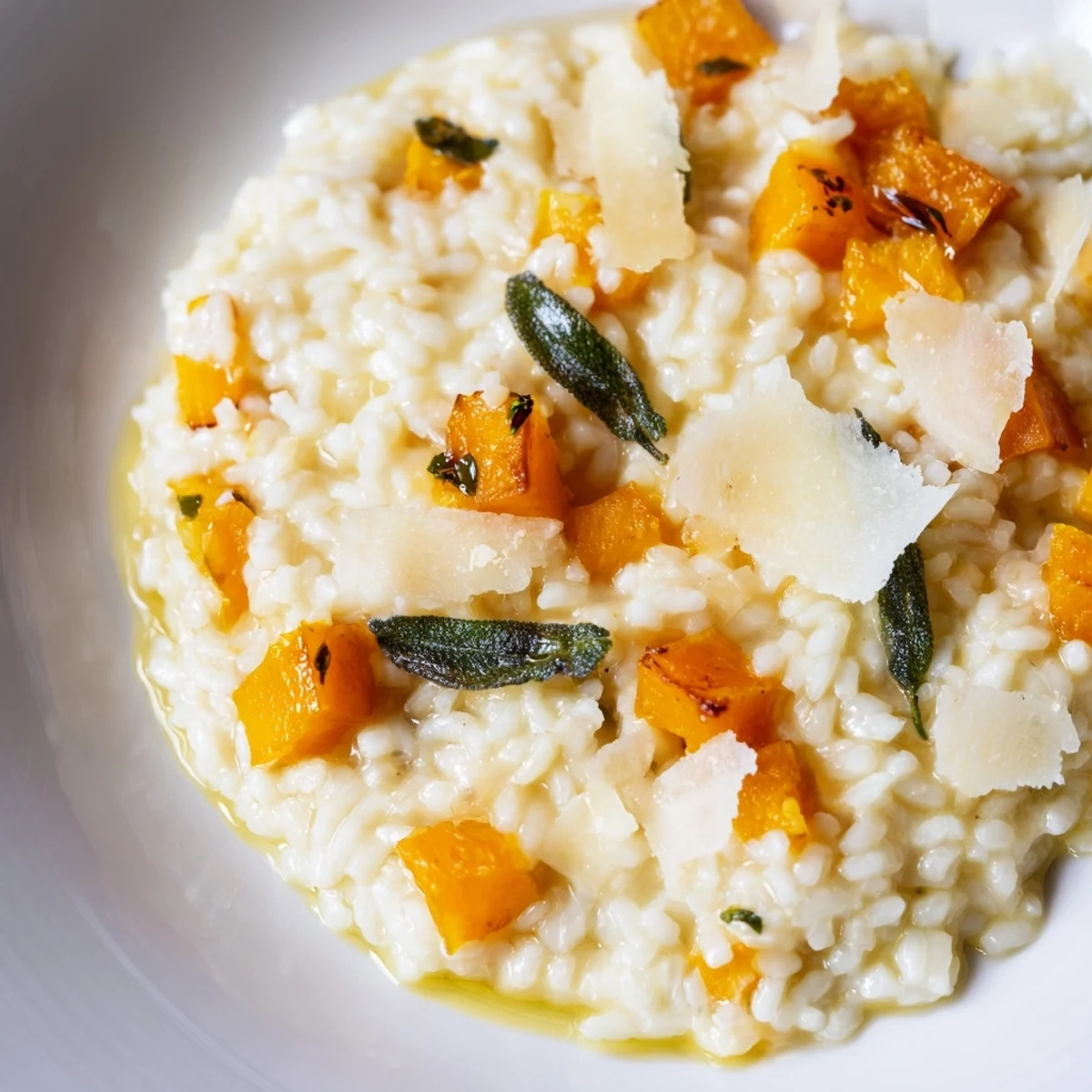
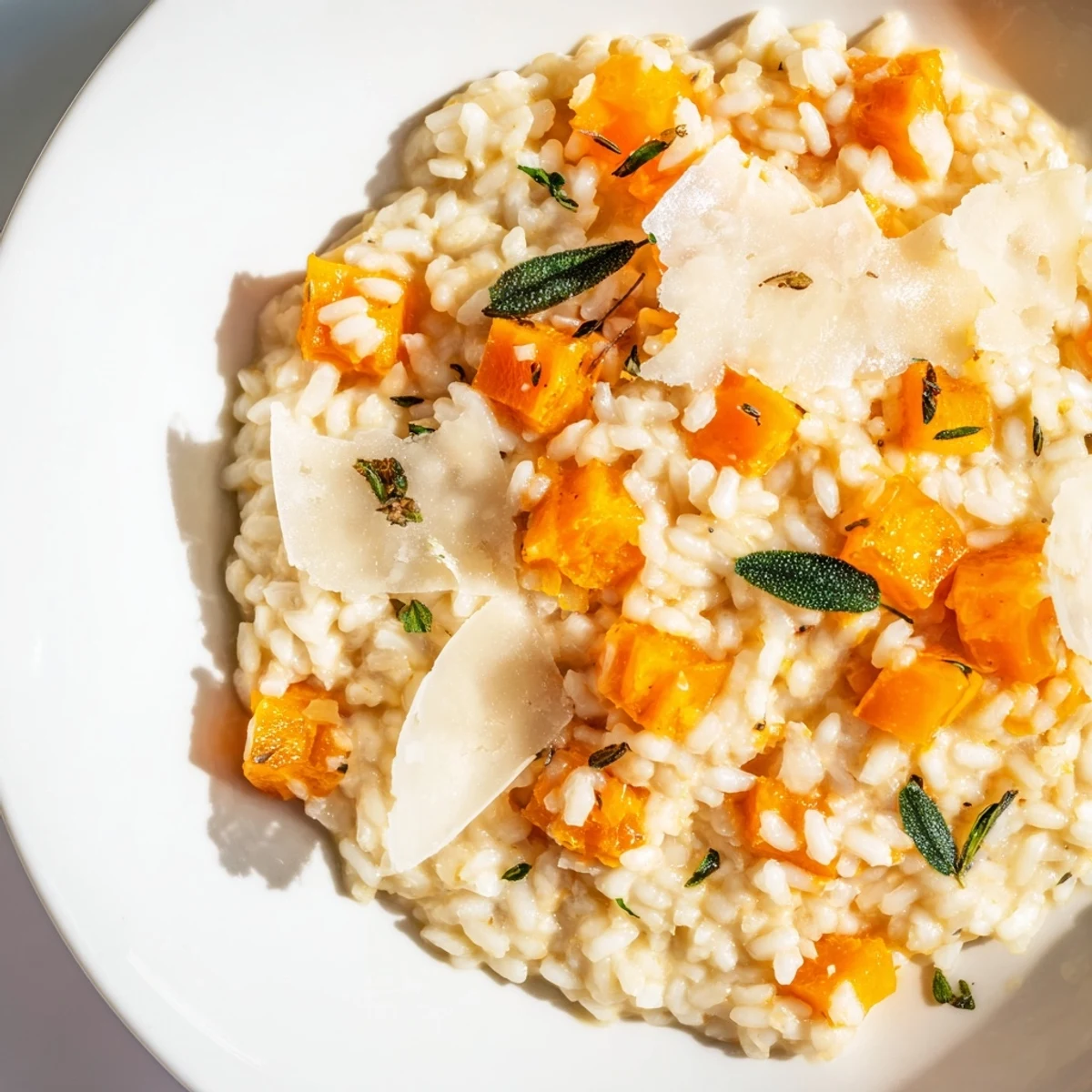
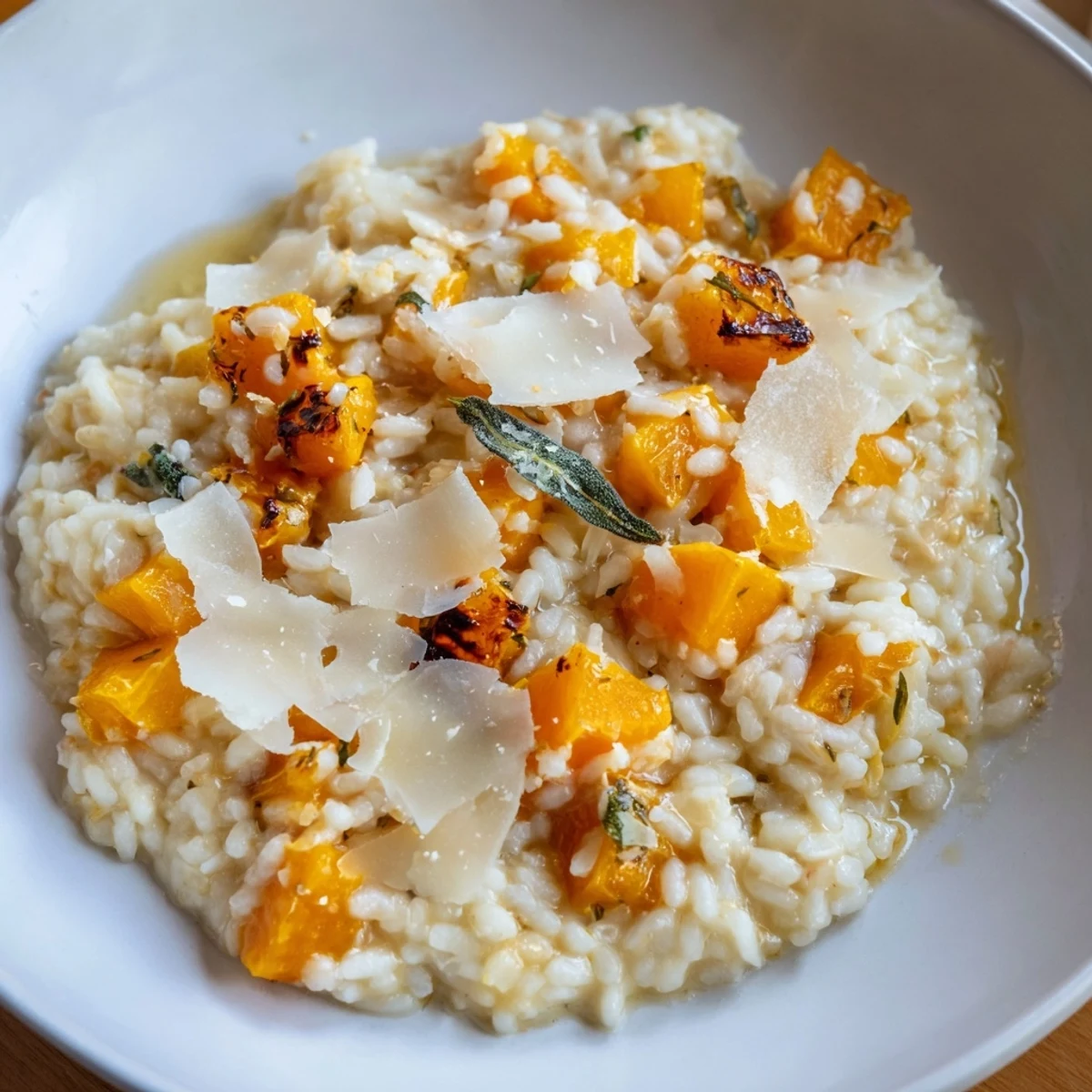
 This comforting risotto features tender diced winter squash sautéed with fresh sage and garlic, combined with Arborio rice cooked slowly in vegetable broth and white wine until creamy. Butter, Parmesan cheese, and optional cream enrich the texture, making it delightfully smooth and savory. Perfect for cool evenings, this Italian-inspired dish balances sweetness from the squash with the earthy aroma of sage, finished with a sprinkle of extra Parmesan and sage leaves.
I was halfway through peeling a stubborn butternut squash when my neighbor knocked with an armful of sage from her garden. The timing felt like a sign, so I tossed my dinner plan and built this risotto around what I had. That night, the kitchen smelled like browned butter and autumn, and I realized some of the best meals come from happy accidents.
The first time I made this for friends, I forgot to keep the broth warm and had to pause every few minutes to reheat it. They teased me, but no one seemed to mind when I served bowls piled high with Parmesan shavings. We ate at the counter instead of the table, and it felt right for a dish this cozy.
Ingredients
- Winter squash: Butternut is my go-to because it peels easily and holds its shape, but acorn works if you want a nuttier flavor.
- Arborio rice: The starch is what makes risotto creamy without needing tons of cream, so don't swap it for long-grain.
- Vegetable broth: Keep it simmering in a small pot on the back burner so each addition warms the rice instead of cooling it down.
- White wine: A cheap Pinot Grigio does the job, just make sure it's something you'd actually drink.
- Fresh sage: Chop it fine or it'll overpower everything, I learned that the hard way with whole leaves that tasted like soap.
- Parmesan: Grate it yourself from a wedge, the pre-shredded stuff has anti-caking agents that make the risotto gritty.
- Butter: Divided because the first bit sautés the aromatics and the last stir-in makes it glossy and rich.
- Heavy cream: Optional, but two tablespoons turns this into something you'd order at a restaurant.
Instructions
- Soften the aromatics:
- Melt 2 tablespoons of butter until it foams, then add the onion and let it turn glassy and sweet. Toss in the garlic and sage for just a minute so they bloom without burning.
- Cook the squash:
- Stir in the diced squash and let it soften around the edges, about 5 minutes. It should smell caramelized and feel tender when you poke it with a spoon.
- Toast the rice:
- Add the Arborio and stir until every grain is coated in butter and looks almost translucent. This step builds flavor and helps the rice absorb the broth evenly.
- Deglaze with wine:
- Pour in the wine and scrape up any brown bits from the bottom of the pot. Let it bubble away until the pan looks almost dry.
- Add broth slowly:
- Ladle in warm broth one scoop at a time, stirring often until it's absorbed before adding more. The rice will release starch and thicken into something creamy, this takes patience but it's worth it.
- Finish and rest:
- Stir in the last tablespoon of butter, the Parmesan, and cream if you're using it. Season with salt and pepper, then cover and let it sit for 2 minutes so the flavors settle.
 Save to Pinterest
 My mom used to say risotto was too fussy for a weeknight, but after making this on a random Tuesday, I disagree. Stirring gave me something to do with my hands after a long day, and the repetition felt calming. When I finally sat down to eat, the first bite was so buttery and warm that I texted her a photo.
How to Pick the Right Squash
Butternut is the easiest to peel and dice, but if you find a small kabocha at the market, roast it first and the skin will slip right off. Acorn squash works too, though the ridges make prep annoying. Whatever you choose, look for one that feels heavy for its size and has a matte skin without soft spots.
What to Do With Leftovers
Risotto thickens as it sits, so reheat it gently with a few splashes of broth or water until it loosens up. I've also pressed cold risotto into patties, pan-fried them in olive oil, and topped them with a fried egg for breakfast. It sounds strange but it's become one of my favorite ways to use it up.
Serving and Pairing Ideas
This feels like a full meal on its own, but a simple arugula salad with lemon and olive oil cuts through the richness. If you're serving it as a side, it pairs well with roasted chicken or seared pork chops. A glass of cold Chardonnay or Pinot Grigio makes it feel like a special occasion even when it's just another Thursday.
- Roast the squash ahead of time if you want deeper caramelized flavor.
- Use vegetable broth that's low-sodium so you can control the seasoning at the end.
- Taste the rice as you go, it should be tender with a slight bite in the center.
 Save to Pinterest
 There's something about standing at the stove and stirring that makes this recipe feel like an act of care, both for yourself and whoever you're feeding. I hope it becomes one of those dishes you make without measuring, the kind that tastes like home.
Recipe FAQs
- → What type of squash works best for this dish?
-
Butternut or acorn squash are ideal due to their tender texture and natural sweetness. Kabocha or delicata are also good alternatives.
- → Can I make this vegan-friendly?
-
To adapt, substitute butter and Parmesan with plant-based alternatives and use a vegetable broth free from animal products.
- → How do I achieve the perfect risotto texture?
-
Slowly add warm broth one ladle at a time, stirring frequently, allowing each addition to absorb fully before adding more for creamy, al dente grains.
- → Is roasting the squash necessary?
-
Roasting enhances the squash’s sweetness and adds depth, but gently sautéing diced squash until tender produces a pleasant, slightly milder flavor.
- → What wine pairs well with this dish?
-
Light white wines such as Pinot Grigio or Chardonnay complement the creamy texture and earthy flavors gracefully.
- → Can I prepare this in advance?
-
Risotto is best served fresh; however, leftovers can be refrigerated and gently reheated with a splash of broth to restore creaminess.