
 Save to Pinterest
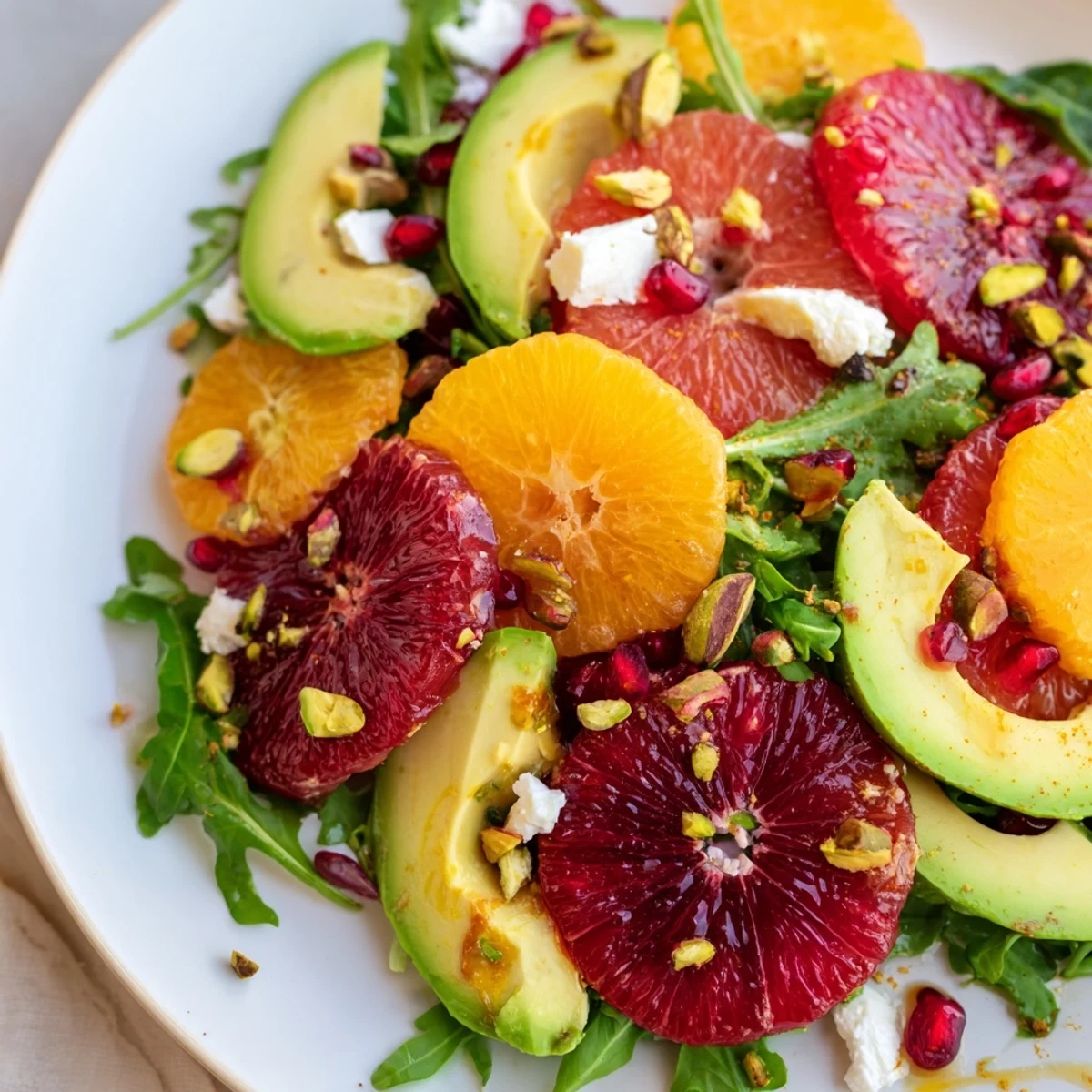
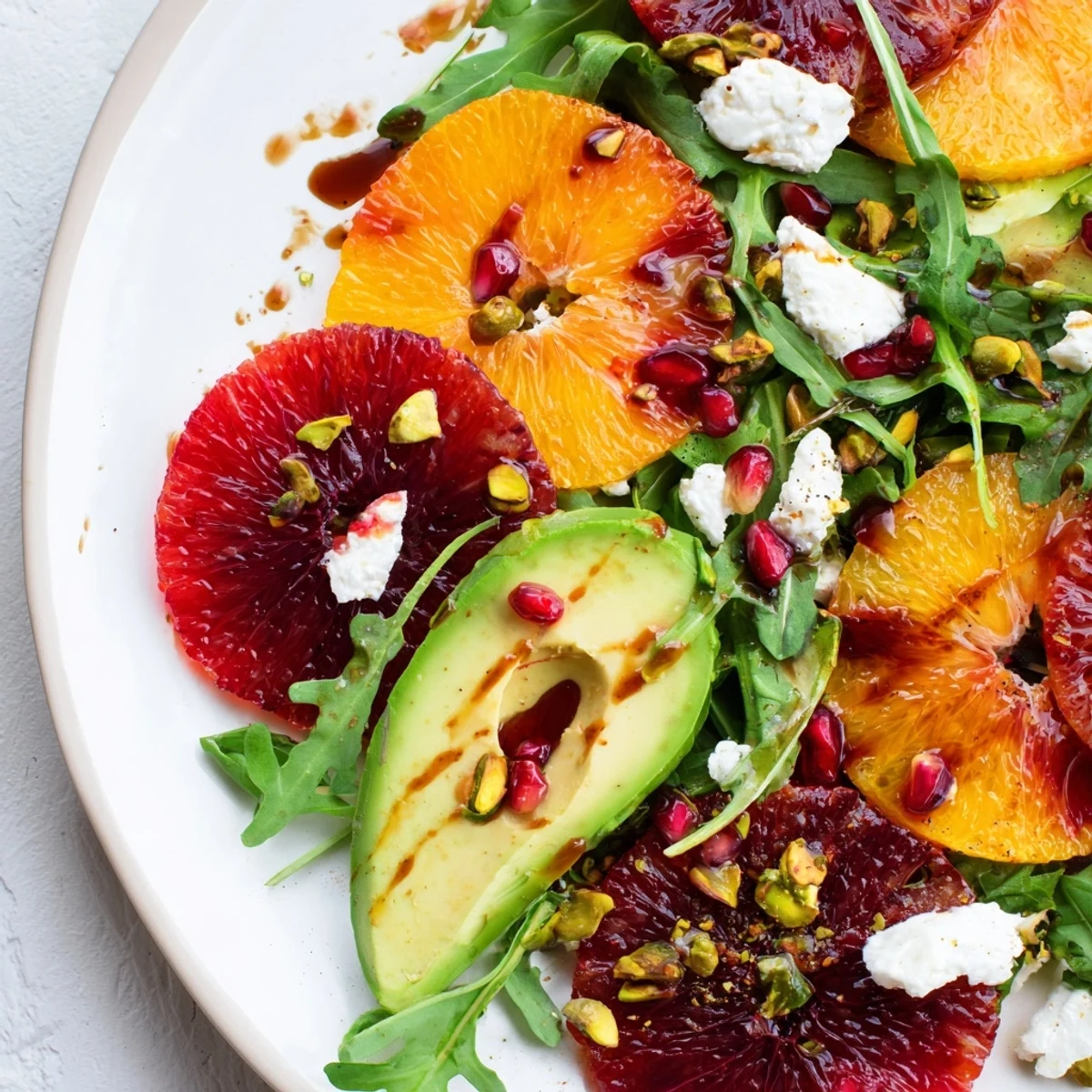
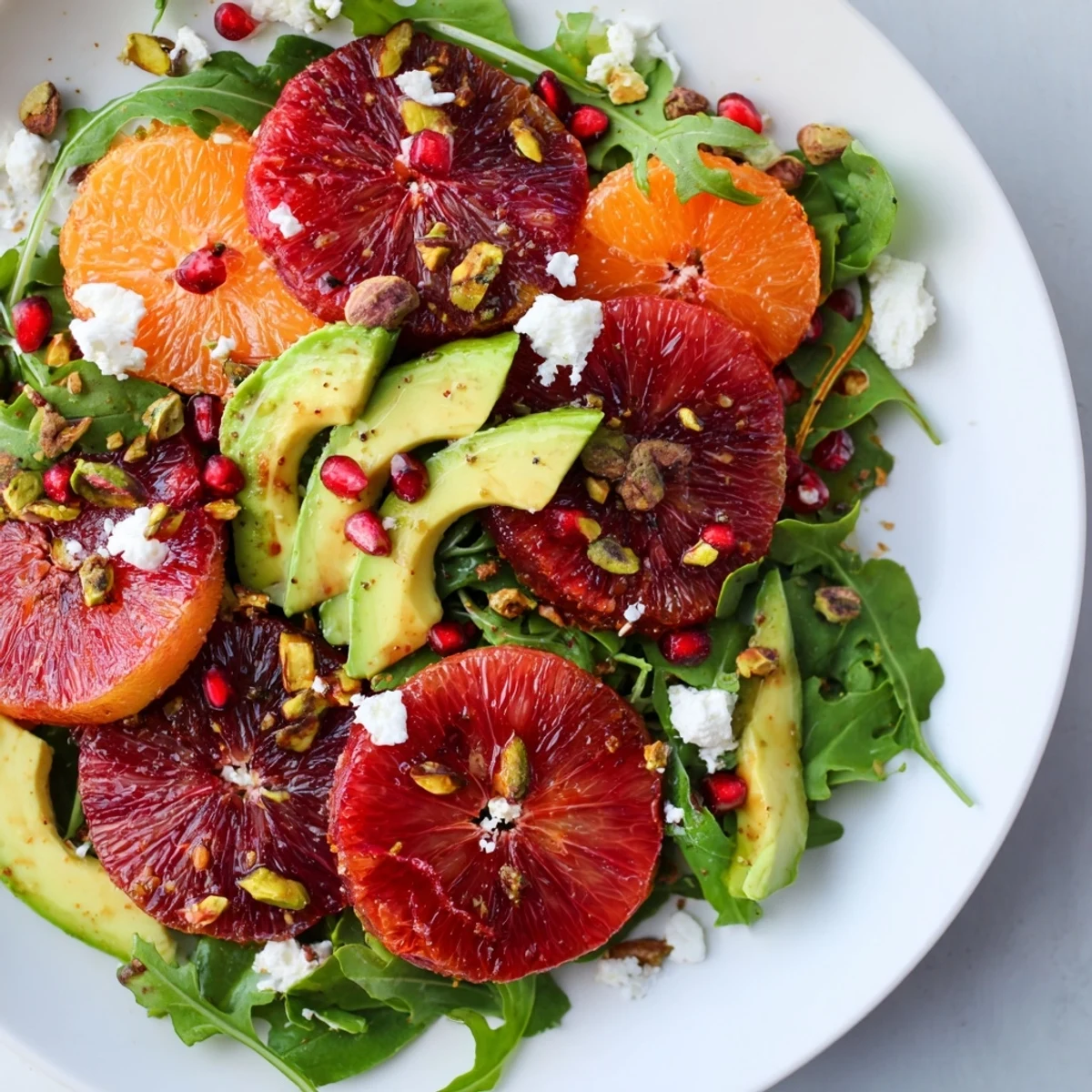
 This winter citrus salad blends juicy oranges, ruby grapefruit, and blood oranges with peppery greens and creamy avocado. Toasted pistachios add crunch, while a tangy pomegranate vinaigrette ties flavors together beautifully. Simple to prepare in 20 minutes, this refreshing dish brightens cold days with fresh, seasonal ingredients and vibrant colors. Optional feta cheese adds a subtle creaminess, but the salad shines on its own as a light, nourishing option ideal for any table.
I was slicing blood oranges at my kitchen counter one gray January morning when I realized winter doesn't have to taste dull. The ruby segments bled onto the cutting board, and I thought about all the color we miss when we hibernate indoors. That salad became my antidote to the season's monotony.
The first time I made this for friends, someone asked if I'd ordered it from a restaurant. I laughed because I'd just been standing in my kitchen in sweatpants, trying to use up citrus before it went soft. Sometimes the simplest things feel the most impressive.
Ingredients
- Navel oranges: Sweet and sturdy, they hold their shape beautifully when sliced into rounds and won't fall apart on the platter.
- Ruby grapefruit: Adds a bittersweet punch that balances the other citrus and keeps the salad from tasting one-note.
- Blood oranges: Their deep crimson color is the showstopper here, and their flavor is softer and almost berry-like compared to regular oranges.
- Arugula or mixed baby greens: The peppery bite of arugula plays perfectly with sweet citrus, but any tender greens work if that's what you have.
- Avocado: Creamy richness that mellows the acidity and makes every bite feel more complete.
- Pomegranate seeds: Little bursts of juice and crunch that look like jewels scattered across the plate.
- Toasted pistachios: Their buttery, slightly sweet flavor and green color add another layer of texture and visual interest.
- Feta cheese: Salty, tangy, and crumbly, it ties everything together, though you can skip it entirely if you want to keep it dairy-free.
- Pomegranate juice: The base of the vinaigrette, it echoes the seeds and adds fruity depth without being cloying.
- Red wine vinegar: Sharpens the dressing and keeps it from sliding into dessert territory.
- Dijon mustard: Helps emulsify the vinaigrette and adds a subtle savory backbone.
- Honey or maple syrup: Just a touch to round out the tartness and bring everything into balance.
- Extra-virgin olive oil: Use something fruity and good quality since it's not being cooked and you'll taste every drop.
Instructions
- Make the vinaigrette:
- Whisk the pomegranate juice, red wine vinegar, Dijon mustard, honey, olive oil, salt, and black pepper together in a small bowl until it looks glossy and unified. The mustard helps it all come together instead of separating into layers.
- Build the base:
- Spread the arugula or greens across a large platter or divide them among individual plates. Don't pack them down, let them breathe a little.
- Layer the citrus:
- Arrange the citrus rounds over the greens, mixing up the colors so you get orange, pink, and deep red in every glance. This is where the salad starts to look alive.
- Add the avocado:
- Tuck avocado slices in between the citrus rounds wherever there's space. They add creaminess and a soft green contrast.
- Finish with toppings:
- Scatter pomegranate seeds, toasted pistachios, and crumbled feta over everything. Don't worry about being precise, a little randomness looks more natural.
- Dress and serve:
- Drizzle the vinaigrette over the salad right before you bring it to the table. If you dress it too early, the greens will wilt and lose their snap.
 Save to Pinterest
 I remember serving this at a winter dinner party where everyone was expecting something warm and heavy. The table went quiet for a second when I brought it out, and then someone said it tasted like sunshine. That's exactly what January needs.
Customizing Your Salad
If pistachios aren't your thing, toasted walnuts or almonds work just as well and add their own earthy sweetness. I've also swapped feta for goat cheese when I want something creamier, or left out the cheese entirely when I'm keeping it vegan. A few thin slices of red onion can add a sharp bite if you're in the mood, and grilled chicken turns it into a full meal without losing the brightness.
Pairing and Serving
This salad plays nicely with a crisp Sauvignon Blanc that has enough acidity to match the vinaigrette, or a light Pinot Noir if you prefer red. I've served it as a starter before roasted lamb, and also as the main event with crusty bread on the side. It's flexible enough to fit wherever you need it.
Storage and Timing
You can prep the citrus and vinaigrette a few hours ahead and keep them covered in the fridge, but don't assemble the salad until you're ready to eat. Once it's dressed, it's a countdown to wilted greens and soggy nuts.
- Keep the vinaigrette in a sealed jar and shake it again before using if it separates.
- Store leftover citrus slices in an airtight container for up to two days and toss them into yogurt or sparkling water.
- If you have extra pomegranate seeds, freeze them on a tray and then transfer to a bag for smoothies or oatmeal.
 Save to Pinterest
 This salad reminds me that winter has its own kind of abundance if you know where to look. I hope it brightens your table the way it has mine.
Recipe FAQs
- → Can I use different greens in this salad?
-
Yes, arugula, mixed baby greens, or even spinach work well, adding a peppery or mild base to complement the citrus.
- → How do I make a pomegranate vinaigrette?
-
Whisk together pomegranate juice, red wine vinegar, Dijon mustard, honey or maple syrup, olive oil, salt, and pepper until emulsified.
- → What can I substitute for pistachios if allergic?
-
Toasted walnuts or almonds provide a similar crunch and complement the salad’s flavors nicely.
- → Is it possible to make this salad vegan?
-
Omit the feta cheese and use maple syrup instead of honey to keep it fully plant-based.
- → How should the salad be served?
-
Best served immediately after drizzling with vinaigrette to keep greens fresh and vibrant.