
 Save to Pinterest
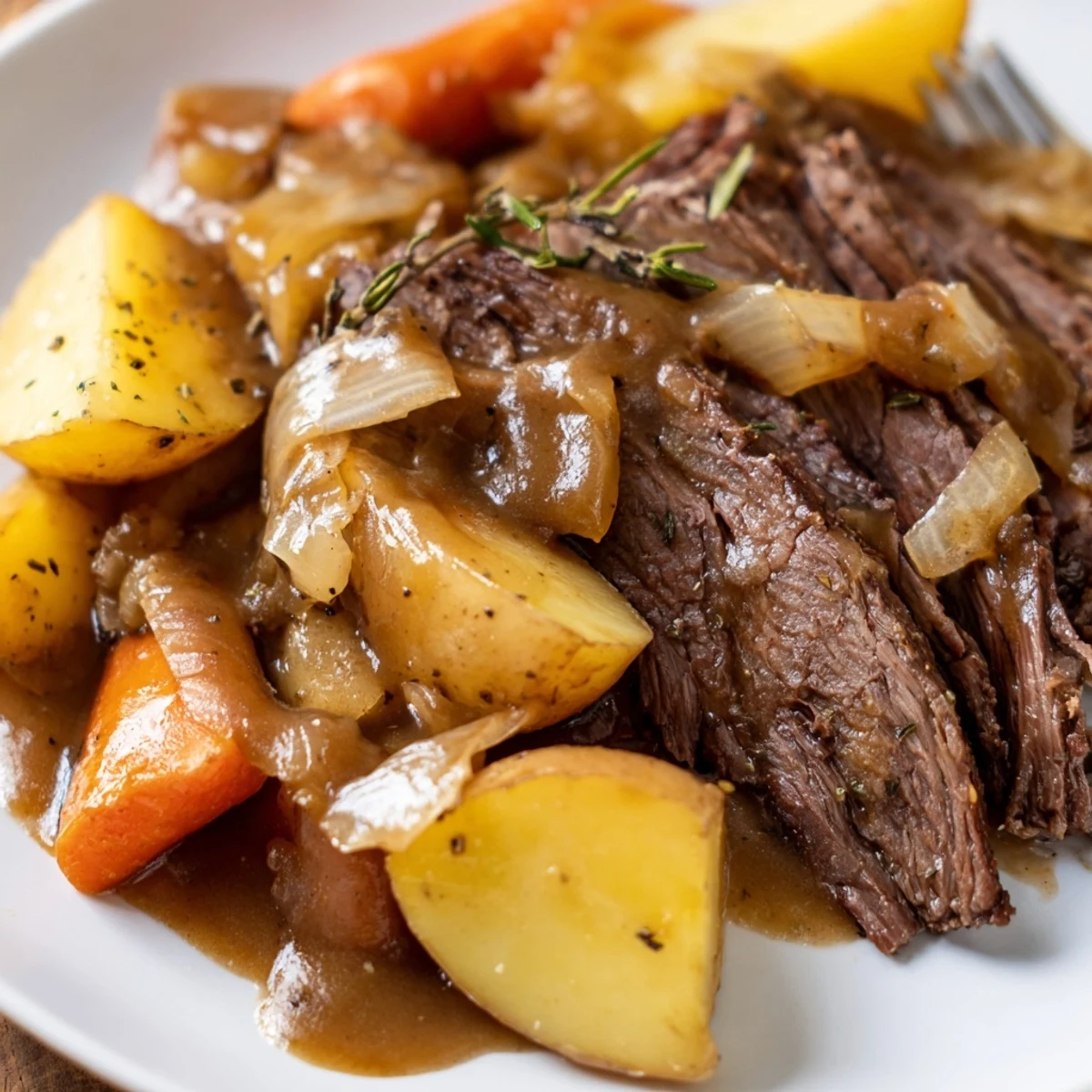
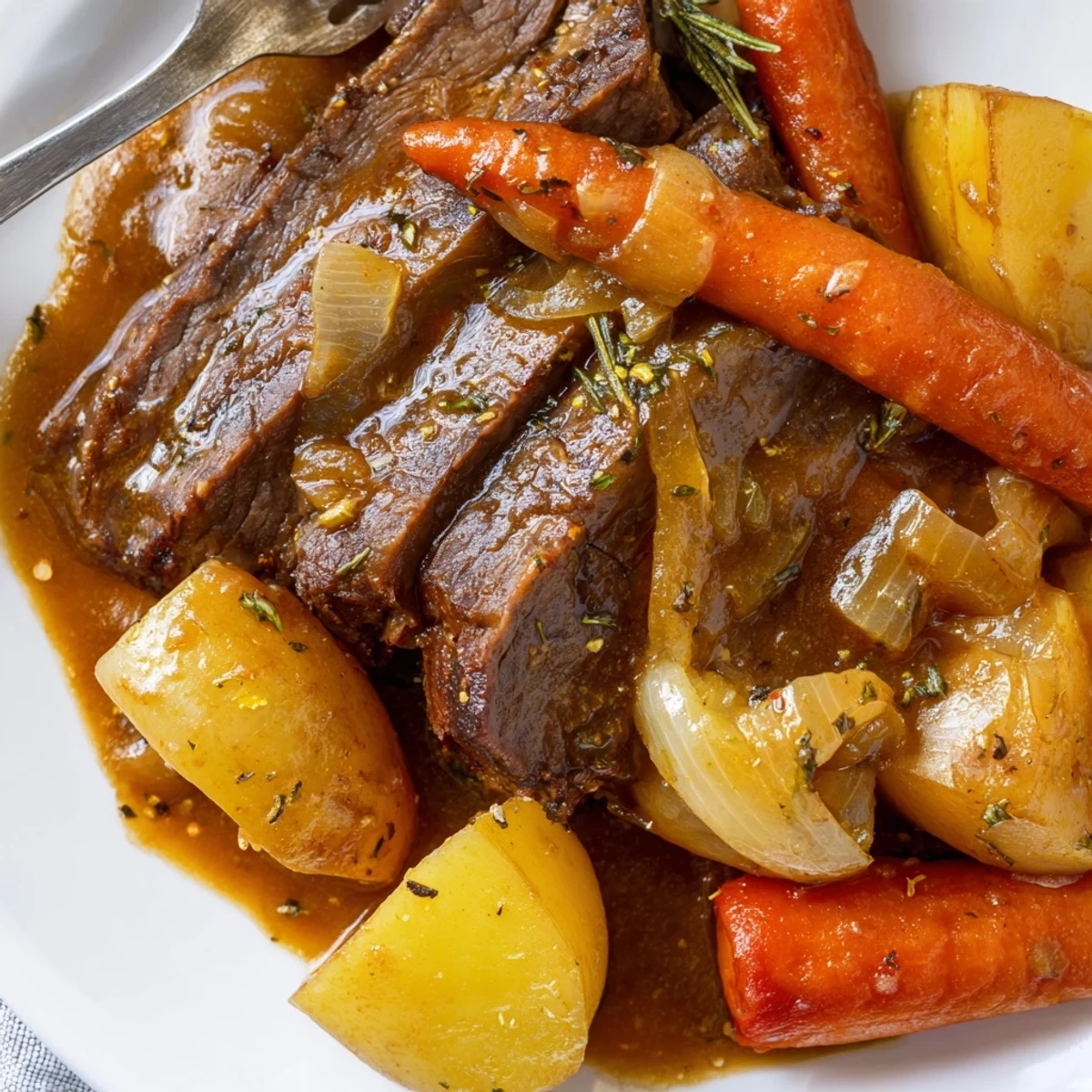
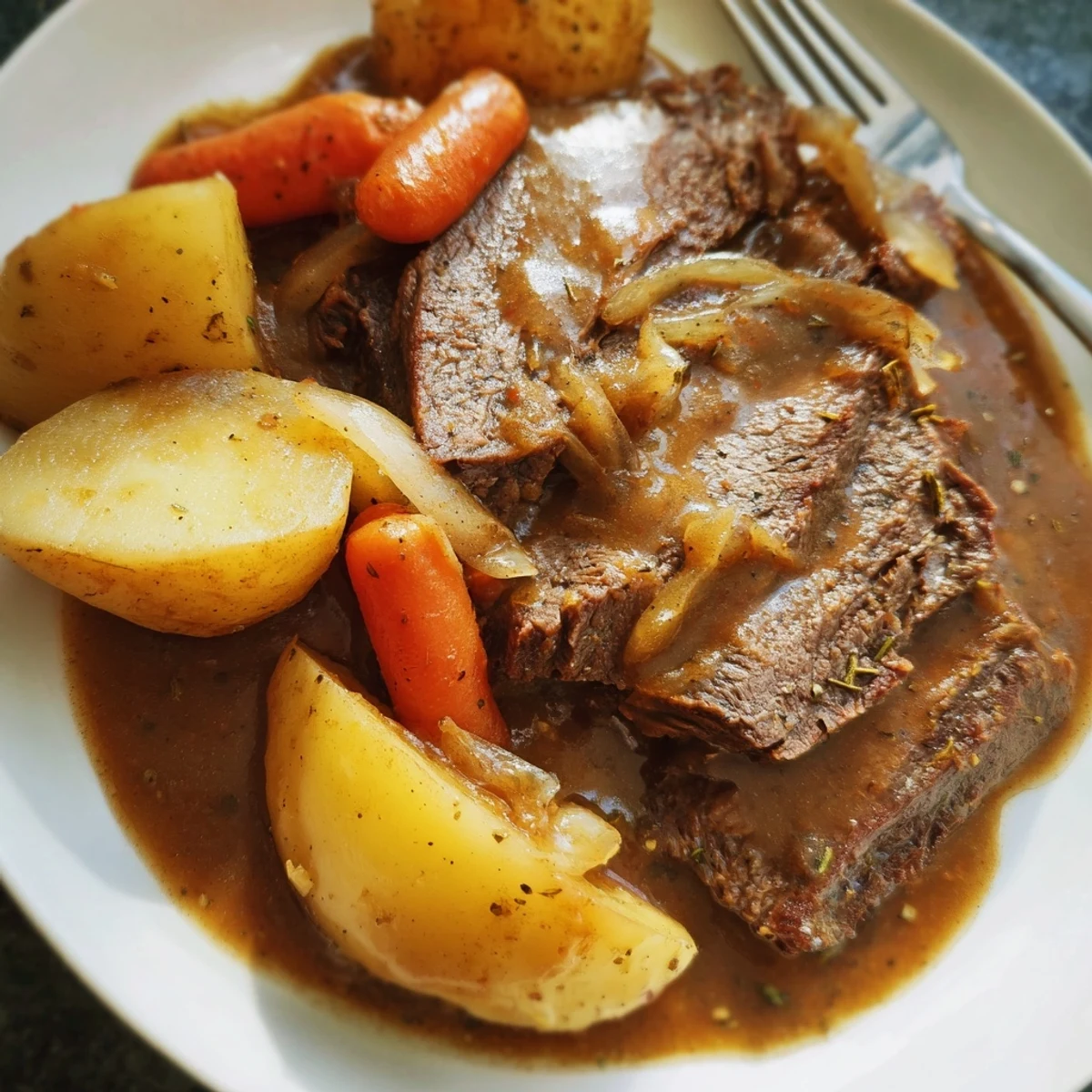
 This classic dish features a seared beef chuck roast slow-cooked to perfection with Yukon gold potatoes, carrots, and onions. Enhanced with garlic, thyme, and rosemary, the meat becomes fork-tender in a savory broth mixture. After hours of cooking, a simple cornstarch slurry thickens the juices into a rich gravy that coats everything for a hearty, comforting meal.
There's something about the smell of a pot roast braising for hours that pulls you right back to Sunday afternoons, even if you're making it on a random Tuesday. I discovered this slow cooker version when I was short on time but didn't want to compromise on that deep, satisfying flavor, and it turns out eight hours of low heat does something almost magical to a tough cut of beef. The house fills with this rich, savory aroma that makes everyone ask what's cooking before they even walk through the door. It's become my go-to when I need comfort food that requires almost no fussing.
I made this for my partner's family the first time during a particularly cold November, and watching their faces when they took that first bite was worth every bit of prep work. Someone asked for the recipe before dessert was even served, which doesn't happen often in that group.
Ingredients
- Beef chuck roast (3 lbs): This is the workhorse cut that needs long, slow cooking to break down all those connective tissues and become tender; don't waste money on expensive cuts here because the method is what matters.
- Kosher salt and black pepper: A proper seasoning before searing makes all the difference in building flavor from the very first step.
- Olive oil: Just enough to get a good sear on the meat and develop that golden crust.
- Carrots (4 large, 2-inch pieces): The natural sugars caramelize slightly in the slow cooker and balance the savory depth of the beef.
- Potatoes (1.5 lbs Yukon gold or russet, large chunks): Yukon golds hold their shape better and have a buttery texture, but russets are earthier and more absorbent of the gravy.
- Yellow onion (1 large, sliced): Onions practically dissolve into the braising liquid and create a natural sweetness that rounds out the whole dish.
- Garlic (3 cloves, minced): Fresh garlic scattered on top in the last few hours keeps a bright note from getting buried.
- Dried thyme and rosemary (1 tsp each): These herbs infuse the entire pot without overpowering anything, especially if you crush them slightly between your fingers before adding.
- Bay leaves (2): They add a subtle earthy complexity that you don't notice consciously but would definitely miss if they weren't there.
- Beef broth (2 cups): Low sodium is key because the liquid reduces and concentrates, and you want to be able to taste the meat and vegetables, not just salt.
- Tomato paste (2 tbsp): This adds umami depth and a subtle tang that makes the whole gravy taste more complex and restaurant-quality.
- Worcestershire sauce (2 tbsp): The secret weapon that ties everything together with a fermented, slightly sweet-savory note.
- Cornstarch and cold water (2 tbsp each): This slurry thickens the gravy without any flour or cream, keeping it naturally gluten-free if that matters to you.
Instructions
- Sear that beautiful beef:
- Pat the roast completely dry with paper towels, then generously season every side with salt and pepper. Heat your skillet until it's genuinely hot—you want to hear a sizzle the moment the meat hits the oil—then sear it about three to four minutes per side until it's mahogany brown all over. This isn't just for looks; the browned exterior is where all that savory, caramelized flavor comes from.
- Build your slow cooker foundation:
- Arrange the carrots, potatoes, and onion slices across the bottom and sides of your slow cooker, then nestle the seared roast right on top of them. Scatter the minced garlic and dried herbs over everything, tucking the bay leaves somewhere you'll remember to fish them out later.
- Mix and pour the braising liquid:
- Whisk together the beef broth, tomato paste, and Worcestershire sauce in a bowl until the tomato paste is fully dissolved, then pour it over the whole pot. The liquid should come up around the sides of the roast but doesn't need to cover it completely.
- Let time do the work:
- Cover and set your slow cooker to low for eight hours, or until the beef is so tender a fork slides through it like butter and the vegetables are completely soft. The house will smell incredible by hour six, but resist the urge to peek too often because each time you lift that lid, you're losing heat and adding time.
- Finish the gravy with a slurry:
- Transfer the roast and vegetables to a serving platter, then pour off the cooking liquid into a separate container and let it sit for a minute so any fat rises to the top and you can skim it away. Mix your cornstarch with cold water to create a smooth slurry (no lumps), then stir it into the hot liquid and turn the slow cooker to high for five to ten minutes until everything thickens into a silky gravy.
- Plate and serve:
- Slice or shred the beef into generous pieces, arrange it with the vegetables on a platter, and spoon that rich gravy over everything. Let people serve themselves and watch the satisfaction settle in.
 Save to Pinterest
 My clearest memory of this dish is actually from a Wednesday night when I was exhausted and just wanted something that felt like care in a bowl, and somehow stirring that gravy at the end while the house smelled like rosemary and beef made everything better. That's when I realized this recipe wasn't just about feeding people; it was about giving yourself permission to have something beautiful without needing to stand at the stove all evening.
The Magic of Low and Slow
Slow cookers are honestly underrated for how they transform cheaper cuts of meat into something tender and luxurious through nothing but time and gentle heat. The beef chuck roast is full of collagen that breaks down into gelatin, and that's what gives you that silky mouthfeel and rich flavor that you can't rush. I've tried making pot roast in the oven and it always comes out drier or requires more liquid, but the slow cooker's sealed environment creates this perfect braising situation where nothing evaporates and everything stays moist.
Why These Vegetables Matter
The carrots and potatoes aren't just filler; they're partners in building the final dish because they absorb all those savory, herby flavors while contributing their own sweetness and earthiness back to the braising liquid. I've tried swapping in different vegetables and learned that firmer options like celery root or parsnips work beautifully if you want something slightly different, but the classic combination exists because it actually balances each other perfectly. The key is cutting everything into similarly sized chunks so they cook evenly and look intentional on the plate instead of haphazard.
Storage and Leftovers
This pot roast actually tastes better the next day because all the flavors have settled and deepened, so don't hesitate to make it ahead for a dinner party or just because you want two meals out of one cooking session. Leftovers last easily five days in the fridge and reheat beautifully either gently on the stovetop or quickly in the microwave, and honestly, I've shredded the leftover beef and piled it on toasted bread with some of that gravy for the most satisfying sandwich you can imagine.
- Store the meat and vegetables separate from the gravy if you're keeping it longer than two days so the vegetables don't get mushy.
- Freeze it flat in a zip-top bag if you want it to last longer, and it'll keep for at least three months.
- Reheat gently to preserve the tender texture, and add a splash of broth if the gravy seems too thick.
 Save to Pinterest
 This is the kind of recipe that feeds both your stomach and your soul, especially when life is chaotic and you need something warm and familiar waiting for you at the end of the day. Make it once and it becomes part of your regular rotation, the dish people remember and ask for by name.
Recipe FAQs
- → Can I use a different cut of beef?
-
Chuck roast is best for tenderness, but you can also use a rump roast or brisket for similar results.
- → Do I have to sear the meat first?
-
While not strictly required, searing adds deep flavor and a nice crust to the finished roast.
- → Can I add other vegetables?
-
Yes, celery root, parsnips, or turnips work well alongside or instead of the potatoes and carrots.
- → How do I thicken the gravy?
-
Skim the fat, then mix cornstarch with cold water to create a slurry and stir it into the hot liquid.
- → Is this gluten-free?
-
It can be gluten-free if you use cornstarch for thickening and ensure your broth and Worcestershire sauce are certified GF.