
 Save to Pinterest
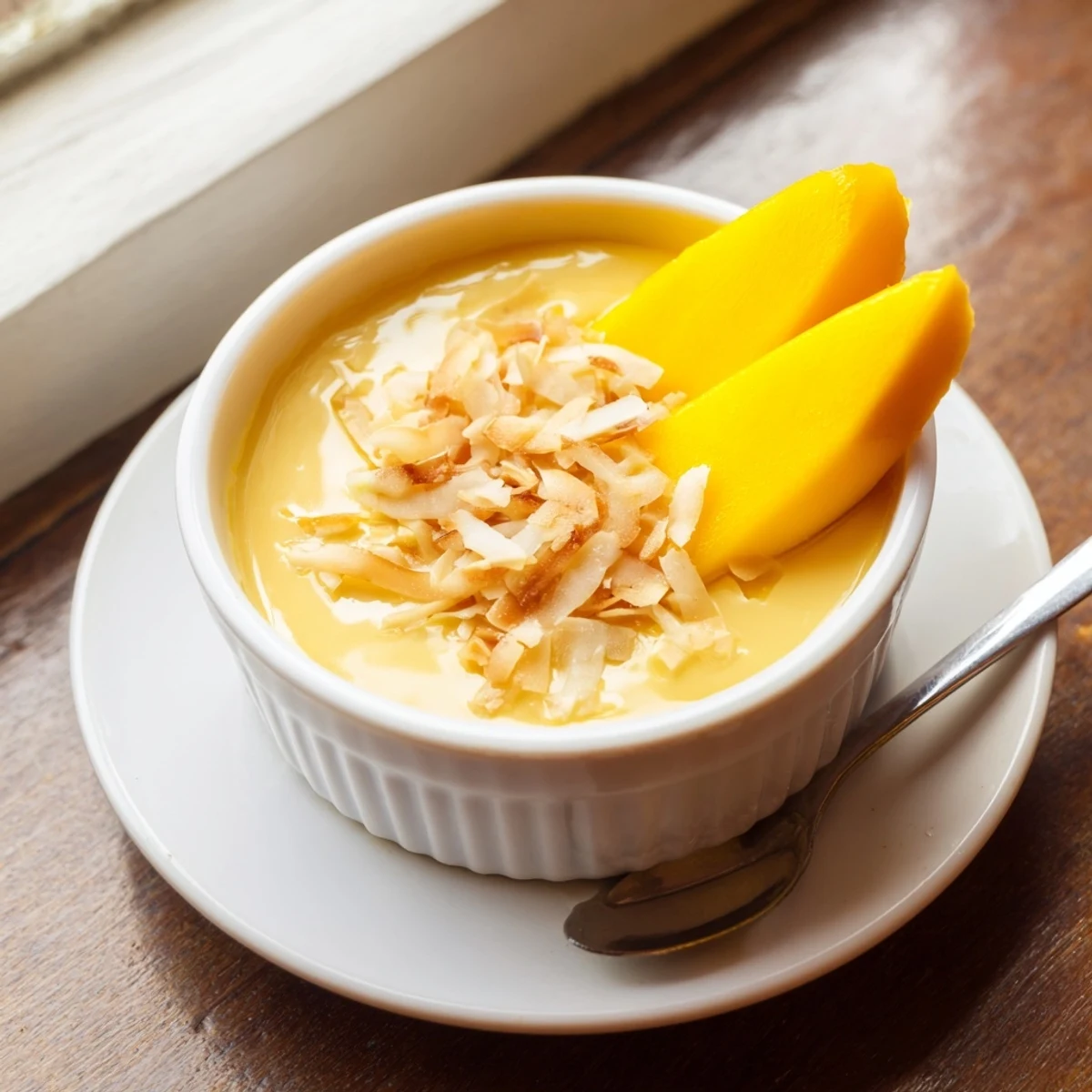
 This traditional Thai dessert features a silky-smooth texture achieved through gentle steaming. The custard combines full-fat coconut milk with eggs, palm sugar, and a touch of salt for balanced sweetness. Steaming over low heat creates the signature delicate, wobbly consistency that melts in your mouth. Serve chilled with toasted coconut or fresh mango for an authentic experience.
The first time I tasted authentic coconut custard was at a friend's dinner party, and I spent the entire evening trying to figure out what made it so incredibly smooth compared to the baked versions I'd made before. She finally whispered that it was steamed, and something about the gentle heat transforms the texture into pure velvet.
Last summer I made these for a poolside gathering and watched my typically dessert-averse brother go back for thirds. There's something about the subtle sweetness and cooling coconut flavor that makes it feel like an indulgence without leaving you heavy.
Ingredients
- 4 large eggs: Room temperature eggs whisk up more smoothly and incorporate into the coconut milk without creating foam
- 200 ml full fat coconut milk: The higher fat content is what creates that luxurious mouthfeel, so don't skimp here
- 100 g palm sugar: This adds a caramel-like depth, but light brown sugar works beautifully as a backup
- 1/4 tsp fine sea salt: Just enough to intensify the coconut flavor without making it taste salty
- 1 tsp vanilla extract: Pure vanilla bridges the gap between the coconut and eggs beautifully
Instructions
- Whisk the eggs:
- Break the eggs into your bowl and whisk just until combined, looking for a uniform yellow color without any visible whites
- Blend the liquid ingredients:
- Pour in the coconut milk, add the palm sugar, salt, and vanilla, then whisk gently until the sugar has completely dissolved and the mixture is smooth
- Strain for perfection:
- Pour everything through a fine mesh sieve into a pitcher or measuring cup to catch any eggy bits and ensure absolute silkiness
- Portion into ramekins:
- Divide the custard evenly among four small heatproof cups, filling them about three quarters full
- Steam gently:
- Set your steamer over barely simmering water, add the ramekins, cover, and steam for 25 to 30 minutes until just set with a slight wobble in the center
- Cool completely:
- Let the custards come to room temperature in the ramekins, then chill for at least an hour before serving
 Save to Pinterest
 My niece called these cloud pudding when she was little, and honestly she wasn't wrong. There's something almost weightless about them that makes people pause after their first bite.
Making It Your Own
I've started infusing the coconut milk with a pandan leaf for ten minutes before mixing, and it adds this incredible floral vanilla aroma that makes the kitchen smell amazing. Even without pandan, a drop of almond extract or a pinch of cardamom can completely transform the profile.
Serving Ideas
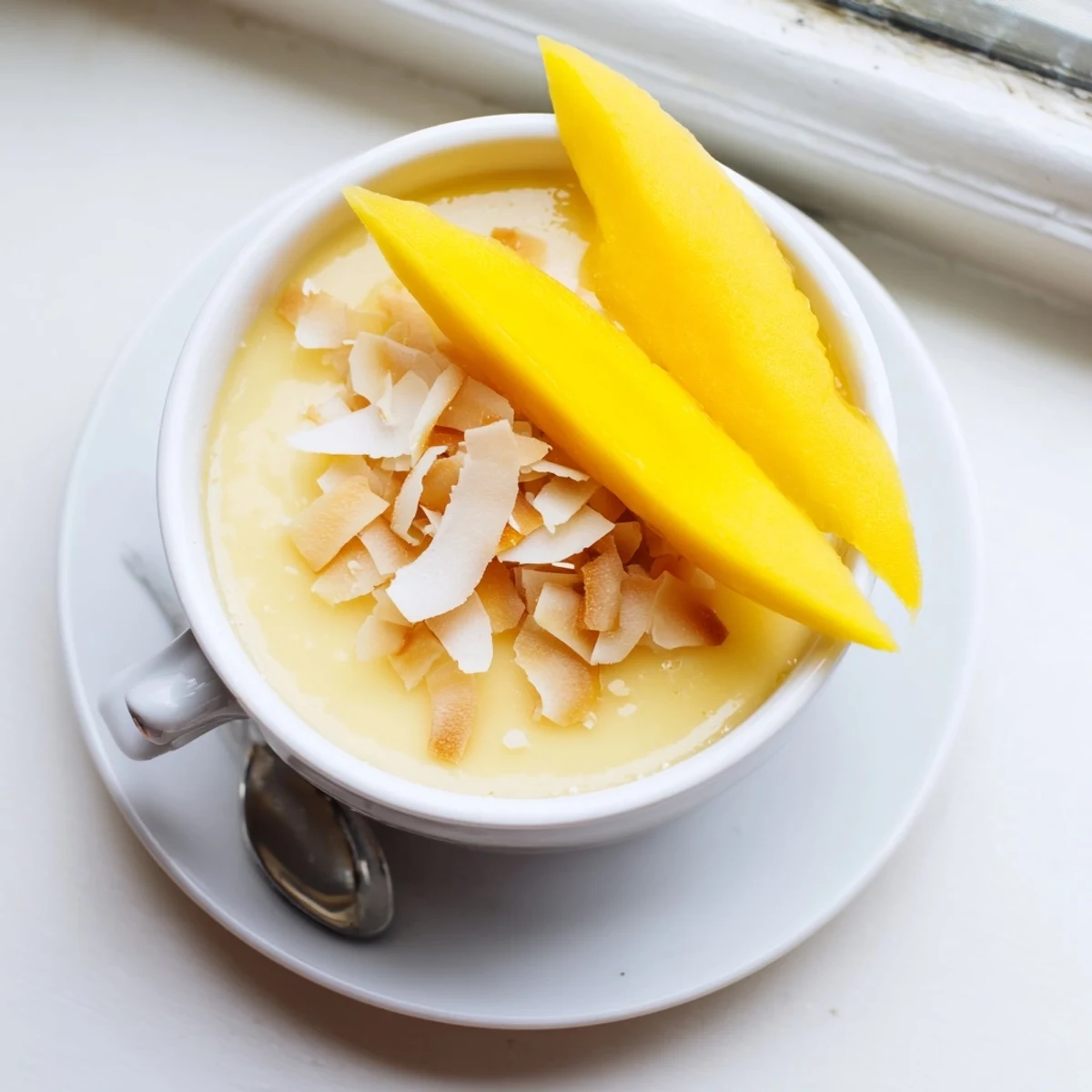
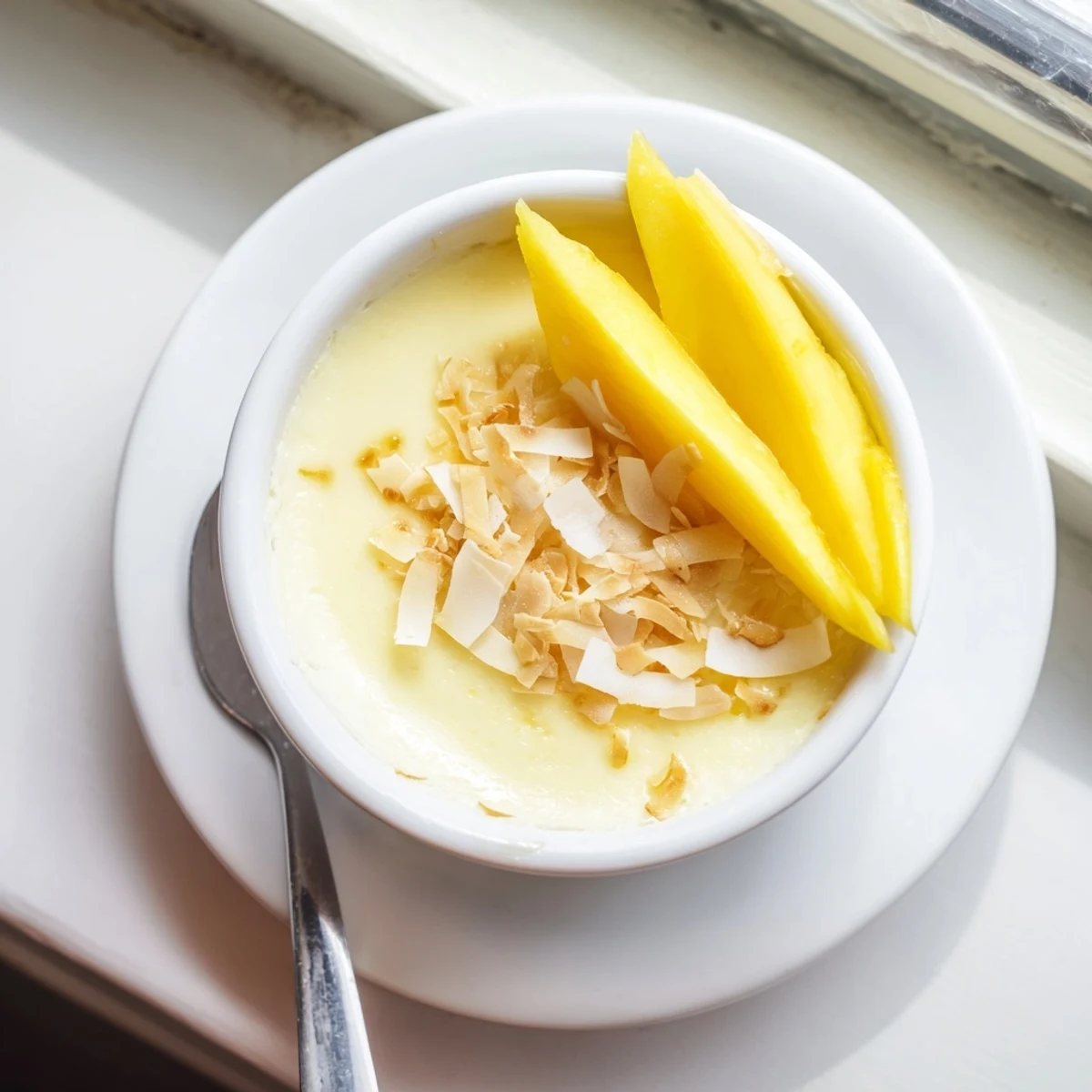
While these are perfectly lovely on their own, I love arranging mango slices in a fan pattern on top for a dinner party presentation. The tart fruit cuts through the richness beautifully.
Storage and Make-Ahead
These custards actually improve after a night in the fridge, giving the flavors time to meld and the texture to become even more luxurious. They'll keep for three days, covered in the refrigerator.
- Press plastic wrap directly onto the surface to prevent a skin from forming
- Bring chilled custards to room temperature for 15 minutes before serving
- Add toppings right before serving so they stay fresh and crisp
 Save to Pinterest
 There's something deeply satisfying about a dessert that looks elegant but comes together with such simple technique. These have become my go-to when I want to end a meal on a memorable note without spending hours in the kitchen.
Recipe FAQs
- → What makes Thai coconut custard different from regular custard?
-
Thai coconut custard uses coconut milk instead of dairy, creating a rich tropical flavor. The steaming method produces a silkier, more delicate texture than baked custards. Palm sugar adds subtle caramel notes that distinguish it from Western varieties.
- → Can I bake this custard instead of steaming?
-
While possible, steaming is essential for the authentic texture. Steaming creates a smoother, more delicate consistency compared to baking, which can cause air bubbles and a firmer set. If you must bake, use a water bath at low temperature.
- → How do I know when the custard is done?
-
The custard is ready when the edges are set but the center still wobbles slightly when gently shaken. A knife inserted should come out mostly clean. Avoid overcooking as this creates a rubbery texture. The custard continues firming as it cools.
- → What can I substitute for palm sugar?
-
Light brown sugar makes the best substitute, offering similar caramel notes. Maple sugar or coconut sugar work too. White sugar lacks the depth but will still create a sweet custard. Adjust quantities slightly as palm sugar is less sweet than refined sugars.
- → How long does Thai coconut custard keep?
-
Store refrigerated in airtight containers for up to 3 days. The texture remains excellent though the coconut flavor may intensify slightly. Add toppings like toasted coconut or fresh fruit just before serving to maintain their texture and freshness.
- → Why should I strain the custard mixture?
-
Straining through a fine mesh sieve removes any egg chalazae and undissolved sugar particles, ensuring an ultra-smooth final texture. This step is crucial for achieving the signature silky consistency that makes this dessert special.