
 Save to Pinterest
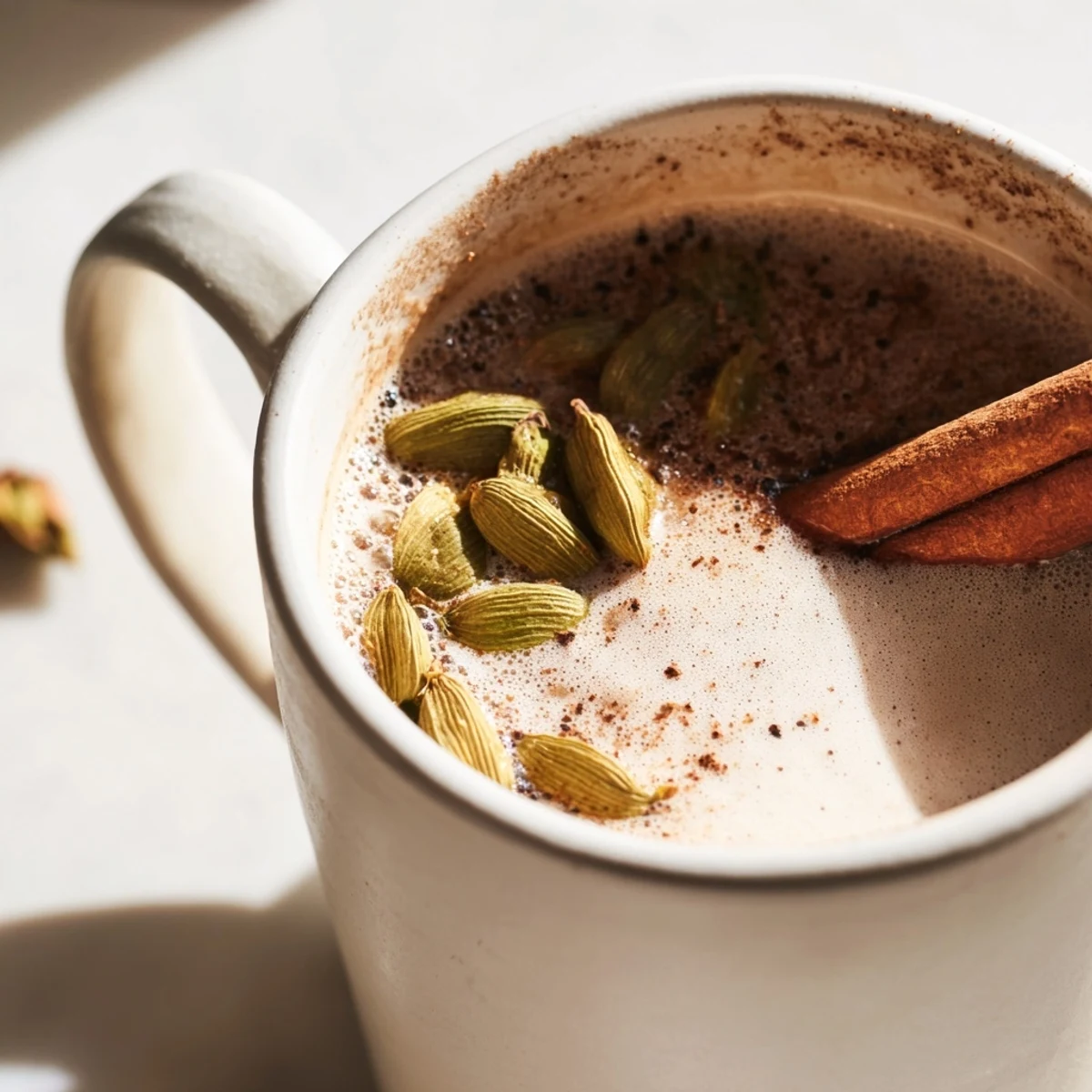
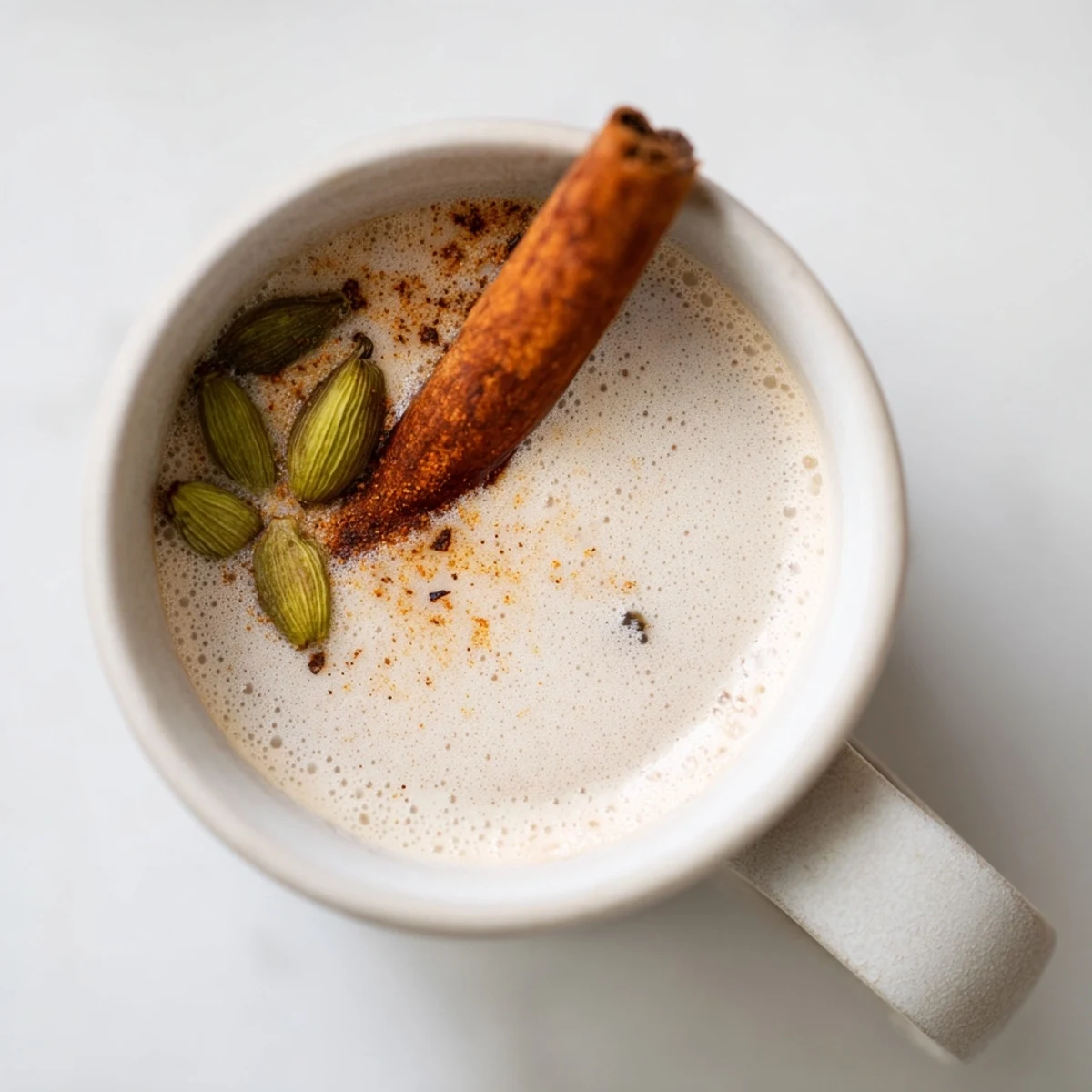
 This traditional Indian spiced chai offers a comforting blend of green cardamom, cloves, cinnamon, peppercorns, star anise, and fresh ginger simmered with black tea. Milk and sugar add richness and sweetness to balance the spices. The tea is simmered gently to infuse flavors, strained, and served hot, creating a warm, aromatic beverage ideal for relaxation and refreshment. Adjust sweetness and spice level to preference, with plant-based milk alternatives available for a vegan-friendly variation.
The first time I truly understood chai wasn't from a recipe—it was from my neighbor's kitchen on a cold Tuesday morning when she pressed a steaming cup into my hands and said, "This is how my grandmother made it." The warmth seeped through my palms before the first sip, and suddenly, all those spices I'd walked past in the grocery store had a purpose. Now I make it whenever the season shifts or when I need that particular kind of comfort that only comes from something both familiar and exotic.
I learned to make this properly on a rainy Sunday when my roommate's parents visited, and I wanted to impress them with something beyond store-bought tea. Watching her mother's face light up when she recognized the cardamom told me I'd gotten something right. She sat in our tiny kitchen for three hours after that, and we barely talked—just drank chai and existed together in that comfortable way that only happens around good tea.
Ingredients
- Green cardamom pods: These are the heart of chai—lightly crush them to release the oils without breaking them into pieces that'll slip into your cup.
- Whole cloves: They have an almost medicinal sharpness that balances the sweetness; a little goes a long way.
- Cinnamon stick: Choose one that's fresh enough to snap cleanly, not brittle and dusty.
- Black peppercorns: These add a subtle heat that builds as you drink rather than hitting you upfront.
- Fresh ginger: The slice should be thin enough to infuse quickly but substantial enough to matter; this is where the "spiced" in spiced chai really lives.
- Star anise: Optional, but it adds a licorice note that makes people pause mid-sip and wonder what that flavor is.
- Black tea: Assam is traditional because it's bold enough to hold its own against the spices; don't use delicate teas here.
- Whole milk: It rounds out the sharp edges of the spices and makes the drink feel like a small luxury.
- Sugar: Start with less than you think you need; you can always add more to your cup.
Instructions
- Toast and bloom the spices:
- Combine water and all the spices in your saucepan and bring to a boil. You'll smell them before the water even steams—that's when you know they're releasing their essence.
- Let them whisper together:
- Reduce heat and simmer for 5 minutes while the spices soften and meld. The water should smell almost impossibly fragrant at this point.
- Introduce the tea:
- Add your black tea and let it steep for 2-3 minutes. Don't walk away—stand there and watch it darken, knowing this is the moment everything comes together.
- Make it creamy and warm:
- Pour in the milk and sugar, stirring gently, and bring it back to a soft simmer. The chai will transform into something almost golden.
- Separate and serve:
- Pour slowly through your strainer into cups, letting the liquid pass through while catching all the beautiful solids behind. Serve immediately while it's still steaming.
 Save to Pinterest
 This drink became my winter ritual after that rainy Sunday, but it's also what I make when someone I care about is going through something hard. There's something about the act of brewing it—the deliberate steps, the patience, the scent filling the kitchen—that says without words: you matter enough for this. It's tea, technically, but it's also a conversation starter and a comfort and proof that the best things in life rarely come from a package.
The Spice Ratios That Actually Work
I've tried making chai with pre-mixed spice blends and it was never quite right—something was always off, either too sharp or too muted. That's when I realized the ratios matter more than anything. Four cardamom pods to four cloves keeps things balanced; add any more cloves and they overshadow everything else. The star anise isn't traditional in most Indian homes I've visited, but it's my own small addition because I like that anise sweetness at the end. Don't be afraid to adjust the ginger amount based on your own heat tolerance—some days I add a thicker slice, other days I use just a whisper of it.
Milk Choices and What They Change
Whole milk creates that luxurious, creamy chai that coats your mouth, but oat milk comes remarkably close if you need to avoid dairy. Almond milk tastes fine but can feel a bit thin—it needs an extra half-tablespoon of sugar to feel complete. Coconut milk makes everything richer and slightly sweeter on its own, which can overwhelm the spices if you're not careful. Experiment with what you have on hand; chai is forgiving enough to work with most milk options, and you might discover your own favorite variation.
When and Why Chai Matters
This isn't an everyday tea—it's the tea for specific moments, the ones that need a little ceremony. Chai works best in the morning when you want something more interesting than coffee, or in the afternoon when the day is sliding into evening and you want to slow everything down. It's perfect alongside something sweet like a biscuit or a small pastry, or by itself if you're the kind of person who believes good tea doesn't need a snack to justify it. Make it for people you want to impress, or make it for yourself on days when you've earned something that takes twenty minutes and tastes like someone cares.
- Chai pairs beautifully with Indian snacks like samosas, pakoras, or buttery biscuits.
- Save any leftover brewed chai—it reheats gently on the stove and tastes almost as good as fresh.
- Double the batch if friends are coming over; somehow chai always tastes better when it's meant to be shared.
 Save to Pinterest
 Chai is one of those rare recipes that improves with repetition—you'll learn your kitchen's timing, your preference for sweetness, the exact moment the spices have given everything they have. Make it again and again until it feels like your own.
Recipe FAQs
- → What spices are used in this chai blend?
-
The blend includes green cardamom pods, whole cloves, cinnamon stick, black peppercorns, fresh ginger slices, and optionally star anise for added aroma.
- → Can I use loose black tea instead of tea bags?
-
Yes, loose black tea, preferably Assam, can be used for a richer flavor. Measure about two teaspoons per batch.
- → How long should I simmer the spices for best flavor?
-
Simmer the spices for about five minutes to release their aromas before adding tea leaves or bags.
- → Are there dairy-free alternatives for this beverage?
-
Absolutely, plant-based milks like oat or almond milk work well as substitutes without sacrificing creaminess.
- → How can I adjust the sweetness and spice level?
-
Modify the sugar quantity to taste and increase or reduce spices such as ginger and peppercorns according to preference.