
 Save to Pinterest
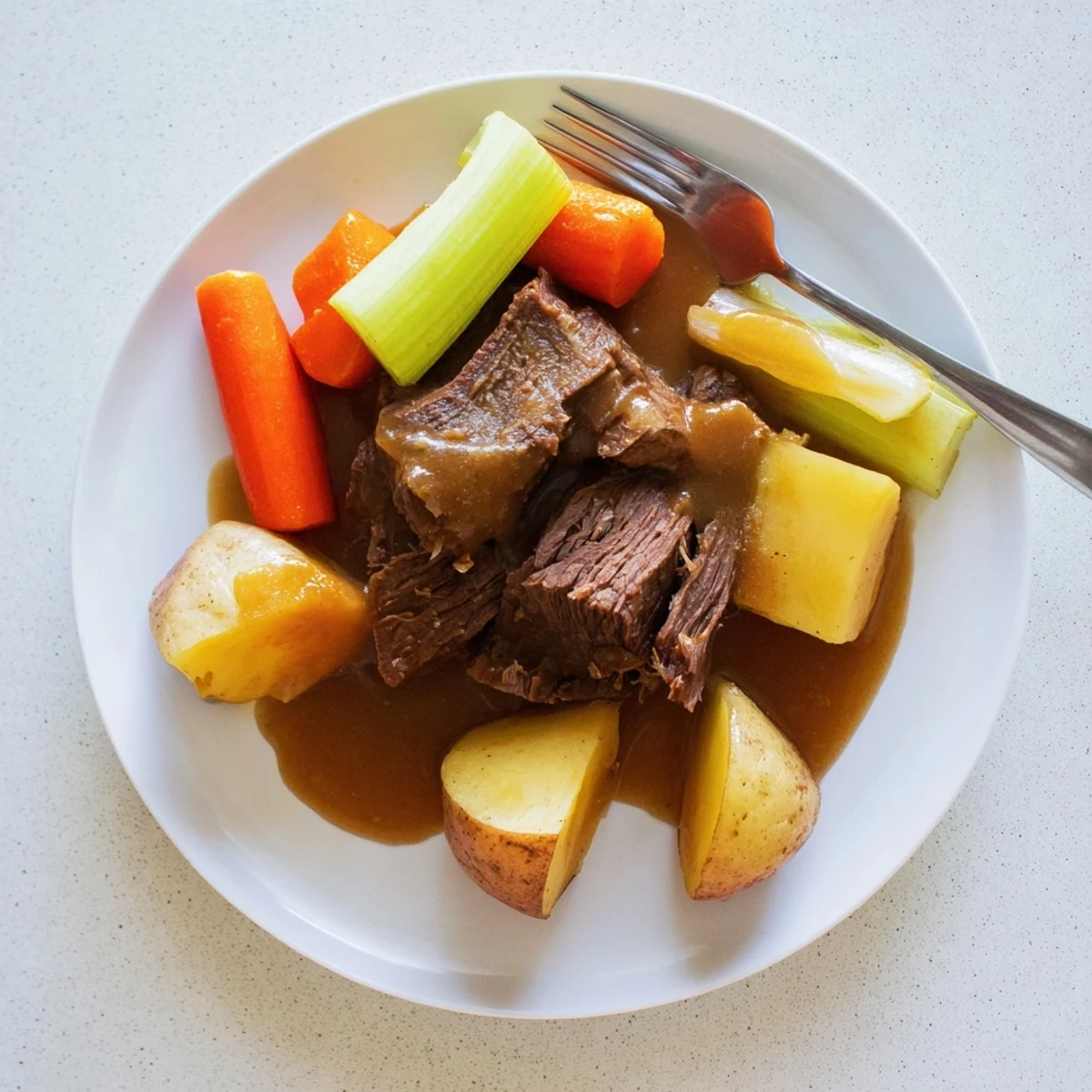
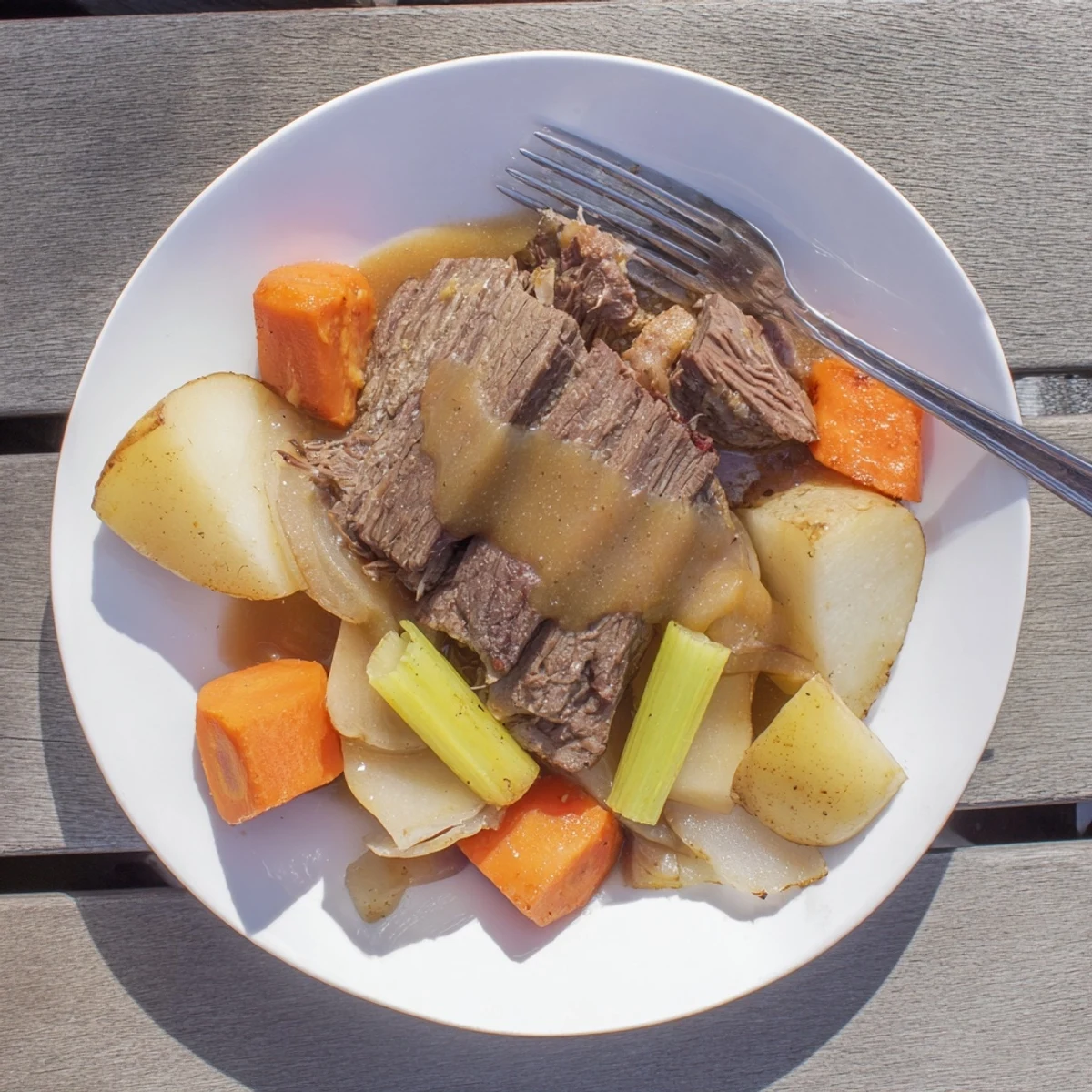
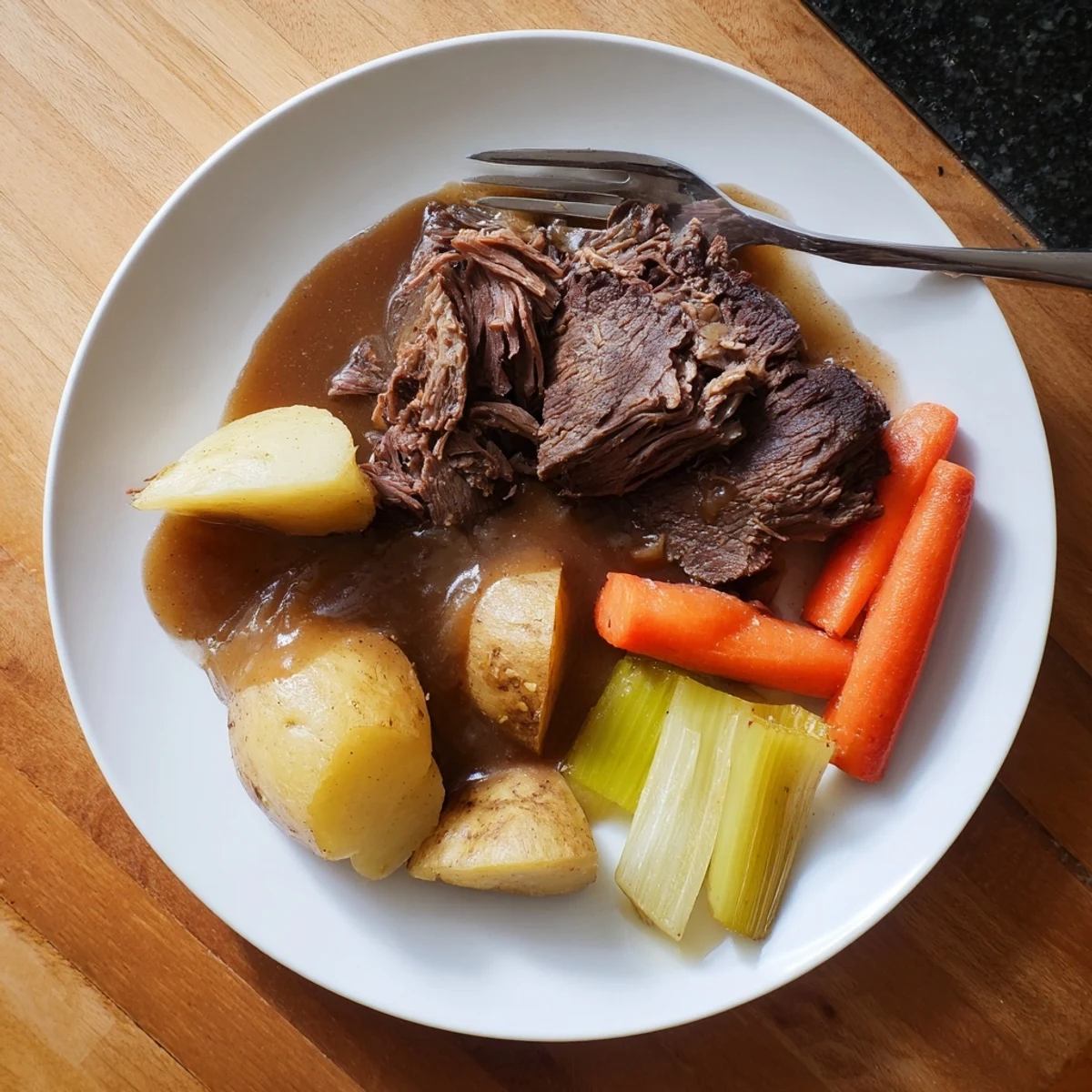
 This hearty Southern-style pot roast features a tender beef chuck roast that's been slowly braised for hours until fork-tender. The beef is seared to develop deep flavor, then cooked alongside classic vegetables like carrots, potatoes, celery, and onions in a savory beef broth infused with smoked paprika, thyme, rosemary, and Worcestershire sauce. The result is meltingly tender meat and soft, flavorful vegetables served with a thick, rich gravy made from the cooking liquids.
My grandmother's house always smelled like this pot roast on Sundays, that rich beef aroma winding through every room. She'd start it before church and let it work its magic while we were away. I remember pressing my nose against the oven door as a kid, watching the bubbles break through the dark gravy. Now it's my go-to when I need something that says home without me having to stand over the stove all day.
Last winter I made this for a neighbor who'd just had surgery, and she told me it was the first thing that actually tasted good in weeks. There's something about slow-cooked beef and root vegetables that feels like a hug in a bowl. I've since learned that a little patience in the browning step pays off in flavor dividends.
Ingredients
- 3 lbs chuck roast: This cut has enough marbling to stay juicy through hours of cooking, developing that fork-tender texture we're after
- 1 tsp kosher salt and 1/2 tsp black pepper: Simple seasoning goes a long way, so dont skip this even though we're adding more spices later
- 2 tbsp vegetable oil: You need a neutral oil with a high smoke point for getting that gorgeous dark crust on the beef
- 4 large carrots, 4 medium russet potatoes, 2 celery stalks: Classic vegetables that hold their shape during braising while absorbing all those savory flavors
- 1 large yellow onion and 4 cloves garlic: These aromatics form the flavor foundation, blooming in the hot fat after the beef is seared
- 2 cups beef broth, 1 cup water, 2 tbsp Worcestershire sauce: The braising liquid that becomes your gravy, with Worcestershire adding that essential deep umami note
- 2 tsp smoked paprika, 1 tsp dried thyme, 1 tsp dried rosemary, 2 bay leaves: This spice blend gives it that distinctive Southern profile without being overwhelming
- 2 tbsp cornstarch and 1/4 cup cold water: The secret to velvety smooth gravy that clings perfectly to every bite
Instructions
- Preheat and prep the beef:
- Get your oven to 325°F and pat the chuck roast thoroughly dry with paper towels, then season it generously with salt and pepper on all sides.
- Sear to perfection:
- Heat the oil in a large Dutch oven over medium-high heat until it shimmers, then brown the roast for about 3-4 minutes per side until its deeply caramelized.
- Build the aromatic base:
- Sauté the onion and garlic in those flavorful browned bits for 2-3 minutes until fragrant, then add your carrots, potatoes, and celery to coat them in the rendered fat.
- Bring it all together:
- Nestle the beef back among the vegetables, then pour in your broth, water, and Worcestershire before sprinkling in all those spices and tucking in the bay leaves.
- Let the oven do the work:
- Cover tightly with the lid and braise for 2.5 to 3 hours until the beef yields easily to a fork and the vegetables are meltingly tender.
- Make the magic gravy:
- Skim the excess fat from the cooking liquid, whisk together the cornstarch and cold water until smooth, then stir it in and simmer for 3 minutes until thickened.
 Save to Pinterest
 This recipe became a tradition in our house during those first years of parenthood when we needed something nourishing that could mostly cook itself. My husband still requests it on rainy Sundays, and I always say yes because the payoff is so enormous.
Choosing The Right Cut
Chuck roast is ideal here because it has plenty of connective tissue that breaks down into gelatin during long cooking. Ive tried other cuts, but they either dry out or lack that luxurious mouthfeel. Look for a piece with good marbling throughout.
Vegetable Timing
Sometimes I add the potatoes halfway through cooking if Im using smaller ones, as they can fall apart before the beef is tender. The carrots are more forgiving and develop a lovely sweetness. Trust your instincts and adjust accordingly.
Serving Suggestions
A crusty piece of cornbread or fluffy buttermilk biscuits are practically mandatory for sopping up that gravy. I also love serving this over creamy mashed potatoes when I want extra comfort on the plate.
- A simple green salad with vinaigrette cuts through all that richness beautifully
- Leftover roast makes incredible sandwiches the next day, especially with extra gravy
- The flavors actually improve overnight, so dont hesitate to make this a day ahead
 Save to Pinterest
 Theres something profoundly satisfying about a dish that rewards patience so generously. Every time I lift that lid and see the rich, bubbling gravy, I remember why slow cooking will always have a place in my kitchen.
Recipe FAQs
- → What cut of beef works best for pot roast?
-
Chuck roast is ideal for pot roast because it has plenty of marbling and connective tissue that breaks down during slow cooking, resulting in tender, flavorful meat. Other cuts like brisket or round can also work well.
- → Can I make this in a slow cooker instead of the oven?
-
Yes, this adapts perfectly to a slow cooker. Sear the beef first in a skillet, then transfer everything to your slow cooker and cook on low for 8-10 hours or on high for 4-6 hours until the beef is fork-tender.
- → How do I know when the pot roast is done?
-
The roast is done when it's fork-tender—you should be able to easily insert a fork into the meat and twist it without resistance. The internal temperature should reach around 195-205°F for optimal tenderness.
- → Can I prepare this the day before serving?
-
Absolutely. In fact, pot roast often tastes better the next day as the flavors have more time to meld. Let it cool completely, refrigerate, then reheat gently on the stovetop or in the oven before serving.
- → What vegetables can I add or substitute?
-
Beyond the classic carrots, potatoes, and celery, you can add parsnips, turnips, sweet potatoes, or pearl onions. For a lower-carb option, replace potatoes with rutabaga or additional root vegetables.
- → How should I store leftovers?
-
Store leftover roast, vegetables, and gravy together in an airtight container in the refrigerator for up to 4 days. The gravy helps keep everything moist. You can also freeze for up to 3 months.