
 Save to Pinterest
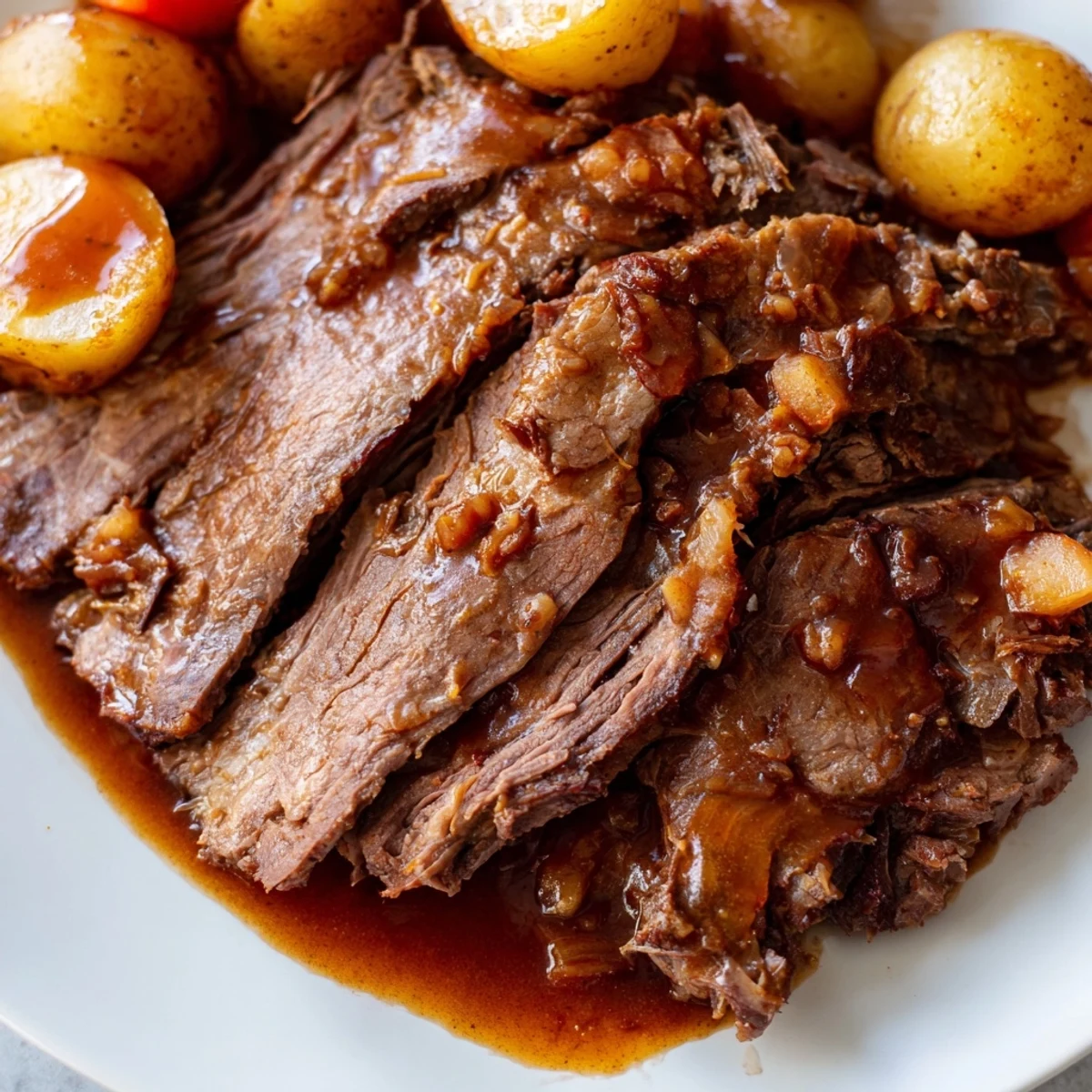
 This dish features a tender beef chuck roast slow-cooked alongside baby potatoes, carrots, and onions. The roast is seared for a rich flavor, then cooked low and slow for hours until melt-in-your-mouth tender. A savory homemade gravy made from the cooking liquids thickens to complement the beef and vegetables perfectly, enhancing the natural flavors.
The seasoning blend of salt, pepper, thyme, and rosemary infuses the meat, while Worcestershire sauce and tomato paste add depth to the broth. This meal comes together with simple techniques and classic ingredients, creating a comforting main course ideal for a family dinner or special gathering.
There's something about the smell of a pot roast that fills a kitchen with quiet confidence. I learned to make this dish from my grandmother, who had a particular way of letting the slow cooker do the heavy lifting while she went about her day, checking in only to peek under the lid and smile at the transformation happening inside. The beef becomes impossibly tender, the vegetables turn golden and sweet, and somehow a simple broth becomes this rich, velvety gravy that makes everything taste like home. It's the kind of meal that turns an ordinary Tuesday into something worth remembering.
I made this for my family on a snowy Sunday, and my kids actually asked for seconds of the vegetables, which had never happened before. The carrots had softened into this sweet, glossy state that made them irresistible, and the potatoes absorbed every bit of flavor from the broth and beef. My husband stood in the kitchen just inhaling the steam from the slow cooker, and we both knew we'd be making this again soon.
Ingredients
- Beef chuck roast (3 lb): This cut has just enough marbling to become incredibly tender during long, slow cooking, falling apart at the gentlest touch by hour eight.
- Baby potatoes (1 ½ lb): Smaller potatoes hold their shape better than large ones and cook through evenly without turning to mush on the edges.
- Carrots (4 large, cut into 2-inch pieces): Cut them slightly thicker than you might think; they'll soften considerably and you want them to stay distinct on the plate.
- Yellow onion (1 large, cut into wedges): The wedges melt into the broth, adding a subtle sweetness that balances the savory beef.
- Garlic (3 cloves, minced): Mince it fresh right before adding; it perfumes the entire dish without overpowering it.
- Kosher salt (2 tsp): Kosher salt dissolves more evenly than table salt and won't make your gravy taste harsh.
- Black pepper (1 tsp): Freshly ground makes all the difference in a dish with so few seasonings.
- Dried thyme and rosemary (1 tsp each): These herbs are earthy anchors; don't skip them or substitute with fresh, which will turn bitter after eight hours.
- Beef broth (2 cups): Quality matters here since it's the foundation of your gravy; use low-sodium so you can control the salt.
- Tomato paste (2 tbsp): A small amount adds depth and body without making the dish taste like tomato.
- Worcestershire sauce (2 tbsp): This is the secret ingredient that makes people ask what's in your gravy; umami in liquid form.
- Cornstarch slurry (2 tbsp cornstarch mixed with 2 tbsp cold water): This thickens the gravy in the final minutes, creating that glossy, coating consistency.
Instructions
- Season boldly:
- Pat the roast dry with paper towels, then rub salt, pepper, thyme, and rosemary all over it like you're getting it ready for something important. This seasoning step is what keeps the beef from tasting flat after hours of slow cooking.
- Get a golden crust:
- Heat your skillet until it's hot enough that a drop of water sizzles immediately, then lay the roast down and let it sit undisturbed for a few minutes before flipping. You're not cooking it through; you're just building a flavor foundation with that beautiful brown exterior.
- Build your vegetable bed:
- Scatter potatoes, carrots, and onion across the slow cooker bottom, then tuck the minced garlic in between them. These vegetables will cushion the roast and release their flavor upward into the broth.
- Nestle the roast:
- Place your seared roast right on top of the vegetables, fat-side up if possible. This positioning lets the fat baste everything as it melts during cooking.
- Make the braising liquid:
- Whisk together the broth, tomato paste, and Worcestershire sauce in a bowl until the tomato paste dissolves completely, then pour it around (not over) the roast. This liquid becomes your gravy, so those flavors matter.
- Cook low and slow:
- Cover and set to low for 8 hours; resist the urge to peek more than once or twice. The meat is done when a fork slides through it like butter, and the vegetables are tender but still hold their shape.
- Separate the components:
- Carefully remove the roast and vegetables to a warm platter using tongs and a slotted spoon, keeping them warm while you finish the gravy. This prevents them from overcooking in residual heat.
- Skim and refine:
- Use a spoon or fat separator to remove any obvious fat floating on top of the cooking liquid; you want some richness, but not a greasy gravy. A few minutes of this step makes a noticeable difference in the final taste.
- Thicken with a slurry:
- Mix cornstarch and cold water in a small bowl until smooth and pourable, then stir it into the slow cooker liquid. The starch granules swell and thicken the gravy as they heat.
- Finish the gravy:
- Turn the heat to high and stir occasionally for 5 to 10 minutes, watching as the liquid transforms from thin to glossy and coats the back of a spoon. This final step turns cooking liquid into something restaurant-worthy.
- Plate and serve:
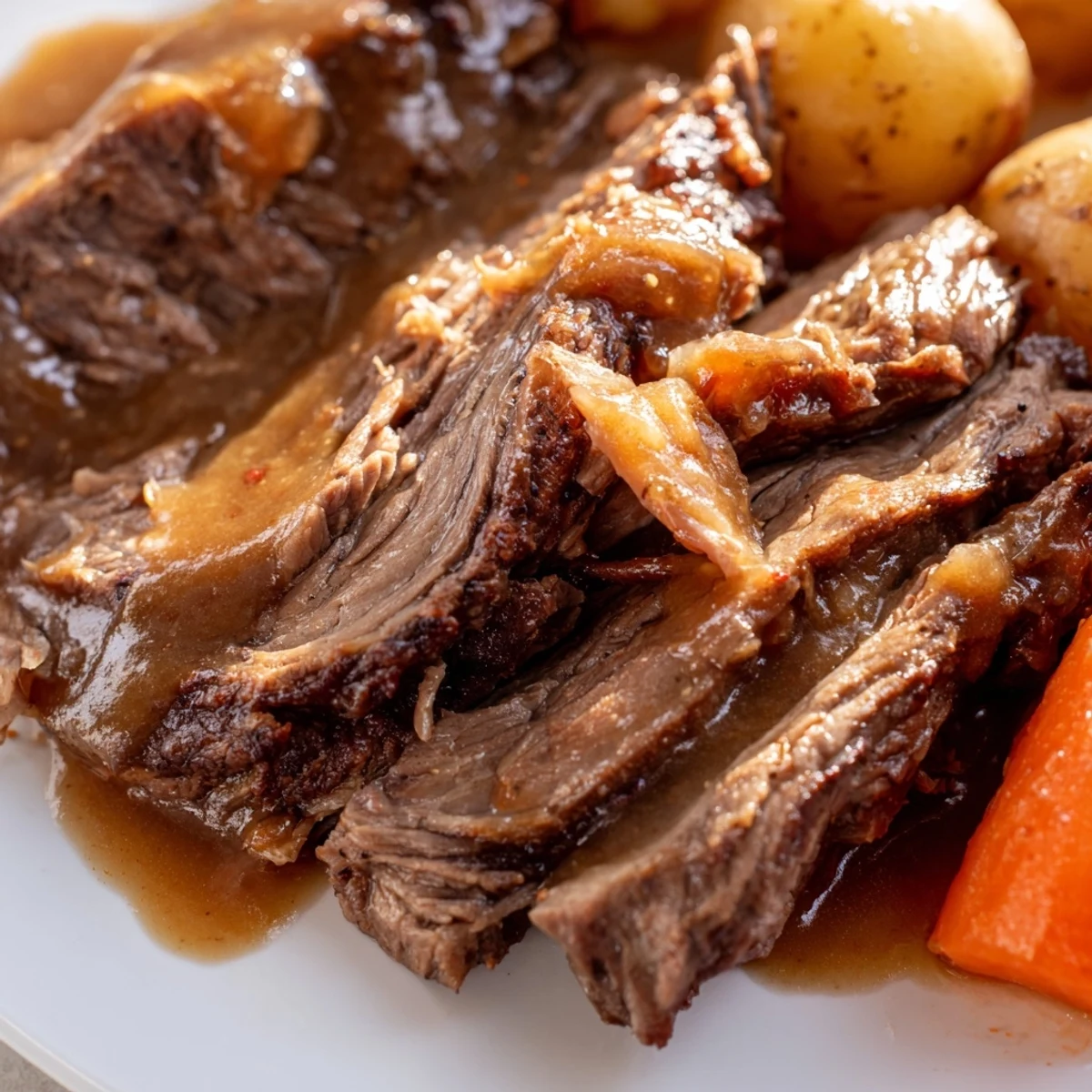
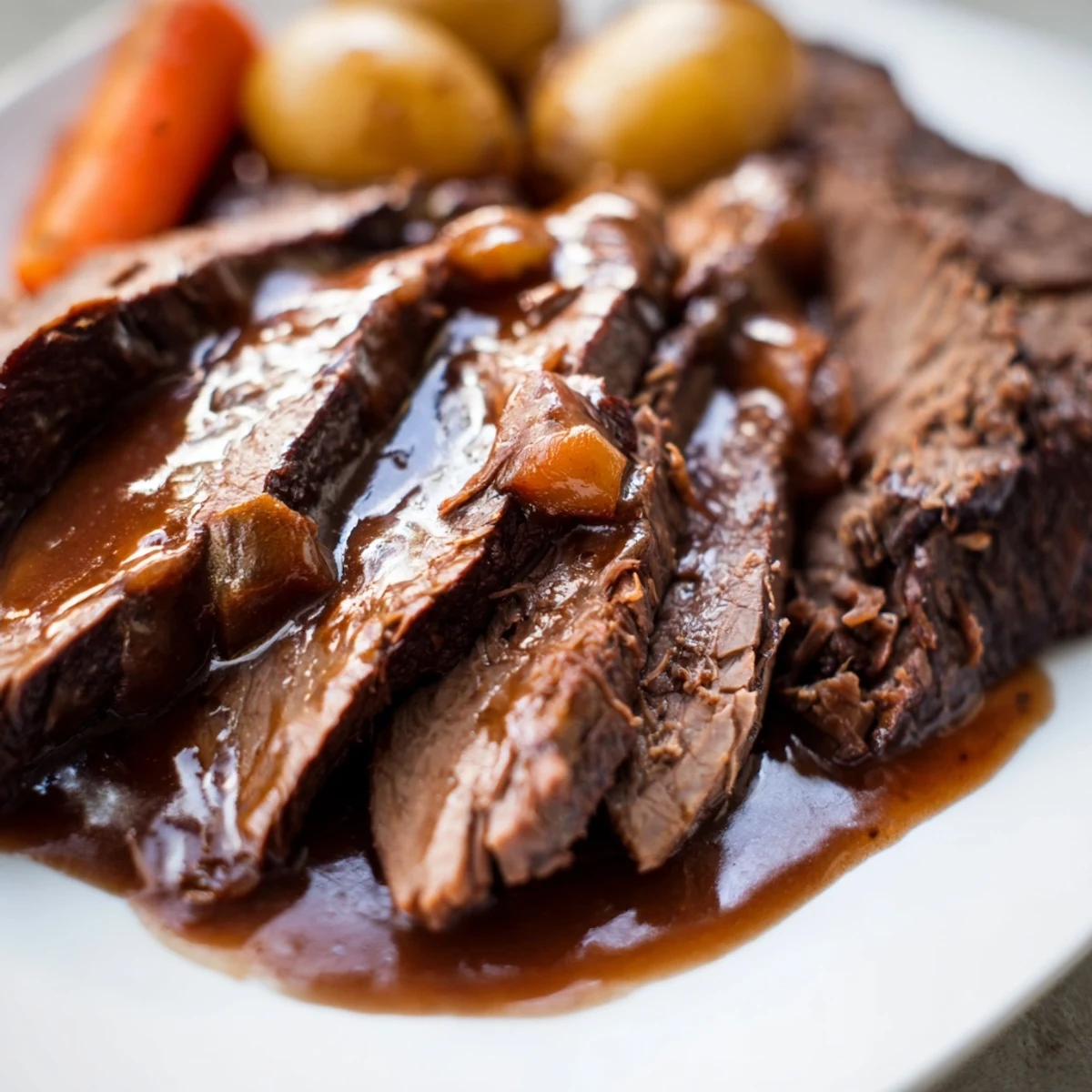
- Slice or shred the roast into generous pieces, arrange with vegetables on a platter, and ladle that beautiful gravy over everything. The contrast of tender meat, soft vegetables, and silky sauce is what this dish is all about.
 Save to Pinterest
 This dish has a way of bringing people together without any fuss on your part, which is partly why I return to it again and again. There's something deeply satisfying about serving food that tastes like you've been cooking all day, when really you've just been living your life.
The Magic of Low and Slow Cooking
Slow cooking works by breaking down the collagen in tougher cuts of meat, turning it into gelatin that makes the beef silky and gives the gravy natural body. The low, steady heat means the muscle fibers relax instead of seizing up, so you get tenderness that's impossible to achieve on a stovetop. I learned this the hard way after trying to rush a pot roast on high heat and ending up with something that resembled shoe leather; now I trust the process and the eight hours become a gift of time.
Vegetables That Transform
Root vegetables are the underrated stars of this dish because they change so completely during cooking, becoming sweet and almost caramelized while staying intact enough to serve alongside the meat. The potatoes soak up the broth like sponges, turning golden on the edges where they touch the slow cooker. Carrots release their natural sugars and mellow into something almost candy-like, which is why even people who usually push vegetables to the side of their plate often eat every piece.
Building Your Own Flavor
This recipe is straightforward enough to make every time without consulting notes, but flexible enough to make your own when inspiration strikes. The base of beef, vegetables, and herbs is your foundation, and from there you can experiment with different additions and tweaks.
- A splash of red wine added with the broth brings acidity and complexity that makes people pause mid-bite to figure out what makes it taste so good.
- Parsnips or turnips can replace some of the carrots for a slightly earthier, more sophisticated root vegetable mix.
- Serve it alongside crusty bread or buttery mashed potatoes to soak up every last drop of gravy, because throwing away that gravy would be a genuine tragedy.
 Save to Pinterest
 There's comfort in knowing that on any given day, you can fill your home with this smell and promise your family something worth gathering around. This pot roast has earned its place as a reliable favorite that tastes special every single time.
Recipe FAQs
- → What cut of beef works best for this dish?
-
Beef chuck roast is ideal due to its marbling, which breaks down during slow cooking to create tender, flavorful meat.
- → Can I use other vegetables besides carrots and potatoes?
-
Yes, root vegetables like parsnips or turnips can be substituted or added for variety and different textures.
- → How do I get the gravy to thicken properly?
-
Mix cornstarch with cold water to create a slurry and stir it into the cooking liquid. Cook on high while stirring until it thickens.
- → Is it necessary to sear the beef before slow cooking?
-
Searing the beef seals in juices and develops a rich, caramelized flavor enhancing the overall dish.
- → How can I adapt this for a gluten-free diet?
-
Use gluten-free beef broth and Worcestershire sauce to ensure the dish remains safe for gluten-sensitive individuals.