
 Save to Pinterest
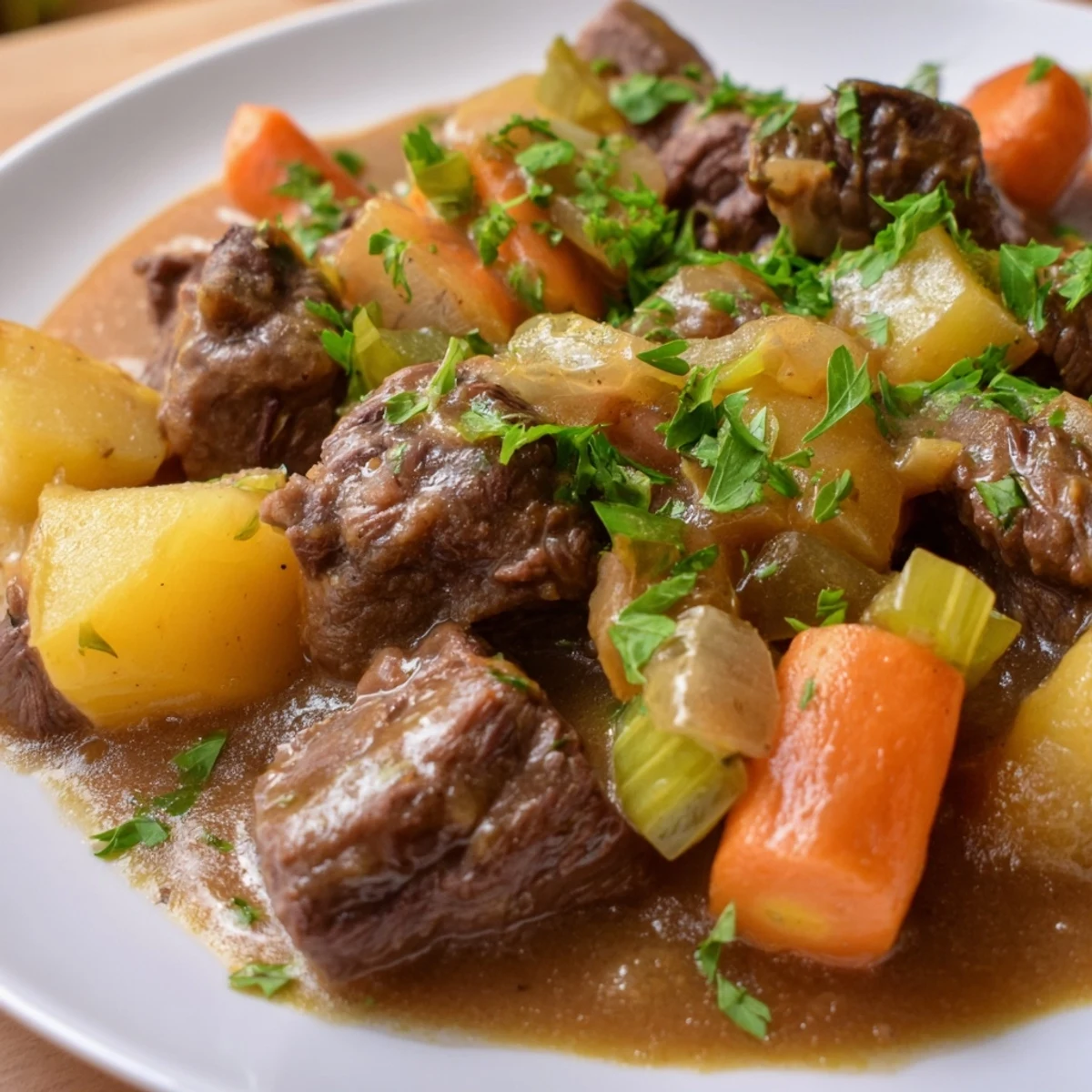
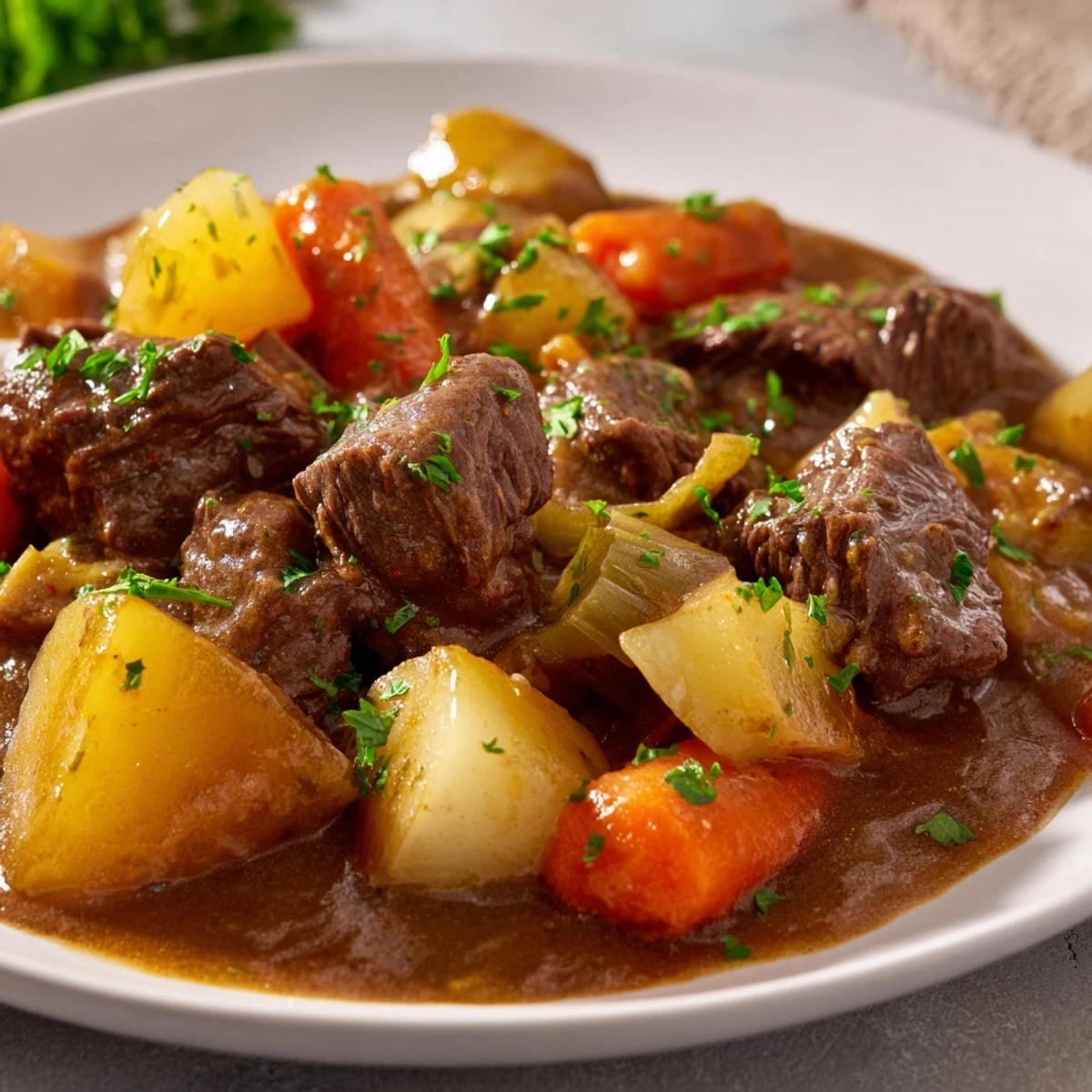
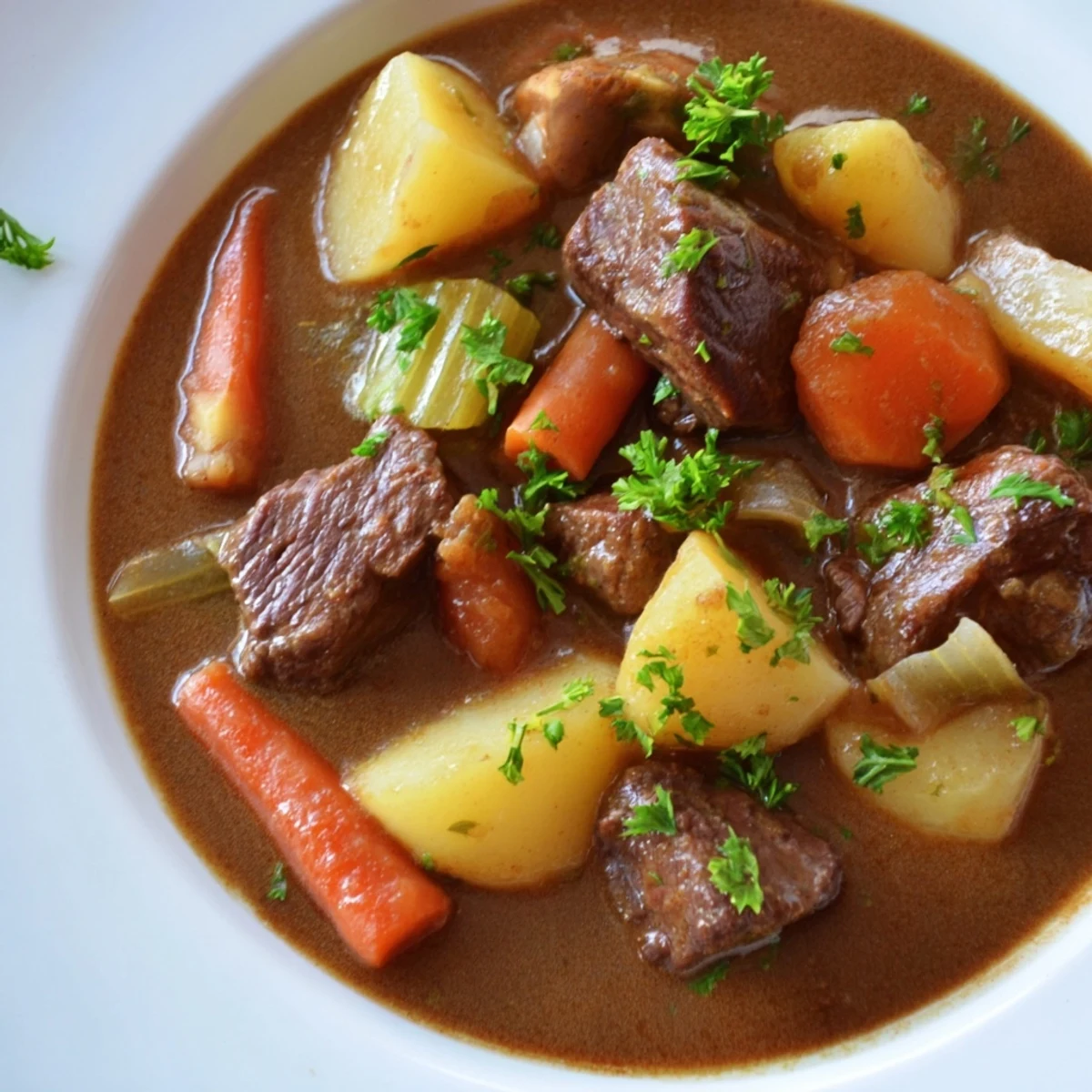
 This dish features tender cubes of beef combined with a mix of carrots, parsnips, potatoes, celery, and onion, all simmered slowly to enhance flavors. Aromatic herbs like thyme and rosemary add depth, while optional browning of beef boosts richness. The slow cooking process creates a hearty, comforting texture that melts in your mouth. Adjust seasoning and thicken with a cornstarch slurry as desired. Garnish with fresh parsley for a bright finish.
I threw everything into the slow cooker one cold morning before work, doubting it would turn out as good as the stovetop version I grew up with. When I came home that evening, the smell hit me at the door, warm and deep, like my grandmother's kitchen on Sunday afternoons. The beef had gone so tender it practically dissolved on the fork, and the vegetables had soaked up all that rich, winy broth. I've been making it this way ever since.
The first time I made this for friends, I panicked because I forgot to brown the beef. They didn't notice. They went back for seconds, sopping up the broth with bread, and one of them asked if I'd been hiding some secret family recipe. I learned that night that sometimes the best cooking is the kind that doesn't try too hard.
Ingredients
- Beef chuck: This cut has just enough marbling to stay juicy through the long cook, and it shreds apart beautifully after eight hours of gentle heat.
- Carrots: They turn sweet and soft without falling apart, soaking up all the savory broth while keeping their shape on the spoon.
- Parsnips: These add a subtle earthy sweetness that balances the richness of the beef, and they hold up better than you'd think in a slow cooker.
- Potatoes: I use regular russets or Yukon golds because they break down just enough to thicken the stew naturally without turning to mush.
- Celery and onion: The backbone of the flavor, they melt into the background but you'd miss them if they weren't there.
- Garlic: Fresh cloves give a mellow, roasted flavor after all those hours, nothing sharp or bitter.
- Beef broth: Low sodium is key so you can control the salt, especially after everything reduces and concentrates.
- Red wine: Just half a cup adds depth and a little tang, but if you skip it, a splash of balsamic vinegar works in a pinch.
- Tomato paste: A small amount goes a long way, rounding out the broth with a hint of umami and color.
- Worcestershire sauce: This is the secret ingredient that makes people ask what you did differently, it adds layers you cant quite name.
- Thyme and rosemary: Dried herbs are perfect here because they bloom slowly and evenly, filling every bite with quiet warmth.
- Bay leaves: Don't skip these, they add a subtle complexity that ties everything together, just remember to fish them out before serving.
- Cornstarch or flour: Only if you want a thicker stew, I usually add it in the last half hour and it transforms the texture without any fuss.
- Fresh parsley: A handful at the end brightens the whole bowl and makes it look like you plated it with care.
Instructions
- Prep the beef:
- Pat those cubes dry with paper towels so the salt and pepper actually stick, and the meat doesn't steam in its own moisture. Season generously, more than you think you need, because the vegetables and broth will dilute it.
- Brown the beef (optional but worth it):
- Heat a skillet until it's almost smoking, then sear the beef in batches without crowding the pan. You're not cooking it through, just building a crust that adds a deeper, caramelized flavor to the final stew.
- Load the slow cooker:
- Toss the browned beef and all the chopped vegetables into the slow cooker, no particular order, it all evens out. Nestle the garlic in there too so it doesn't burn on the surface.
- Make the broth mixture:
- Whisk together the beef broth, wine, tomato paste, and Worcestershire sauce until smooth. Pour it over everything in the slow cooker, making sure the liquid comes up about three quarters of the way.
- Add the herbs:
- Sprinkle in the thyme and rosemary, then drop the bay leaves on top. Give it one good stir to distribute the flavors, then put the lid on and walk away.
- Cook low and slow:
- Set it to low and let it go for eight hours, resisting the urge to lift the lid and check. Every peek lets out heat and adds time, and the magic happens when you leave it alone.
- Thicken if desired:
- About thirty minutes before you're ready to eat, mix the cornstarch or flour with water until smooth, then stir it into the stew. It'll thicken up as it finishes cooking, turning the broth into something you'll want to soak up with bread.
- Finish and serve:
- Fish out the bay leaves, taste for salt and pepper, and adjust if needed. Ladle into bowls, sprinkle with fresh parsley, and serve it hot with something crusty on the side.
 Save to Pinterest
 One winter night, I made this stew for my dad after he'd spent the day shoveling snow. He didn't say much, just sat at the table with his bowl and a piece of bread, eating slowly. When he finished, he looked up and said it reminded him of something his mother used to make. That's when I knew this recipe was a keeper.
Choosing Your Vegetables
Root vegetables are forgiving in a slow cooker, but size matters. Cut everything into similar sized pieces so they cook evenly, otherwise you'll end up with mush and crunch in the same spoonful. I learned this the hard way when I got lazy with the knife and ended up with carrot coins that dissolved and potato chunks that were still firm. Turnips and rutabagas are great swaps if you want a slightly peppery bite, and they hold their shape beautifully. Just avoid anything too delicate like zucchini or bell peppers, they turn to mush and lose all their character.
Make It Your Own
This stew is a template, not a rule. I've added a handful of frozen peas in the last ten minutes for a pop of color, and I've swapped the red wine for a dark beer when that's what I had open. Once, I stirred in a spoonful of Dijon mustard at the end because I wanted a little tang, and it worked. The bones of the recipe stay the same, but the details can shift depending on your mood or what's in the fridge.
Storing and Reheating
Stew is one of those rare dishes that improves with time. Let it cool completely, then store it in airtight containers in the fridge for up to four days, or freeze it for up to three months. When you reheat it, do it gently on the stovetop over low heat, adding a splash of broth or water if it's thickened too much. I've microwaved it in a pinch, but the stovetop brings back that just cooked tenderness.
- If freezing, leave a little headspace in the container because the liquid expands.
- Label it with the date, because three months later you won't remember if it's stew or chili.
- Reheat only what you'll eat, the texture suffers if you keep warming and cooling the same batch.
 Save to Pinterest
 This stew has become my cold weather default, the thing I make when I want the house to feel like home without spending the day in the kitchen. I hope it does the same for you.
Recipe FAQs
- → Can I brown the beef before slow cooking?
-
Yes, browning beef cubes in a skillet before slow cooking enhances the richness and depth of flavor.
- → What root vegetables work best in this dish?
-
Carrots, parsnips, potatoes, and celery are ideal, but you may substitute turnips or rutabagas for variety.
- → How do I thicken the stew if needed?
-
Mix cornstarch or gluten-free flour with water to create a slurry, then stir it into the stew during the last 30 minutes of cooking.
- → Can I use red wine in the cooking liquid?
-
Yes, adding dry red wine adds depth, but it is optional and can be omitted if preferred.
- → What garnish complements this dish?
-
Fresh chopped parsley adds a bright, fresh finish to the hearty stew.
- → Is this suitable for gluten-free diets?
-
Yes, ensure the thickening agent is gluten-free and check Worcestershire sauce labels to avoid gluten.