
 Save to Pinterest
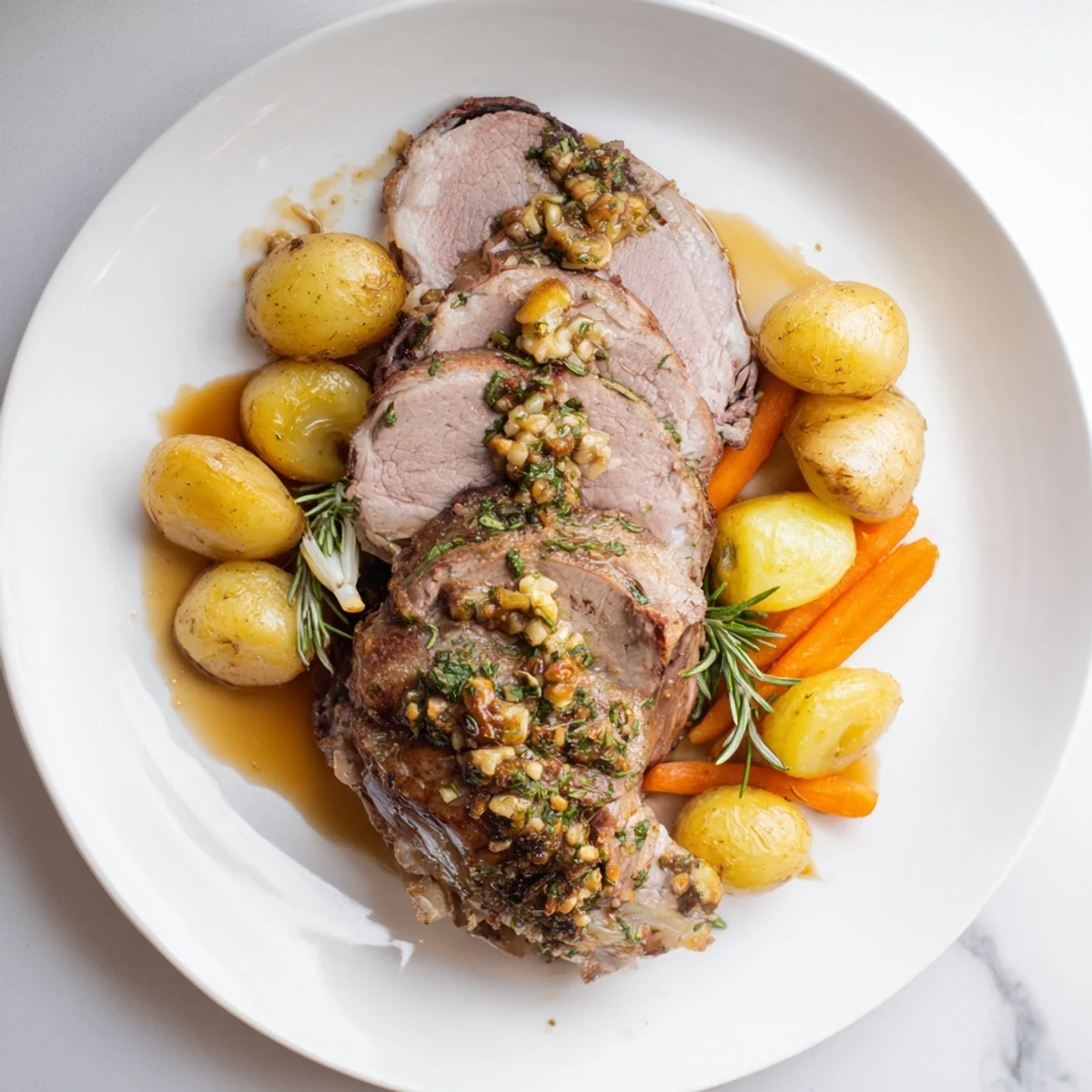
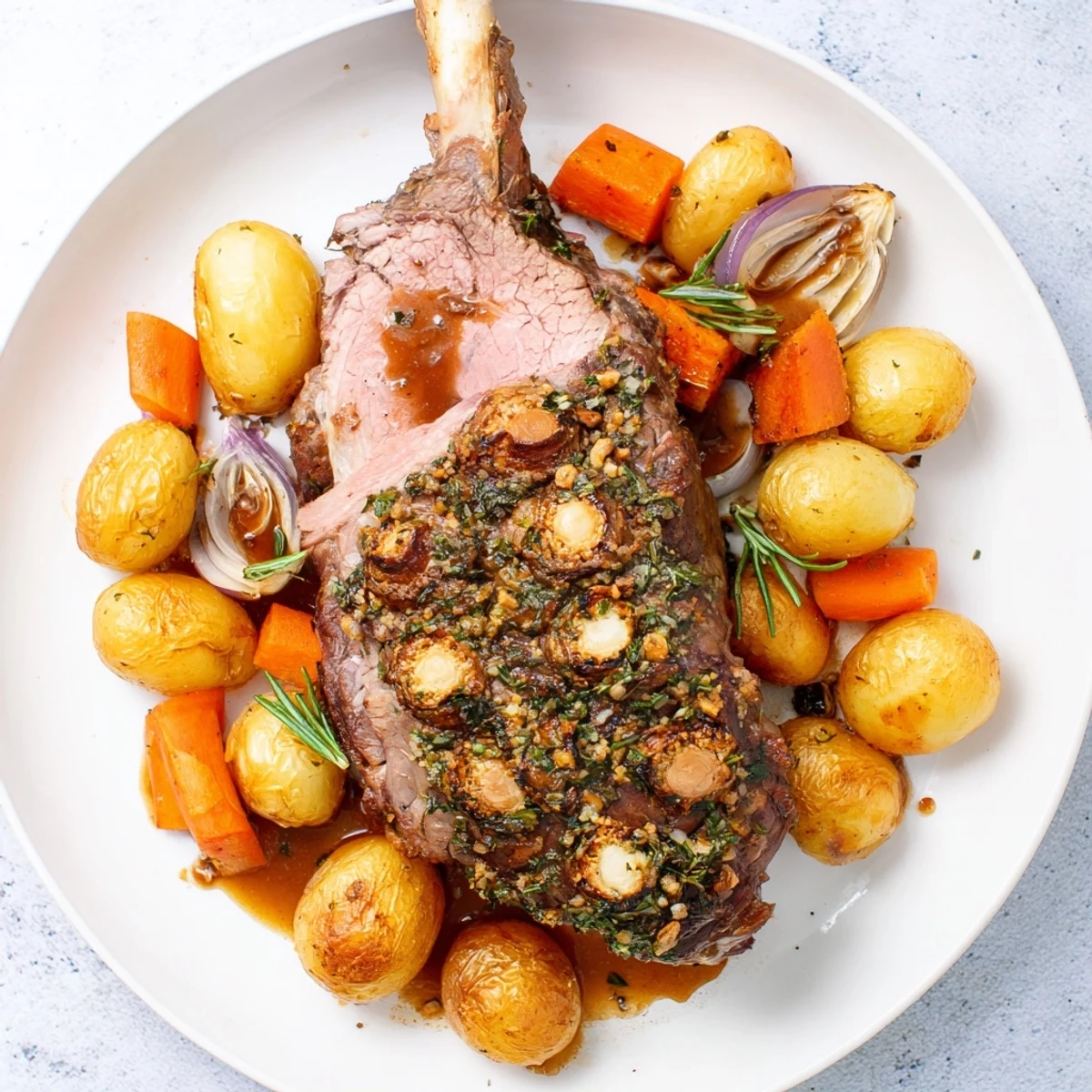
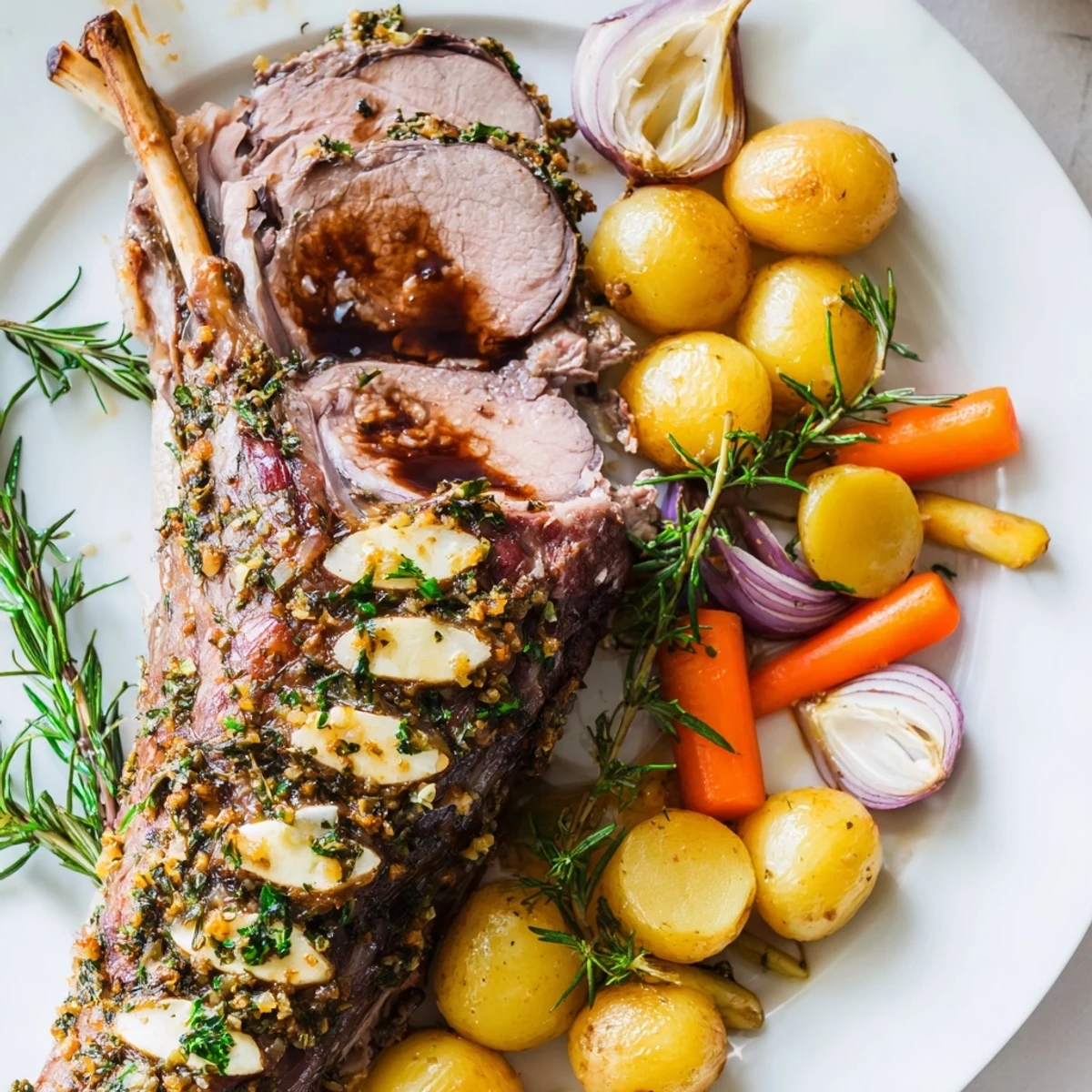
 This dish features a bone-in leg of lamb carefully slashed and stuffed with garlic slices, then rubbed with a fragrant blend of fresh rosemary, thyme, olive oil, and lemon juice. Roasted alongside caramelized baby potatoes, carrots, and onions, the lamb reaches tender, juicy perfection after resting. The cooking method enhances the aromatic flavors, creating a rich and savory centerpiece suitable for special gatherings or comforting meals.
There's something about roasting a leg of lamb that feels like stepping into a Mediterranean kitchen you've always imagined. The first time I made this, the aroma of garlic and rosemary filling the house reminded me why people gather around this dish for celebrations and Sunday dinners. It's the kind of meal that transforms an ordinary evening into something memorable, with golden-brown meat that practically falls off the bone and a kitchen filled with warmth and anticipation.
I remember inviting friends over on short notice and pulling this together, worried the timing wouldn't work. But watching their faces when they tasted that first bite, seeing how the lamb melted on their forks while the herbs and garlic sang through each mouthful, I knew this recipe had become a keeper. That's when I understood this wasn't just dinner—it was the kind of dish that makes people linger at the table.
Ingredients
- 1 bone-in leg of lamb (4 to 5 lb): Look for one with good marbling and a deep pink color. Ask your butcher to trim it lightly, leaving just enough fat for flavor and moisture during roasting
- 6 cloves garlic, sliced: Fresh, firm garlic makes all the difference. Those slices will soften as they roast, infusing the meat with a mellow, almost sweet essence
- 2 tbsp fresh rosemary, finely chopped: This is where you taste the Mediterranean. Fresh herbs are non-negotiable here—dried just won't deliver that bright, resinous note
- 2 tbsp fresh thyme leaves: These tiny leaves pack remarkable flavor. Strip them from the stems by running your fingers along the branch
- 1 tbsp coarse sea salt: The grains are larger, so they don't dissolve into the surface as quickly, creating a wonderful texture
- 1 and a half tsp freshly ground black pepper: Grind it fresh if you can. You'll taste the difference in how it complements the lamb
- 3 tbsp olive oil: Good quality olive oil carries all those herb flavors deep into the meat
- Juice of 1 lemon: The brightness cuts through the richness and lifts every other flavor
- 1 lb baby potatoes, halved: These cook at exactly the right pace alongside the lamb, turning golden and creamy inside
- 2 large carrots, chunked: Cut them generously so they don't disappear into the pan
- 1 large onion, in wedges: These add sweetness and body to the pan juices as they caramelize
Instructions
- Get Everything Ready:
- Heat your oven to 425°F and pull out your largest roasting pan. While it preheats, pat that leg of lamb absolutely dry with paper towels. This is the moment where moisture becomes your enemy—you want the surface to brown, not steam. The drier it is, the more beautifully it will caramelize.
- Create Pockets for Flavor:
- With a sharp knife, make small, deep slits all over the lamb, spacing them about two inches apart. Don't be timid here—these pockets are where the magic happens. Slide each garlic slice into a slit, pushing it deep so it nestles right into the meat where it'll infuse everything as it roasts.
- Make the Herb Marinade:
- In a small bowl, combine the rosemary, thyme, salt, pepper, olive oil, and lemon juice. Stir it together until it looks like a thick paste. Now here's where you really engage with the process: rub this all over the lamb, massaging it into every crevice and slit. Spend a moment with this—get your hands on the meat, work the herbs in deeply, coat every surface. This isn't just seasoning; it's the beginning of building flavor.
- The High Heat Sear:
- Place the lamb in your roasting pan and arrange the potatoes, carrots, and onion around it in a single layer. Slide it into that hot 425°F oven for exactly 20 minutes. You're creating a beautiful golden crust that'll seal in all the juices. You'll notice the herbs start to toast and the garlic begins its transformation from sharp to sweet.
- Lower and Let Time Do Its Work:
- After 20 minutes, reduce the oven to 350°F and continue roasting. Plan for about 1 hour and 10 minutes more for medium-rare (when a meat thermometer reads 135°F in the thickest part). The vegetables will be tenderizing alongside, catching drippings and caramelizing at their own pace. Every 20 minutes or so, give the pan a gentle shake so everything roasts evenly.
- The Rest (This Matters More Than You Think):
- When the lamb reaches temperature, remove it from the oven and loosely tent it with foil. Let it rest for 15 to 20 minutes. This isn't idle time—the muscle fibers are relaxing and reabsorbing juices. Carve it too soon and all that precious moisture runs out onto the cutting board. Wait, and each slice stays succulent.
- The Final Presentation:
- Slice the lamb against the grain into beautiful pieces. Arrange them on a platter with those golden roasted vegetables, and pour the pan juices over everything. Step back for a moment and admire what you've created. You've earned it.
 Save to Pinterest
 Years later, I still remember how this dish brought my family together during a difficult year. Something about sitting down to this meal, the richness of the lamb, the comfort of the roasted vegetables—it became a touchstone, a way of saying we were still here, we were grateful, we could still celebrate together. That's when a recipe stops being just food and becomes a memory you can taste.
When You're Missing Something
Don't have fresh herbs? Dried rosemary and thyme can work in a pinch, but use about one-third the amount—dried herbs are more concentrated. No baby potatoes? Cut regular ones smaller so they roast in the same timeframe. Can't find a bone-in leg? A boneless roast works too, though you'll lose some of that rich, savory flavor from the bone. Swap the carrots and potatoes for parsnips or sweet potatoes if that's what calls to you. The beauty of this dish is its flexibility within its fundamental deliciousness.
Building the Perfect Pairing
This lamb truly shines alongside certain wines and accompaniments. A red Bordeaux or Syrah brings out the herb notes and complements the richness beautifully. Beyond wine, consider serving with a bright green salad dressed simply with lemon vinaigrette to cut through the richness, or a dollop of cool Greek yogurt mixed with fresh mint. Crusty bread is practically essential—you'll want something to soak up those incredible pan juices that tell the whole story of what just happened in your oven.
Making It Ahead and Using Leftovers
Here's something that might surprise you: this lamb tastes just as good, maybe even better, the next day when the flavors have really settled. If you have leftovers (and honestly, cook for more people if you want some), slice the cold lamb thinly and build yourself a sandwich with good bread, a smear of something creamy, and those roasted vegetables. Or tear it apart and toss it into a salad with some greens, a tangy vinaigrette, and crumbles of feta. It transforms into something entirely new while tasting like the best version of yesterday's dinner.
- Store leftovers wrapped well in the refrigerator for up to three days. The flavors actually deepen slightly as the lamb sits
- Pan juices can be strained and frozen for up to three months. They're liquid gold for future meals
- Don't waste those bones and trimmings if you have them. Roast them to make an incredible stock
 Save to Pinterest
 There's a quiet satisfaction in carving a roast you've made yourself, in serving something that required patience and presence. This lamb delivers that feeling every single time.
Recipe FAQs
- → What is the best way to prepare the lamb for roasting?
-
Make small, deep slits all over the meat and insert garlic slices. This allows flavors to penetrate deeply during roasting.
- → How do herbs enhance the flavor of the lamb?
-
Fresh rosemary and thyme add aromatic, earthy notes that complement the rich taste of lamb and balance its intensity.
- → Can vegetables be roasted alongside the lamb?
-
Yes, root vegetables like baby potatoes, carrots, and onions roast well alongside lamb, absorbing savory juices and providing a complementary texture.
- → How can I ensure the lamb stays tender and juicy?
-
Roast at a high temperature initially, then lower heat to cook through. Let the meat rest covered with foil before carving to retain juices.
- → What internal temperature indicates the lamb is medium-rare?
-
Use a meat thermometer to check for 135°F (57°C) at the thickest part before resting, allowing carryover cooking to reach perfect doneness.