
 Save to Pinterest
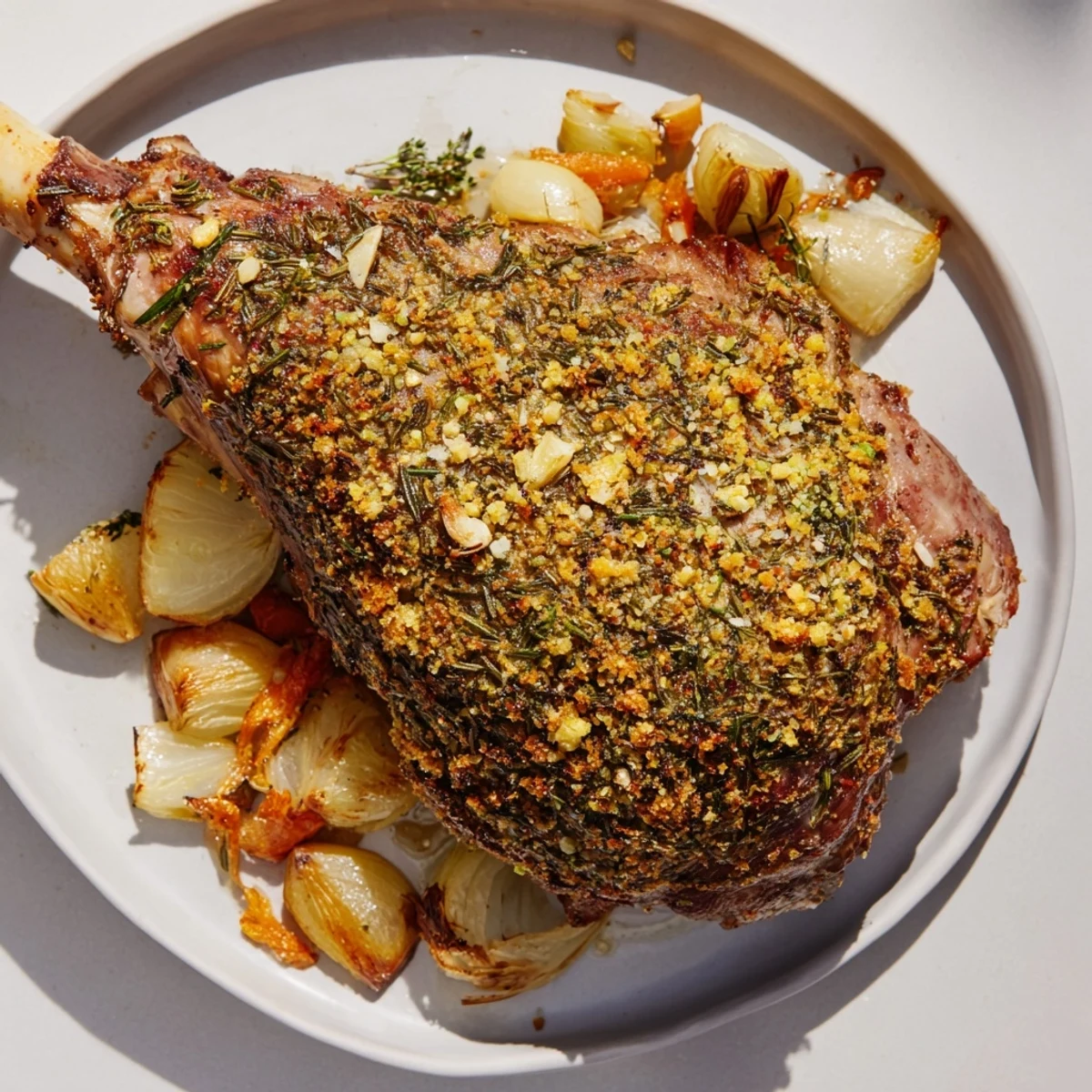
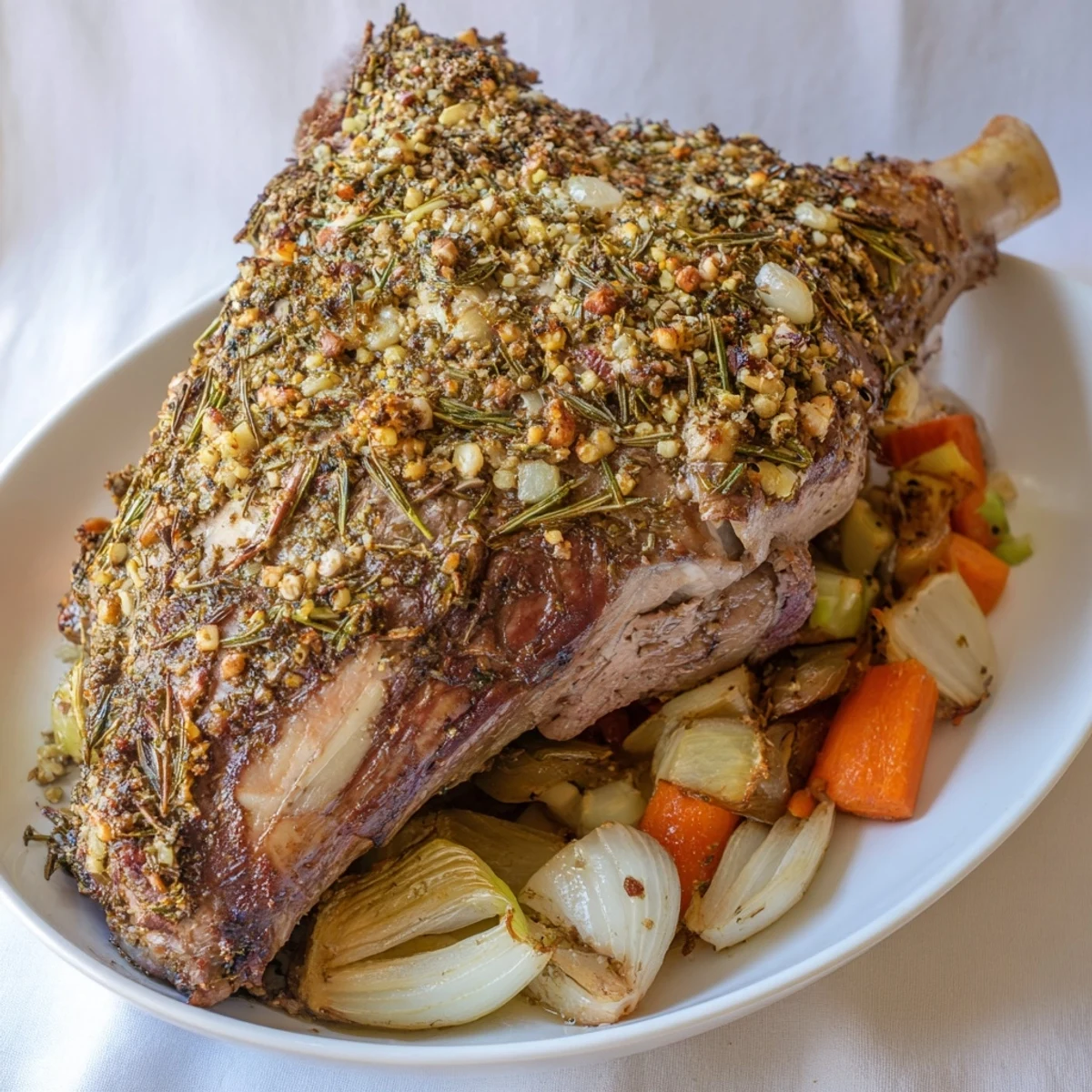
 This succulent leg of lamb is generously rubbed with a fragrant mixture of garlic, rosemary, thyme, and lemon zest. Slow-roasted atop a bed of onions, carrots, and celery, it develops a golden-brown crust and tender interior. Resting before slicing ensures juicy, flavorful meat ideal for festive meals or family gatherings. Serve with roasted vegetables or a bold red wine for an elevated dining experience.
I still remember the first time I roasted a whole leg of lamb—it was for my cousin's engagement dinner, and I was terrified I'd ruin it. But the moment that golden-crusted herb-covered beauty came out of the oven, filling the kitchen with the most intoxicating aroma of rosemary and garlic, I knew I'd found my signature dish. That lamb became legendary at family gatherings, and now, years later, I can't imagine a special occasion without it.
I'll never forget standing in my kitchen at 5 PM on Easter Sunday, the lamb already resting on the counter while my best friend set the table outside. The roasting pan was still sizzling, those vegetable scraps turning into the most luxurious pan sauce, and I realized this wasn't just dinner—it was the moment everyone would remember about that day. That's what this recipe does.
Ingredients
- 1 bone-in leg of lamb (2–2.5 kg / 4.5–5.5 lb), trimmed: This is your star. Ask your butcher to trim the excess exterior fat but keep enough for flavor—they know exactly what you need
- 4 cloves garlic, minced: Fresh is non-negotiable here; it transforms into silky sweetness during roasting and forms the backbone of your herb paste
- 2 tbsp fresh rosemary, finely chopped: This is the herb that defines lamb. Fresh rosemary has a piney elegance that dried can't match, so don't skip this one
- 1 tbsp fresh thyme leaves: Thyme brings earthiness and complexity—it's the quiet herb that makes people say the flavor is just right, even if they can't name why
- 2 tsp kosher salt and 1 tsp freshly ground black pepper: Season generously; the meat is large and needs proper seasoning throughout, not just on the surface
- 2 tsp Dijon mustard: A little-known secret: the mustard helps the herb paste adhere and adds a subtle tang that brightens the richness of lamb
- 3 tbsp olive oil: Good quality olive oil here matters—it carries all those flavors and creates that golden crust
- Zest of 1 lemon: The brightness cuts through the lamb's richness beautifully; don't skip this even though it seems small
- 2 large onions, quartered; 3 carrots in large chunks; 2 celery stalks: These aren't just flavor—they become a fragrant bed that catches drippings and transforms into sauce magic
- 200 ml (¾ cup) dry white wine or low-sodium chicken broth: The liquid keeps the oven moist and becomes your pan sauce; use wine for elegance, broth for simplicity
Instructions
- Get everything ready:
- Preheat your oven to 200°C (400°F) while you gather everything. Pat your lamb completely dry with paper towels—this is the step that determines whether you get a golden crust or a steamed surface, so don't rush it
- Make your herb paste:
- Combine the minced garlic, rosemary, thyme, salt, pepper, mustard, olive oil, and lemon zest in a small bowl. Stir until it looks like a rustic paste with visible herb specks. Smell it—that's the promise of what's coming
- Score and season the lamb:
- Using a sharp knife, make shallow incisions all over the lamb's surface, spacing them about an inch apart. Don't cut deep—just enough to create pockets. Now generously rub that herb paste all over, pressing it into every incision. Get your hands in there. This is where the flavor happens
- Set up your roasting pan:
- Scatter the onions, carrots, and celery across the bottom of a large roasting pan. Nestle the lamb on top, fat side up. Pour the wine or broth around the edges, not over the lamb—you want the top to roast dry and golden
- Roast at high heat:
- Roast uncovered for 20 minutes at 200°C (400°F). You'll hear it sizzle. That sound means it's working. After 20 minutes, reduce the oven temperature to 180°C (350°F)
- Continue roasting gently:
- Roast for another 1 hour 10 minutes for medium-rare. Insert a meat thermometer into the thickest part without touching bone—you're aiming for 57–60°C (135–140°F) internal temperature. The lamb will continue cooking while it rests, so don't overcook it here
- Rest and recover:
- Transfer the lamb to a cutting board and tent it loosely with foil. Let it rest for 15–20 minutes. This step is sacred—it allows the juices to redistribute, ensuring every slice is tender and juicy, not dry. Don't skip it
- Make your pan sauce:
- While the lamb rests, pour the pan contents through a fine strainer into a bowl. Let the fat rise to the top, then skim it off gently. What remains is liquid gold—pour it into a small saucepan and warm it gently. Taste it and adjust salt if needed
- Carve and serve:
- Slice the lamb against the grain into thick, beautiful slices. Arrange on a platter and pour that pan sauce over everything. Watch people's faces light up
 Save to Pinterest
 There was a moment during a dinner party when my friend cut into their slice and just closed their eyes. No words. Just that expression that told me this wasn't just food—it was the kind of memory you build gatherings around. That's when I understood this recipe wasn't really about technique. It was about creating moments.
The Herb Paste Secret
The magic of this roast lives in that herb paste. I learned early on that combining everything—garlic, rosemary, thyme, mustard, oil, and lemon—into a paste rather than sprinkling herbs separately creates something more cohesive and flavorful. The mustard acts as an invisible binder and adds a subtle complexity that makes people ask what spice they're tasting. For garlic lovers, push slivers of fresh garlic directly into the incisions before applying the rub; they'll soften into sweet, mellow pockets of flavor throughout the meat.
Building Flavor From the Pan
Don't overlook those vegetables at the bottom. They're not just vegetables—they're your flavor foundation. As the lamb roasts, they soften and begin to caramelize, catching all those beautiful drippings. When you strain them at the end, you're left with a naturally rich pan sauce that needs nothing more than a gentle warm-up and a taste check for salt. I've learned that this sauce, more than anything, is what people remember about the roast itself.
Serving and Pairing
A roasted leg of lamb is only complete when you think about what surrounds it. Roasted potatoes tossed in the same herbs feel natural. Sautéed greens cut through the richness beautifully. A fresh mint sauce—just mint, vinegar, and a touch of sugar—adds brightness that balances the lamb's intensity. For wine, reach for something bold: a Cabernet Sauvignon or Syrah stands up to the lamb's depth without apology. The meal becomes an experience rather than just dinner.
- Make the pan sauce ahead if needed; it reheats gently and tastes even better the next day
- Leftover lamb sliced thin makes the most luxurious sandwiches with fresh herbs and a smear of that pan sauce
- This recipe scales beautifully—two legs feed 12 people and look just as dramatic on the table
 Save to Pinterest
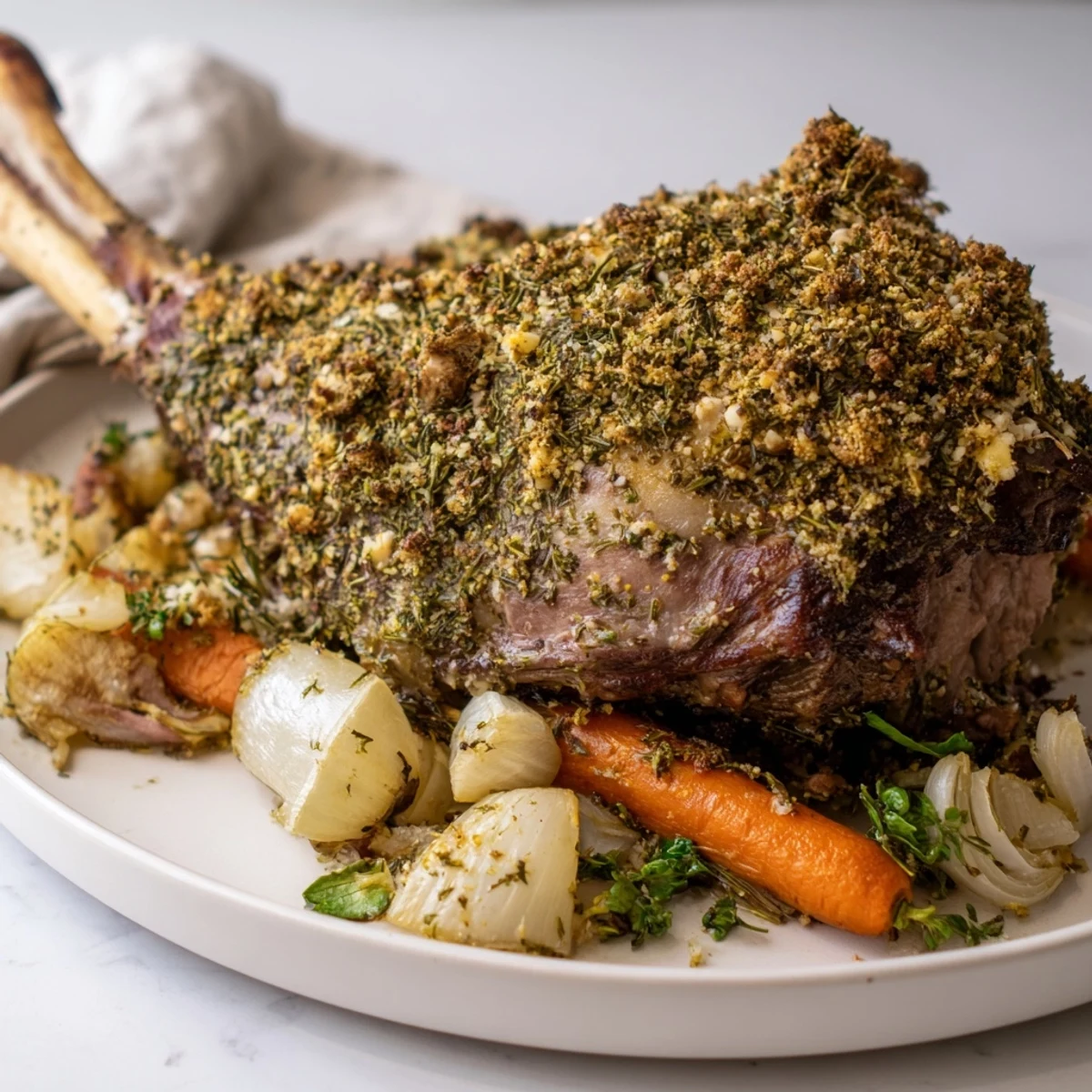
 This roasted lamb leg has become more than a recipe in my kitchen—it's a tradition that marks important moments. Every time I make it, I'm transported back to that first dinner party, and every time someone takes that first bite, I see the same wonder I felt then.
Recipe FAQs
- → How should I prepare the lamb before roasting?
-
Pat the lamb dry and make small incisions all over. Rub the herb paste thoroughly into these cuts to infuse flavor.
- → What herbs are best for the crust?
-
Fresh rosemary and thyme provide a fragrant, savory crust that complements the richness of the lamb.
- → Can I use broth instead of wine for roasting?
-
Yes, low-sodium chicken broth works well as a moist roasting base, adding subtle depth without overpowering flavors.
- → How long should the lamb rest after roasting?
-
Letting the lamb rest for 15–20 minutes allows juices to redistribute, resulting in moist, tender slices.
- → What side dishes pair well with this lamb?
-
Roasted potatoes, sautéed greens, or a fresh mint sauce complement the herbaceous flavors perfectly.