
 Save to Pinterest
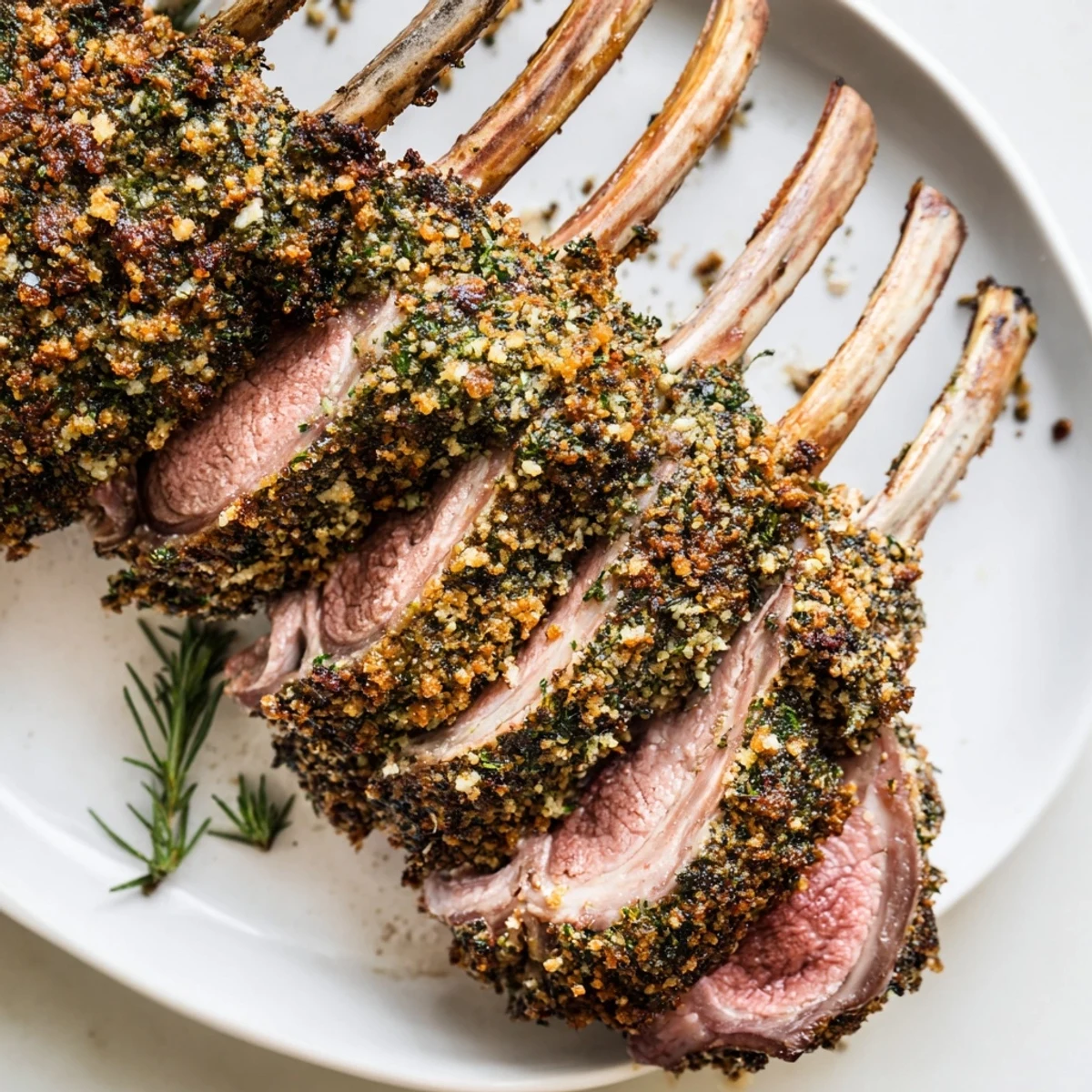
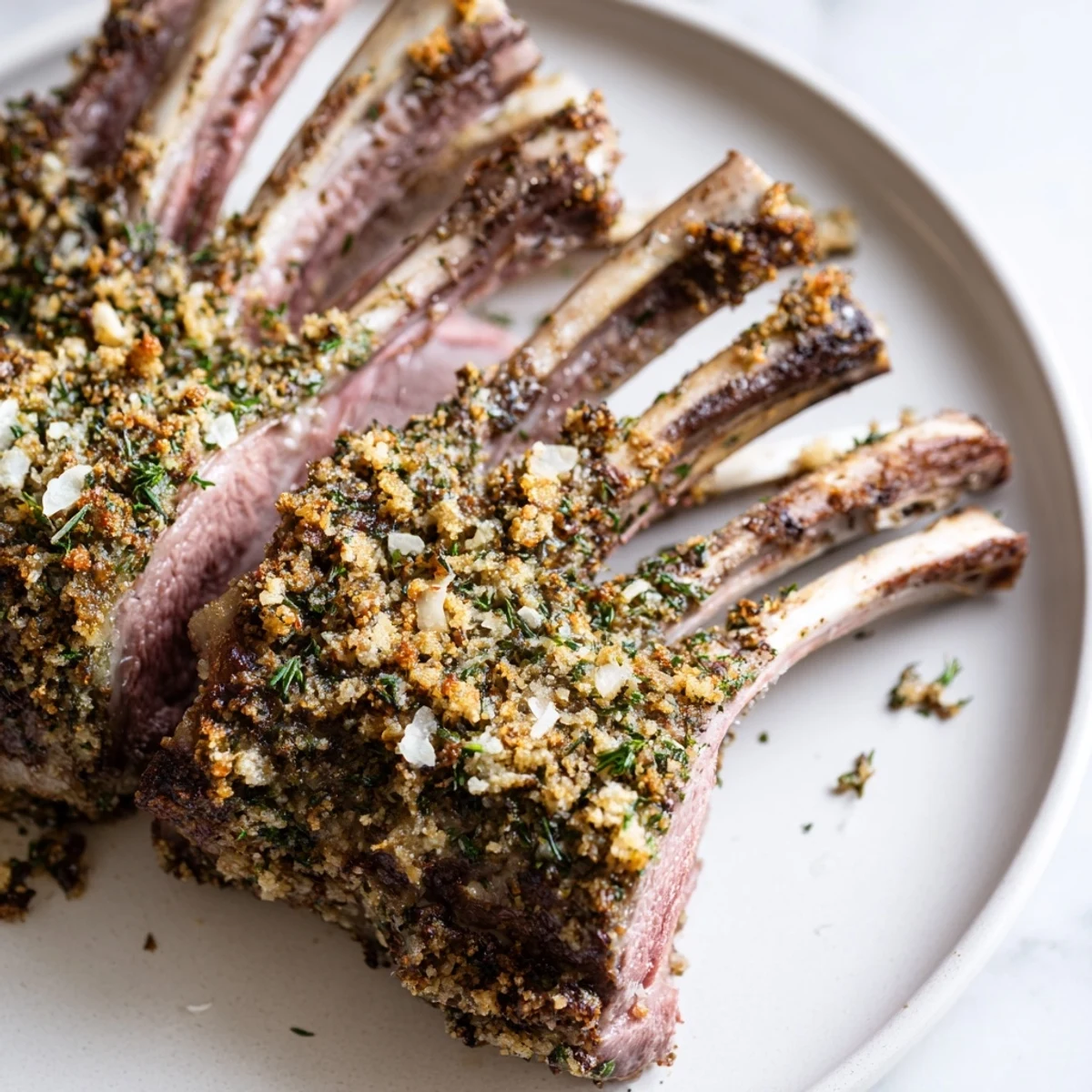
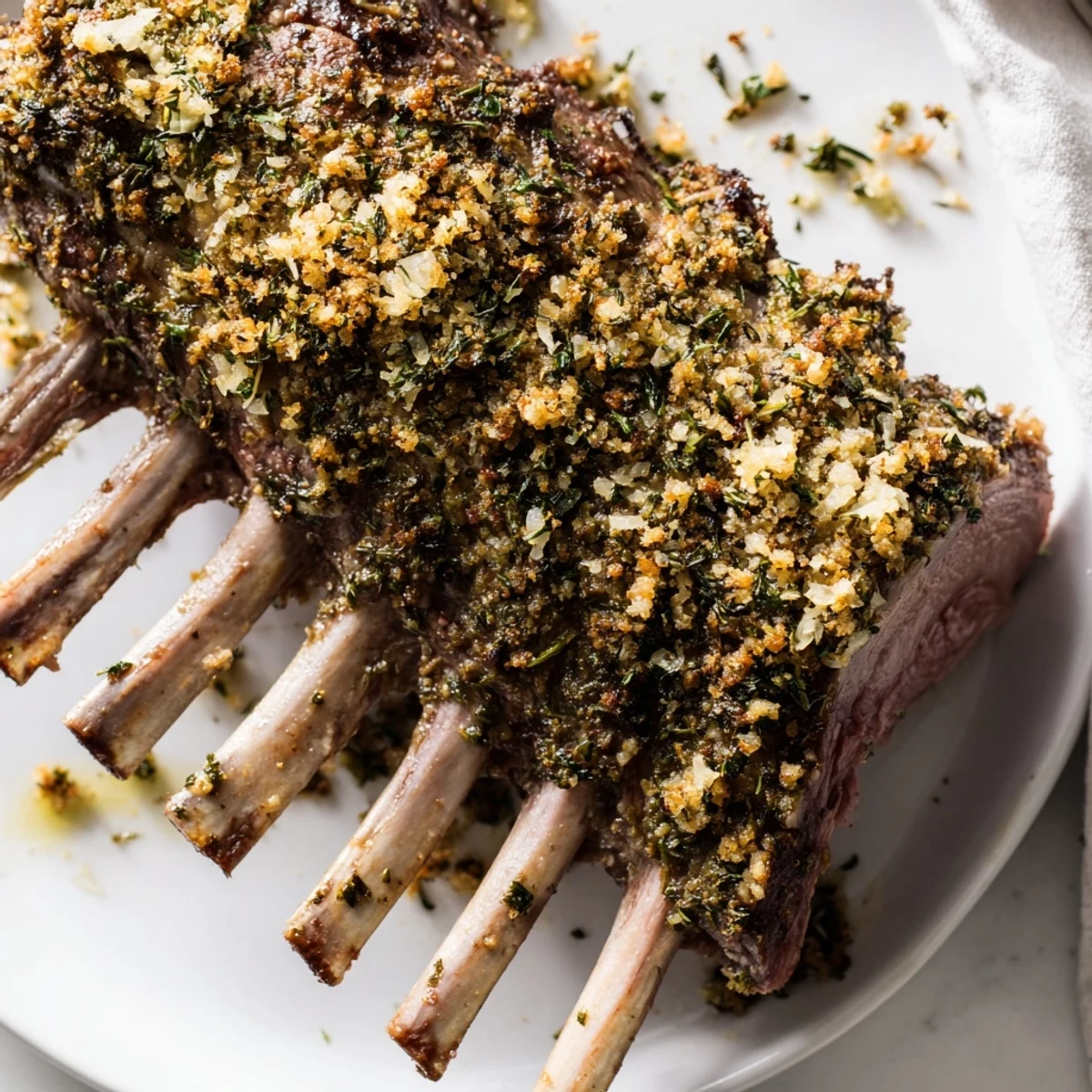
 This dish features a frenched lamb rack generously coated with a vibrant herb crust made from rosemary, parsley, thyme, garlic, and mustard. The lamb is seared to lock in juices, then roasted until tender and flavorful. After resting, it’s sliced into individual portions, making it an impressive centerpiece for any dinner. Serve with roasted vegetables or a rich sauce to elevate the experience.
The smell of fresh rosemary hitting hot oil still takes me back to my first dinner party, where I nervously cooked a rack of lamb for eight people. I'd never made anything so fancy before, and my tiny apartment kitchen became a chaotic cloud of flour, herbs, and my own anxious energy. When that first rack came out of the oven, golden crust glistening, something shifted. This wasn't just dinner anymore, it was the moment I realized cooking could feel like magic.
Last Valentine's Day, I made this for someone who claimed they hated lamb. They took one bite, eyes went wide, and quietly asked for seconds. Sometimes the best recipes are the ones that change minds without saying a word.
Ingredients
- 1 (8-bone) rack of lamb, frenched: Ask your butcher to french the ribs for that clean, restaurant-style presentation that makes plating effortless
- 2 tablespoons fresh rosemary: Dried herbs work in a pinch, but fresh rosemary's piney aroma is what makes this crust sing
- 2 tablespoons fresh parsley: Brightens the earthier herbs and adds lovely flecks of green to the crust
- 1 tablespoon fresh thyme leaves: Woodsy and delicate, thyme bridges the gap between rosemary's intensity and parsley's brightness
- 3 cloves garlic: Minced finely so it distributes evenly through the crust without burning
- 1 tablespoon Dijon mustard: The secret adhesive that helps the herb mixture cling to the lamb while it roasts
- 2 teaspoons olive oil: Helps bind the crust ingredients into a paste that won't slide off during roasting
- 1/2 cup gluten-free breadcrumbs: Creates that irresistible crunch, swap for ground nuts if you're avoiding grains
- 1/2 teaspoon sea salt: Enhances the lamb's natural sweetness without overpowering delicate herbs
- 1/4 teaspoon freshly ground black pepper: A subtle warmth that rounds out the herb crust
- 2 tablespoons olive oil for searing: High smoke point makes this perfect for getting that golden brown crust started
Instructions
- Preheat your oven to 400°F:
- This high heat creates a beautiful sear on the crust while keeping the inside tender and pink
- Pat the lamb dry and season:
- Moisture is the enemy of browning, so take your time drying the meat thoroughly before seasoning generously
- Sear the lamb fat side down:
- Listen for that satisfying sizzle and let it develop a deep golden color for about 3 minutes before flipping
- Mix your herb paste:
- Combine all herbs, garlic, mustard, oil, and breadcrumbs until it holds together when pressed
- Coat the lamb with the herb crust:
- Press the mixture firmly onto the seared meat, creating an even layer that will transform into crispy perfection
- Roast until medium-rare:
- About 15 to 20 minutes should get you to that perfect pink center, but use a thermometer to be certain
- Rest before carving:
- Those juices need time to redistribute, so tent with foil and wait the full 10 minutes for the most succulent results
 Save to Pinterest
 This recipe has become my go-to for celebrations because it never fails to make people feel special. There's something about a rack of lamb that turns an ordinary Tuesday into a memory.
Getting That Perfect Crust
The Dijon mustard is the real hero here, acting as the glue that keeps your herb crust from sliding off into the pan. I learned this the hard way years ago, watching a beautiful herb mixture slide sadly off a perfectly cooked rack. Now I brush the mustard on with conviction, pressing it into every nook before the herbs even come out of the bowl.
Don't Skip the Rest
Ten minutes feels like forever when you're hungry and that incredible smell is filling your kitchen, but cutting into the lamb too soon means losing all those precious juices to the cutting board. I use this time to throw together a quick salad or warm the plates, turning waiting time into part of the ritual.
Serving Ideas That Work
Roasted baby potatoes tossed with the same herbs from your crust create a beautiful theme on the plate. A simple arugula salad with lemon vinaigrette cuts through the richness perfectly. If you're feeling fancy, a quick red wine reduction in the same pan you roasted the lamb in will make everyone think you attended culinary school.
- Leftover herb crust mixture freezes beautifully for future quick meals
- Ask your butcher to trim the fat cap if you prefer a leaner result
- A light red wine like Pinot Noir won't overpower the delicate herbs
 Save to Pinterest
 There's something deeply satisfying about serving a dish that looks impressive but comes together with such straightforward technique. Good food doesn't need to be complicated, it just needs to be made with care.
Recipe FAQs
- → How do I ensure the lamb stays juicy after roasting?
-
Searing the lamb rack before roasting seals in the juices, and resting it after cooking allows the juices to redistribute for a tender result.
- → Can I prepare the herb crust in advance?
-
Yes, you can mix the herb paste ahead of time and refrigerate it for up to a day to enhance flavors before applying to the lamb.
- → What internal temperature indicates medium-rare doneness?
-
The ideal internal temperature for medium-rare lamb is 130°F (54°C). Use a meat thermometer to check accurately.
- → Can I substitute breadcrumbs in the herb crust?
-
Finely ground nuts make a great grain-free alternative, adding texture without gluten.
- → What sides pair well with this lamb preparation?
-
Roasted potatoes, sautéed green beans, or a red wine reduction sauce complement the herb-coated lamb beautifully.