
 Save to Pinterest
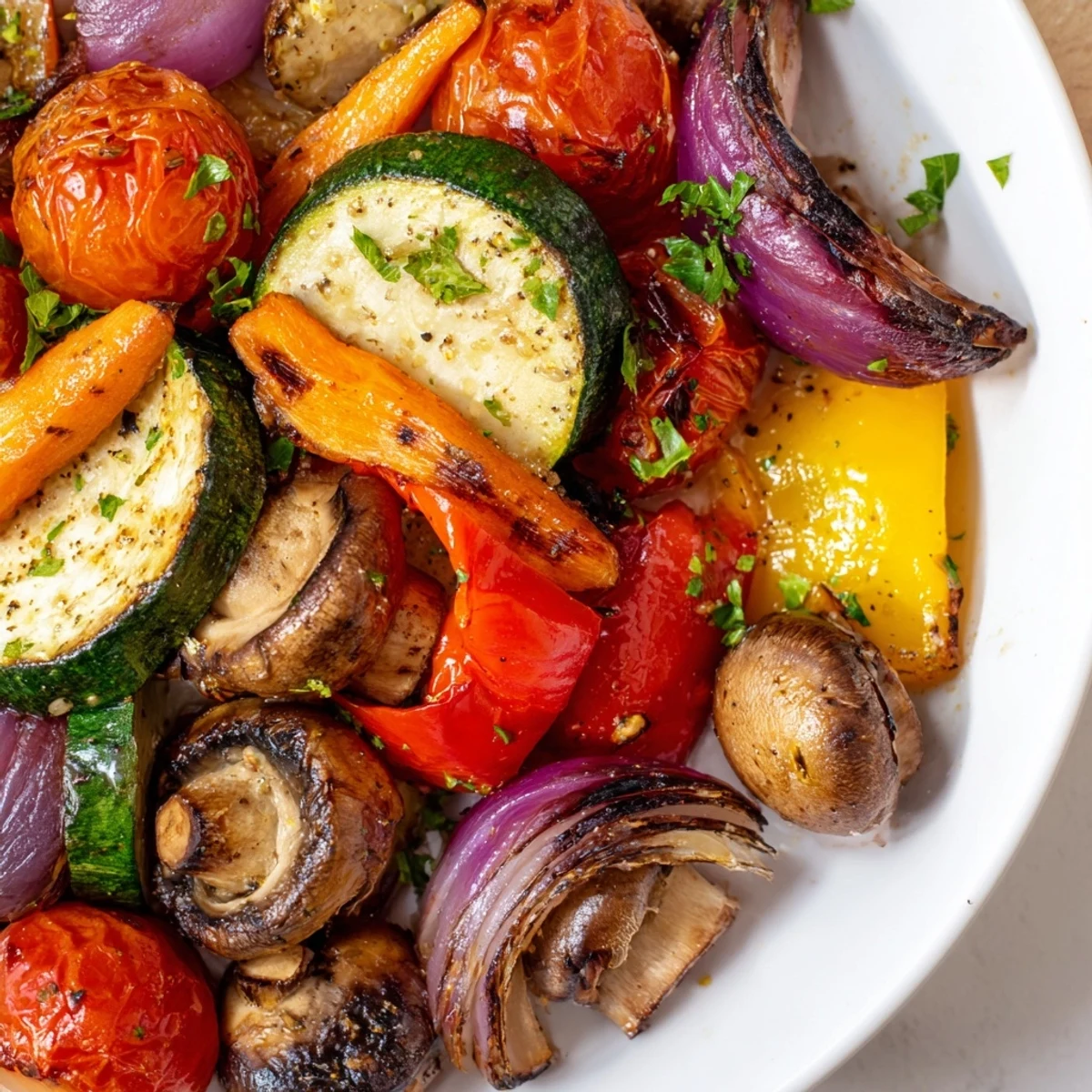
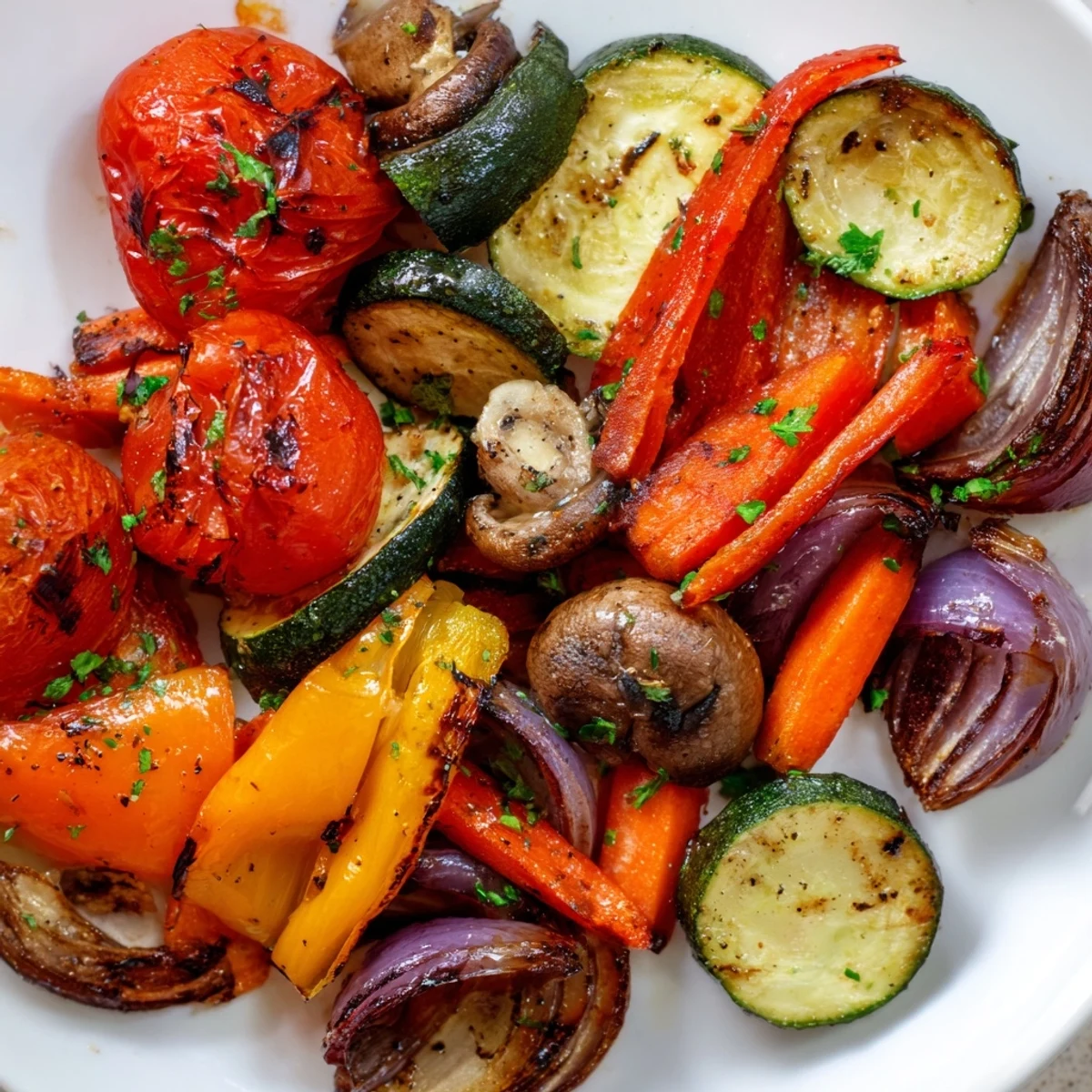
 This dish features a selection of fresh seasonal vegetables including cherry tomatoes, bell peppers, zucchini, and mushrooms, all tossed with olive oil, herbs, and garlic. The vegetables are spread evenly and roasted at a high temperature until tender and caramelized, resulting in a flavorful and vibrant starter. Garnished with fresh parsley and a touch of balsamic vinegar if desired, it complements a variety of meals or serves as a crowd-pleasing party platter. Easy to prepare and naturally vegan and gluten-free.
There's something almost meditative about standing in front of an open oven, watching vegetables transform from raw and ordinary into something glossy and golden. I discovered the magic of roasted vegetables completely by accident—I'd overcooked them once at a dinner party, and instead of tossing them, I tasted them anyway. The caramelization had deepened their flavor in ways I hadn't expected, and suddenly I understood why people got excited about simple food. Now it's become my go-to when I want something that feels effortless but tastes intentional.
I made this for a potluck last spring when everyone was tired of winter food, and I remember the surprised looks when people realized it was just vegetables—no cheese, no cream, nothing fancy. Someone asked for the recipe before they'd even finished their plate, and I realized it wasn't about complexity; it was about letting the vegetables taste like themselves, but better. That moment taught me that the best dishes are often the simplest ones, executed with intention.
Ingredients
- Cherry tomatoes: They burst slightly in the oven and create little pockets of concentrated sweetness—halving them helps them caramelize faster.
- Red and yellow bell peppers: Cut them into roughly 1-inch pieces so they roast evenly and develop slightly charred edges.
- Zucchini: Slice into thin rounds so they become tender without turning to mush; they're better when they still have a bit of structure.
- Red onion: The natural sugars deepen as it roasts, and the papery outer layers protect the inside from burning.
- Baby carrots: Halving them lengthwise lets them sit flat on the pan and caramelize properly on one side.
- Cremini mushrooms: Halving them prevents them from releasing too much moisture and helps them brown instead of steam.
- Extra virgin olive oil: This is your cooking medium and flavor base—don't skimp or use the cheap stuff.
- Sea salt and black pepper: Coarse salt lets you feel the grains as you season, and freshly ground pepper tastes sharper and more alive.
- Dried Italian herbs: A blend of oregano, thyme, and basil works beautifully, though any dried herbs you love will do.
- Garlic: Mince it finely so it distributes evenly and mellows slightly as it roasts rather than burning.
- Fresh parsley: Save this for the very end—it adds brightness and a slight herbal bite that feels like a finishing touch.
- Balsamic vinegar (optional): A drizzle at the end adds a subtle sweetness and depth that makes people wonder what you did to make it taste so good.
Instructions
- Heat your oven and prepare:
- Preheat to 425°F and line your baking sheet with parchment paper—this prevents sticking and makes cleanup painless. The high heat is what creates that caramelization magic.
- Combine and coat:
- Toss all your cut vegetables in a large bowl, then drizzle with olive oil and season generously with salt, pepper, herbs, and minced garlic. Make sure every piece gets touched by oil; this is how they'll brown evenly.
- Spread and roast:
- Arrange vegetables in a single layer on your baking sheet—crowding them will cause steaming instead of roasting. After about 15 minutes, give everything a gentle stir and make sure nothing's sticking to the edges.
- Know when it's done:
- At 25 to 30 minutes, you're looking for tender interiors and lightly caramelized edges—some pieces might be slightly darker, and that's exactly what you want. The vegetables should smell sweet and slightly toasted.
- Finish with intention:
- If you're using balsamic vinegar, drizzle it now while everything is still warm and toss gently. Scatter fresh parsley on top just before serving so it stays bright green and fresh.
 Save to Pinterest
 I served this at a casual dinner once, and my friend who usually picks vegetables out of everything came back for seconds. Watching someone discover that they actually love roasted vegetables never gets old—it feels like you've handed them a small gift. It's a reminder that the right temperature and a little patience can change everything.
When to Serve It
This dish is genuinely flexible—it works as a warm appetizer right out of the oven, or you can let it cool to room temperature for a more relaxed, grazing kind of moment. I've also chopped it up the next day and tossed it into a salad or grain bowl, and it tastes just as good cold. The flavors actually deepen overnight, which is a nice bonus if you're meal-prepping.
Making It Your Own
The beauty of this recipe is that it adapts to whatever you have or whatever you're craving—asparagus, cauliflower, sweet potatoes, and even green beans all roast beautifully at 425°F. I once added a handful of kalamata olives halfway through, and it changed the entire flavor profile in the best way. The seasonings can shift too: smoked paprika adds a subtle depth, fresh lemon zest brightens everything up, and a sprinkle of pine nuts adds a toasted richness that feels a little fancy.
Pairing and Serving Ideas
These vegetables are happy on their own as an appetizer, but they're also wonderful alongside almost anything—a grain bowl, a simple pasta, fresh bread for scooping, or even just a good hummus for dipping. I love serving them at room temperature because it feels less formal and lets people eat at their own pace. A crisp white wine pairs beautifully, or just keep it simple with sparkling water and lemon.
- If you're making this for a party, roast it ahead and serve it cold—it actually tastes better the next day as flavors settle and meld.
- Leftover roasted vegetables keep in the fridge for three or four days and taste excellent cold straight from the container or warmed gently.
- Don't skip the fresh parsley at the end—it feels small, but it's what makes people ask for the recipe.
 Save to Pinterest
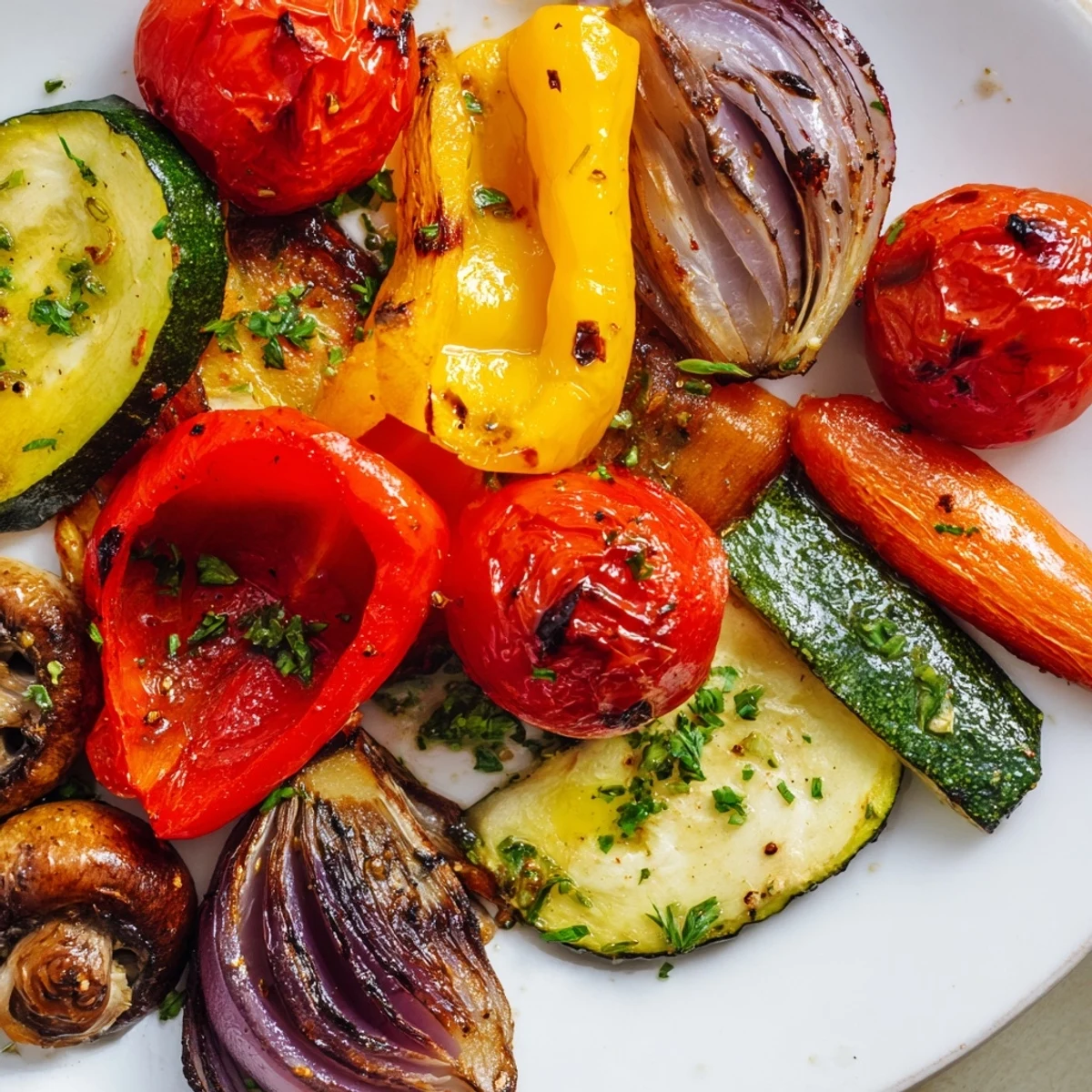
 There's something deeply satisfying about pulling a hot pan from the oven and watching steam rise off golden, blistered vegetables. It's simple food that tastes like you've done something special, and honestly, that's all cooking really is.
Recipe FAQs
- → What vegetables work best for roasting?
-
Firm vegetables like bell peppers, zucchini, mushrooms, cherry tomatoes, carrots, and onions roast well, gaining sweetness and caramelization.
- → How do I ensure even roasting of vegetables?
-
Cut vegetables into similar-sized pieces, coat evenly with oil and herbs, and spread them in a single layer without overlapping on the baking sheet.
- → Can I add extra flavor to the roasted vegetables?
-
Yes, adding spices like smoked paprika or garnishing with pine nuts can enhance the flavor before roasting.
- → Is it better to serve these veggies warm or at room temperature?
-
The vegetables can be enjoyed warm or at room temperature, making them versatile for different serving occasions.
- → What are good pairings for these roasted vegetables?
-
They pair nicely with crisp white wines or dips such as hummus, adding balance and texture to the dish.