
 Save to Pinterest
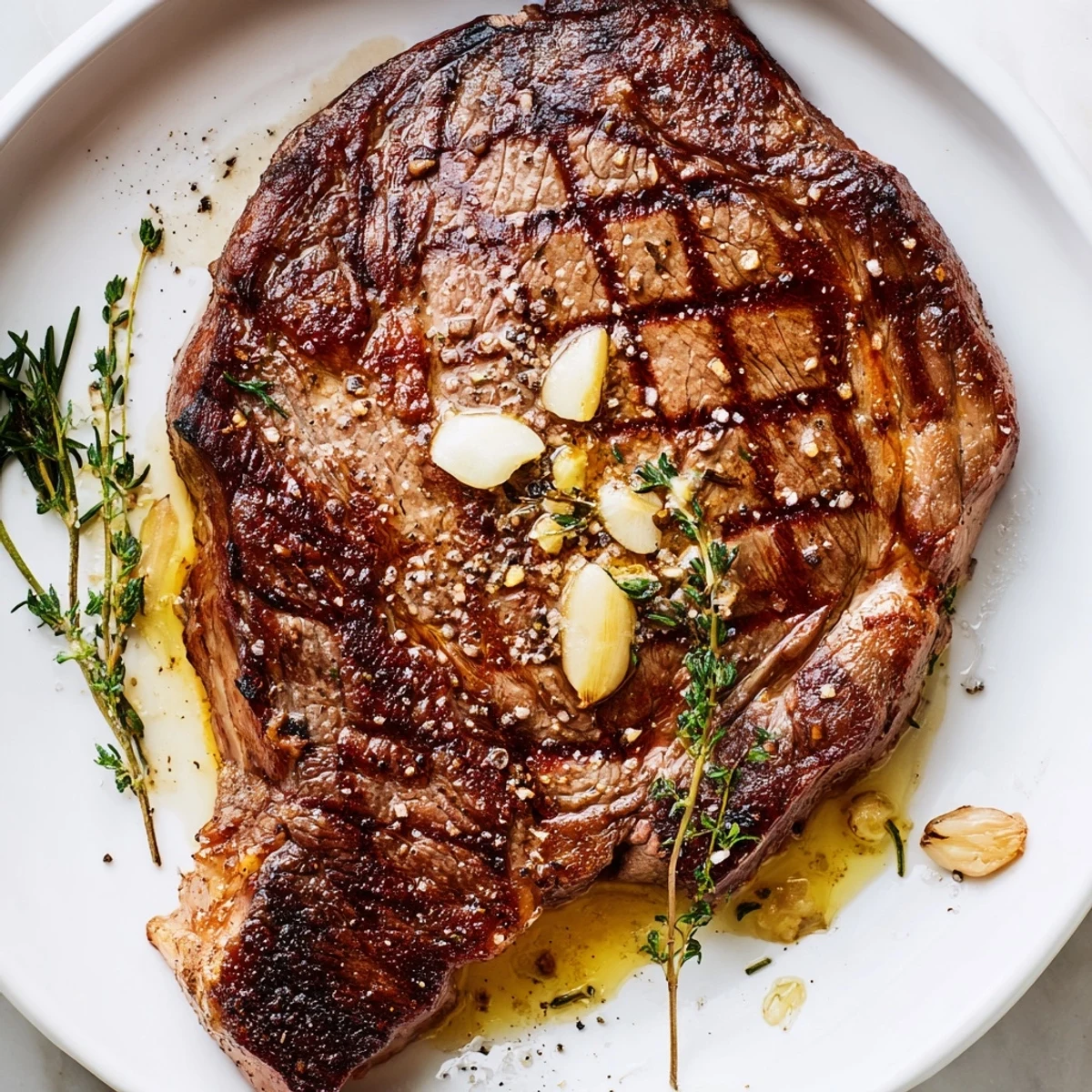
 Create restaurant-quality ribeye steak at home with this simple yet impressive technique. The high-heat searing method produces a deep golden, caramelized exterior while keeping the interior tender and juicy. Finished with aromatic butter, garlic, and fresh herbs, this classic preparation delivers exceptional flavor in just 20 minutes.
Perfect for home cooks seeking consistent results, this method works best with steaks brought to room temperature before cooking and a properly heated cast-iron skillet. The basting technique infuses the meat with rich flavors while ensuring even cooking throughout.
My roommate once taught me that a good ribeye is worth its weight in gold after we stumbled through three overcooked attempts in our first apartment kitchen
Cooking steaks for my fathers birthday dinner taught me that simple techniques executed well impress people more than complicated dishes ever could
Ingredients
- Ribeye steaks: The generous marbling throughout a ribeye keeps it incredibly juicy while developing that restaurant quality crust we all want
- Kosher salt: Use enough to season liberally since this thick cut needs proper seasoning to penetrate beyond just the surface
- High heat oil: Canola or grapeseed handles the screaming hot temperature needed without burning like olive oil would
- Unsalted butter: This creates that rich basting liquid and carries all the aromatics right into every bite
- Fresh herbs: Smashed garlic and woody herbs like thyme and rosemary infuse the butter as you baste creating layers of flavor
Instructions
- Bring the steaks to room temperature:
- Taking the chill off for thirty minutes before cooking helps them cook evenly rather than searing on the outside while staying raw in the middle
- Season generously:
- Salt and pepper both sides thoroughly and trust that this amount of seasoning is exactly what a good ribeye needs to shine
- Get the pan screaming hot:
- Heat your cast iron until it is properly hot then swirl in the oil until the surface shimmers
- Sear undisturbed:
- Lay the steaks in carefully and let them develop that beautiful crust for two to three minutes without touching them
- Flip and baste:
- Turn the steaks then add your butter garlic and herbs before tilting the pan and spooning that infused butter over the meat continuously
- Check doneness and rest:
- Use a thermometer to hit your target temperature then transfer to a board and let them rest for five full minutes before cutting into them
 Save to Pinterest
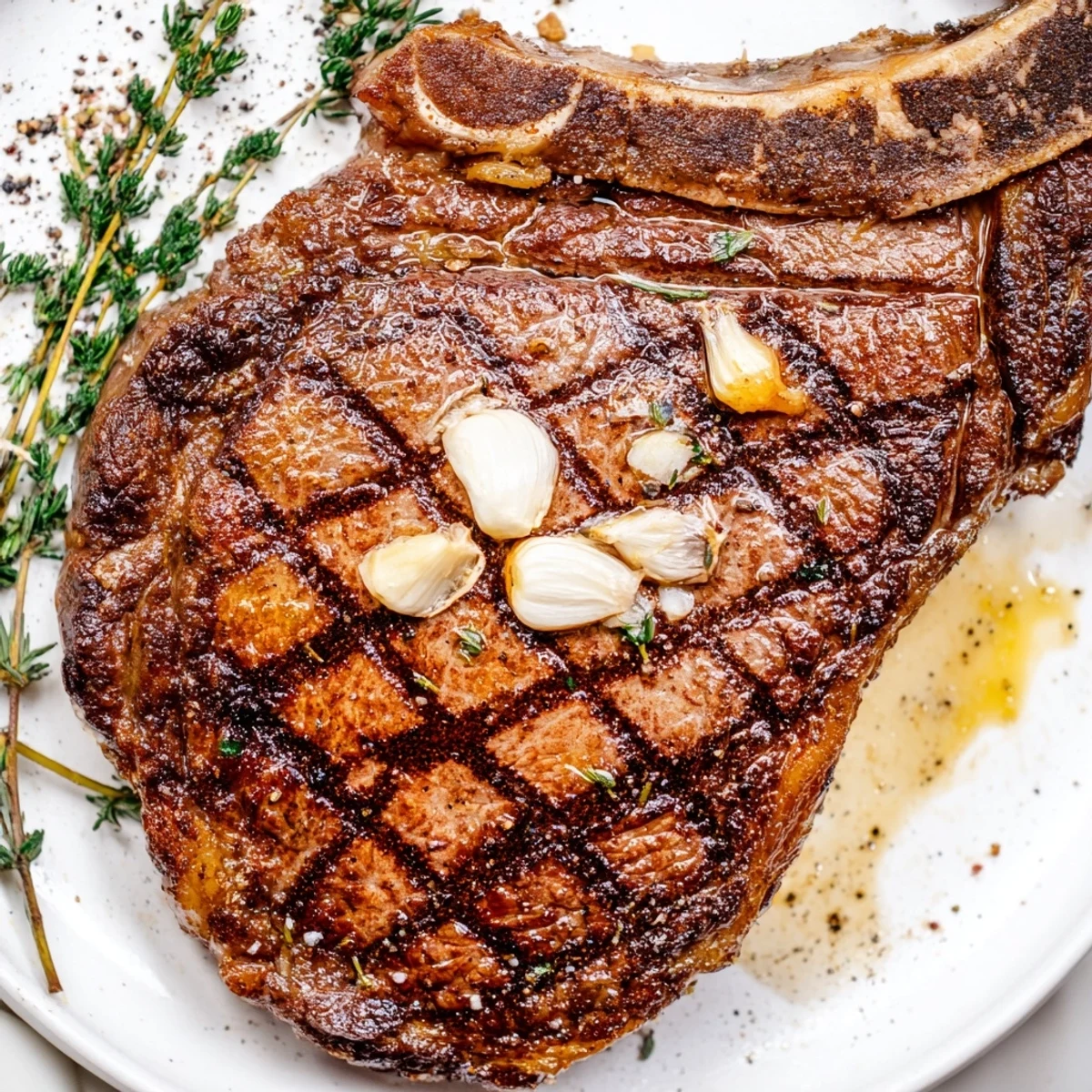
 This recipe became my go to for dinner parties because it looks impressive but only takes about twenty minutes from start to finish
Getting The Right Doneness
I learned that an instant read thermometer takes all the guesswork out of steak and prevents the heartbreak of overcooking an expensive piece of meat
Choosing The Right Pan
A cast iron skillet holds heat beautifully and creates that perfect crust but any heavy bottomed pan that can handle high temperatures will work
Serving Suggestions
Keep the sides simple since a properly cooked ribeye deserves to be the star of the plate
- Roasted potatoes with rosemary echo the flavors in the baste
- A crisp green salad with bright vinaigrette cuts through the richness
- Finish with flaky sea salt right before serving for that professional touch
 Save to Pinterest
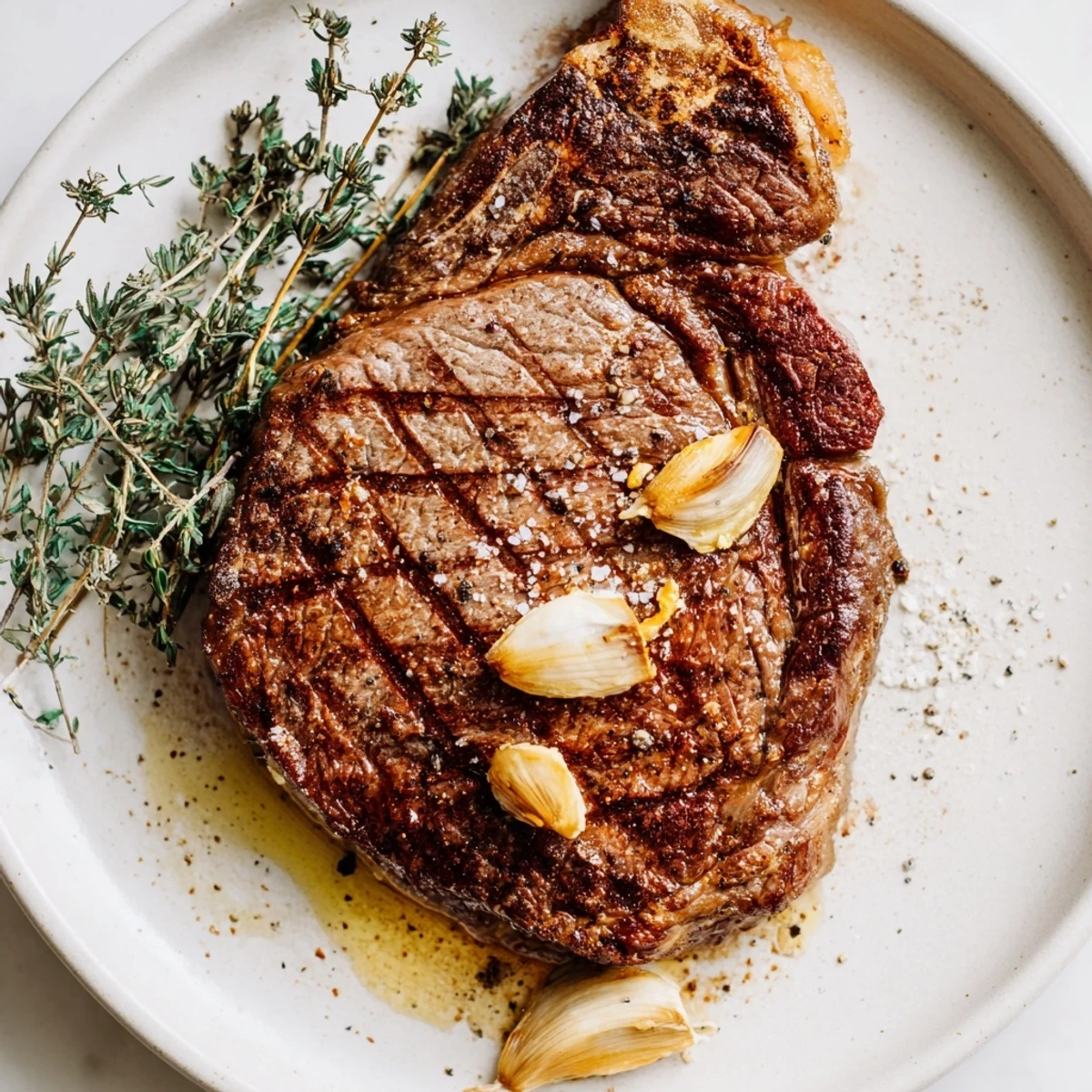
 There is something deeply satisfying about mastering a technique that turns a humble piece of meat into something extraordinary
Recipe FAQs
- → Why should steak rest at room temperature before cooking?
-
Bringing steak to room temperature ensures even cooking throughout. Cold meat can result in a overcooked exterior before the interior reaches the desired temperature, while room-temperature steak promotes more uniform heat distribution.
- → How do I know when the skillet is hot enough for searing?
-
The pan should be thoroughly heated over high heat until it's smoking slightly. You can test by adding a drop of water—it should sizzle and evaporate immediately. Proper pan temperature is crucial for developing that signature caramelized crust.
- → What's the purpose of basting with butter and aromatics?
-
Basting infuses the steak with additional flavor from the butter, garlic, and herbs while helping to cook the top surface. The foaming butter also aids in achieving even doneness and adds richness to the final dish.
- → Why is resting the steak important before serving?
-
Resting allows the juices to redistribute throughout the meat rather than running out onto the cutting board. This crucial step ensures maximum tenderness and prevents the steak from becoming dry when sliced.
- → Can I use other cuts of beef with this method?
-
While ribeye is ideal due to its marbling and fat content, this technique works well with other cuts like New York strip, sirloin, or filet mignon. Adjust cooking times based on thickness and desired doneness level.
- → What internal temperatures correspond to different doneness levels?
-
For rare, aim for 125°F/52°C; medium-rare reaches 135°F/57°C; medium registers at 145°F/63°C. Remember that the temperature will rise slightly during resting, so remove from heat a few degrees before your target.