
 Save to Pinterest
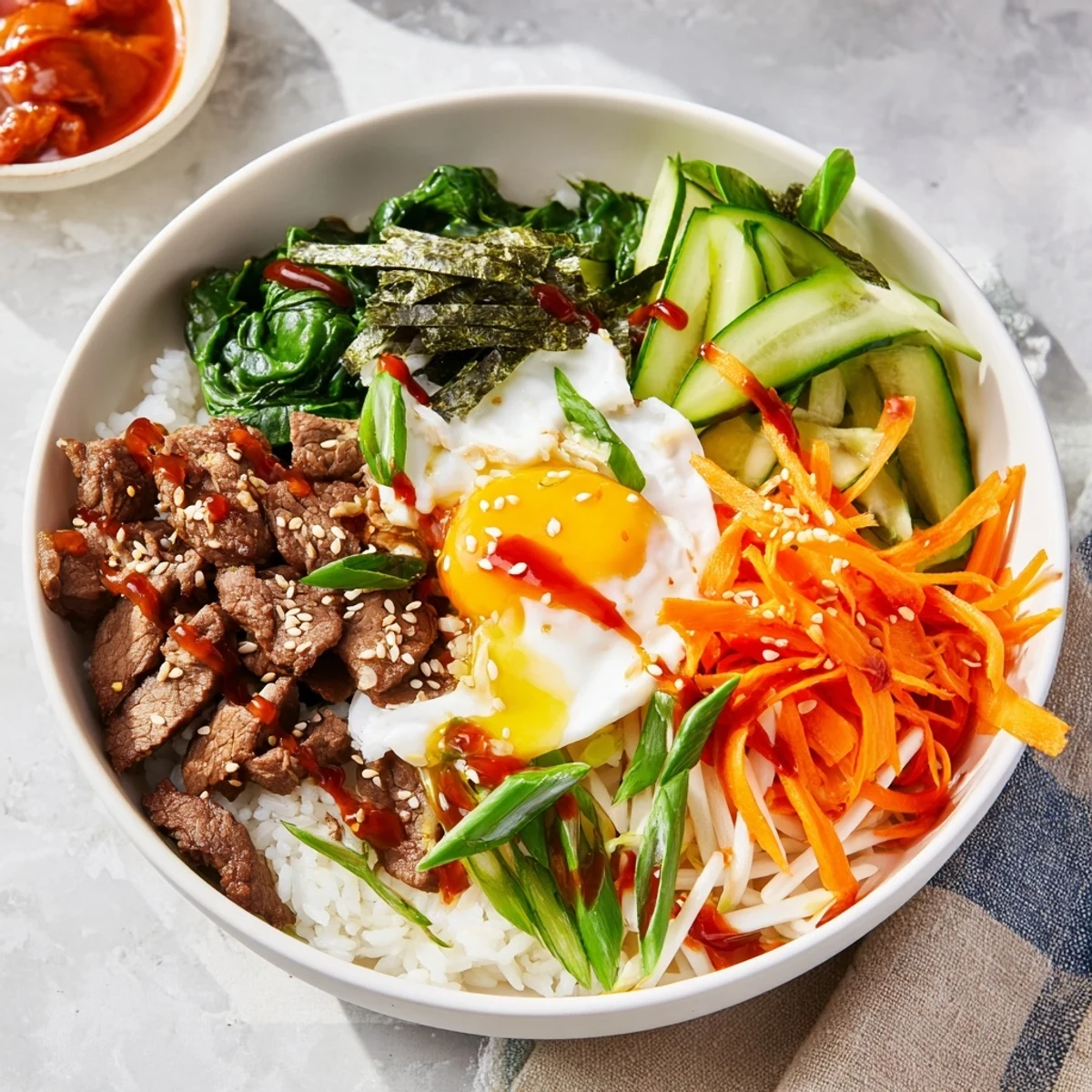
 This Korean-inspired breakfast bowl brings together tender marinated beef, crisp vegetables, and a runny fried egg over warm steamed rice. The spicy-sweet gochujang sauce ties everything together, creating a perfect balance of flavors and textures. Ready in just 40 minutes, this bowl offers protein-rich beef, nutritious vegetables, and satisfying carbohydrates to fuel your morning. The assembly-style serving lets you customize each bite, mixing the runny yolk into the rice and beef for maximum flavor.
My roommate in college used to make these incredible rice bowls after late nights at the library, and I could never figure out how she got everything to taste so good together. It took me years of experimenting to realize that the secret was really just about having all the components ready and that spicy-sweet sauce drizzled over everything. Now this is my go-to when I want something that feels indulgent but still manages to be a complete meal in a single bowl.
Last winter my partner was feeling under the weather and nothing sounded good to them until I made this bowl. They took one bite of the beef with that sauce and immediately perked up, and now it has become our comfort food request whenever someone needs cheering up.
Ingredients
- 200 g beef sirloin or ribeye: Thinly slicing this against the grain makes every bite tender and lets the marinade really penetrate the meat
- 1 tbsp soy sauce: This is the salty base of our beef marinade, building that deep umami flavor
- 1 tsp sesame oil: A little goes a long way to add that nutty richness that makes Korean-inspired dishes taste authentic
- 1 tsp brown sugar: Balances the soy sauce and helps create a beautiful caramelized crust on the beef
- 1 clove garlic: Freshly minced gives you that aromatic kick that powdered garlic just cannot replicate
- ½ tsp grated ginger: Adds a bright, spicy warmth that cuts through the richness of the beef
- 1 tsp rice vinegar: A subtle acid that tenderizes the meat and brightens the whole marinade
- 1 cup baby spinach: Wilts down to almost nothing but adds that fresh green element and nutrients
- 1 small carrot: Julienned into thin strips for crunch and a pop of color against the rice
- ½ cup cucumber: Thinly sliced to provide a cool, refreshing contrast to the hot beef
- ½ cup bean sprouts: These add incredible texture and a fresh, clean taste
- 2 green onions: Sliced for a mild onion bite that brightens every other flavor
- 2 cups cooked short-grain white rice: The foundation that brings everything together, short-grain rice has that perfect sticky texture
- 2 large eggs: Fried sunny-side up so the runny yolk creates its own sauce when mixed in
- 2 tbsp gochujang: The star of the show, this fermented chili paste adds depth, heat, and complexity
- 1 tbsp honey or sugar: Tames the heat of the gochujang just enough to make the sauce irresistible
- 1 tbsp water: Thins the sauce to the perfect drizzling consistency
- 1 tsp sesame oil: Rounds out the sauce with that signature nutty finish
- 1 tsp rice vinegar: Cuts through the richness and adds brightness
- 1 tbsp toasted sesame seeds: Sprinkled over everything for texture and visual appeal
- 1 sheet nori: Cut into thin strips for an optional umami boost and that restaurant-style presentation
Instructions
- Marinate the beef:
- Combine soy sauce, sesame oil, brown sugar, garlic, ginger, and rice vinegar in a small bowl, then add the sliced beef and toss until every piece is coated. Let it sit for at least 15 minutes while you prep everything else, and do not worry if it seems like a small amount of marinade, that is all you need.
- Cook the beef:
- Heat your nonstick skillet over medium-high heat until it is nice and hot, then add the marinated beef in a single layer. Let it sear for about 2 to 3 minutes until browned and cooked through, resist the urge to stir too much, you want that caramelization on the meat.
- Prepare the spinach:
- Using the same pan after removing the beef, toss in the spinach and cook for just 1 minute until it wilts. This goes fast so watch closely, you want it bright green, not mushy and sad.
- Blanch the bean sprouts:
- Drop them into boiling water for exactly 1 minute, then drain immediately. This takes the raw edge off while keeping that satisfying crunch.
- Fry the eggs:
- In a separate nonstick skillet, crack the eggs and let them cook sunny-side up until the whites are completely set but the yolks are still jiggly and runny. Patience is key here, low and slow gives you that perfect white without overcooking the yolk.
- Make the sauce:
- Whisk together gochujang, honey, water, sesame oil, and rice vinegar until smooth. It should be thick but drizzle-able, add another teaspoon of water if it is too thick.
- Assemble the bowls:
- Divide the warm rice between two bowls, then arrange the beef, spinach, carrot, cucumber, bean sprouts, and green onions in separate sections on top. Place that beautiful fried egg right in the center like a crown.
- Finish and serve:
- Drizzle the gochujang sauce over everything, then sprinkle with sesame seeds and those nori strips if you are using them. Serve immediately while the egg is still warm and the yolk is ready to burst.
 Save to Pinterest
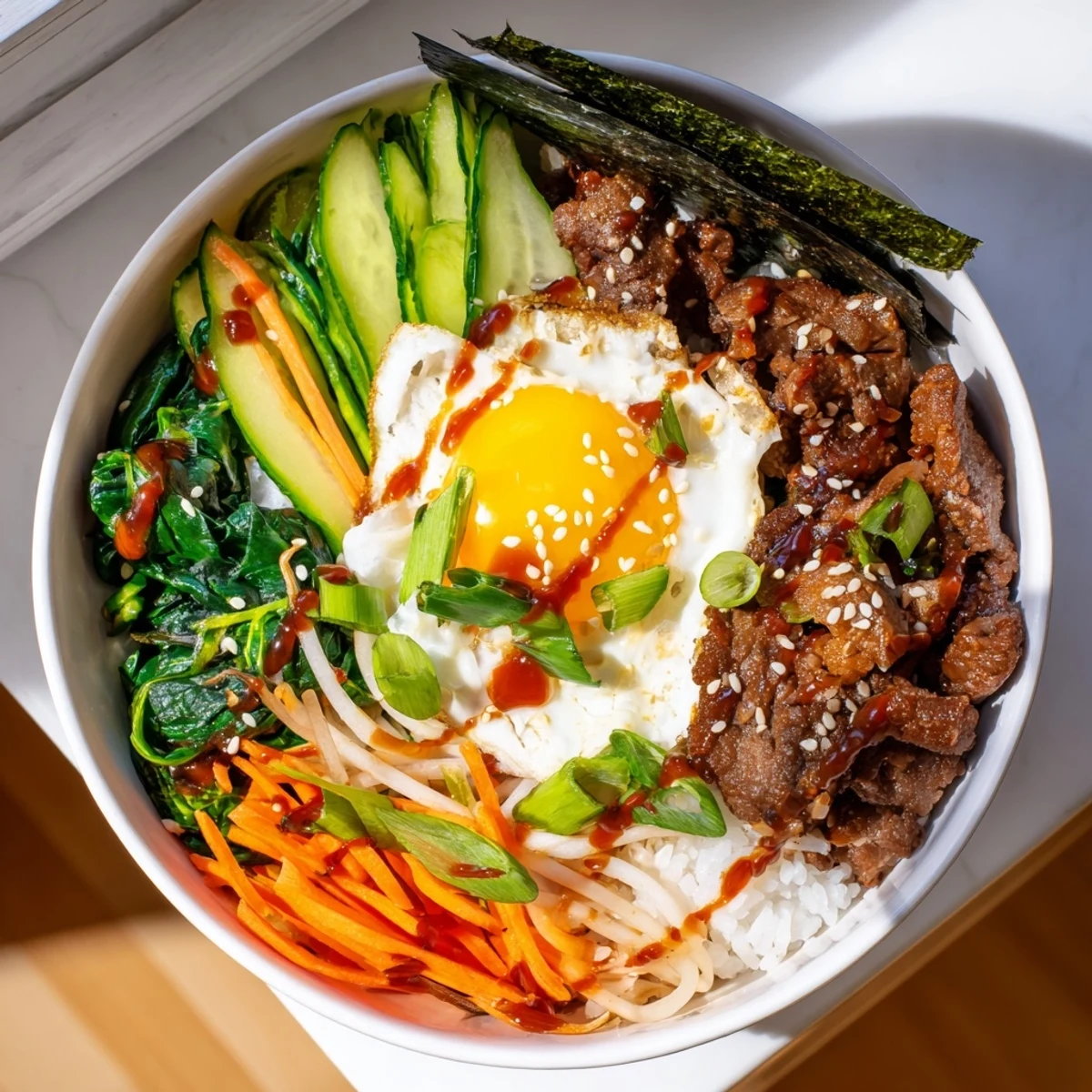
 When I first started making these bowls, I would throw everything in randomly and it still tasted good, but once I learned to arrange each ingredient in its own little section, the whole experience changed. There is something so satisfying about choosing exactly which combination you want in each bite.
Making It Your Own
Sometimes I switch up the vegetables based on what is in my crisper drawer, and the bowl always works out beautifully. I have used thinly sliced bell peppers, shredded cabbage, or even sautéed zucchini when that is what I had on hand. The formula stays the same, you just need something fresh and crunchy to balance the warm elements.
Protein Swaps
My vegetarian sister loves this with firm tofu cubes that get marinated and seared exactly like the beef. You could also use sautéed mushrooms or even shredded chicken if you want to switch things up while keeping the same bowl concept and all those delicious toppings.
Serving Suggestions
A little side of kimchi takes this bowl to the next level and adds that authentic Korean touch. I also love serving it with some pickled vegetables or even a simple cucumber salad on the side. The key is having something cold and tangy to complement the warm, savory elements in the bowl.
- Mix everything together right before eating so the runny yolk creates its own sauce
- Have extra gochujang sauce at the table because everyone always wants more
- Fresh rice makes a huge difference, do not use day-old rice for this particular dish
 Save to Pinterest
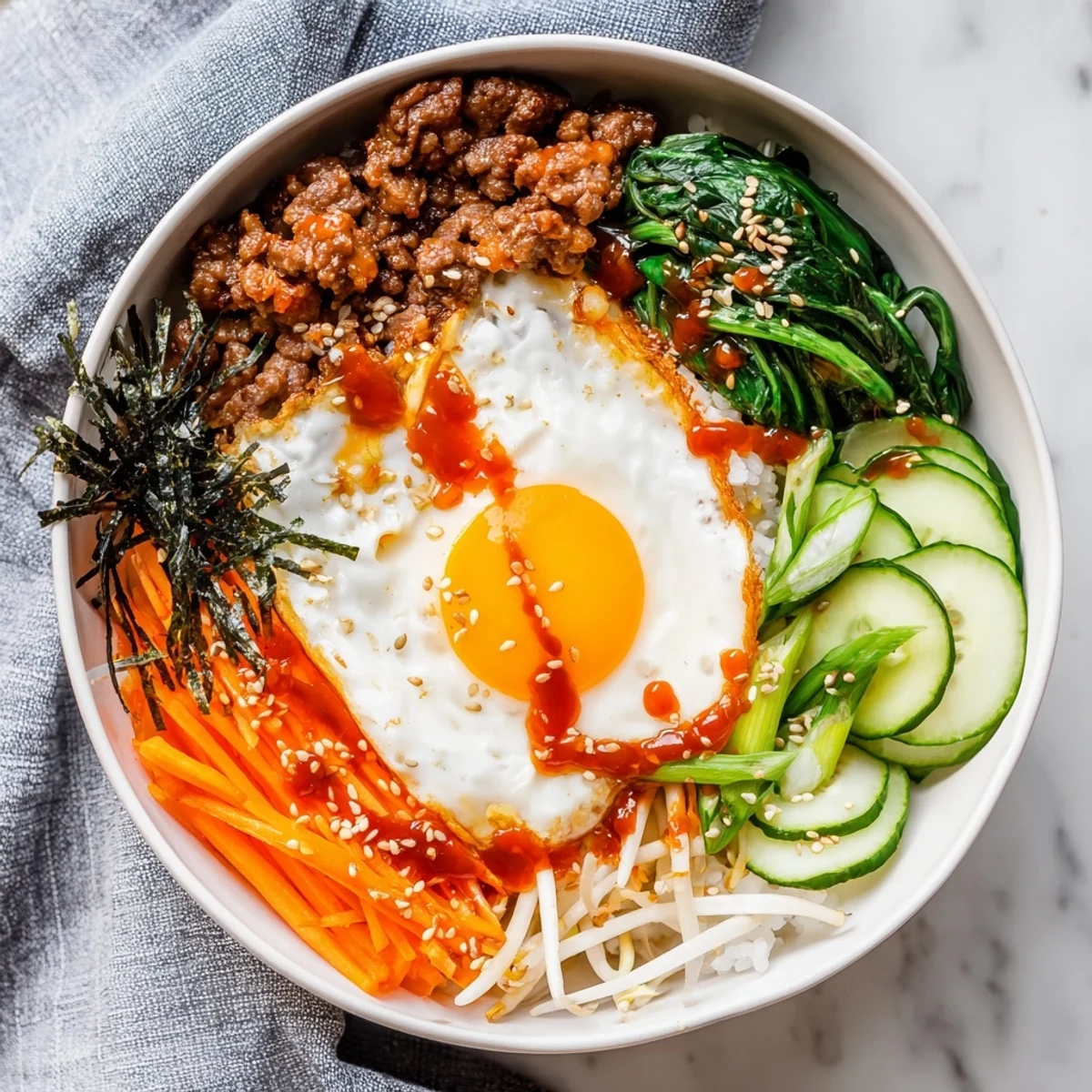
 There is something so complete and satisfying about this bowl, the way the flavors and textures come together makes it feel like a hug in a bowl. Hope it becomes a staple in your kitchen like it has in mine.
Recipe FAQs
- → Can I prepare the beef marinade in advance?
-
Yes, you can marinate the beef up to 24 hours in advance. Store it in an airtight container in the refrigerator for deeper flavor penetration. The longer marinating time will make the beef more tender and flavorful.
- → What other proteins work well in this bowl?
-
Beyond beef, you can use thinly sliced pork, chicken breast, or firm tofu. For seafood lovers, thinly sliced salmon or shrimp work beautifully with the gochujang sauce. Adjust cooking times accordingly for each protein.
- → How do I store leftovers?
-
Store components separately in airtight containers in the refrigerator for up to 3 days. Keep the rice, beef, vegetables, and sauce in separate containers. Reheat the rice and beef gently, and fry a fresh egg when serving to maintain the runny yolk texture.
- → Can I make this dish vegetarian?
-
Absolutely. Substitute the beef with firm tofu, tempeh, or portobello mushrooms. Marinate the vegetarian protein the same way as the beef for authentic flavor. You can also add extra vegetables like bell peppers, zucchini, or edamame for more substance.
- → What's the best way to achieve a runny yolk?
-
Heat your skillet over medium-low heat and crack the egg carefully. Cook for 2-3 minutes until the whites are fully set but the yolk remains jiggly. Covering the pan for the last minute helps cook the whites without overcooking the yolk.
- → Is gochujang very spicy?
-
Gochujang offers moderate heat with a sweet and savory flavor profile. If you're sensitive to spice, start with half the amount and adjust to taste. You can always add more sauce, but you can't remove it once mixed.