
 Save to Pinterest
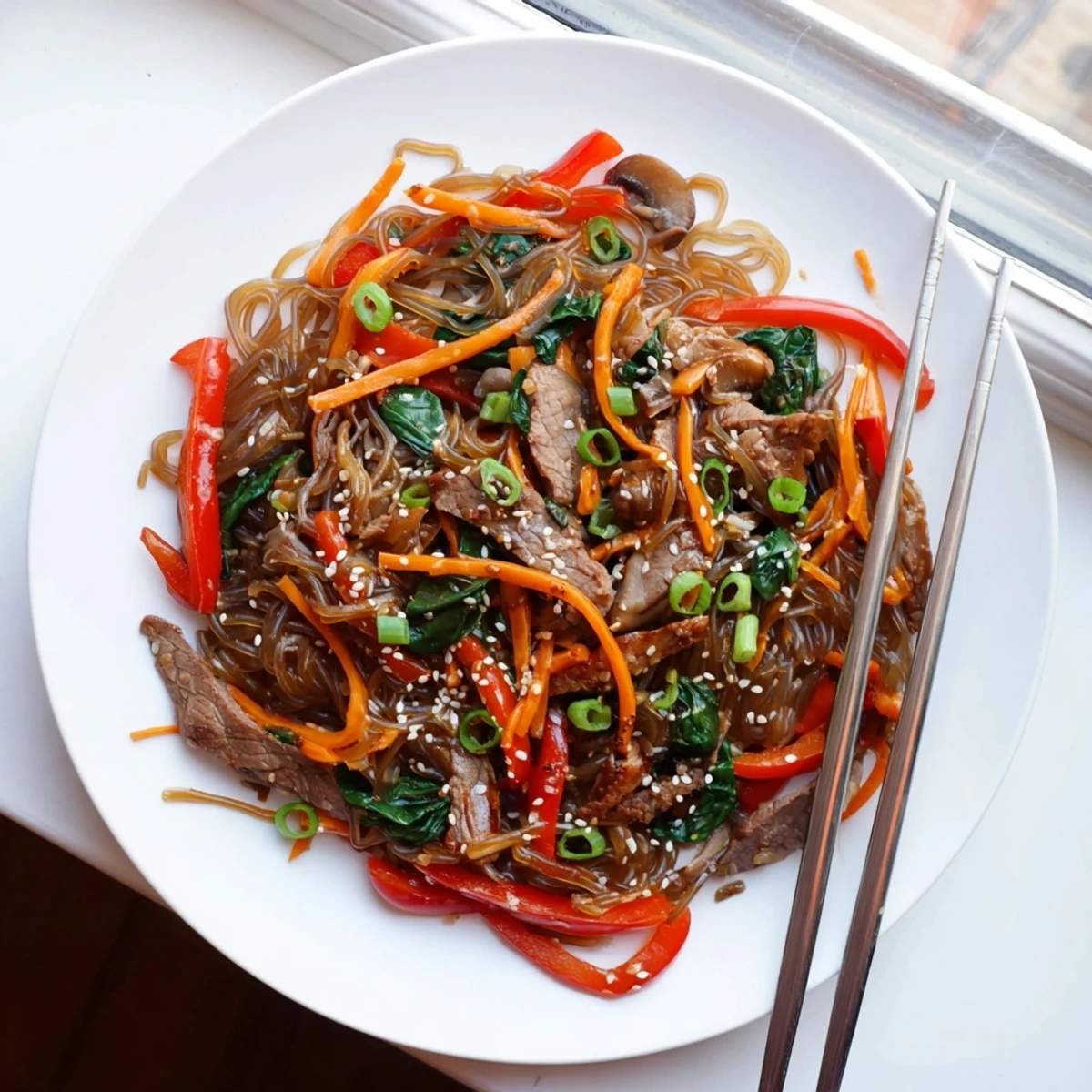
 These Korean beef noodles feature tender flank steak, chewy sweet potato glass noodles, and crisp vegetables all coated in a rich, savory sauce with just the right amount of gentle heat. The combination of soy sauce, gochujang, brown sugar, and sesame creates that perfect balance of salty, sweet, and umami flavors that makes Korean cuisine so addictive.
The dish comes together in under an hour, making it ideal for busy weeknights when you want something comforting but don't want to spend hours in the kitchen. The beef marinade ensures every slice stays tender, while the quick stir-fry technique keeps vegetables crisp and vibrant.
The first time I made Korean beef noodles, I completely underestimated how fast everything cooks once it hits the hot wok. My vegetables went from crisp to borderline mushy because I was too busy admiring the sauce I'd just whisked together. Now I know better, but that first bowl still disappeared in minutes because the flavors were there.
Last winter, my friend came over after a terrible day at work, and I threw this together with whatever I had in the fridge. She took one bite and actually stopped talking about her job. The warmth of the noodles and that gentle gochujang kick just seemed to reset everything.
Ingredients
- Flank steak or sirloin: Thinly slicing against the grain makes all the difference for tenderness, and the cornstarch coating creates this silky texture that absorbs the sauce beautifully
- Sweet potato glass noodles: These chewy, translucent noodles are what give the dish its authentic bounce, though rice noodles work in a pinch
- Gochujang: This Korean chili paste brings a fermented depth that you just cant replicate with plain red pepper flakes
- Brown sugar and mirin: Together they create that perfect Korean balance of sweet and savory that makes the sauce glossy and cling to every strand
Instructions
- Prep your beef:
- Toss the sliced beef with soy sauce, cornstarch, and sesame oil, then let it sit while you chop everything else—this coating is what protects the meat and keeps it tender
- Cook the noodles:
- Boil according to the package, then rinse immediately under cold water to stop cooking and prevent them from sticking together
- Whisk the sauce:
- Combine all sauce ingredients in a small bowl until the brown sugar dissolves completely—taste it now and adjust the heat level
- Sear the beef:
- Heat oil in a hot skillet or wok, add the beef in a single layer, and let it develop a nice brown color before flipping—about 2 to 3 minutes total
- Cook the vegetables:
- Stir-fry the carrots, peppers, and mushrooms until they're just tender but still have some crunch
- Bring it all together:
- Return the beef to the pan, add the noodles and spinach, pour in that sauce, and toss everything until the spinach wilts and every strand is coated
 Save to Pinterest
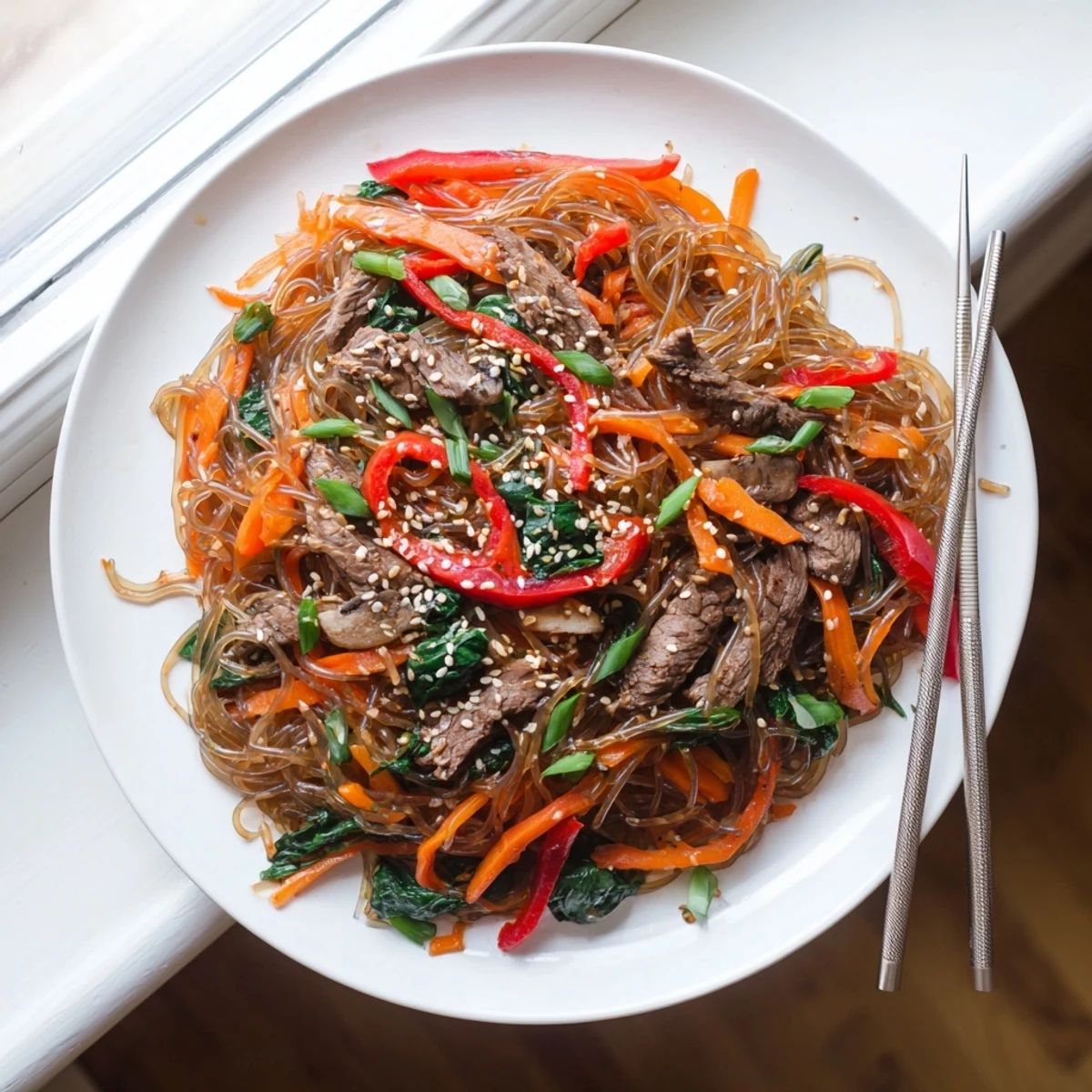
 This recipe has become my go-to for nights when I want something that feels special but doesn't require hours of effort. The way the aroma of garlic, ginger, and sesame oil fills the kitchen just makes the whole house feel cozier.
Getting the Heat Right
Gochujang brings a gentle warmth rather than an overwhelming burn, which is why this dish works for so many people. Start with one tablespoon if you're sensitive to spice, then taste the sauce before adding more. I've found that letting the sauce sit for a few minutes mellows the heat and lets the flavors marry together.
Noodle Selection
Dangmyeon, those sweet potato glass noodles, are worth seeking out at an Asian market. They have this incredible springiness and translucent beauty that makes the dish feel authentic. If you can only find them online or at a specialty store, stock up—they keep forever in the pantry and always impress guests.
Make-Ahead Strategy
The sauce can be whisked together up to three days in advance and stored in the refrigerator, which actually helps the flavors develop. I'll often slice the beef the night before and marinate it, then chop all my vegetables into containers. When I get home, it's just cooking time.
- Cook the noodles earlier in the day and toss with a little oil to prevent sticking
- Double the sauce recipe and keep the extra in a jar for quick weeknight meals
- Leftovers reheat beautifully with a splash of water to loosen the noodles
 Save to Pinterest
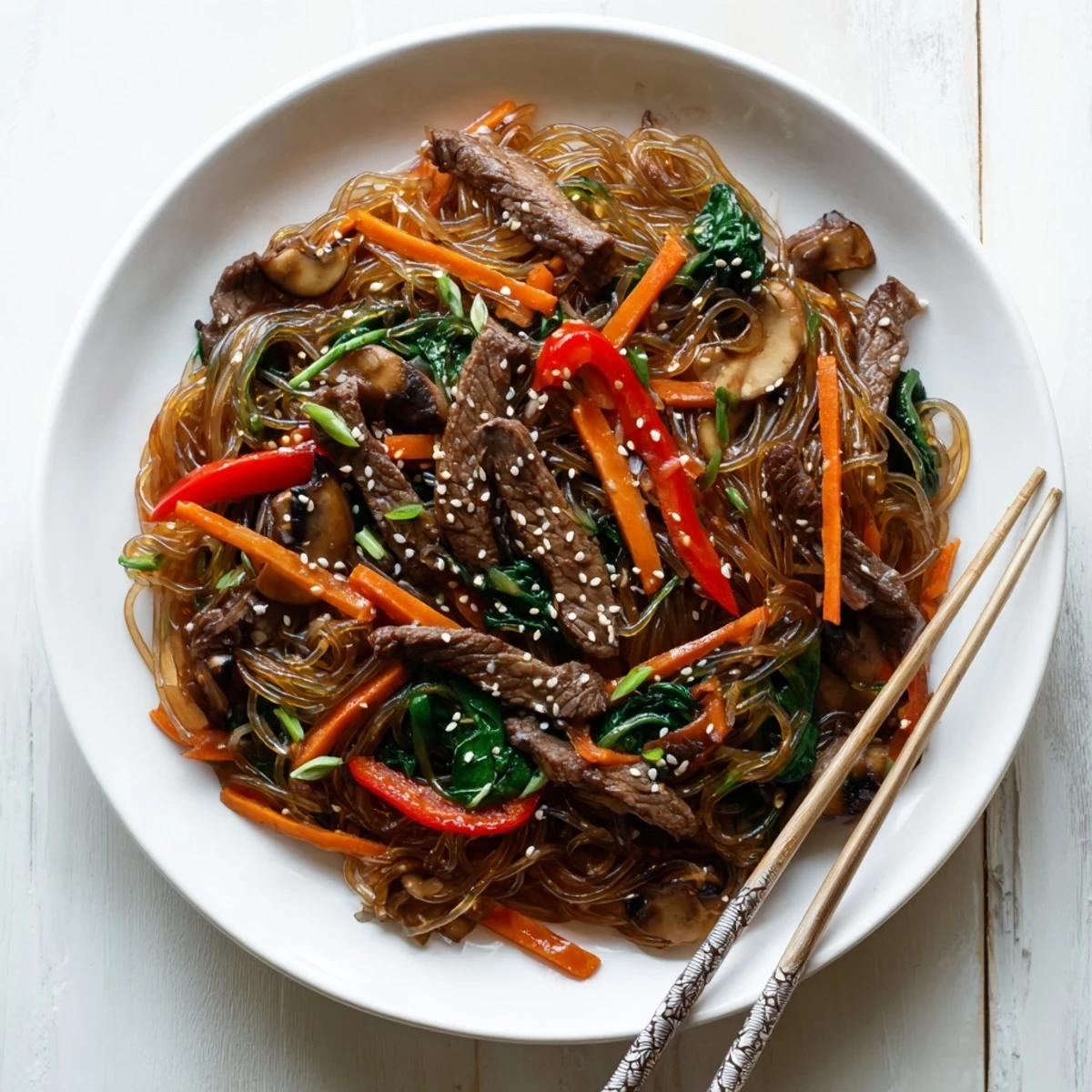
 There's something incredibly satisfying about slurping these noodles straight from the bowl, sauce dripping down your chin. It's the kind of meal that makes you slow down and enjoy every bite.
Recipe FAQs
- → What type of noodles work best for Korean beef noodles?
-
Korean sweet potato glass noodles (dangmyeon) are traditional and provide that signature chewy texture. Rice noodles work beautifully as a gluten-free alternative. Both absorb the savory sauce well while maintaining their springy texture after cooking.
- → Can I make this dish less spicy?
-
Absolutely. Simply reduce the amount of gochujang in the sauce to suit your taste preferences. The dish is designed to be mildly spicy, so even with the full amount, it's quite approachable for those who enjoy gentle heat rather than intense spiciness.
- → What cuts of beef work well for stir-fry?
-
Flank steak or sirloin are excellent choices because they're lean and take on marinades beautifully. Slice the beef thinly against the grain before marinating—this ensures tenderness and allows the meat to cook quickly while remaining juicy.
- → How do I prevent glass noodles from becoming mushy?
-
Cook the noodles according to package instructions, then rinse them under cold water immediately after draining. This stops the cooking process and removes excess starch. Set them aside until ready to toss with the sauce, just before serving.
- → What vegetables can I substitute?
-
Feel free to swap in whatever vegetables you have on hand. Bok choy, snow peas, zucchini, or shredded cabbage all work wonderfully. The key is to add vegetables that maintain some crunch when quickly stir-fried.
- → Can I prepare this dish ahead of time?
-
You can slice the beef, prepare the vegetables, and mix the sauce up to a day in advance. Store everything separately in the refrigerator. The dish cooks so quickly that it's best finished just before serving, but having everything prepped makes the actual cooking process seamless.