
 Save to Pinterest
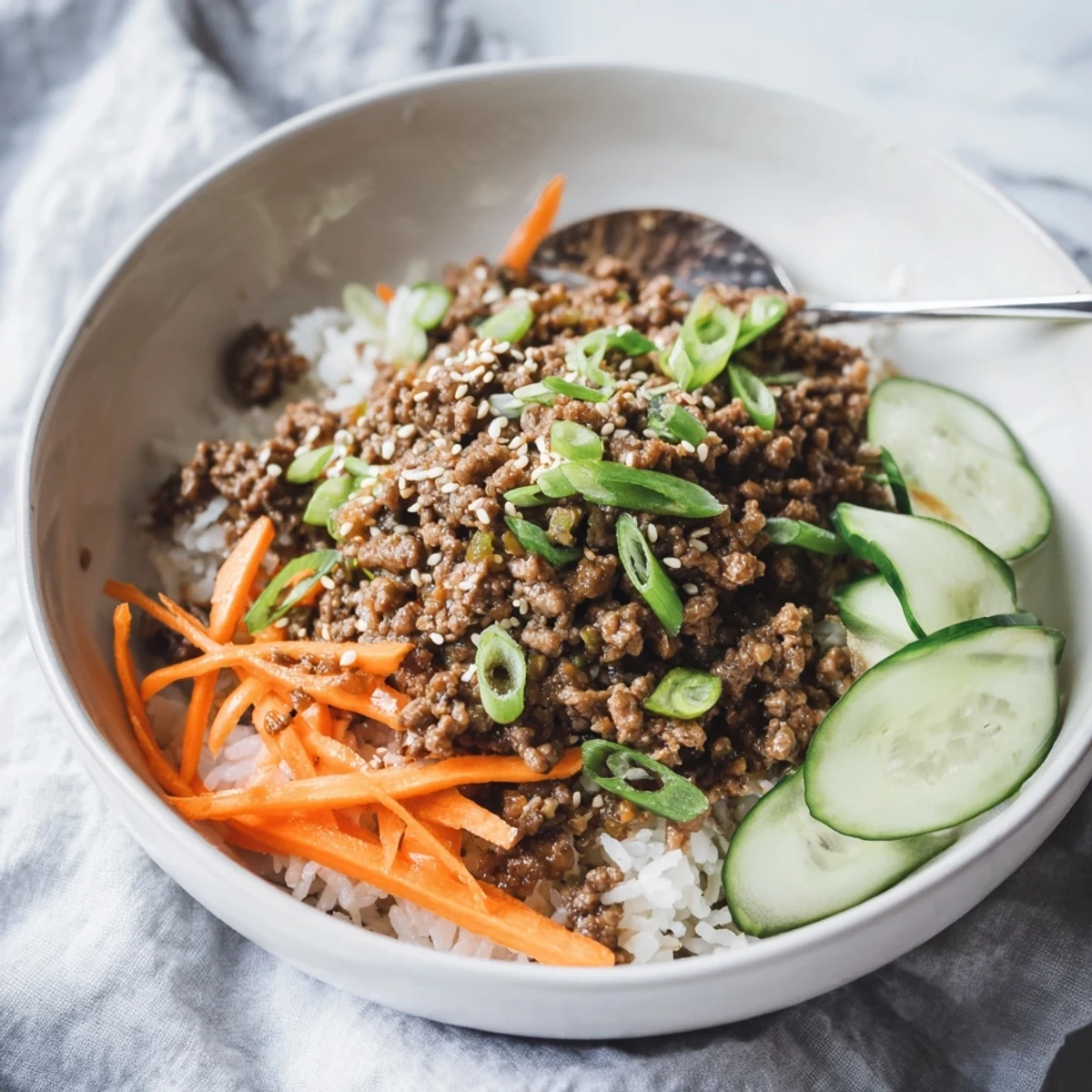
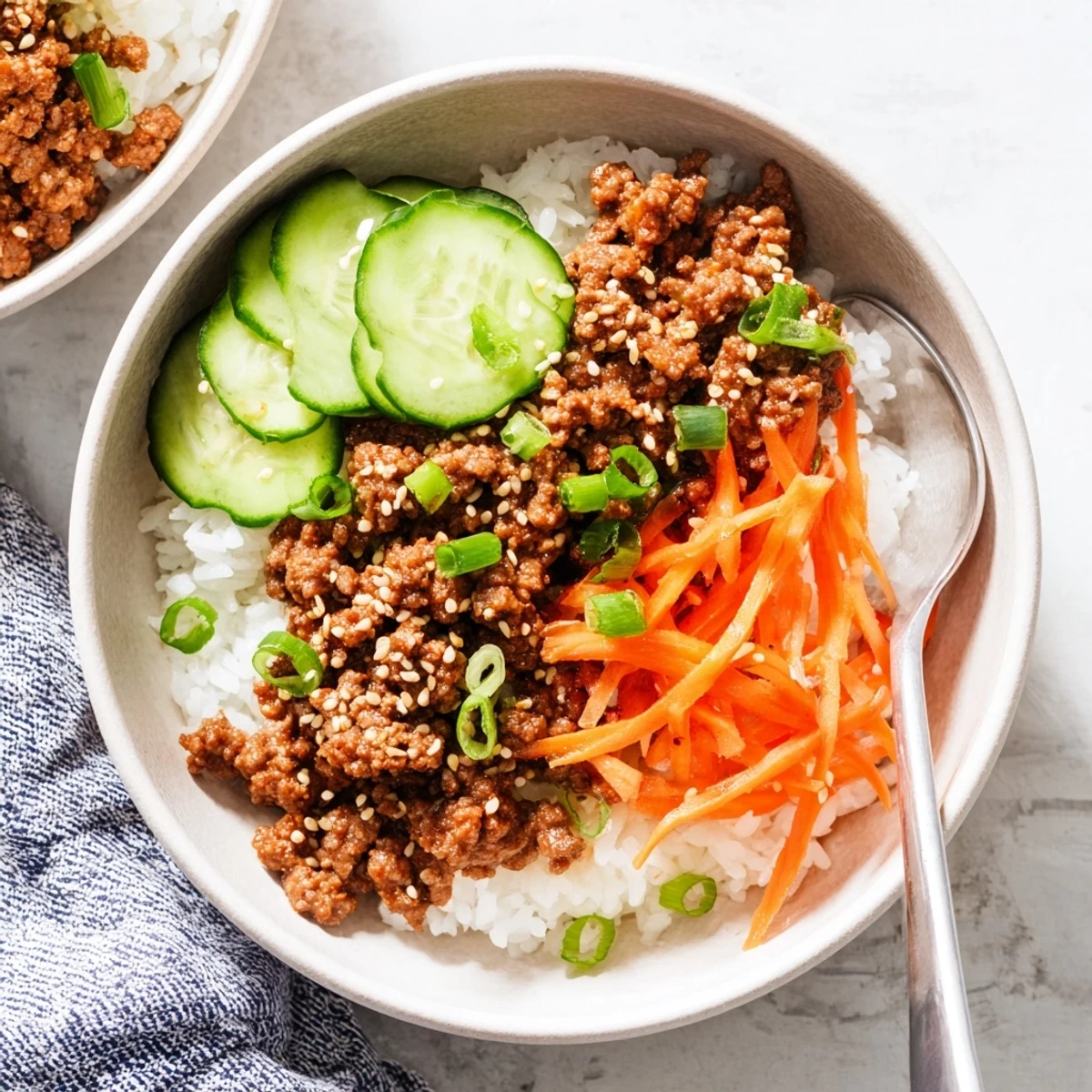
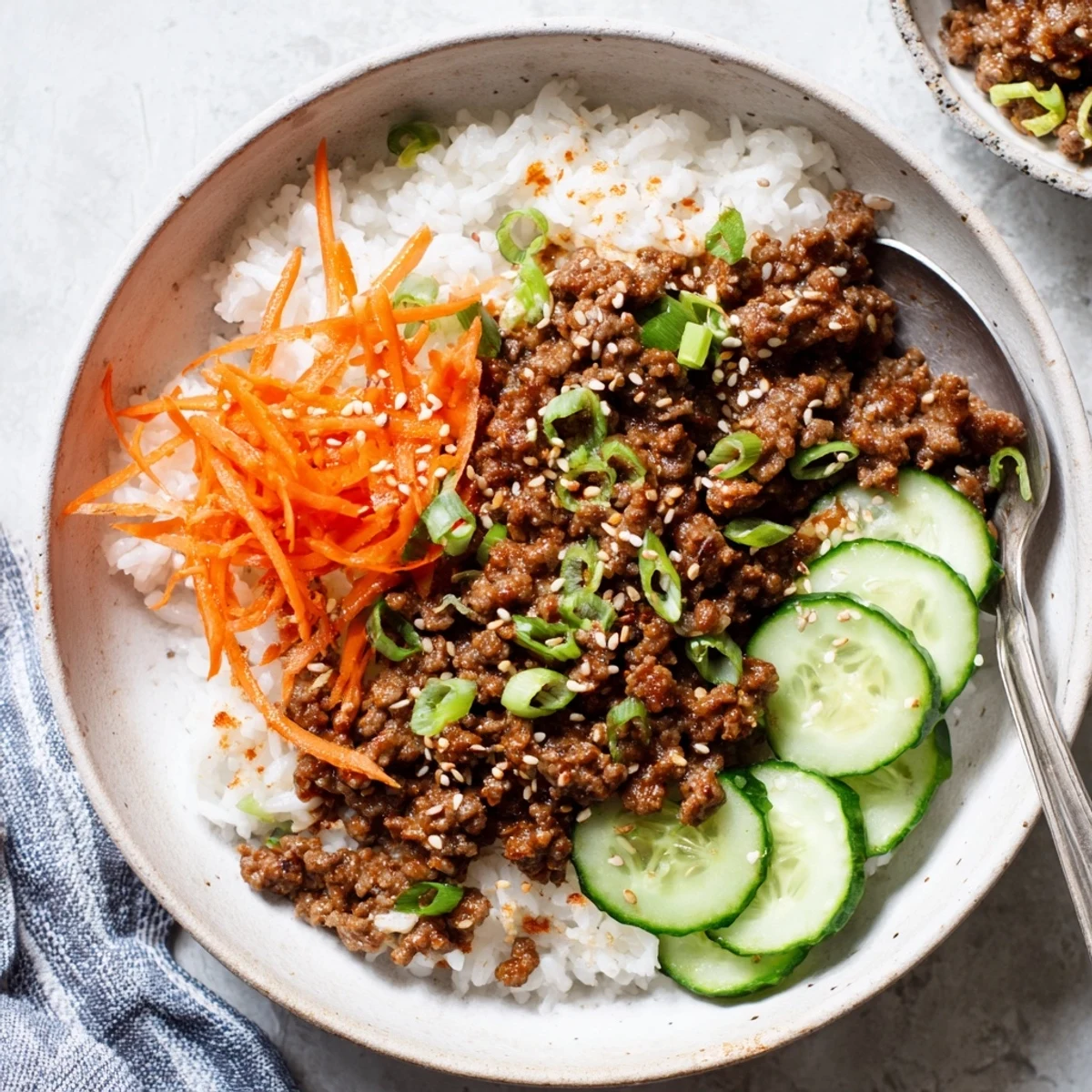
 These Korean beef bowls combine savory ground beef with a sweet and spicy sauce featuring soy sauce, sesame oil, garlic, ginger, and gochujang. Served over fluffy steamed rice and topped with crisp carrots, cucumber, scallions, and toasted sesame seeds, this dish delivers restaurant-quality flavor in under 30 minutes. The versatile recipe adapts easily to different dietary preferences, making it perfect for busy weeknights when you want something satisfying without spending hours in the kitchen.
The first time I made these Korean beef bowls, my kitchen filled with this incredible aroma of garlic and sesame that had my roommates wandering in from the living room. We ended up eating standing around the stove because nobody wanted to wait for proper bowls. Now it is my go-to when I need something that feels special but comes together in the time it takes to cook rice.
Last Tuesday my friend Sarah came over exhausted from work and I whipped this up. She took one bite and immediately asked for the recipe saying it tasted like something from a restaurant but without the wait or the bill. We sat at my tiny kitchen table catching up while crunching through those fresh cucumber slices.
Ingredients
- 500 g lean ground beef: I use 93% lean so there is less fat to drain but still enough richness to carry all those bold Korean flavors
- 60 ml low-sodium soy sauce: Starting with low sodium lets you control the salt level since we are adding other salty elements
- 2 tbsp light brown sugar: This balances the soy sauce and gives the beef that gorgeous caramelized glaze as it cooks
- 1 tbsp sesame oil: Toasted sesame oil is non-negotiable here it provides that signature nutty Korean base note
- 4 garlic cloves minced: Do not skip fresh garlic here it forms the backbone of the sauce along with ginger
- 1 tbsp freshly grated ginger: Fresh ginger has a bright zing that powdered ginger just cannot replicate
- 1 tbsp gochujang: This Korean chili paste adds depth and gentle heat but red pepper flakes work in a pinch
- 2 tsp rice vinegar: Just enough acidity to cut through the rich beef and sugar
- 300 g jasmine rice: Jasmine rice has a natural floral sweetness that pairs beautifully with Korean flavors
- 2 medium carrots julienned: The fresh crunch against the warm beef is what makes this bowl feel complete
- 1 small cucumber thinly sliced: Cool and refreshing cucumber balances the spicy beef perfectly
- 4 scallions thinly sliced: Use both the white and green parts for color and mild onion flavor
- 2 tbsp toasted sesame seeds: Toast them in a dry pan for 2 minutes first to bring out their nutty flavor
Instructions
- Get your rice going first:
- Rinse the rice under cold water until it runs clear then add it with 480 ml water to a saucepan. Bring to a boil then reduce to low cover and simmer for 12 to 15 minutes until all water is absorbed. Fluff gently with a fork and keep covered.
- Whisk together the sauce:
- In a small bowl combine the soy sauce brown sugar sesame oil minced garlic grated ginger gochujang and rice vinegar. Whisk until the sugar is completely dissolved and everything is well combined.
- Brown the beef:
- Heat a large skillet over medium-high heat and add the ground beef breaking it up with a spatula as it cooks. Cook for about 5 minutes until thoroughly browned then drain any excess fat if you prefer.
- Add the sauce:
- Pour the sauce mixture over the browned beef and stir to coat everything evenly. Cook for another 2 to 3 minutes stirring constantly until the sauce has thickened slightly and clings to the beef.
- Assemble your bowls:
- Divide the steaming rice among four bowls then top each with the saucy beef. Arrange the carrots cucumber and scallions on top then sprinkle with sesame seeds and add kimchi or cilantro if you like.
 Save to Pinterest
 My brother who claims he does not like spicy food absolutely demolished this dish. He said the heat is subtle and just makes everything taste more vibrant without overwhelming the other flavors. Now he requests it every time he visits.
Making It Your Own
I have swapped ground beef for ground turkey when I wanted something lighter and it still works beautifully because the sauce carries so much flavor. For a vegetarian version try crumbled extra firm tofu that has been pressed and briefly pan-fried to develop some texture before adding the sauce.
Topping Ideas
Sometimes I add a fried egg on top because that runny yolk mixing into the beef and rice is absolute heaven. Quick-pickled radishes or sliced jalapeños add another layer of flavor and a pop of color that makes the whole bowl feel restaurant quality.
Prep Ahead Strategy
You can julienne the carrots and slice the cucumber up to two days ahead and store them in the refrigerator. The sauce can also be whisked together and kept in a small jar for up to a week making weeknight assembly incredibly fast.
- Double the beef and sauce portion for easy lunch prep throughout the week
- Cook a big batch of rice and freeze individual portions for future bowls
- Keep kimchi on hand as an instant spicy tangy topping option
 Save to Pinterest
 There is something so satisfying about a meal that comes together this quickly yet feels like a treat at the end of a long day.
Recipe FAQs
- → Can I make this dish gluten-free?
-
Yes, simply substitute tamari for the soy sauce and ensure your gochujang is gluten-free. Most other ingredients are naturally gluten-free.
- → What protein alternatives work well?
-
Ground turkey or chicken are excellent lighter options. For a vegetarian version, use crumbled tofu or plant-based ground meat alternatives—the sauce works beautifully with any protein.
- → How spicy is this dish?
-
The heat level is easily adjustable. Omit gochujang for a mild version, add the full tablespoon for moderate spice, or include red pepper flakes for extra kick.
- → Can I prep components ahead?
-
Absolutely. Chop vegetables up to 2 days in advance and store them in airtight containers. The sauce can be whisked together and refrigerated for up to a week.
- → What other toppings work well?
-
Fresh herbs like cilantro or basil, pickled vegetables, fried eggs, sliced avocado, or cucumber ribbons all make excellent additions to customize your bowl.
- → How long do leftovers keep?
-
Store components separately in airtight containers for up to 4 days. Reheat the beef gently and serve over freshly steamed rice for best results.