
 Save to Pinterest
 This creamy Middle Eastern chickpea dip blends tahini, lemon, garlic, and olive oil for a smooth, flavorful spread. Paired with warm, fluffy pita bread, it’s ideal for snacking or sharing. Blend drained chickpeas with tahini and seasonings until smooth, adjusting texture with water and olive oil. Warm pita breads before serving alongside the dip, garnished with smoked paprika and fresh parsley if desired. This easy-to-make dish captures authentic flavors and offers a satisfying, nutritious option for any gathering.
I still remember the first time I made hummus from scratch at home. I'd been buying it from the grocery store for years, thinking it required some mysterious kitchen magic, but then a friend from Lebanon casually made it in her food processor while we chatted, and I watched in amazement as chickpeas transformed into the silkiest, most luxurious dip in minutes. That moment changed everything for me. Now, whenever I make hummus, I'm transported back to her kitchen, and I realize how something so simple—just a can of chickpeas, some tahini, lemon, and time—can become the most elegant thing to serve to people you care about.
I've served this hummus at countless gatherings, and there's always that magical moment when someone takes their first bite, their eyes light up, and they ask, "Did you make this?" There's something about sharing something you've made with your own hands that just tastes better, and hummus seems to unlock that warmth in people more than almost anything else.
Ingredients
- 1 (15 oz / 425 g) can chickpeas, drained and rinsed: These are your foundation—they're already cooked, which is why this comes together so quickly. I always rinse them thoroughly under cold water and let them drain well; any starchy water left behind will make your hummus gluey instead of silky. A tip I learned the hard way: if you have time, you can rub the skins off gently, and it makes the hummus impossibly smooth.
- 3 tbsp tahini (sesame paste): This is where the magic lives. Tahini brings that characteristic nutty, creamy depth that defines real hummus. Make sure it's well-stirred before you measure it, because it separates, and the oil rising to the top matters. I always use the same spoon to scoop it as I use for the olive oil so it slides out more easily.
- 2 tbsp extra-virgin olive oil, plus more for drizzling: Use good olive oil here—you can taste the difference in every spoonful. The first bit goes into the processor, but save some for that final luxurious drizzle on top that makes it look like something from a Mediterranean café.
- 1 lemon, juiced (about 2–3 tbsp): Fresh lemon juice is absolutely non-negotiable. Bottled just won't give you that bright, alive flavor. Roll your lemon on the counter before cutting it in half—this little gesture releases more juice and makes juicing easier.
- 1 garlic clove, minced: Just one clove is usually enough because its flavor intensifies as everything blends. If you love garlic, you can always add another, but you can't take it back once it's in.
- 1/2 tsp ground cumin: This warm spice is what gives hummus its soul. It's subtle enough that no one will say, "Is that cumin?" but obvious enough that they'll know something wonderful is happening.
- 1/2 tsp salt, or to taste: Salt is your final tool for balance. You taste as you go, and you adjust. This is where your palate becomes the recipe.
- 2–3 tbsp cold water: This is the secret ingredient that transforms everything into clouds. Cold water matters—it keeps the hummus cold and light as it processes, which is why the texture is so different from anything you could make by hand.
- 4 pita breads: Warm pita is non-negotiable. Cold pita is stiff and uninviting; warm pita becomes soft and pliable, ready to scoop up the hummus generously.
- 1/2 tsp smoked paprika or sumac (optional, for garnish): These aren't just pretty—smoked paprika adds depth, and sumac brings a subtle tartness that echoes the lemon. Use one or the other, or skip it entirely if you want to keep things simple.
- 2 tbsp chopped fresh parsley (optional): Fresh herbs always feel like an afterthought until you add them, and then they suddenly feel essential. They add color, brightness, and a whisper of freshness.
Instructions
- Gather your ingredients and get your processor ready:
- Pull everything out and arrange it like you're about to conduct a small orchestra. There's something about being organized that makes the whole process feel intentional and calm. Make sure your food processor bowl is clean and dry.
- Add the chickpeas and aromatics to the processor:
- Put the drained chickpeas, tahini, lemon juice, minced garlic, cumin, and salt into your food processor. It might look like an odd pile of ingredients, but trust the process. Pulse a few times to break everything down roughly—you'll hear the texture change as the chickpeas start to give way.
- Begin blending until the mixture comes together:
- Now turn the processor on and let it run. Listen to the sound change. After about a minute, pause and scrape down the sides with a rubber spatula, pushing everything back toward the blade. This is important because pieces hiding on the sides won't get blended evenly.
- Add the oil and cold water slowly:
- With the processor running, drizzle in the olive oil slowly, like you're making mayonnaise. Watch as the mixture begins to transform, becoming lighter and fluffier. Then, add the cold water a tablespoon at a time. The cold water is what creates that cloud-like texture that separates good hummus from extraordinary hummus. Keep blending and scraping as needed.
- Blend for the perfect consistency:
- Continue blending for 1–2 minutes after you've added the water. The texture should be creamy and light, almost like mousse. If it's too thick, add another splash of cold water. If it seems too thin, let it blend a bit longer—it will continue to aerate and fluff up as you blend.
- Taste and adjust the seasoning:
- Stop the processor and taste a small spoonful. This is where you become the chef. Does it need more salt? More lemon? More garlic? Adjust generously—seasoning is what transforms hummus from pleasant to memorable. Blend briefly after any additions.
- Transfer to a serving bowl:
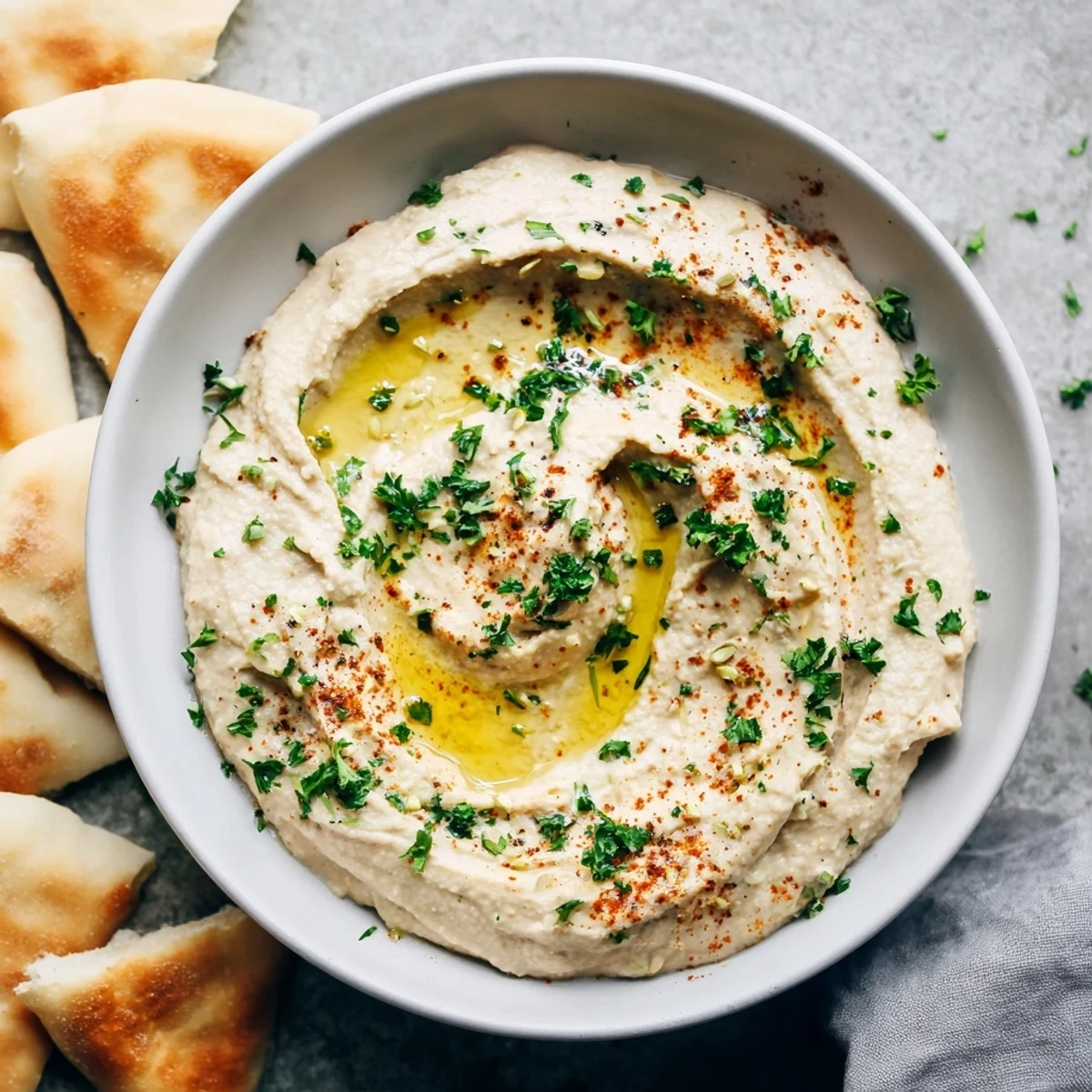
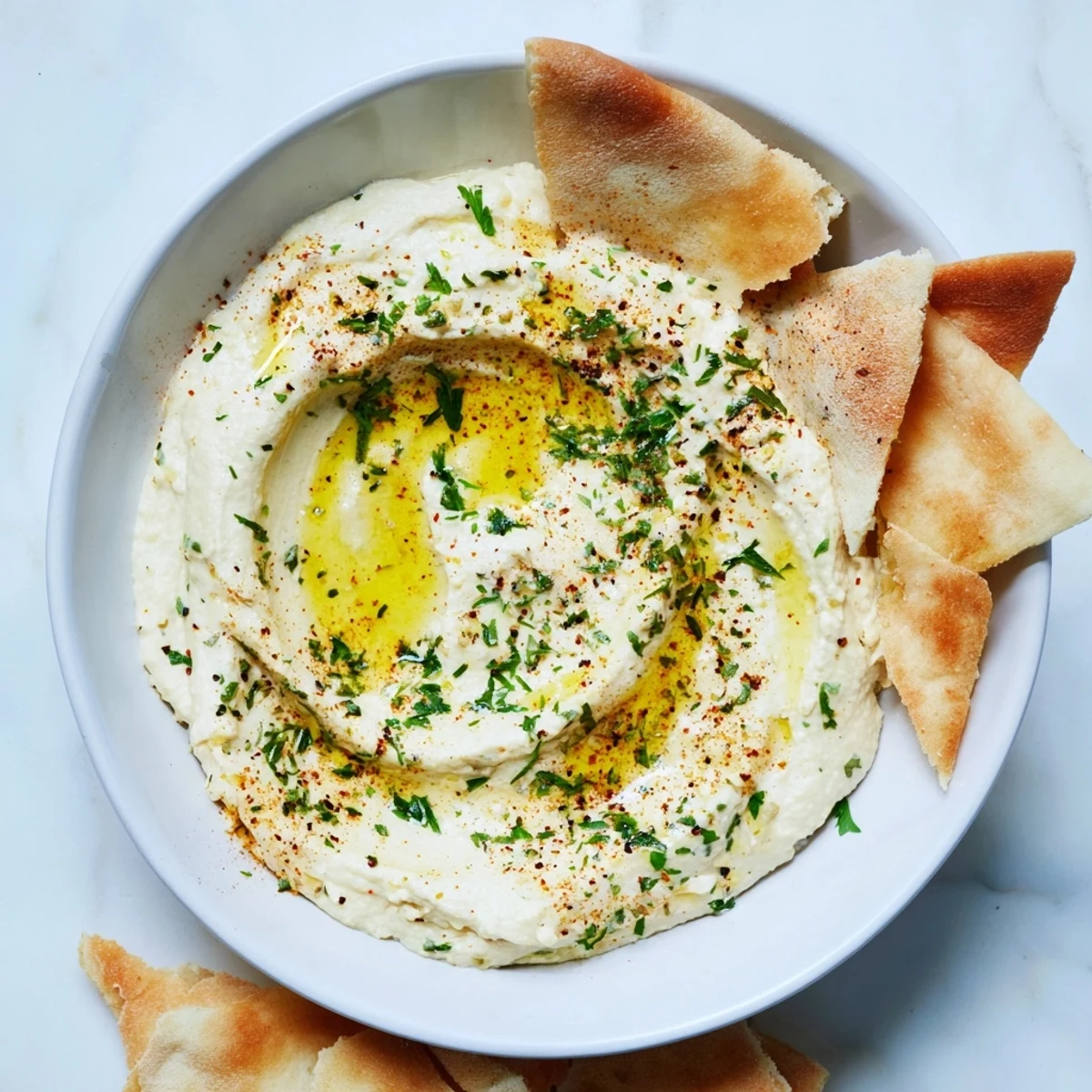
- Spoon the hummus into a shallow bowl. Use the back of your spoon to gently create a well in the center—this is both practical and beautiful. The well helps hold the olive oil and looks intentional, like something you'd see in a restaurant.
- Finish with the flourish:
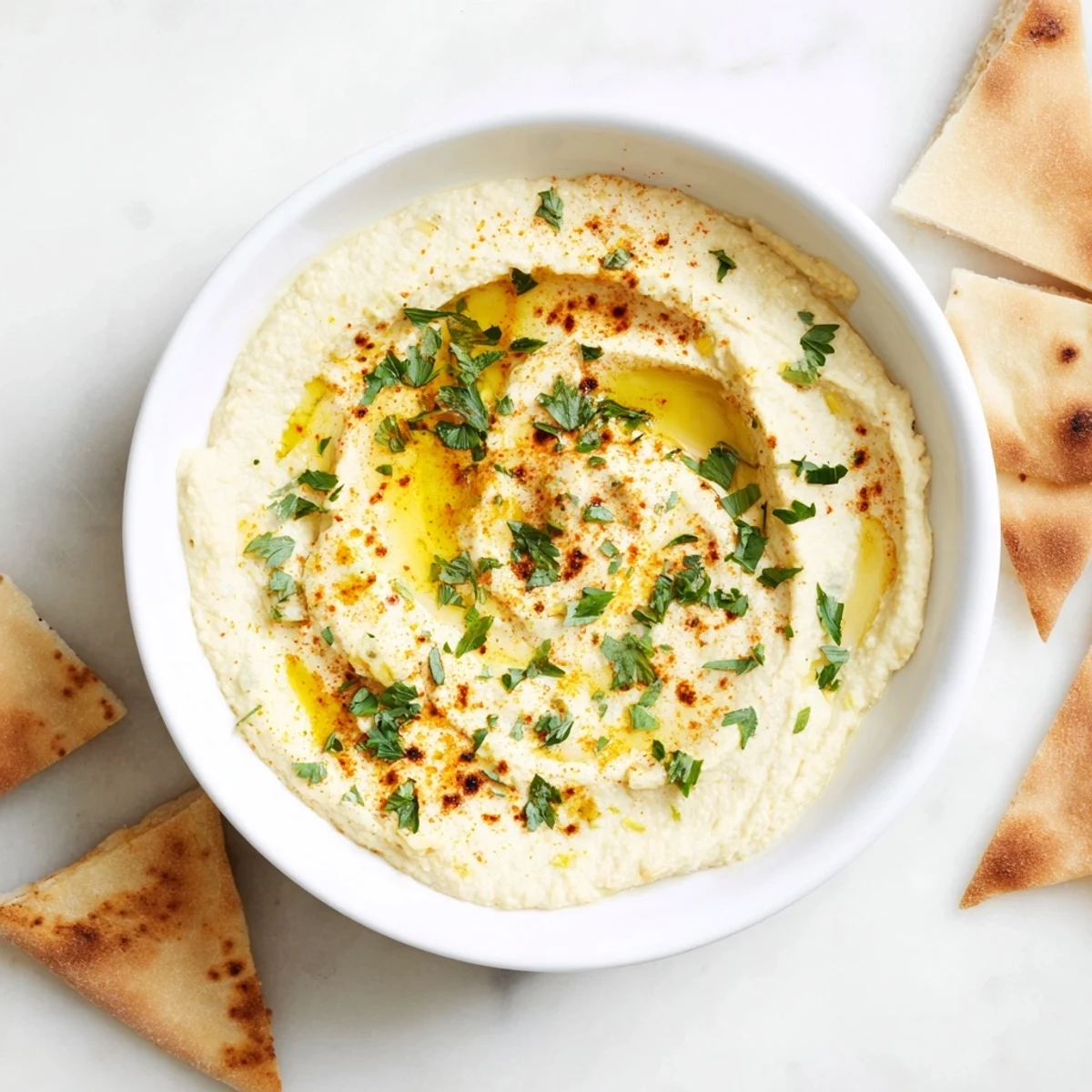
- Drizzle generously with good olive oil. Sprinkle with smoked paprika or sumac if you're using it, add a few flecks of fresh parsley, and maybe a whisper of salt on top. Step back and look at it. You made this.
- Warm the pita breads:
- While you're finishing the hummus, warm your pita breads. A dry skillet over medium heat works beautifully—place each pita in for about 1 minute per side, just until it puffs slightly and becomes soft and warm. You can also wrap them in foil and warm them in a 350°F oven for 10 minutes. Warm pita is the difference between this being okay and this being memorable.
- Cut and serve:
- Cut the warm pitas into wedges and arrange them around your hummus bowl, or serve them in a basket alongside. Invite people to scoop generously, to use their hands, to make a little mess. Hummus is meant to be shared and enjoyed without pretense.
 Save to Pinterest
 There was a moment during a dinner party when a guest who usually doesn't eat much suddenly went back for a third helping of hummus, and then asked for the recipe. Watching someone discover something simple that brings them genuine joy—that's when I understood that cooking isn't about impressing people with complicated techniques. It's about creating moments where simple, honest food makes people feel welcomed and cared for.
The Art of the Perfect Texture
The texture of hummus is everything, and it took me several batches to understand why. The key is patience and cold water. When you add cold water slowly while the processor runs, the chickpeas and tahini emulsify together, creating millions of tiny air pockets that make the hummus light and cloud-like. This is why hummus made with room-temperature water feels heavy and dense by comparison. It's also why you should never add all the water at once—add it slowly, blend, taste, and see if you need more. Your hummus should spread smoothly onto pita but still hold its shape on a spoon. That balance takes practice, but once you find it, you'll recognize it immediately.
Variations That Keep It Interesting
Once you master classic hummus, the door opens to so many beautiful variations. I've made roasted red pepper hummus by blending in 1/2 cup of jarred roasted red peppers, which turns it a stunning sunset pink and adds subtle sweetness. I've made sun-dried tomato hummus by pulsing in about 1/4 cup of oil-packed sun-dried tomatoes, which deepens the flavor with an almost wine-like richness. I've even experimented with roasted beet hummus, which creates this gorgeous magenta color and adds earthiness. The formula stays the same—adjust the water and lemon juice as needed for consistency and brightness—but the variations let you play and explore.
Serving and Storage Wisdom
Hummus is one of those dishes that seems humble until you realize how versatile it is. Serve it as a dip with pita, with fresh vegetables like cucumber slices and bell peppers, or even with olive oil-drizzled bread. Use it as a sandwich spread instead of mayonnaise—it's richer and more flavorful. Dollop it on grain bowls, swirl it into soups, or use it as a bed for roasted chickpeas or vegetables. As for storage, hummus keeps beautifully in an airtight container in the refrigerator for up to five days, though it's best eaten within three days when the flavors are brightest. If it stiffens in the cold, let it come to room temperature before serving, or loosen it with a splash of lemon juice and a touch of cold water.
- Make it a day ahead if you're serving guests—the flavors deepen and mellow overnight, and it's one less thing to do right before people arrive
- Always reserve a handful of whole chickpeas to scatter on top right before serving for a little textural contrast and visual interest
- A swirl of quality olive oil on top isn't just decoration—it's a flavor layer that makes people want another bite
 Save to Pinterest
 Every time someone makes hummus from this recipe, they're not just making a dip—they're joining a tradition that stretches back centuries across the Mediterranean. There's something sacred about that.
Recipe FAQs
- → What gives the dip its creamy texture?
-
The blend of tahini and olive oil, combined with chickpeas and a little water, creates the smooth and creamy consistency.
- → Can I make the dip smoother?
-
Peeling the chickpeas before blending helps achieve an extra-smooth texture.
- → How should I warm the pita bread?
-
Warm pita bread in a dry skillet or oven for 1-2 minutes until soft and pliable.
- → What are some good garnish options?
-
Smoked paprika or sumac and chopped fresh parsley add color and flavor as garnishes.
- → Can this be adapted for gluten-free diets?
-
Use gluten-free pita or serve the dip with fresh vegetables to keep it gluten-free.