
 Save to Pinterest
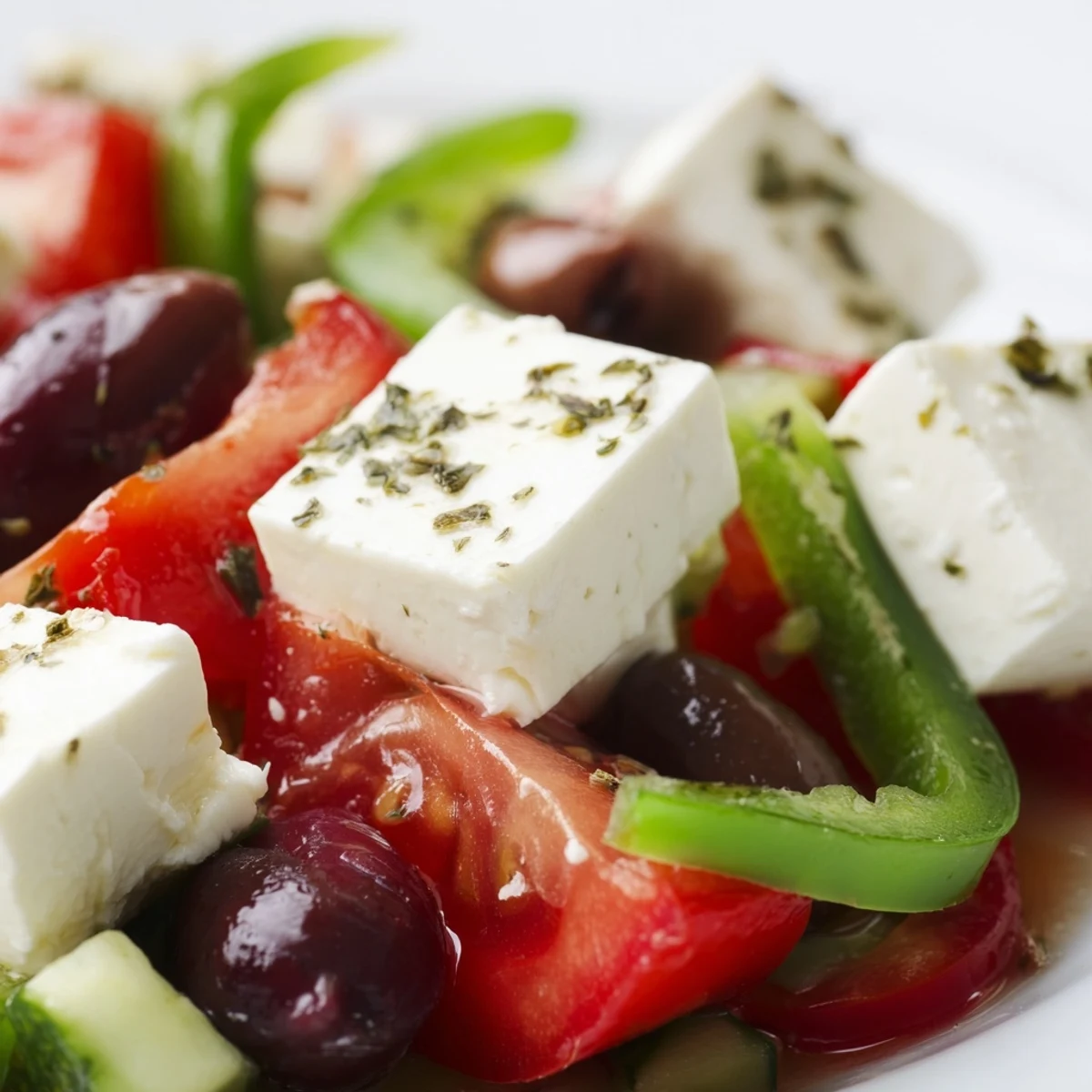
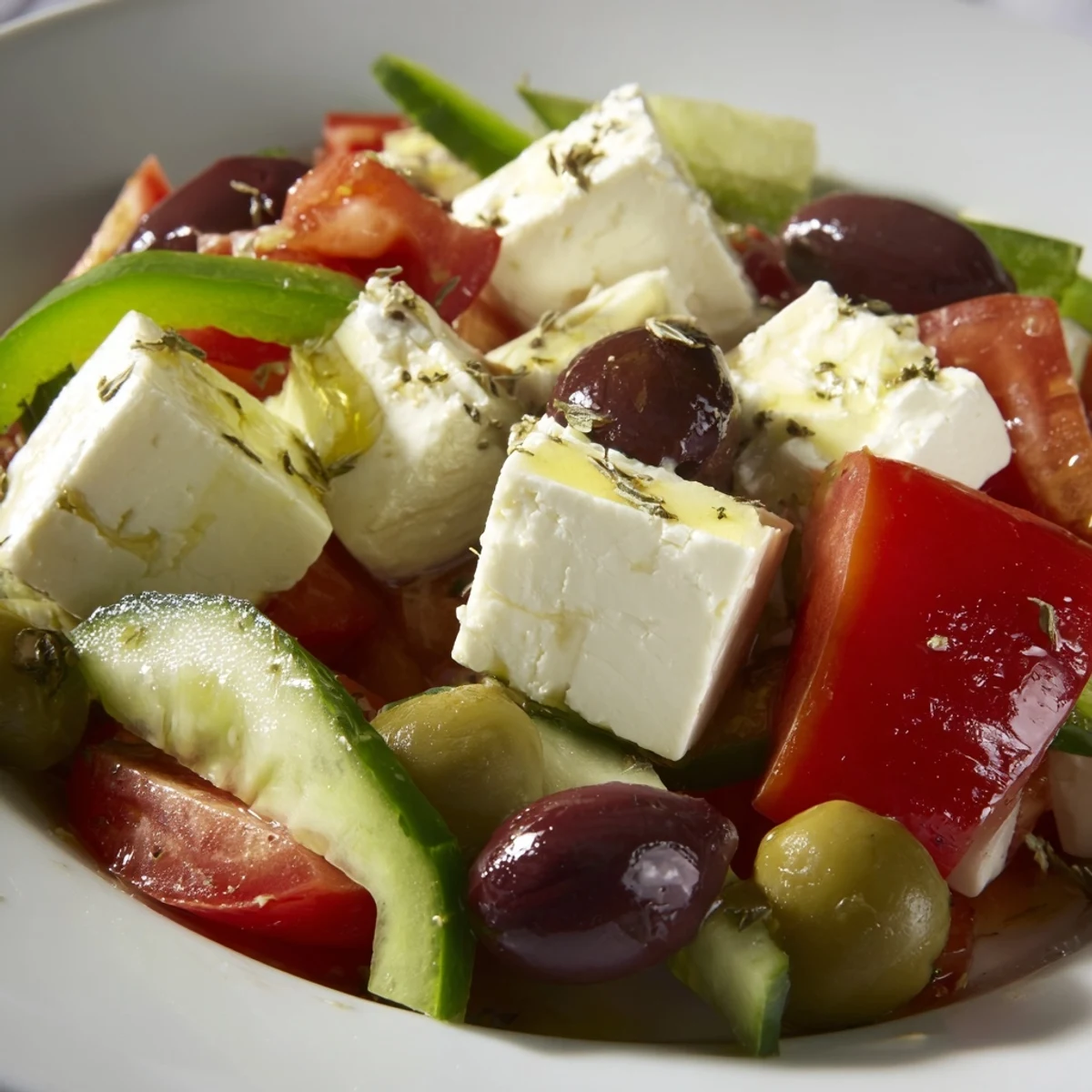
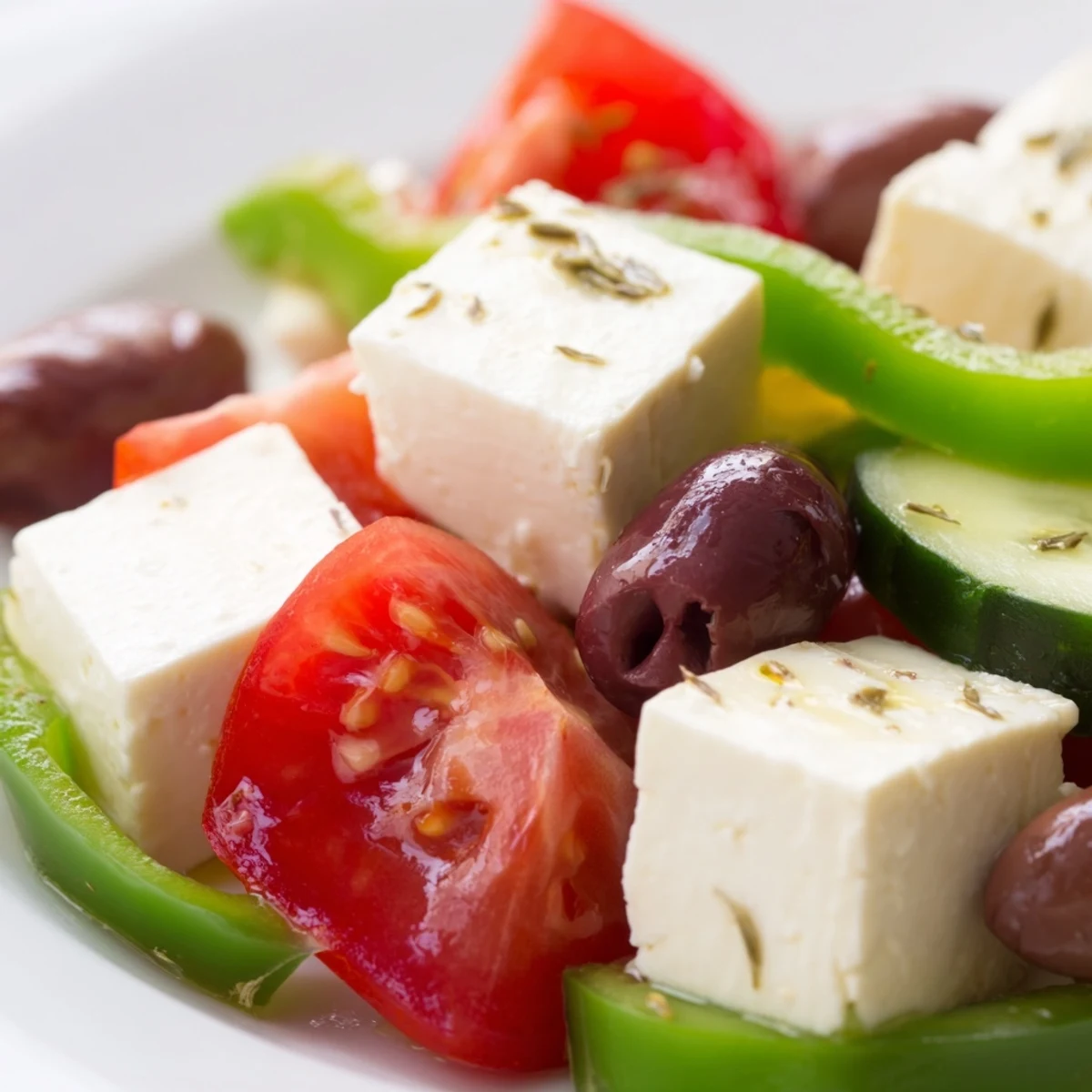
 This Greek salad blends fresh tomatoes, crisp cucumbers, tangy Kalamata olives, and creamy feta cheese. Tossed lightly in a dressing of extra-virgin olive oil, red wine vinegar, and oregano, it offers a bright, refreshing flavor. The combination delivers a perfect balance of textures and Mediterranean ingredients, ideal as a side or light meal. Garnish choices like fresh oregano or parsley add a herbal note to finish.
There's something about a sun-warmed tomato that makes you realize salad doesn't have to be boring. I stumbled onto the magic of Greek salad one summer afternoon, not in Greece, but at a small market near my apartment where I bought too many ripe tomatoes on impulse. The woman at the counter suggested I make a proper Greek salad, and when I tossed those tomatoes with good olive oil, feta, and briny olives for the first time, I understood why this dish has remained unchanged for centuries.
I've made this salad countless times for friends who show up expecting something complicated, only to watch their faces light up at how simple it actually is. There's no fancy technique here, just honest ingredients arranged on a plate, and somehow that simplicity feels more impressive than anything requiring hours of work.
Ingredients
- Ripe tomatoes: The foundation of everything—buy them when they smell sweet and yield slightly to pressure, never refrigerate them, and use them within a few days.
- Cucumber: Peel it if the skin feels waxy or tough, but thin-skinned varieties can stay as-is for extra texture.
- Red onion: Slice it thin so it doesn't overpower, and let it sit in the bowl for a minute before tossing to soften its sharpness.
- Green bell pepper: Cut into rings or chunks depending on your preference, and remove every bit of the white membrane inside for a cleaner taste.
- Feta cheese: The difference between average and transcendent depends entirely on quality—seek out barrel-aged versions if you can find them, and handle it gently so it doesn't crumble into dust.
- Kalamata olives: Buy them pitted if you can, or pit them yourself by pressing with the side of a knife; their briny, slightly fruity flavor is irreplaceable.
- Extra-virgin olive oil: This is not the place to economize—use oil you'd actually taste on bread, preferably Greek.
- Red wine vinegar: Just a tablespoon goes a long way; it brightens everything without making the salad taste sour.
- Dried oregano: Crush it between your fingers as you add it to release its oils and deepen the flavor.
Instructions
- Prepare your vegetables:
- Cut tomatoes into wedges, slice the cucumber into half-moons or chunks, and thinly slice the red onion so it stays delicate rather than sharp. The pieces don't need to be uniform, but they should be roughly the same size so everything eats well together.
- Build the salad foundation:
- Toss the tomatoes, cucumber, onion, and bell pepper in a large bowl, letting them get acquainted before the feta arrives. The vegetables will release just a bit of liquid, which becomes part of the dressing.
- Add the stars:
- Scatter the Kalamata olives and feta cheese over the vegetables, treating the feta gently so you end up with pieces, not crumbles. This is the moment the salad transforms from simple vegetables into something Mediterranean and craveable.
- Make the dressing:
- Whisk together olive oil, red wine vinegar, oregano, salt, and pepper in a small bowl until it emulsifies slightly. The dressing should smell herbaceous and sharp at the same time.
- Bring it together:
- Pour the dressing over everything and fold the salad gently, almost as if you're tucking a blanket around the ingredients. This keeps the feta intact while coating every vegetable with flavor.
- Finish and serve:
- Taste it, adjust the seasoning, and add fresh oregano or parsley if you want a grassy, bright note. Eat it right away while everything is still crisp.
 Save to Pinterest
 I made this salad for my neighbor last summer when she brought over homemade bread, and we ended up eating it on her porch, passing the bowl back and forth, barely talking because we were too busy eating. That's when I realized this salad isn't just food—it's an excuse to slow down and notice what's in front of you.
When Tomatoes Are Your Secret Weapon
Everything in this salad leans on the tomato to carry the day, which means you're only as good as what you buy. Visit a farmer's market in season and talk to the growers, ask which variety they'd choose themselves, and buy tomatoes that still have the stem attached if possible. The smell will tell you everything—if it doesn't smell like summer, keep looking.
The Art of Not Overdressing
Greek salad has taught me that more dressing is not better dressing, and that restraint is actually a form of respect for the ingredients. The salad should glisten, not swim; each component should shine individually while being part of a whole. If you find yourself thinking the salad needs more dressing, it probably needs more salt instead, which you can taste more clearly.
Building Flavor Layers
This salad works because each element has its own job—the tomato is sweet and juicy, the cucumber is cool and crisp, the feta is rich and salty, the olives are briny and complex. When they meet, none of them disappears into the background, which is why the flavors feel so alive and balanced. This is actually why you don't need anything else, no complicated techniques or surprise ingredients.
- Always taste for salt at the end, remembering that feta and olives are already salty, so you might need less than you think.
- If you're making this ahead for a picnic or potluck, pack the dressing separately and toss it in just before serving.
- This salad pairs beautifully with grilled fish, warm pita, or a simple white wine, and it's equally good as a light dinner on its own.
 Save to Pinterest
 This salad has become my answer to the question of what to bring when someone asks for something simple and good. It never feels like you're settling for the easy option.
Recipe FAQs
- → What kind of olives are used?
-
Kalamata olives, known for their rich, fruity flavor, are used to add depth to the salad.
- → Can I use a different cheese?
-
Feta provides a creamy, salty contrast, but aged feta or similar cheeses like halloumi can be alternatives.
- → How should the vegetables be prepared?
-
Tomatoes are cut into wedges, cucumber sliced, and bell pepper into rings, which all maintain their crunch and freshness.
- → What dressing ingredients enhance the taste?
-
A simple blend of extra-virgin olive oil, red wine vinegar, dried oregano, salt, and pepper balances acidity and herbs.
- → Are there options to customize the salad?
-
Adding capers or switching bell pepper colors can provide subtle taste variations while maintaining freshness.