
 Save to Pinterest
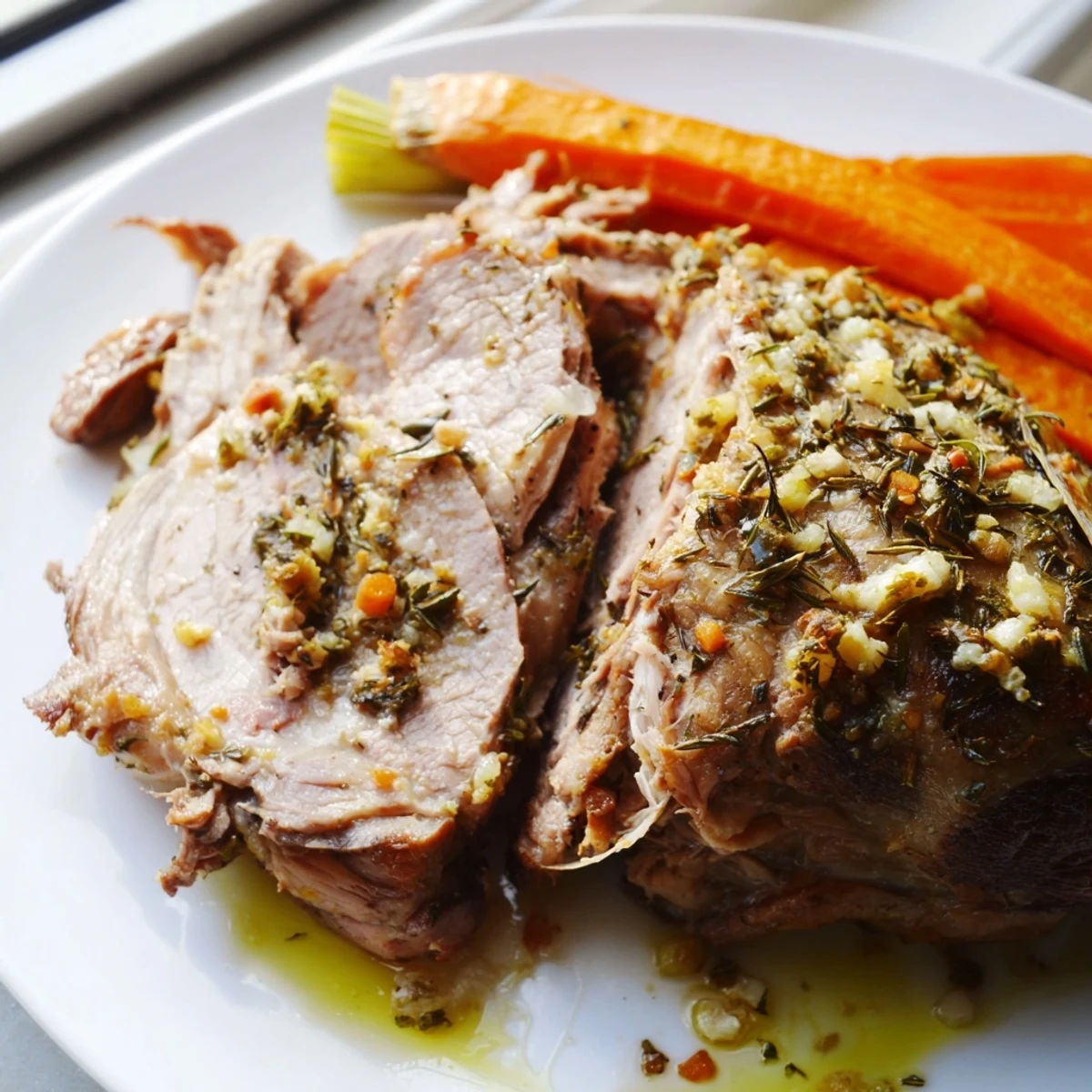
 This lamb shoulder is slow-roasted to tender perfection after being rubbed with a fragrant blend of garlic, rosemary, thyme, parsley, oregano, and lemon zest. It’s cooked atop a bed of onions, carrots, and celery, with broth added for moisture. After roasting low and slow, the temperature rises to develop a golden crust. Resting before serving ensures juicy slices ideal for special occasions or hearty family dinners.
I was standing in front of a butcher counter on a gray Saturday morning when the lamb shoulder caught my eye, marbled and heavy, sitting there like a dare. I'd never roasted one before, but something about the heft of it made me want to try. I bought it, brought it home, and covered it in every herb I had, not entirely sure what I was doing. Three hours later, my kitchen smelled like a hillside in spring, and I was pulling apart meat so tender it barely needed a fork.
The first time I made this for friends, I was nervous about timing. I kept peeking under the foil like it might vanish if I looked away too long. When I finally pulled it out, golden and glistening, everyone went quiet for a second before reaching for their forks. We ate it with our hands more than we probably should have, tearing into the crispy bits and soaking bread in the pan juices.
Ingredients
- Bone-in lamb shoulder: The bone adds flavor and keeps the meat juicy during the long roast, look for one with a good layer of fat on top.
- Garlic: Fresh cloves turn sweet and mellow in the oven, use the back of your knife to smash them before mincing for easier prep.
- Fresh rosemary: This is the backbone of the herb blend, strip the leaves by running your fingers down the stem in the opposite direction they grow.
- Fresh thyme: Adds a subtle earthiness that pairs beautifully with lamb, dried thyme works in a pinch but use half the amount.
- Fresh parsley: Brightens the marinade and balances the stronger herbs, flat-leaf has more flavor than curly.
- Lemon zest and juice: Cuts through the richness of the lamb and helps the marinade cling to the meat.
- Olive oil: Carries the flavors into every crevice and helps create that golden crust at the end.
- Onions, carrots, and celery: These form a flavorful bed that keeps the lamb from sticking and turn into a side dish all on their own.
- Broth: Keeps everything moist and creates a base for the pan juices, chicken or beef both work beautifully.
Instructions
- Prepare the herb paste:
- Mash the garlic, herbs, lemon zest, juice, salt, pepper, and olive oil together in a bowl until it looks like a thick, fragrant paste. The smell alone will make you hungry.
- Score and rub the lamb:
- Pat the lamb dry and use a sharp knife to cut shallow criss-crosses into the fat cap, this helps the marinade seep in and the fat render beautifully. Massage the paste all over the lamb, working it into every score and crevice like you mean it.
- Build the roasting bed:
- Scatter the onions, carrots, and celery across the bottom of your roasting pan in a loose layer. Nestle the lamb on top, fat side up, and pour the broth around the vegetables, not over the meat.
- Slow roast covered:
- Cover the pan tightly with foil and slide it into the oven at 160°C (325°F). Let it go for 2.5 hours without peeking, the steam under that foil is doing all the work.
- Finish uncovered:
- Pull off the foil, crank the heat to 200°C (400°F), and roast for another 30 minutes, spooning the pan juices over the lamb every 10 minutes. The top will turn golden and crisp while the inside stays meltingly tender.
- Rest and serve:
- Move the lamb to a platter, tent it loosely with foil, and let it rest for 15 minutes so the juices settle back into the meat. Carve it at the table and spoon the roasted vegetables and pan juices over everything.
 Save to Pinterest
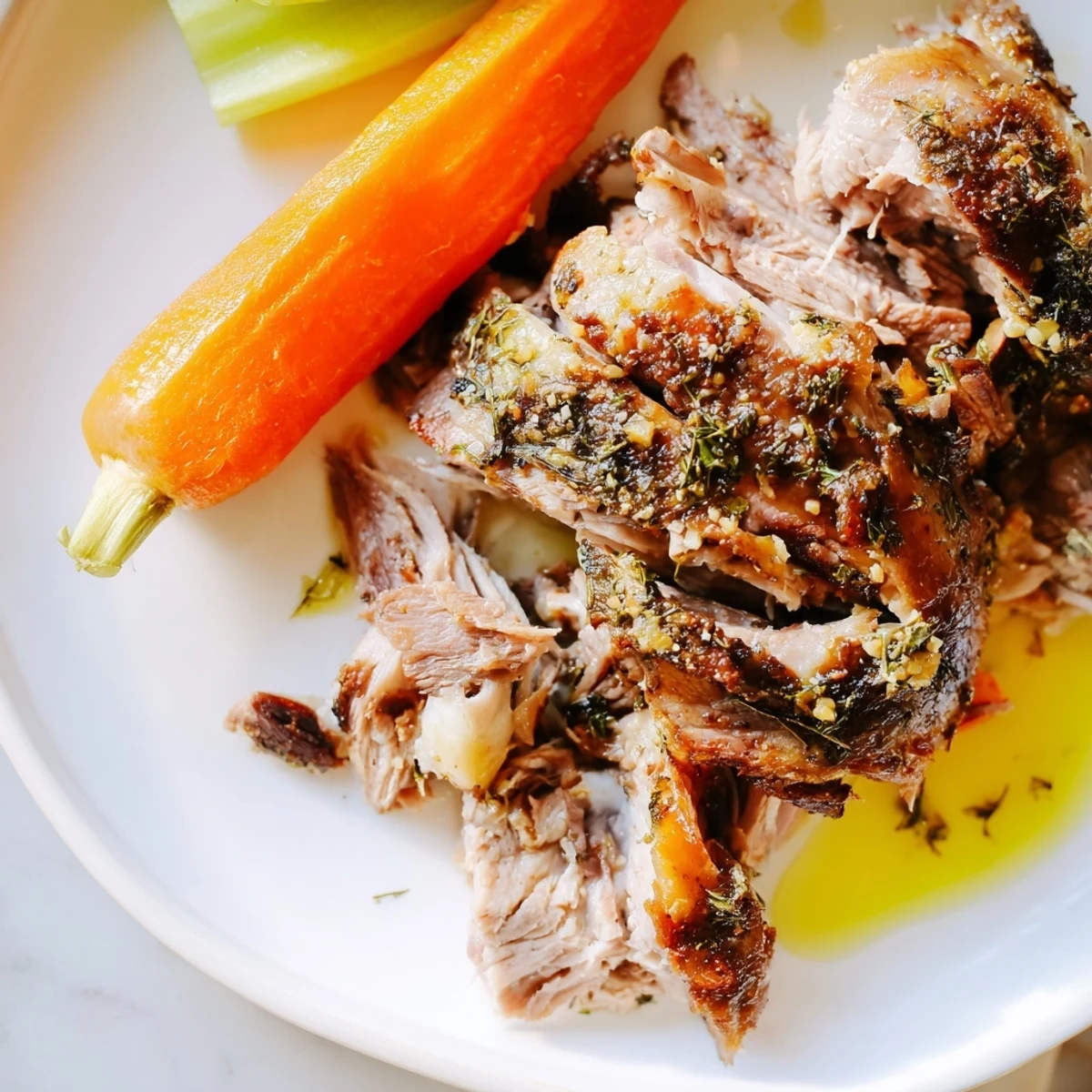
 I remember slicing into the shoulder at the table, the meat pulling apart in shreds, and my friend looked up and said this tastes like a holiday. It wasn't a holiday, just a Sunday, but that's what this dish does. It turns an ordinary evening into something you remember, something that feels generous and warm and worth the wait.
Make It Your Own
If you want to marinate the lamb the night before, wrap it in plastic after rubbing it with the paste and let it sit in the fridge. The flavors will sink in deeper, and the lemon will tenderize the surface even more. You can also swap out the herbs based on what you have, sage and mint both work beautifully with lamb, or throw in a few sprigs of lavender if you're feeling bold.
What to Serve Alongside
Roasted potatoes are the obvious choice, tossed in olive oil and salt and cooked on a separate pan at the same temperature. A simple green salad with lemon vinaigrette cuts through the richness, or you can serve it with warm flatbread to soak up the pan juices. I've also piled leftovers into pita with yogurt and pickled onions, and it might be even better the next day.
Storage and Leftovers
Let the lamb cool completely before storing it in an airtight container in the fridge, it will keep for up to four days. Reheat slices gently in a covered dish with a little broth so they don't dry out. The roasted vegetables can be blended into a quick soup, or mashed and stirred into grain bowls.
- Freeze cooked lamb in portions with some of the pan juices for up to three months.
- Shred leftovers and toss with pasta, olive oil, and Parmesan for an easy weeknight dinner.
- Use the bones and vegetable scraps to make a rich stock, nothing goes to waste.
 Save to Pinterest
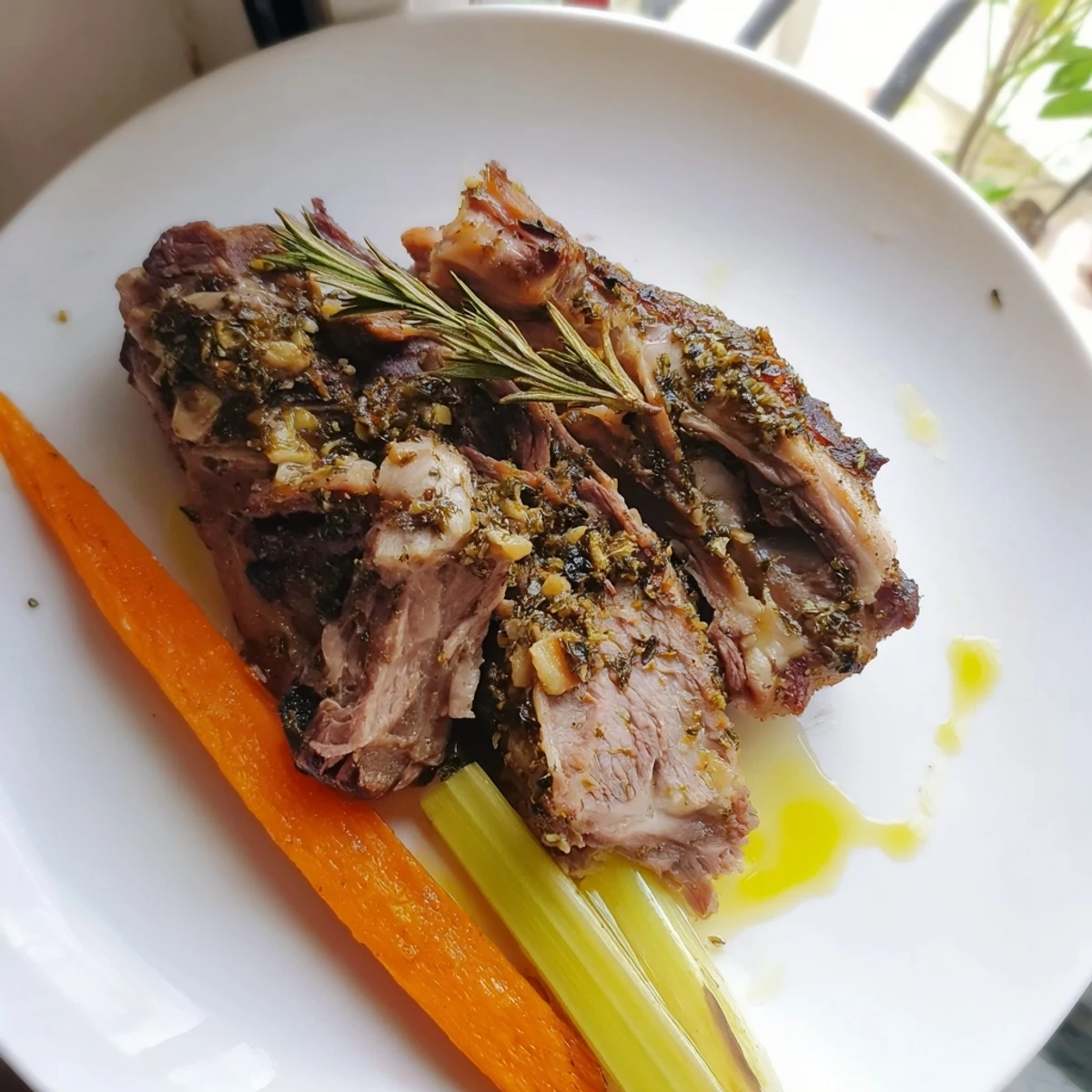
 This lamb shoulder has become my go-to when I want to cook something that feels like an occasion without requiring precision or panic. You put it in the oven, let time do its thing, and pull out something that tastes like you've been cooking all your life.
Recipe FAQs
- → How do I prepare the herb marinade?
-
Combine minced garlic, fresh rosemary, thyme, parsley, oregano, lemon zest and juice, salt, pepper, and olive oil into a paste for a fragrant marinade.
- → What temperature should I roast the lamb shoulder at?
-
Start roasting at 160°C (325°F) covered, then increase to 200°C (400°F) uncovered to finish and brown the meat.
- → Why add vegetables under the lamb?
-
Onions, carrots, and celery provide flavor and moisture, creating a delicious base that complements the lamb as it cooks.
- → How long should the lamb rest before carving?
-
Allow the lamb to rest covered loosely with foil for about 15 minutes to let the juices redistribute throughout the meat.
- → Can I marinate the lamb overnight?
-
Yes, marinating overnight in the refrigerator enhances flavor and tenderness for an even more succulent result.
- → What side dishes pair well with this lamb?
-
Serve with roasted potatoes, green beans, or a fresh salad to complement the rich flavors of the lamb and vegetables.