
 Save to Pinterest
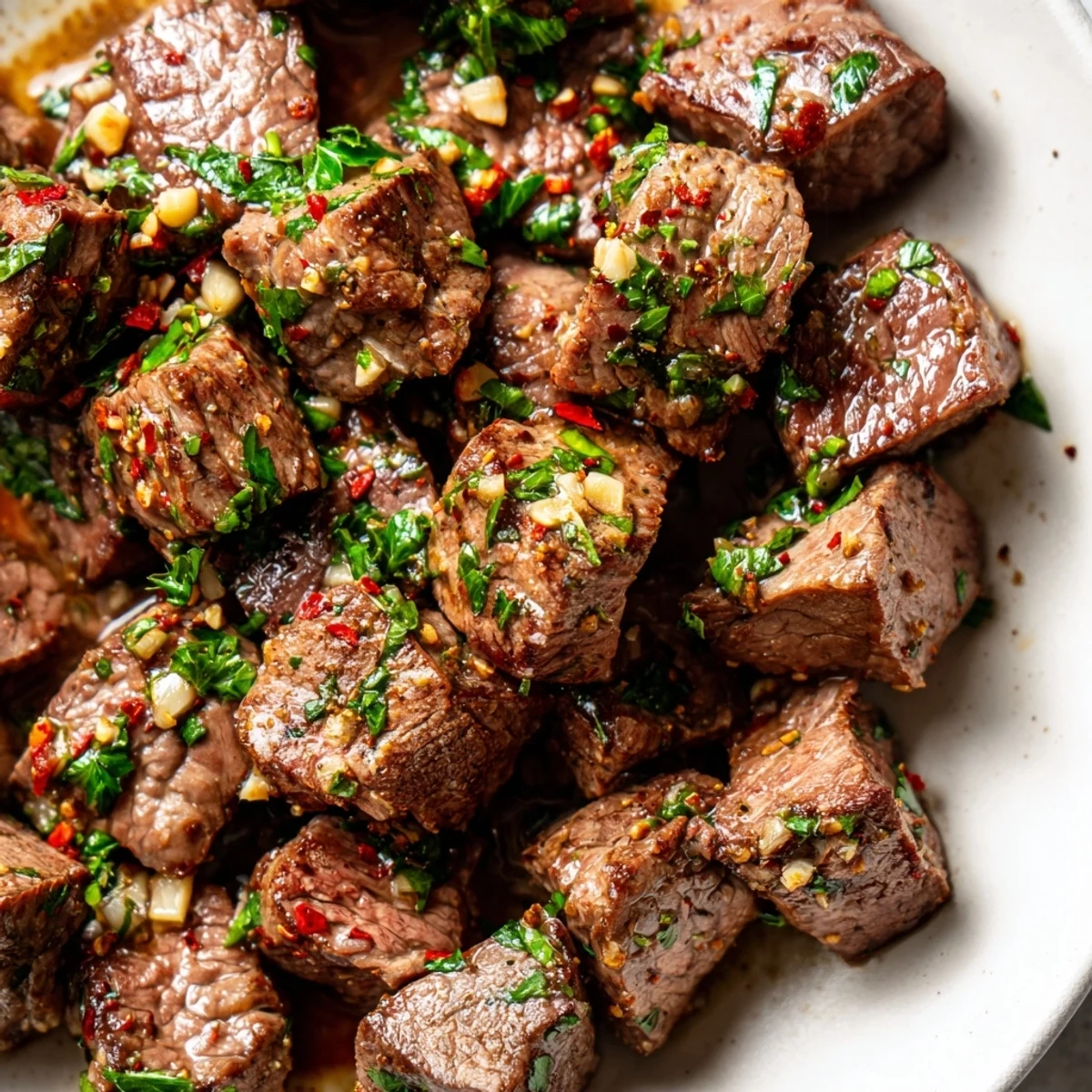
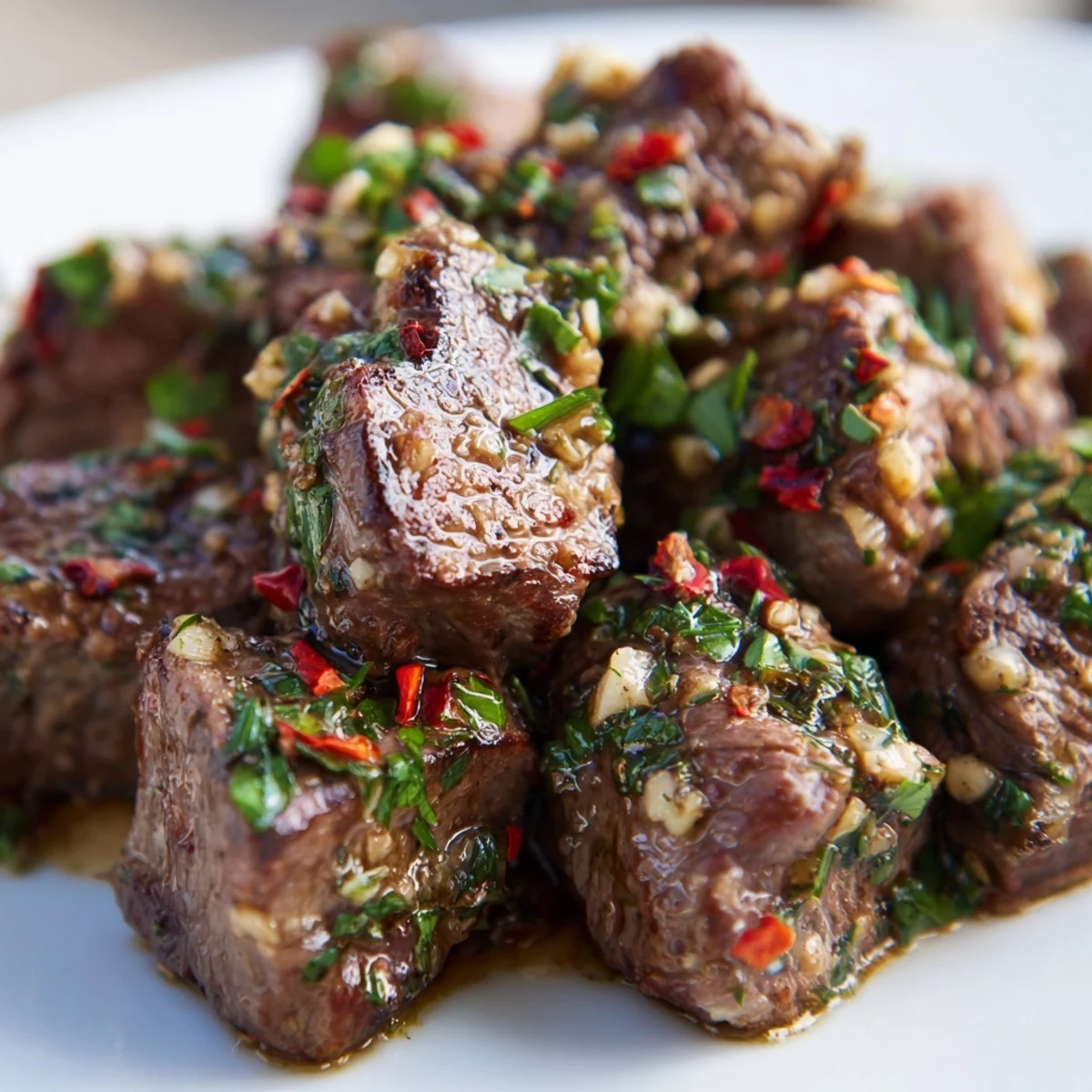
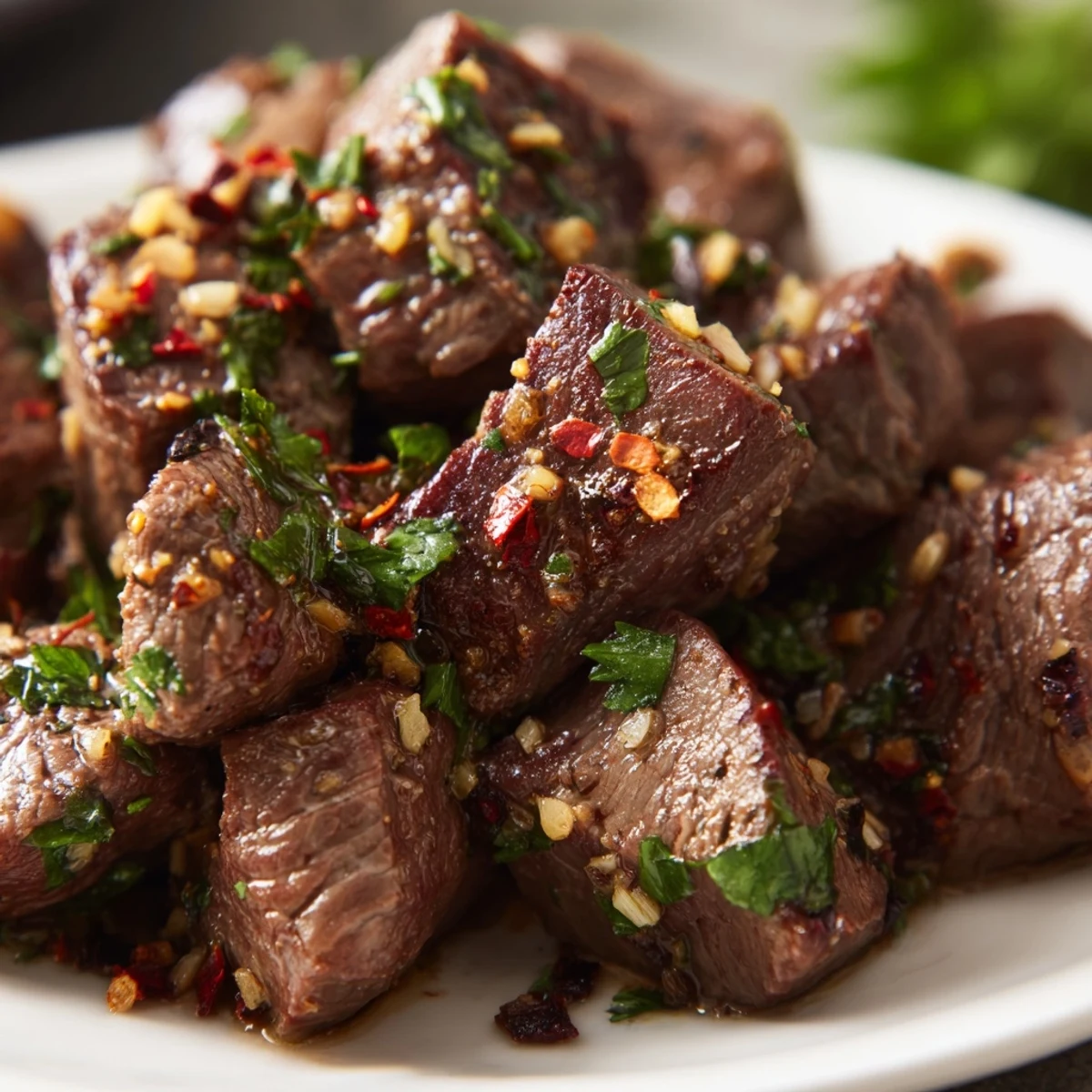
 These tender steak cubes are seared to create a caramelized crust, then coated in a rich garlic butter sauce infused with fresh herbs and a touch of heat from red pepper flakes. Ready in just 20 minutes, this dish offers a wonderfully juicy bite with the savory depth of garlic and butter. It pairs perfectly with mashed potatoes, rice, or crusty bread to absorb the flavorful sauce, making it a versatile and satisfying option for any mealtime.
There's something about the sizzle of steak hitting a hot pan that pulls me back to a weeknight dinner when I was learning to cook. My roommate had mentioned she loved restaurant-quality bites but thought they were too intimidating to make at home, so I decided to prove her wrong with these garlic butter steak cubes. The whole thing came together in the time it took to set the table, and watching her eyes light up when that buttery, garlicky aroma filled the kitchen made me realize sometimes the most impressive meals are the simplest ones.
I made these for a dinner party last spring when a friend mentioned she'd been craving steakhouse flavors but couldn't justify the price tag. I cubed up some ribeye, turned up the heat, and within minutes had this beautiful caramelized-edged, butter-tender situation happening. She took one bite, closed her eyes, and asked if I could just make this every time she came over—which honestly felt like the highest compliment I could get.
Ingredients
- Sirloin or ribeye steak (1½ lbs, cut into 1-inch cubes): Sirloin gives you leaner, quicker-cooking cubes while ribeye brings more marbling and richness—pick whichever matches your mood.
- Unsalted butter (4 tbsp): This is where the magic happens, so use real butter, not the spreadable stuff.
- Fresh garlic (5 cloves, minced): Mince it yourself right before cooking so it stays fragrant and doesn't taste harsh.
- Fresh parsley (1 tbsp, chopped): A small handful of green brightens everything up and adds a fresh finish.
- Olive oil (1 tbsp): High smoke point oil is essential here since you're cooking hot and fast.
- Salt and black pepper (½ tsp each): Season generously—underseasoned steak is one of life's small tragedies.
- Crushed red pepper flakes (½ tsp, optional): A whisper of heat rounds out all that rich butter beautifully.
Instructions
- Dry your steak and season:
- Pat those cubes completely dry with paper towels—moisture is the enemy of a good sear. Season them generously and let them sit for a moment so the seasoning can settle in.
- Get your pan screaming hot:
- Heat olive oil in a large skillet over high heat until it just barely starts to shimmer and move around like liquid silk. This is the moment everything changes.
- Sear without moving:
- Drop the steak cubes into the pan in a single layer and resist every urge to fuss with them for 2-3 minutes. You're building a golden crust and you'll ruin it by stirring. Flip each one and let the other side get equally golden.
- Build the butter sauce:
- Turn the heat down to medium-low and add the butter and garlic right to the pan. Stir constantly for 1-2 minutes while the butter melts and the garlic perfumes everything—this is when your kitchen starts smelling like a steakhouse.
- Finish and serve:
- Toss in the parsley and red pepper flakes if you're using them, give everything a gentle toss to coat, and serve immediately while the butter is still glossy and warm.
 Save to Pinterest
 What started as a quick weeknight dinner has become something I make whenever I want to feel a little victorious in the kitchen. There's a real simplicity to how something so few ingredients and so little time can feel genuinely indulgent, and that's become my favorite kind of cooking.
The Art of the Sear
The sear is everything here, and once you nail it, you'll understand why restaurant cooks obsess over it. A proper sear creates that caramelized, crusty exterior through the Maillard reaction—a fancy way of saying brown tastes incredible. The trick is patience: high heat, dry meat, and the discipline to leave it alone while it cooks.
Building Flavor in the Pan
After the steak is seared, the real alchemy happens when you reduce the heat and add butter and garlic directly to the pan. You're not making a sauce in the traditional sense; you're creating an emulsion of rendered steak fat, melting butter, and aromatic garlic that clings to every cube. This method—called basting—is what gives restaurant steaks their glossy, professional finish.
Serving and Storage
These are best served immediately, while the butter is still melted and the meat is at its most tender. If you need to hold them for a few minutes, keep them warm in a low oven, though the sauce will continue to set up slightly as it cools. Leftovers can be reheated gently on the stovetop over low heat, adding a touch of butter if needed to restore the glossiness.
- Serve alongside crusty bread, mashed potatoes, or rice to catch every drop of that golden butter.
- Try adding a squeeze of lemon juice or a splash of Worcestershire sauce to the pan for extra depth if you want to experiment.
- These cubes are just as good over a salad or nestled into warm pasta if you're feeling creative.
 Save to Pinterest
 This recipe taught me that cooking doesn't need to be complicated to be memorable. Sometimes the best meals are the ones where you nail a few fundamentals and let good ingredients speak for themselves.
Recipe FAQs
- → What kind of steak is best for this dish?
-
Sirloin or ribeye steaks work best due to their tenderness and flavor, ideal for bite-sized cubes.
- → How do you prevent the steak cubes from overcrowding in the pan?
-
Cook the cubes in batches if necessary to ensure even searing and a caramelized crust on each piece.
- → Can I adjust the heat level in the sauce?
-
Yes, add or omit crushed red pepper flakes according to your desired spice level.
- → What herbs complement the garlic butter sauce?
-
Chopped parsley is classic, but chives or thyme are excellent alternatives to vary the flavor profile.
- → How do I keep the steak cubes juicy and tender?
-
Pat the steak dry before searing and avoid overcrowding the skillet to ensure proper browning and moisture retention.