
 Save to Pinterest
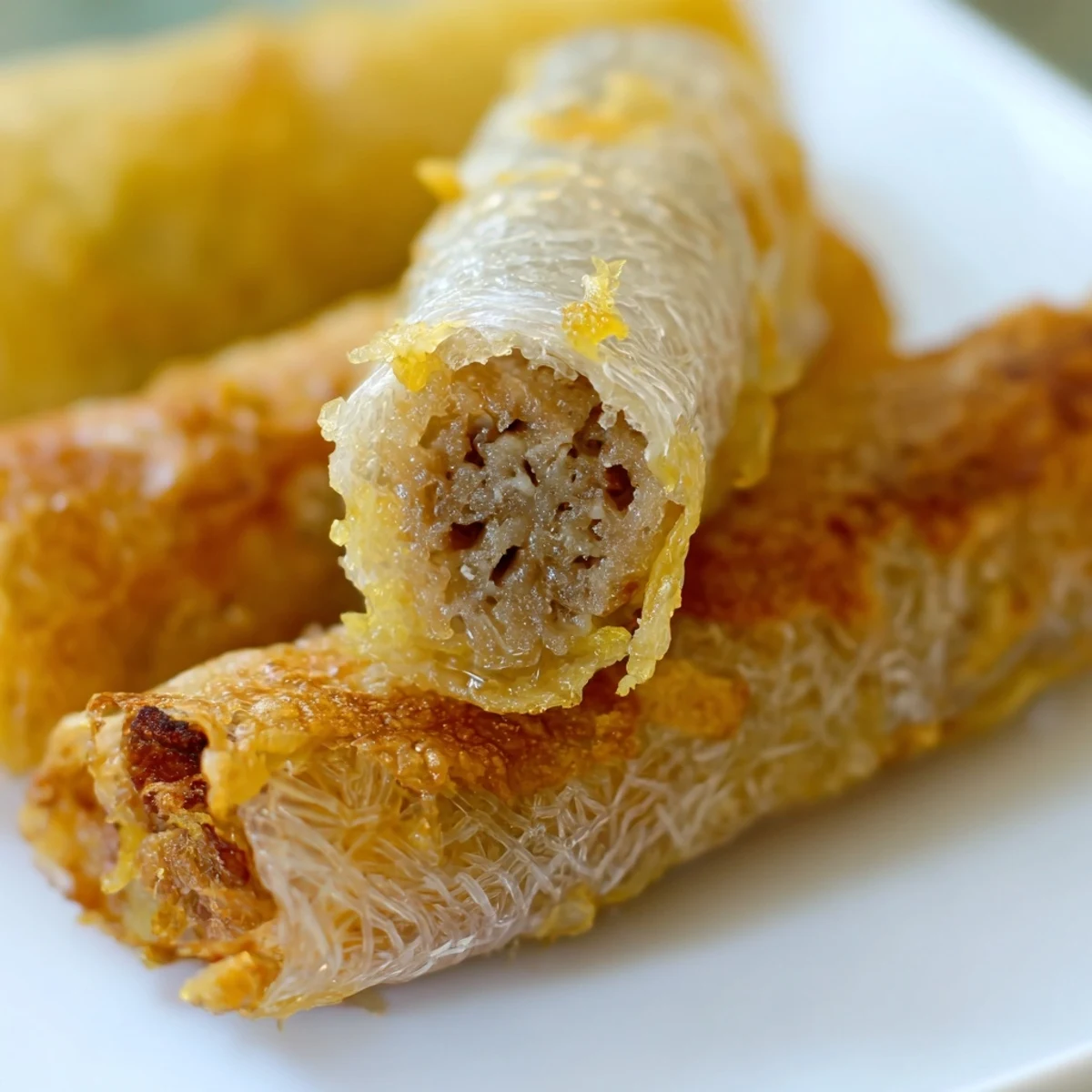
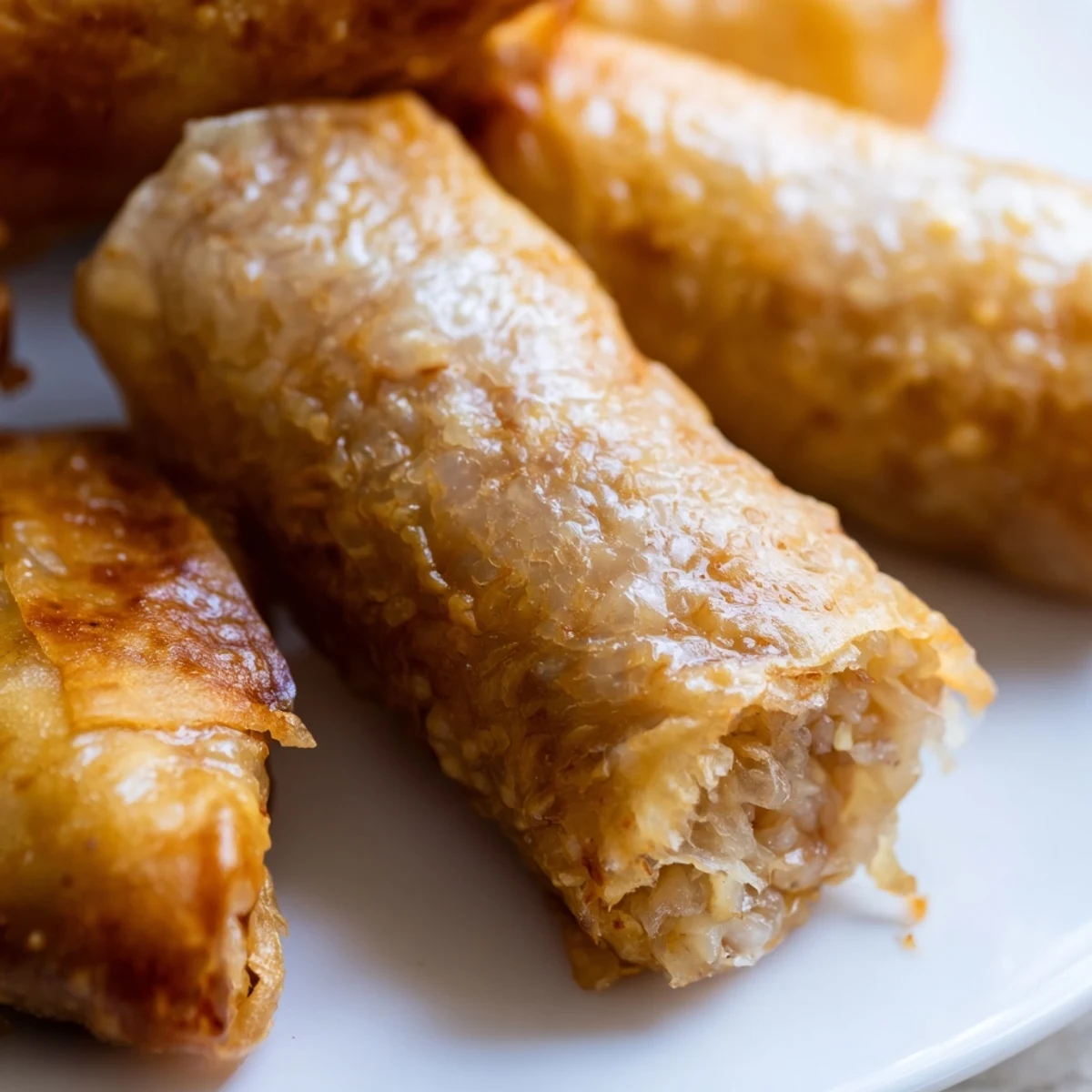
 These traditional Vietnamese appetizers feature a savory filling of ground pork, shrimp, vermicelli noodles, and aromatic vegetables wrapped in delicate rice paper and fried to golden perfection. The crispy exterior contrasts beautifully with the tender, flavorful interior.
Perfect for gatherings or as a starter, these rolls are typically served wrapped in fresh lettuce leaves with mint, basil, and cilantro, then dipped in tangy Nuoc Cham sauce. The combination of hot, crispy rolls and cool, refreshing herbs creates an irresistible balance of textures and flavors.
For extra crunch, try the double-frying technique or prepare the filling ahead of time for quicker assembly before guests arrive.
The kitchen was tiny, just four tiles of counter space in my first apartment, but that's where I learned to make cha gio. My aunt had flown in for the weekend and took over my cramped kitchen with infectious energy. She moved so efficiently between the stove and sink that I barely had time to take notes. Those spring rolls we made that afternoon became my go-to party trick for years.
Last summer, I made fifty of these for my friend's birthday and we ate them standing around the kitchen island. Everyone kept asking for the secret ingredient, but really it's just the balance of fish sauce and pepper. Someone accidentally dropped a freshly fried roll into the dipping sauce bowl, and honestly, they may have discovered something brilliant.
Ingredients
- Ground pork: The fat here keeps the filling juicy inside that crispy shell, so don't go too lean
- Raw shrimp: Chop them into small pieces so they distribute evenly throughout every bite
- Dried vermicelli noodles: These soak up all the flavors and add that signature spring roll texture
- Carrot and taro or jicama: They bring sweetness and crunch that balances the savory meat
- Wood ear mushrooms: Don't skip these, they add an earthy depth and incredible texture contrast
- Rice paper sheets: Work quickly with these once softened, and keep a damp towel nearby
- Vegetable oil: You want enough oil to submerge the rolls completely for even frying
- Fresh herbs and lettuce: The cool, crisp wrap around hot rolls is non-negotiable for the authentic experience
Instructions
- Mix the filling:
- Combine everything in a large bowl and use your hands to really blend it together, feeling for that sticky consistency that holds everything together inside the roll
- Soften the rice paper:
- Dip each sheet quickly in warm water for just 3 seconds, then lay it flat on a damp towel, timing yourself so you're working with one sheet while the next is softening
 Save to Pinterest
 My cousin once helped me roll cha gio for our family reunion, and we laughed so hard at her first attempts that looked like burritos. By the end of the hour, she was rolling tighter and faster than me. Those slightly imperfect rolls disappeared first.
Making The Perfect Dipping Sauce
The nuoc cham needs to balance salty, sweet, sour, and spicy all at once. I always make it about 30 minutes ahead so the flavors meld together. Taste and adjust until it hits that perfect spot where you can't stop dipping.
Rolling Station Setup
Clear your entire counter because you'll need space. Set up your water bowl, softened rice paper stack, filling bowl, and a clean tray for finished rolls. Everything within arm's reach prevents rice paper from drying out while you hunt for ingredients.
Frying Wisdom
Crowding the pan drops the oil temperature and makes soggy rolls, so fry in smaller batches than you think you need. A thermometer is your best friend here, but that sizzle test with a rice paper scrap works in a pinch.
- Let finished rolls cool on a wire rack instead of paper towels to prevent steam buildup
- If you're freezing uncooked rolls, freeze them first on a tray before bagging to prevent sticking
- Reheat leftover rolls in a 200°C oven for 5 minutes instead of microwaving to restore crispiness
 Save to Pinterest
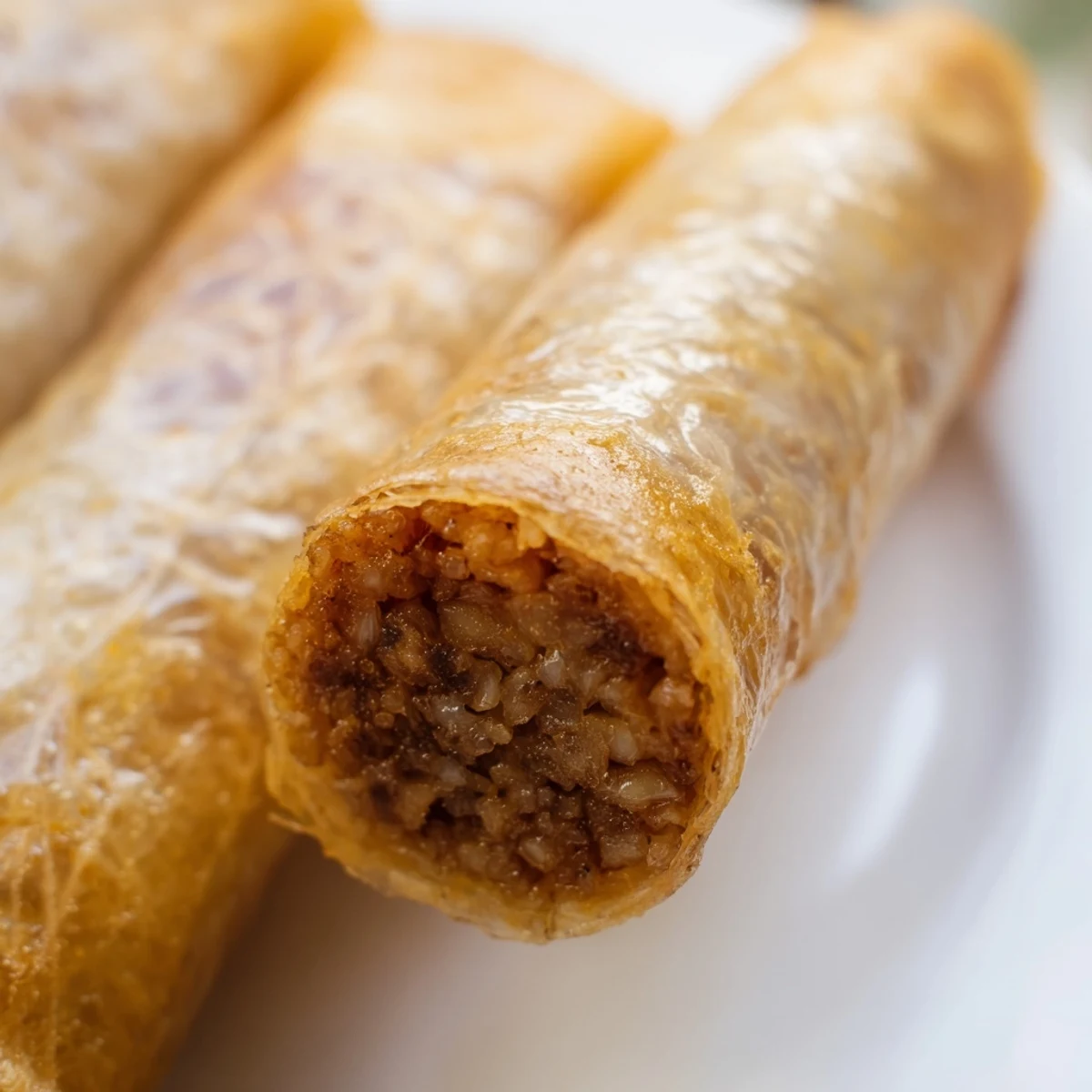
 There's something magical about setting out a platter of golden cha gio and watching everyone's eyes light up. Happy rolling, and don't worry if your first few aren't perfect, they'll still disappear.
Recipe FAQs
- → What makes these rolls crispy?
-
The rice paper wrapper becomes exceptionally crispy when deep-fried at 170°C (340°F). For maximum crunch, double-fry by letting the rolls cool briefly after the first fry, then fry again for 1-2 minutes before serving.
- → Can I prepare the filling ahead of time?
-
Yes, the filling can be mixed and refrigerated up to 24 hours before wrapping. This actually allows the flavors to meld together better. Just keep it covered and bring to room temperature before filling the rice paper.
- → What's the best way to prevent rice paper from tearing?
-
Dip the rice paper in warm water for only 3 seconds—over-soaking makes it fragile. Place it on a damp towel while working, and roll firmly but gently. The wrapper will continue to soften as you work with it.
- → How do I store leftover cooked rolls?
-
Store cooled rolls in an airtight container in the refrigerator for up to 3 days. To recrisp, reheat in a 180°C (350°F) oven for 8-10 minutes or air fry at 180°C for 5 minutes. Avoid microwaving as they'll become soggy.
- → Can I bake these instead of deep-frying?
-
Yes, brush the rolls lightly with oil and bake at 200°C (400°F) for 20-25 minutes, turning halfway. They won't be quite as crispy as deep-fried, but still delicious. For better results, use an air fryer at 180°C for 12-15 minutes.
- → What other vegetables can I add to the filling?
-
Beyond carrot and taro, try adding finely shredded cabbage, bean sprouts, or diced water chestnuts for extra crunch. Some variations include thin slices of Chinese sausage or cooked crab meat alongside the pork and shrimp.