
 Save to Pinterest
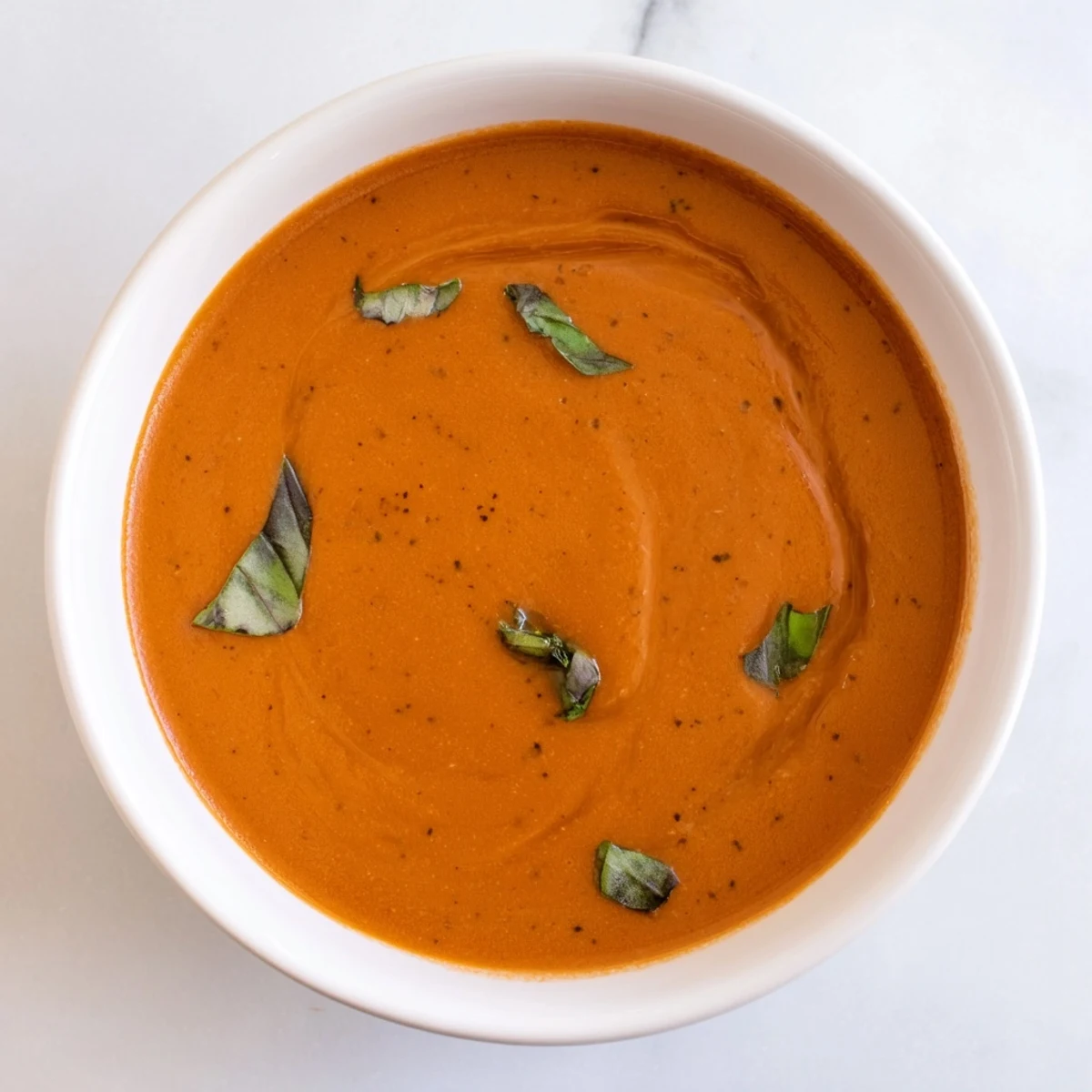
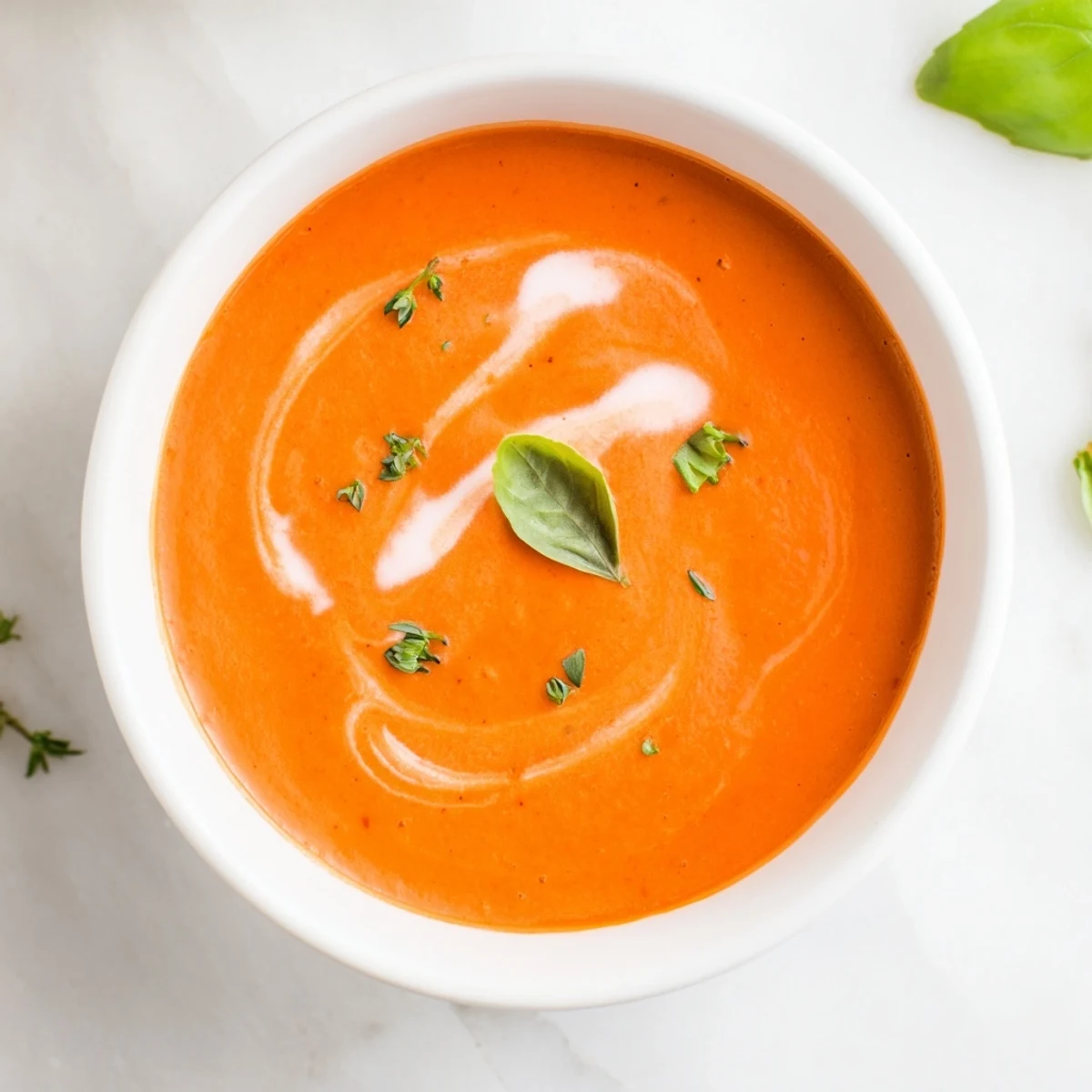
 This bisque combines ripe tomatoes and fresh basil into a smooth, creamy soup perfect for a light meal or starter. Onions and carrots are sautéed for sweetness before simmering with broth and seasonings. After blending until silky, a touch of cream enriches its velvety texture. Garnish with basil to enhance freshness. It's simple to prepare, offering a comforting and elegant flavor that's gluten-free and vegetarian-friendly.
There's something about the first spoonful of a really good tomato bisque that takes me back to my grandmother's kitchen on a chilly autumn afternoon. She'd have the windows fogged up, fresh basil on the windowsill catching the last bit of sunlight, and this exact soup simmering on the stove. The whole house would smell like summer had decided to stick around. I've spent years trying to recreate that exact moment, and this recipe finally got me there.
I remember the first time this soup actually worked for me. I'd been adding the cream too early, watching it curdle at the edges, frustrated that something so simple wouldn't cooperate. Then a friend walked me through it: blend first, then cream at the end with the gentlest heat. That one shift changed everything. Now whenever I make it, I think of her leaning against my counter, completely unaware she'd just solved a mystery that had been bothering me for months.
Ingredients
- Olive oil (2 tablespoons): This is your starting point for building flavor. Use something you actually like tasting, because those first golden minutes of sautéing onions and carrots are where everything good begins.
- Yellow onion (1 medium, diced): One medium onion is just right for four servings. Dice it into pieces about the size of a die so it softens evenly and disappears into the soup, leaving only sweetness behind.
- Garlic (2 cloves, minced): Two cloves is the sweet spot. Too little and you miss it entirely, too much and it becomes the only thing you taste. Mince it fine so it disperses immediately when it hits the hot oil.
- Diced tomatoes (2 cans, 14.5 oz each, with juice): Don't drain them. That juice is where the flavor lives. I use canned because they're picked at peak ripeness and frozen that way. It's honestly better than most fresh tomatoes available most of the year.
- Carrot (1 medium, peeled and chopped): Carrots add a subtle sweetness that plays beautifully with tomatoes. Chop it into chunks roughly the same size as your onion pieces so everything softens together.
- Vegetable broth (2 cups): This is your canvas. The broth should taste like something you'd drink on its own. It carries all those other flavors forward.
- Sugar (1 teaspoon): Just a teaspoon to wake up the tomato flavor. It's not about making this sweet, it's about making the tomato taste more like itself.
- Salt and black pepper: Start with the amounts suggested, then taste as you go. Everyone's salt preference is different, and you want to be able to adjust.
- Red pepper flakes (1/4 teaspoon, optional): A whisper of heat that lingers on your tongue. Completely optional, but it adds a dimension that catches people off guard in the best way.
- Heavy cream (1/2 cup): This is what makes it a bisque instead of just tomato soup. The cream should be cold when it goes in, added to the warm soup off the heat. It's the difference between silky and broken.
- Fresh basil (1/2 cup chopped, plus more for garnish): Fresh is non-negotiable here. Tear it by hand rather than chopping if you can, because torn basil bruises less and stays brighter. Save some of the prettiest leaves for finishing the bowls.
Instructions
- Get Everything Ready:
- Dice your onion and carrot into pieces about the size of dice, mince your garlic fine, tear your fresh basil into rough pieces, and measure out your broth. There's nothing worse than scrambling for something while onions are already starting to brown. Having everything prepped means you can focus on what's actually happening in the pot.
- Start the Foundation:
- Heat olive oil over medium heat until it shimmers a little when you tilt the pan. Add your onion and carrot together. You're listening for a gentle sizzle, smelling that sweet vegetal smell as they start to soften. Stir every minute or so. After about five to six minutes, they should be tender and just beginning to turn golden at the edges. This is when your kitchen starts smelling like something good is happening.
- Bring in the Garlic:
- Stir in your minced garlic and cook for just one minute. Don't walk away. One minute is exactly enough time for the garlic to stop smelling raw and start smelling amazing. If you cook it longer, it turns bitter and you've lost something important.
- Build the Soup:
- Add your canned tomatoes with all their juice, the vegetable broth, sugar, salt, pepper, and red pepper flakes if you're using them. Stir everything together, making sure nothing is stuck to the bottom of the pot. Bring this to a simmer. You'll see small bubbles breaking the surface all across the top. Reduce the heat, cover the pot, and let it simmer gently for twenty minutes. During this time, the vegetables are becoming very tender, and all those flavors are beginning to understand each other.
- The Blending Part:
- Remove from heat and add your fresh basil right into the pot. Let it sit for a minute so the basil starts to soften. Now comes the transformation. Using an immersion blender, work from the bottom up, moving the blender slowly through the soup. It goes from looking chunky to velvety. If you're using a countertop blender, work in batches, filling it only halfway so it doesn't overflow. Let each batch cool for just a moment before blending.
- The Finish:
- Return the soup to low heat. Here's where patience matters. Cold cream going into hot soup can break and get weird textured. Pour it in slowly while stirring gently, heating just until warmed through. You're not trying to make it bubble. You want it warm enough to taste perfect but cool enough that the cream stays silky. Taste it. Adjust salt if it needs it. This is your moment to make it exactly what you want.
 Save to Pinterest
 This soup became the dish I made the winter my aunt got sick. Bringing a thermos of it to the hospital felt like bringing a piece of normal, a piece of care, a piece of home. She said it tasted like hope, which might sound silly, but that's when I understood that recipes aren't really about ingredients. They're about the moments they hold.
Keeping It Fresh
This soup lives beautifully in the refrigerator for about four days in an airtight container. The flavors actually deepen after a day or two, the basil settling in, everything becoming more cohesive. When you reheat it, do it slowly over low heat, stirring occasionally. If it seems too thick after sitting in the fridge, a splash of broth or cream loosens it right back up. This is one of those recipes that actually rewards patience.
When You're Missing Something
Sometimes you work with what's actually in your kitchen rather than what the recipe calls for, and that's the whole point of knowing how to cook. No fresh basil? Dried basil works, though use about a third of the amount and add it earlier so it has time to rehydrate. No heavy cream? Coconut cream, cashew cream, or even whole milk works, though the result is lighter and less rich. No fresh garlic? Minced garlic from a jar is fine, though add it a bit earlier since it's already cooked. The bones of this recipe are flexible. It's the technique that matters.
Serving Ideas That Clicked
This soup is a starter course that feels like the main event, but it's also a light lunch that satisfies completely. The ways I've learned to serve it best come from eating it alongside other things, noticing what made the whole meal better. Crusty bread for dipping is the obvious choice, and it's obvious because it works perfectly. A really good grilled cheese sandwich alongside turns this into comfort food at its finest. A simple salad with peppery arugula and a sharp vinaigrette next to it brightens everything up. Some nights I finish the bowl with a dollop of sour cream and a whisper of smoked paprika, which adds a layer nobody expects. Freshly grated parmesan on top adds richness. A crack of fleur de sel just before serving makes it feel like a restaurant moment, which matters more than you'd think when you're eating alone.
- Always serve it hot, in warmed bowls if you have time to heat them
- The fresh basil garnish is worth the extra moment it takes. It looks beautiful and tastes bright
- A good quality olive oil drizzled on top right before serving adds richness and a hint of grassy flavor
 Save to Pinterest
 This soup taught me that good food doesn't have to be complicated to be memorable. Sometimes the simplest recipes are the ones we reach for again and again, the ones that become part of how we take care of ourselves and the people we feed.
Recipe FAQs
- → What can I use instead of heavy cream?
-
For a dairy-free or vegan option, substitute heavy cream with coconut cream or unsweetened cashew cream, which maintain the bisque's rich texture.
- → How do I achieve a smooth texture?
-
Use an immersion blender or countertop blender to purée the soup until it becomes silky and creamy, ensuring an even consistency.
- → Can I use fresh tomatoes instead of canned?
-
Yes, roasting fresh tomatoes before blending enhances depth and flavor, making for a richer bisque.
- → What herbs flavor this bisque?
-
Fresh basil is the primary herb, added after simmering to preserve its bright aroma and taste.
- → Is this suitable for gluten-free diets?
-
Yes, as long as gluten-free vegetable broth is used, the bisque is gluten-free friendly.