
 Save to Pinterest
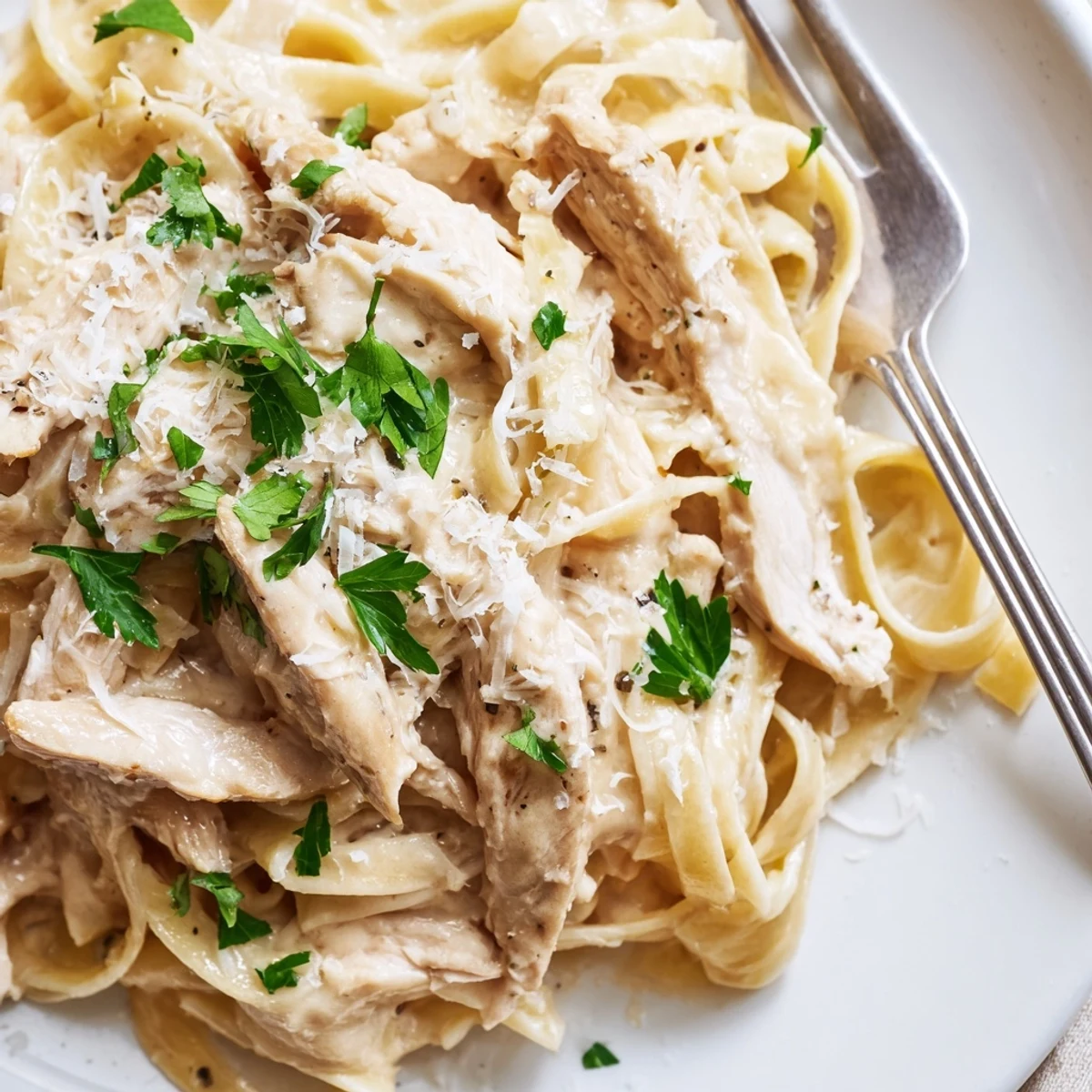
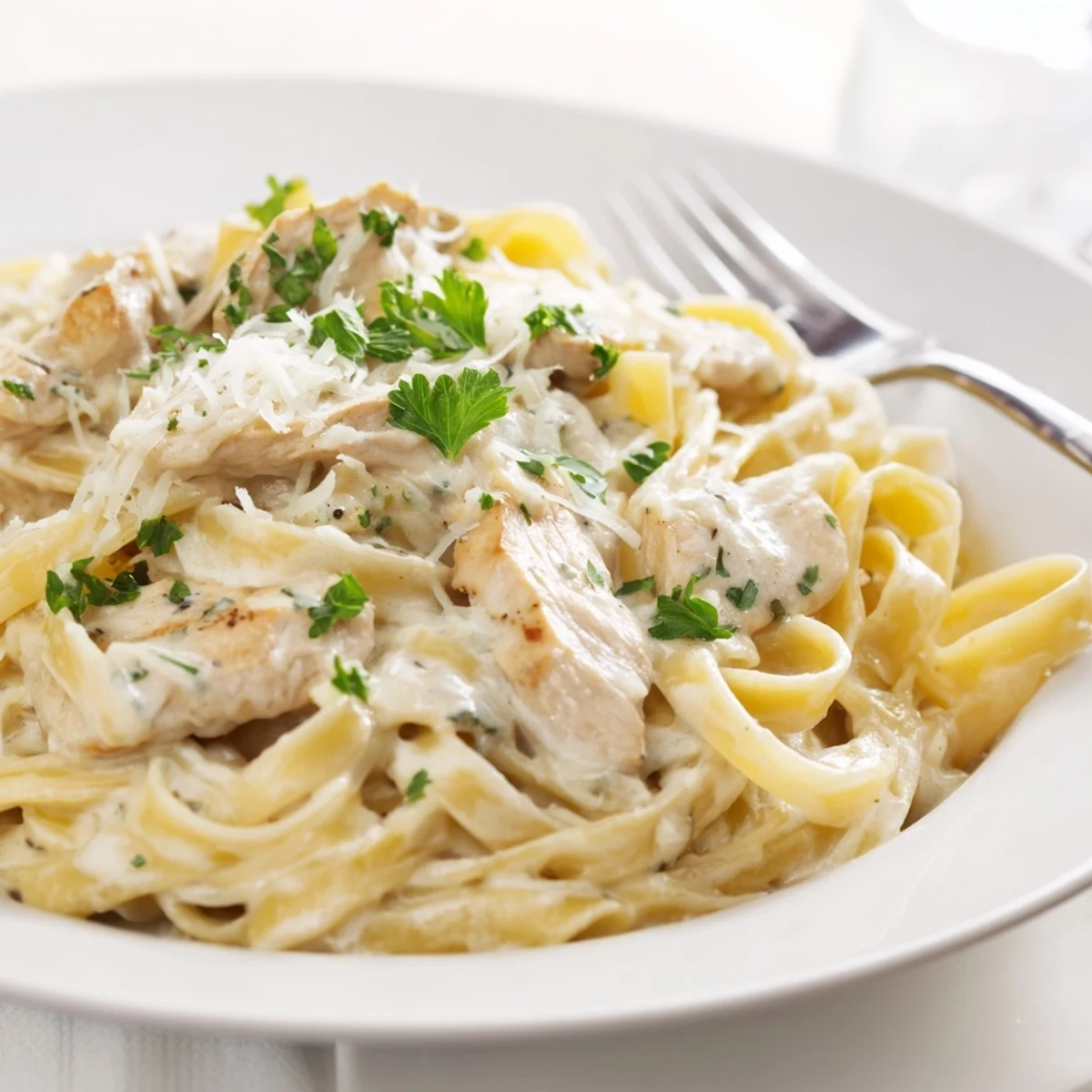
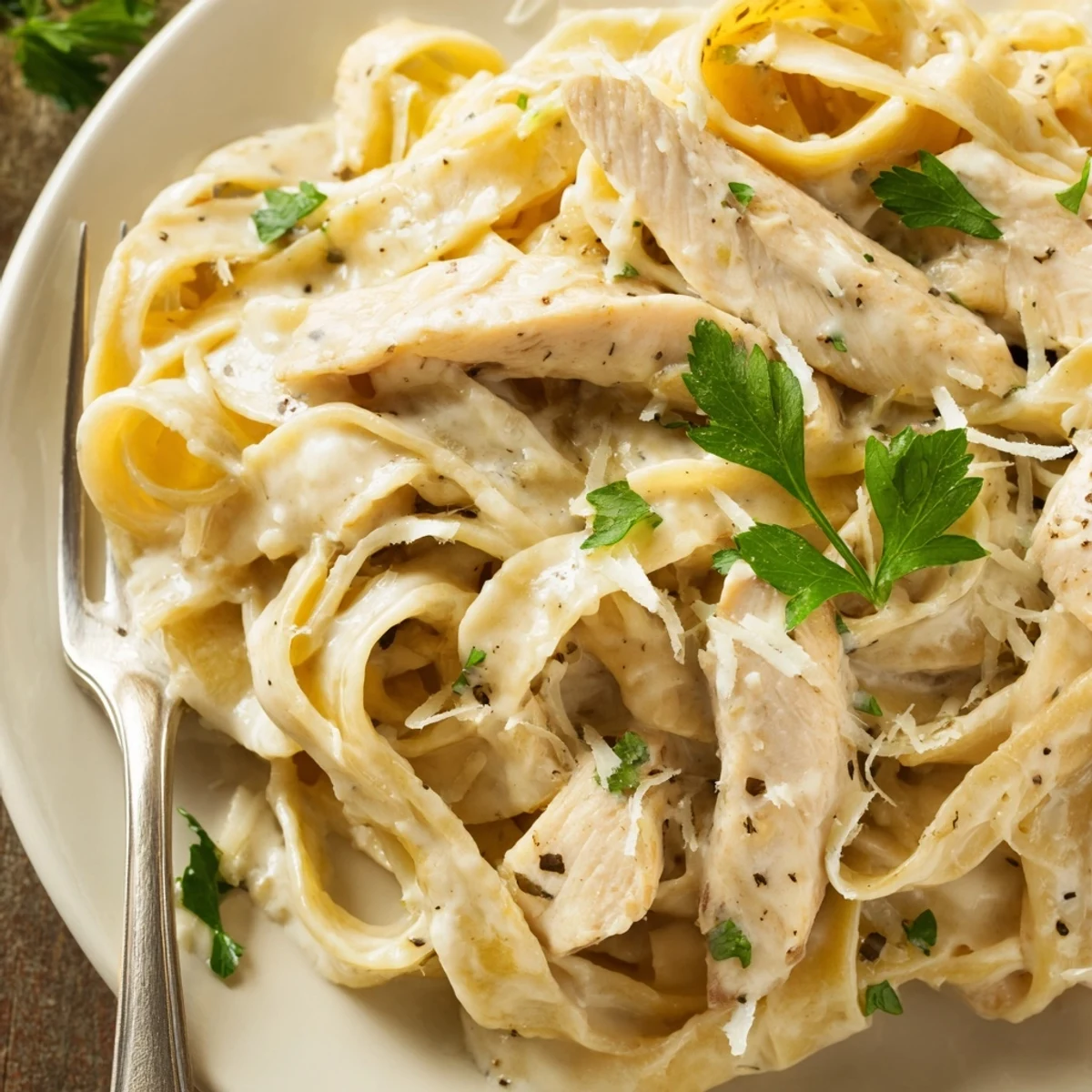
 This dish features tender strips of chicken breast sautéed to golden perfection, combined with fettuccine noodles tossed in a velvety Alfredo sauce made from butter, garlic, heavy cream, and freshly grated Parmesan. The sauce simmers to a smooth, rich consistency, seasoned with a hint of nutmeg and black pepper. Garnished with chopped fresh parsley and extra Parmesan, it creates a creamy, flavorful meal that’s ideal for a filling weeknight dinner. Quick to prepare and satisfying, this dish pairs wonderfully with a crisp white wine.
My friend Sarah called me in a panic one Tuesday evening, insisting I teach her how to make Alfredo pasta because she'd promised her family something special for dinner and had exactly thirty minutes. I talked her through it over the phone, and when she texted me a photo of the finished dish an hour later, her kids were actually smiling at the table. That's when I realized this recipe isn't just about cream and cheese—it's about how quickly you can turn simple ingredients into something that feels restaurant-quality and genuinely impressive.
I made this for my partner after a particularly long work day, and I'll never forget the moment he took that first bite—his whole face softened. He didn't say anything at first, just closed his eyes and ate slowly. That's when I learned that food like this does something beyond filling your stomach; it's a small act of care that actually registers.
Ingredients
- Fettuccine or tagliatelle (340 g): Wide, flat noodles hold the cream sauce better than thin pasta, so don't skip this choice.
- Chicken breasts (2, boneless and skinless, about 400 g): Slicing them into strips instead of cooking them whole cuts the cooking time almost in half and ensures they're tender throughout.
- Olive oil (1 tbsp): Just enough to keep the chicken from sticking without making it greasy.
- Salt and black pepper: Season the chicken first; this step matters more than you'd think.
- Unsalted butter (3 tbsp): Room temperature butter melts smoothly into the garlic, creating the base for everything that follows.
- Garlic (3 cloves, minced): Mince it fine so it distributes throughout the sauce and doesn't leave sharp chunks.
- Heavy cream (300 ml): This is the soul of the sauce—use real cream, not half-and-half, or the texture won't be what you're after.
- Freshly grated Parmesan cheese (100 g): This is non-negotiable; pre-grated cheese won't melt smoothly, and you'll end up with grainy sauce instead of velvety.
- Ground nutmeg (¼ tsp, optional): A whisper of nutmeg adds complexity and warmth without anyone being able to name what they're tasting.
- Fresh parsley (2 tbsp, chopped): It's not just decoration—the bright herbaceousness cuts through the richness of the cream.
Instructions
- Get your water boiling:
- Fill a large pot with water, salt it generously (it should taste like the sea), and bring it to a rolling boil. This takes about 8 to 10 minutes, so do this first while you prep everything else.
- Cook the pasta:
- Add fettuccine and stir immediately so it doesn't clump. Follow the package timing but taste a minute early—you want it tender but still with a slight resistance when you bite it. Drain and set aside ½ cup of that starchy pasta water; it's your secret weapon for loosening the sauce later.
- Sear the chicken:
- While pasta cooks, heat olive oil in a large skillet over medium-high heat until it shimmers. Season your chicken strips generously with salt and pepper on both sides. Lay them in the pan and don't touch them for 4 to 5 minutes—you want a golden crust. Flip and cook the other side until the meat is pale inside with no pink. Remove to a plate.
- Build the sauce foundation:
- Lower the heat to medium and add butter to the same skillet. Once it's melted and foaming, add your minced garlic and let it sizzle for about a minute until it becomes fragrant and light golden. This is the moment where your kitchen smells restaurant-quality.
- Incorporate the cream:
- Pour in the heavy cream slowly while stirring, then let it simmer gently for 3 to 4 minutes. You'll see it thicken slightly and the surface will have tiny bubbles breaking across it. Don't let it boil hard or the cream can separate.
- Add the Parmesan:
- Remove from heat briefly and whisk in your freshly grated Parmesan, a handful at a time, stirring until completely smooth. Add the nutmeg if you're using it. Season to taste with salt and pepper, tasting as you go because Parmesan is already salty.
- Bring it together:
- Return the chicken to the skillet, add your cooked pasta, and toss everything together over medium heat. The sauce should coat every strand; if it looks too thick, add a splash of that reserved pasta water and toss again. Do this gradually—the sauce will loosen as it heats.
- Plate and serve:
- Transfer to bowls or plates while everything is still hot. Scatter parsley over the top and offer extra grated Parmesan at the table so everyone can add more if they like.
 Save to Pinterest
 I once made this dish for a dinner party where I was absolutely nervous about the timing—I had four other dishes going simultaneously. But when I plated the Alfredo and saw my guests lean over their bowls with genuine delight before even taking a bite, it hit me: sometimes the simplest dishes are the ones that feel most indulgent, and that's exactly why people remember them.
Why Fresh Parmesan Changes Everything
The difference between pre-grated Parmesan and the kind you grate yourself is the anti-caking agents mixed into the pre-grated version. These powders prevent clumping in the container, but they also prevent the cheese from melting smoothly into cream. When you grate fresh, you get pure cheese that dissolves completely, creating that silky, luxurious texture that makes people think you spent hours on the sauce when you really spent five minutes.
Chicken Choices and Substitutions
Chicken breast is lean and cooks quickly, which is perfect for a weeknight, but if you want to experiment, large shrimp works beautifully and cooks in about three minutes total. Sliced mushrooms sautéed until golden brown create an earthy, vegetarian version that honestly might be better than the chicken version—just sauté them first until their moisture releases and they start to caramelize. Even diced prosciutto stirred into the cream adds a salty, smoky dimension that's absolutely worth trying.
Sauce Consistency and Pasta Water
This is where most home cooks stumble—they make a beautiful sauce but it's too thick because they forgot about the pasta water. The starch in pasta water acts like an emulsifier, helping the sauce coat the noodles instead of clumping around them. Add it slowly while tossing; you can always add more but you can't take it out. The finished dish should look creamy and glossy, with sauce visible on every bite, not a thick paste.
- Start with a quarter cup of reserved pasta water and add only what you need to reach the right consistency.
- Remember that the sauce will thicken slightly as it sits, so err toward slightly loose rather than thick.
- If your sauce breaks and becomes grainy, pour it into a clean bowl, start with a fresh tablespoon of cream in the hot skillet, and slowly whisk in the broken sauce—this usually saves it.
 Save to Pinterest
 This is the kind of dish that teaches you something about cooking if you pay attention: that three ingredients plus technique can taste better than something complicated, and that feeding people well doesn't require hours of work. Make it once and you'll make it again, probably on a night when someone you care about needs something that feels like love on a plate.
Recipe FAQs
- → What pasta works best for this dish?
-
Fettuccine or tagliatelle are ideal as they hold the creamy sauce well, but other ribbon-like pastas can be used too.
- → Can I substitute the chicken with other proteins?
-
Yes, shrimp or sautéed mushrooms make delicious alternatives that pair nicely with the creamy sauce.
- → How do I prevent the sauce from splitting?
-
Simmer the cream gently and stir constantly when adding Parmesan to ensure the sauce stays smooth and cohesive.
- → Is nutmeg necessary in the sauce?
-
Nutmeg adds a subtle warmth but is optional; you can omit it without affecting the overall flavor significantly.
- → How can I adjust the sauce thickness?
-
Use reserved pasta water to loosen the sauce gradually until you reach your preferred consistency.