
 Save to Pinterest
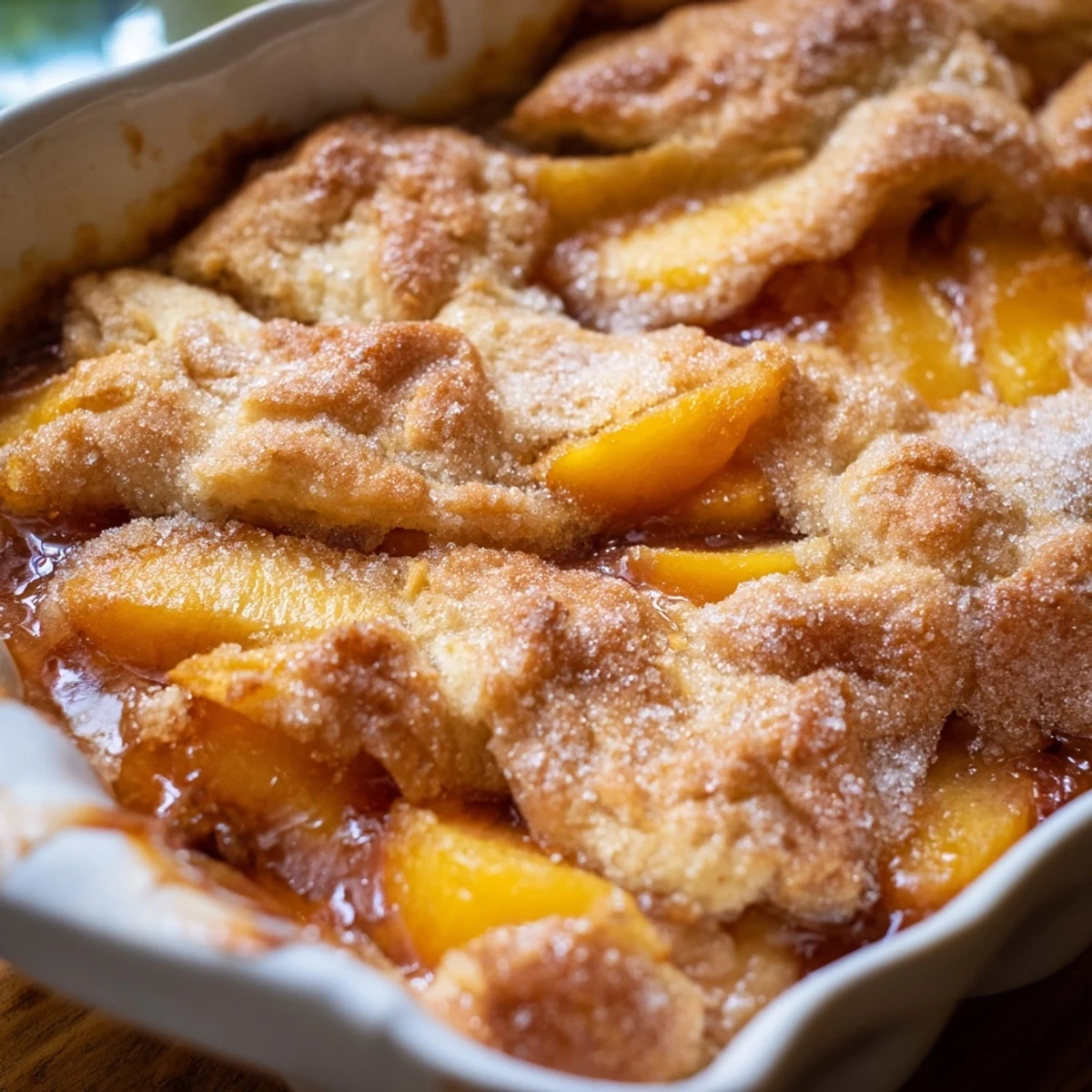
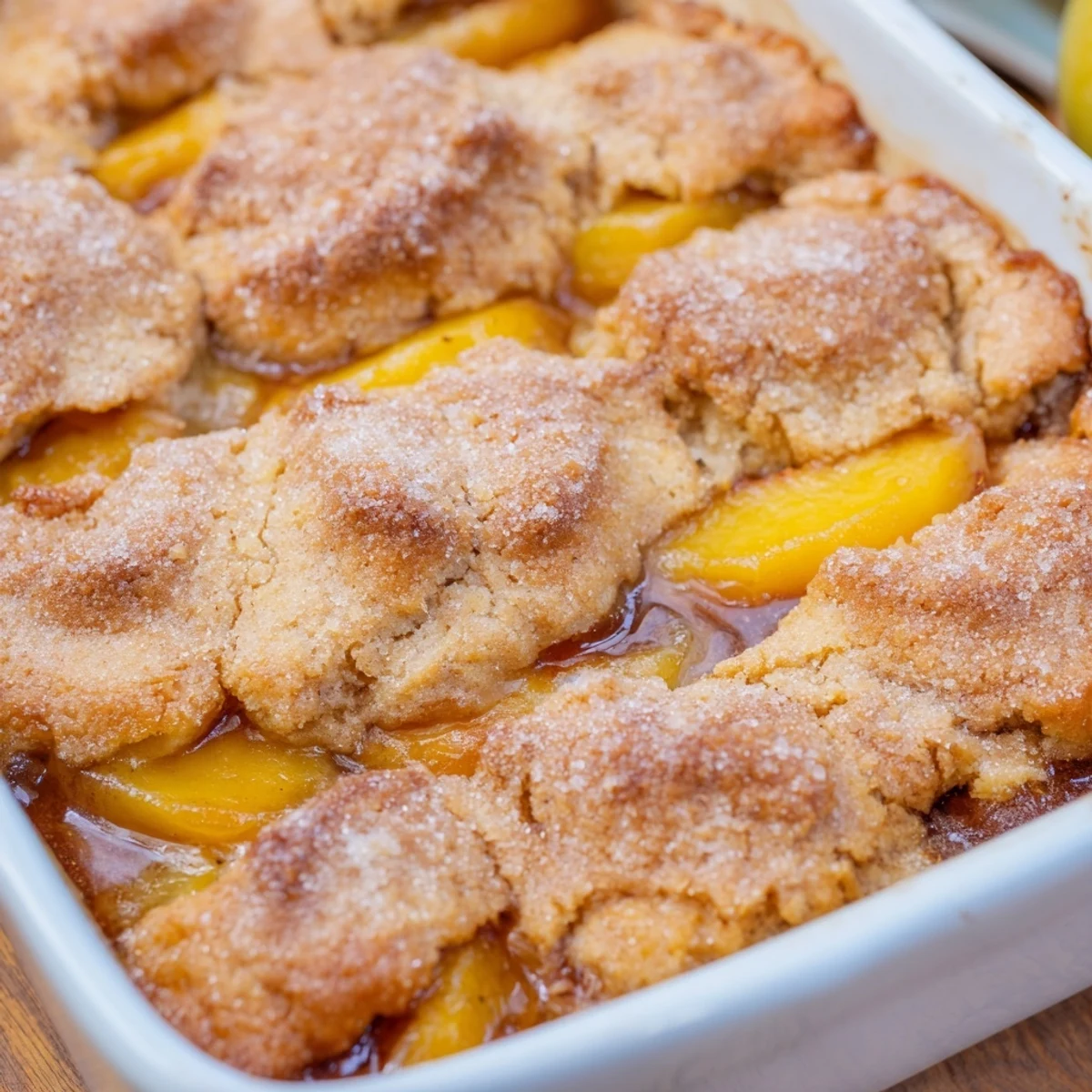
 This beloved Southern dessert combines sweet, juicy peaches with a homemade buttery crust that bakes to golden perfection. The peaches are tossed with cinnamon and vanilla, creating a bubbling fruit filling that contrasts beautifully with the crisp, flaky pastry topping.
Ready in just over an hour, this classic treat serves eight and works wonderfully for summer barbecues, potlucks, or family dinners. Serve it warm from the oven, ideally topped with vanilla ice cream for the ultimate indulgence.
The homemade crust comes together quickly with cold butter and ice water, delivering that irresistible flaky texture that makes this dessert unforgettable.
The first time I made peach cobbler, I was living in an apartment with a kitchen that got so hot in July that turning on the oven felt like an act of madness. But my neighbor had dropped off a paper bag of peaches from her father's tree, soft and fragrant and threatening to turn to mush if I didn't act fast. Something about that summer evening—the windows open, the air thick with humidity—made me pull out the flour and butter anyway. Forty minutes later, the whole place smelled like caramelized fruit and comfort.
I served that first bubbling dish on the back porch with two spoons and my roommate, both of us sitting cross-legged on the concrete while fireflies blinked in the yard. We burned our tongues on the first bites, the peach filling lava hot and the crust impossibly tender. That is still how I measure every peach cobbler since.
Ingredients
- 8 large ripe peaches: Pick fruits that yield slightly to pressure and smell fragrant at the stem—overripe peaches will collapse into mush while underripe ones will never develop that deep jammy sweetness
- Granulated and brown sugar: The combination gives you the crisp sweetness of white sugar plus the molasses depth of brown, creating a caramel complexity in the filling
- All purpose flour: Just enough to thicken the peach juices into a silky sauce without turning gummy—too much flour makes a pasty filling, too little leaves you with soup
- Fresh lemon juice: A tiny acid trick that brightens all that sugar and keeps the peaches from tasting cloyingly sweet
- Cold unsalted butter: The absolute key to flaky crust—cold butter creates steam pockets as it melts, leaving behind those tender layers we are all chasing
- Ice water: Use water that is literally ice cold to keep the butter from softening as you mix, which would destroy your flake potential
Instructions
- Preheat your oven to 400°F and prep the peaches:
- Peel, pit, and slice those peaches into wedges about half an inch thick, then toss them in a large bowl with both sugars, the flour, lemon juice, vanilla, cinnamon, and salt until every piece is evenly coated.
- Make the pastry dough:
- Whisk together the flour, sugar, and salt in a separate bowl, then work in the cold butter cubes with your fingertips or a pastry blender until the mixture looks like coarse crumbs with some pea sized pieces remaining.
- Bring the dough together:
- Drizzle in the ice water a tablespoon at a time, tossing gently with a fork just until the dough holds together when squeezed—overworking here makes tough pastry, so err on the side of it looking slightly shaggy.
- Chill the dough:
- Gather the dough into a disk, wrap it in plastic, and let it rest in the fridge for 15 minutes while the peaches macerate and release some of their juices.
- Assemble the cobbler:
- Pour the peach filling into a 9x13 inch baking dish, roll out your chilled dough to fit the top, and drape it over the fruit before trimming and crimping the edges and cutting a few vents for steam.
- Add the finishing touches:
- Brush the crust with beaten egg and sprinkle with coarse sugar if you want extra crunch and sparkle in the top layer.
- Bake until golden:
- Bake for 40 to 45 minutes until the crust is deeply golden and the peach filling is bubbling vigorously through the vents, which tells you the flour has properly thickened the fruit juices.
- Let it rest:
- Cool for at least 15 minutes before serving—this patience pays off by letting the filling set slightly so you get distinct spoonfuls instead of a runny mess.
 Save to Pinterest
 My father who normally bakes at nothing requested this for his birthday instead of cake, which I took as the highest possible compliment. We ate it standing up in the kitchen, steam rising into our faces, debating whether the crispy corner pieces or the center ones with more fruit were superior.
The Secret To Perfect Peaches
I have learned that peaches from the grocery store often need an extra day on the counter to reach their full potential. The best peaches come with their fuzz still intact and perfume the whole room when ripe. If you can only find underripe ones, let them sit in a paper bag for a day—the ethylene gas they release helps them soften and sweeten naturally.
Mastering The Crust
The most common mistake I see is working the dough until it is smooth, which develops gluten and makes the crust tough. You want visible flakes of butter in your dough—those are what create the flaky layers as they melt in the oven. If the dough feels too dry to come together, add another teaspoon of ice water rather than forcing it.
Serving And Storing
This cobbler deserves to be eaten warm, preferably within a few hours of baking when the crust is at its crispest. That said, my midnight snack self can confirm it is excellent cold straight from the refrigerator.
- Vanilla ice cream is not optional—it melts into the crevices and creates its own little sauce
- Reheat leftovers in a 350°F oven for 10 minutes to restore the crust rather than the microwave
- Any extra peaches can be sliced and frozen for your next cobbler craving
 Save to Pinterest
 There is something about peach cobbler that makes people linger at the table, spoons scraping the bottom of the dish long after the conversation has quieted. That is the kind of dessert worth making.
Recipe FAQs
- → Can I use frozen peaches instead of fresh?
-
Yes, frozen peaches work well in this dish. Thaw them completely and drain excess liquid before tossing with the sugars and spices. You may need to reduce the flour slightly since frozen peaches release more moisture during baking.
- → How do I know when the cobbler is done?
-
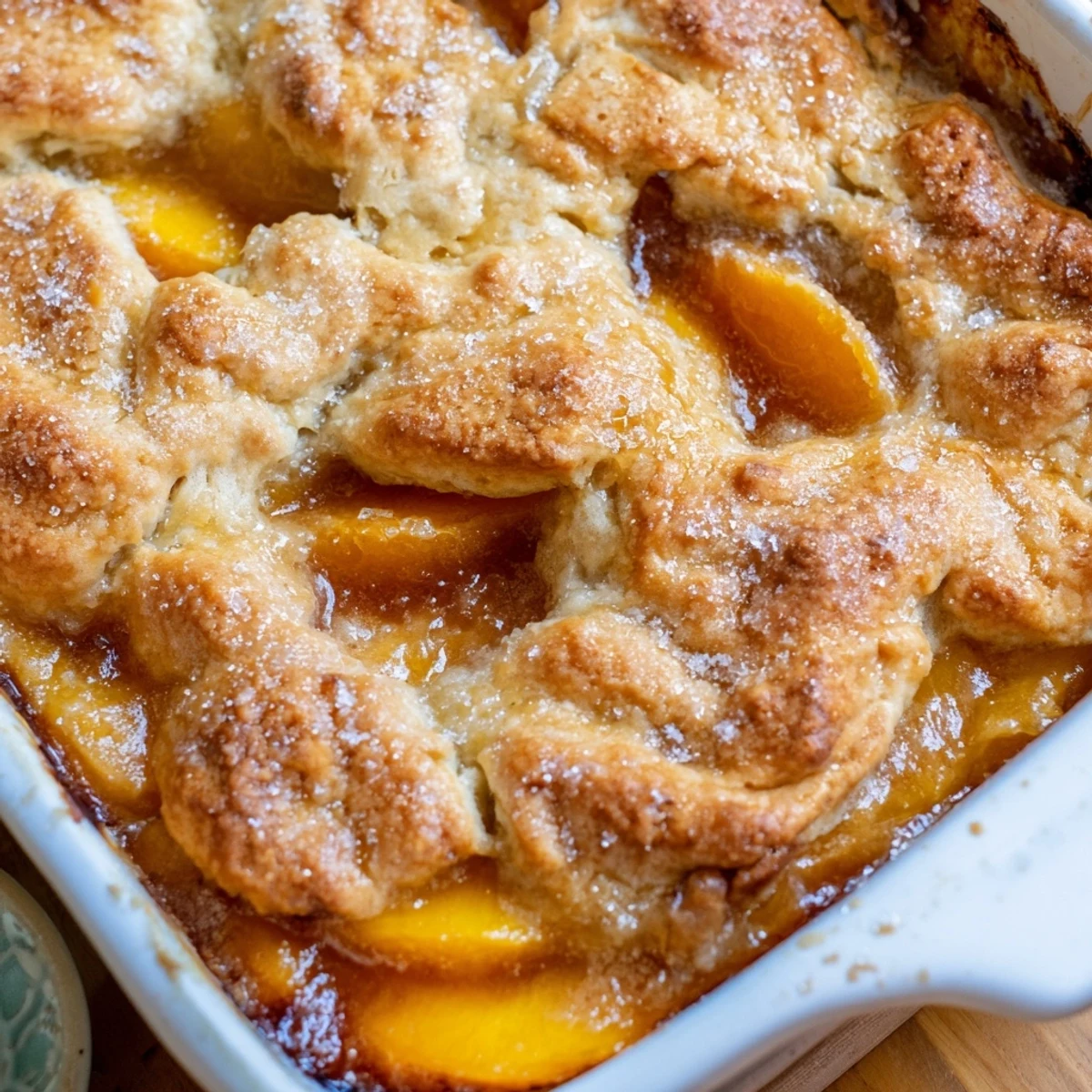
The cobbler is ready when the crust is deep golden brown and the fruit filling is bubbling vigorously through the steam vents. This typically takes 40-45 minutes at 400°F. If the crust browns too quickly, tent with foil for the last 10 minutes.
- → Can I make the dough ahead of time?
-
Absolutely. Prepare the dough, wrap it tightly in plastic, and refrigerate for up to 2 days or freeze for up to 3 months. Let it thaw in the refrigerator before rolling out. The filling can also be assembled a few hours ahead and kept refrigerated.
- → What's the best way to serve peach cobbler?
-
Warm is ideal—let it cool for 15 minutes after baking so the filling sets slightly. Top with vanilla ice cream, whipped cream, or a dollop of crème fraîche. It's also delicious at room temperature for picnics or potlucks.
- → Can I substitute other fruits?
-
Certainly. Nectarines, apricots, plums, or berries work wonderfully. Adjust sugar based on fruit sweetness—tart fruits may need an extra tablespoon. Mixed summer stone fruits create a beautiful variation on the classic version.
- → Why is my crust not flaky?
-
The key is keeping everything cold. Use ice-cold butter and water, handle the dough minimally, and chill it before baking. Overworking the dough develops gluten, making it tough instead of tender. Work quickly and don't worry if some butter chunks remain visible.