
 Save to Pinterest
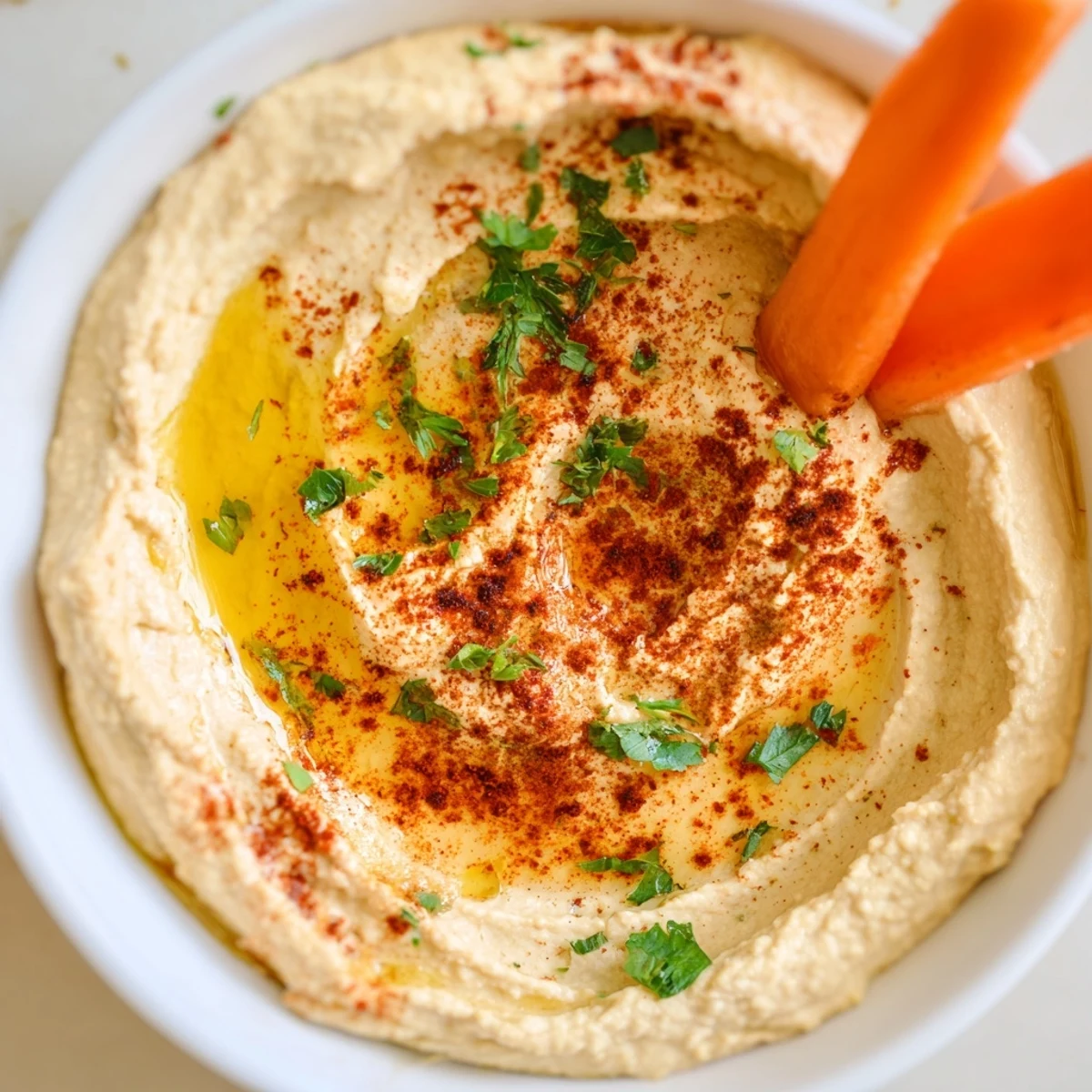
 This dish features a creamy blend of chickpeas, tahini, olive oil, and lemon juice, seasoned with garlic and cumin to create a silky dip. Freshly cut carrots, cucumbers, bell peppers, and celery sticks add crunchy texture for dipping. The combination offers a light, nutritious option that’s quick to prepare, perfect for casual gatherings or light snacking. Adjust seasoning to taste and add optional touches like smoked paprika for extra depth. Serve immediately to enjoy the fresh, vibrant flavors.
The first time I served hummus at a casual dinner, I realized it was the thing everyone actually stayed to eat. A friend had mentioned she'd been buying pre-made versions from the store, and I thought, why not show her how ridiculously simple it is to make at home? Twenty minutes later, the food processor had done all the heavy lifting, and I was drizzling olive oil over something that tasted infinitely better than anything in a plastic container.
I still remember my neighbor stopping by unexpectedly with her kids, and all I had to offer was some crackers and this hummus I'd made the day before. The kids devoured the vegetable sticks like they were candy, and their mom asked for the recipe right there on my kitchen counter. That's when I knew this wasn't just a snack—it was a gateway to making people feel welcomed.
Ingredients
- Chickpeas (1 can, drained and rinsed): The base that makes everything work; rinsing them removes the starchy liquid that would make your hummus gluey instead of silky.
- Tahini (3 tbsp): This sesame paste is what gives hummus its signature creaminess—don't skip it or substitute lightly, as it's genuinely essential.
- Extra virgin olive oil (2 tbsp, plus more for drizzling): Use something you'd actually taste on its own; cheap oil makes a difference here.
- Lemon juice (2 tbsp, freshly squeezed): Fresh lemon is non-negotiable—bottled versions taste flat and change the whole character of the dip.
- Garlic clove (1 small, minced): A small clove is key; garlic can easily overpower and turn bitter if you're not careful.
- Ground cumin (1/2 tsp): This warm spice is what makes people ask what that delicious flavor is.
- Salt (1/2 tsp): Start here and taste as you go; hummus needs more salt than you'd initially think to come alive.
- Cold water (2-3 tbsp): Add this gradually to get the texture exactly how you like it, from thick to cloud-like.
- Carrots, cucumber, bell peppers, and celery: Choose whatever is in season and feels crisp; vegetables that are slightly warm from the sun taste better than cold refrigerator vegetables.
Instructions
- Combine everything:
- Dump the chickpeas, tahini, olive oil, lemon juice, garlic, cumin, and salt into your food processor. You'll hear it whir to life, and the whole kitchen will smell like lemon and garlic in the best way.
- Blend until silky:
- Let it run for a minute, then stop and scrape down the sides with a spatula because there's always some stubborn chickpea clinging to the walls. Blend again until everything looks like pale, creamy butter.
- Add water gradually:
- This is where you get to control the texture—add one tablespoon of cold water, blend, taste, and decide if you want it thicker or airier. It'll continue to firm up slightly as it sits, so err on the side of slightly softer.
- Taste and adjust:
- This is the moment that separates good hummus from unforgettable hummus. A squeeze more lemon? A pinch more salt? Trust your mouth here.
- Plate it beautifully:
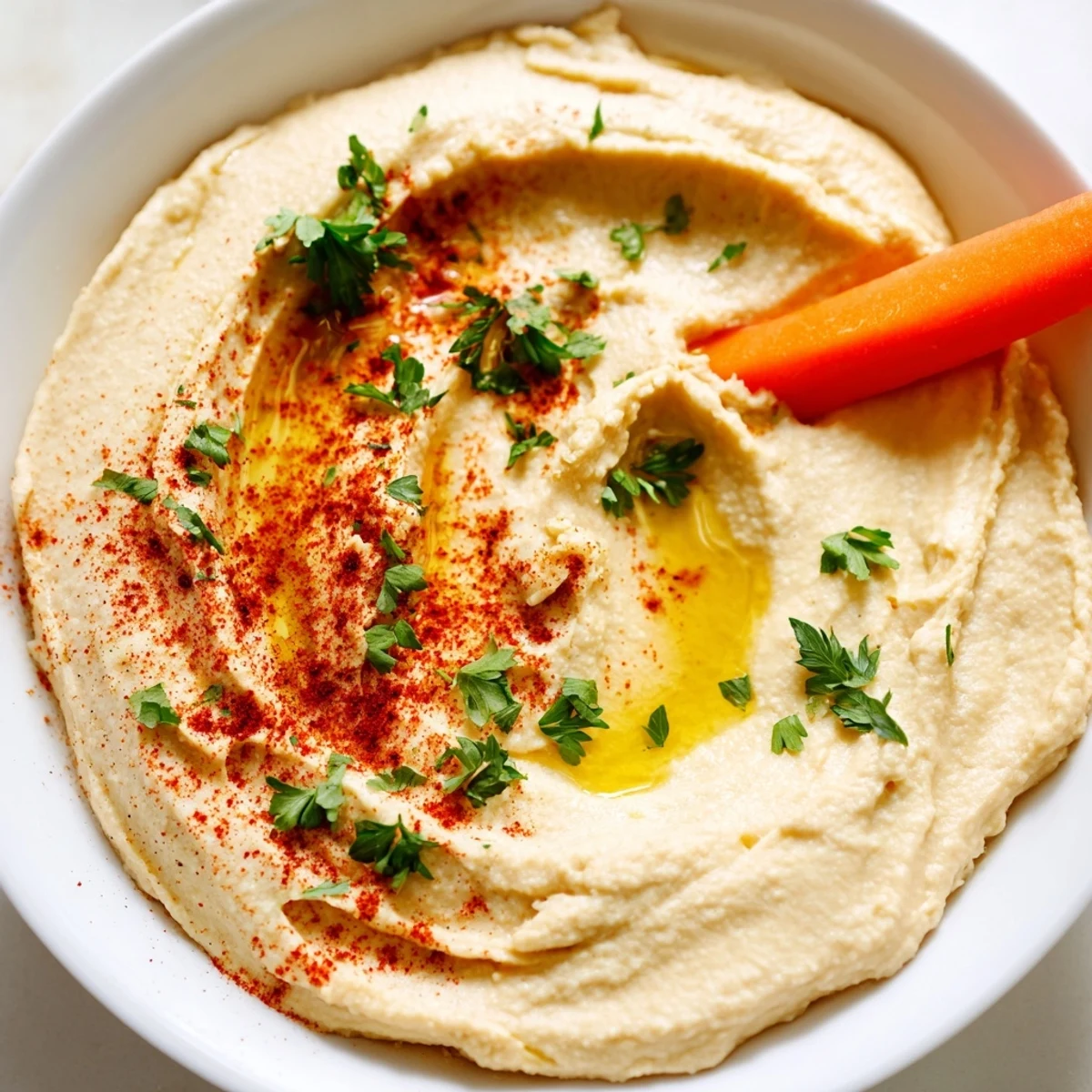
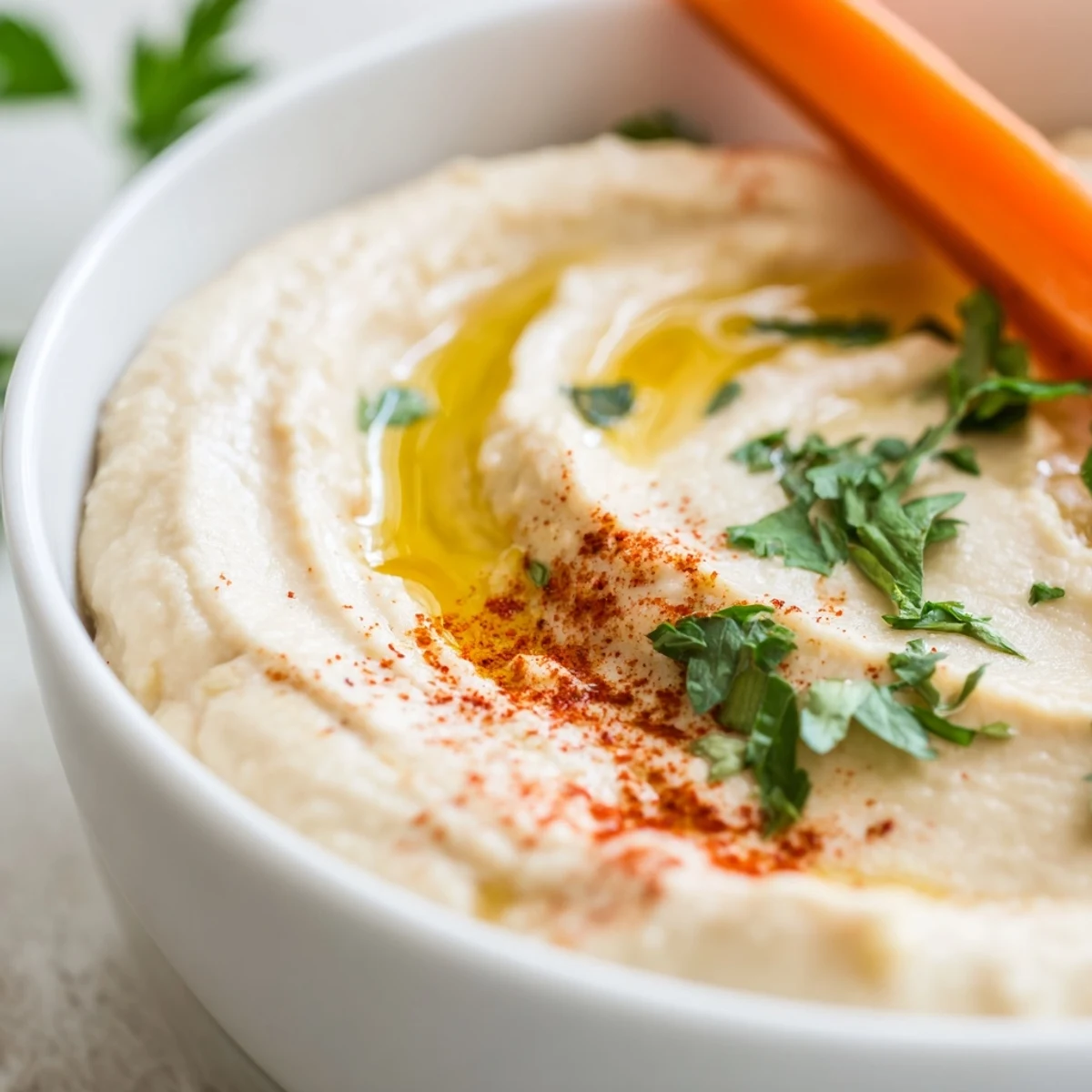
- Transfer to a shallow bowl, create a little well in the center with the back of a spoon, and drizzle olive oil into it like you're plating at a restaurant. A sprinkle of paprika or fresh parsley makes it look intentional.
- Arrange the vegetables:
- Place all your vegetable sticks on a platter around the bowl so they're easy to grab. Serve right away while the hummus is still cool and the vegetables are at their crispest.
 Save to Pinterest
 My partner once asked why I made hummus when we could just buy it, and I realized I'd never explained that the homemade version tastes like actual food instead of a formula. There's something about watching chickpeas turn into something creamy and elegant right in front of you that makes you feel capable in the kitchen.
Vegetable Prep Matters More Than You Think
The vegetables are just as important as the hummus itself, and I learned this the hard way by cutting them too thin and watching them become sad and limp. Cut them thick enough that they have some structural integrity, and they become vehicles for the creamy dip instead of just soggy sides. Fresh, crisp vegetables make you feel healthier eating them, even though you're dipping them in oil and sesame paste.
Storage and Make-Ahead Strategy
I've made hummus on a Monday and happily eaten it on Thursday, which is the kind of reliability you want from a recipe. Keep it in an airtight container in the coldest part of your refrigerator, and it'll stay perfect for four days. The flavor actually deepens, so if you're making this for a dinner party, prep it the day before and you've already handled one task.
Why This Simple Recipe Works Every Single Time
There's no baking involved, no timing issues, no way to really mess this up if you follow the basic steps. It's the kind of recipe that builds confidence because every batch turns out creamy and delicious. Whether you're feeding a crowd or just yourself with some afternoon snacking in mind, hummus is the answer that always feels generous and intentional.
- A pinch of smoked paprika adds warmth without changing the fundamental flavor profile.
- Roasted garlic cloves blended in create a sweeter, more mellow garlic flavor if you prefer gentleness over bite.
- Seasonal vegetables like radishes, snap peas, or cherry tomatoes can swap in whenever you feel like variety.
 Save to Pinterest
 Hummus has become the thing I make without thinking, the snack that's always welcome, and the appetizer that somehow makes everything feel more intentional. There's something deeply satisfying about having something this delicious and this nourishing ready whenever you need it.
Recipe FAQs
- → How can I achieve the smoothest texture for the hummus?
-
Use a high-powered blender or food processor and blend thoroughly, adding cold water gradually until the desired creaminess is reached.
- → What vegetables work best with this dip?
-
Carrots, cucumbers, bell peppers, and celery provide crispness, but radishes, snap peas, or cherry tomatoes are great seasonal alternatives.
- → Can I prepare the hummus in advance?
-
Yes, it can be made up to four days ahead and refrigerated in an airtight container to preserve freshness.
- → How do I enhance the flavor beyond the basic ingredients?
-
Add a pinch of smoked paprika or roasted garlic cloves to deepen the smokiness and aromatic profile.
- → Is this suitable for gluten-free and vegan diets?
-
Yes, the ingredients are naturally gluten-free and vegan-friendly, but check the tahini for any cross-contamination risks.