
 Save to Pinterest
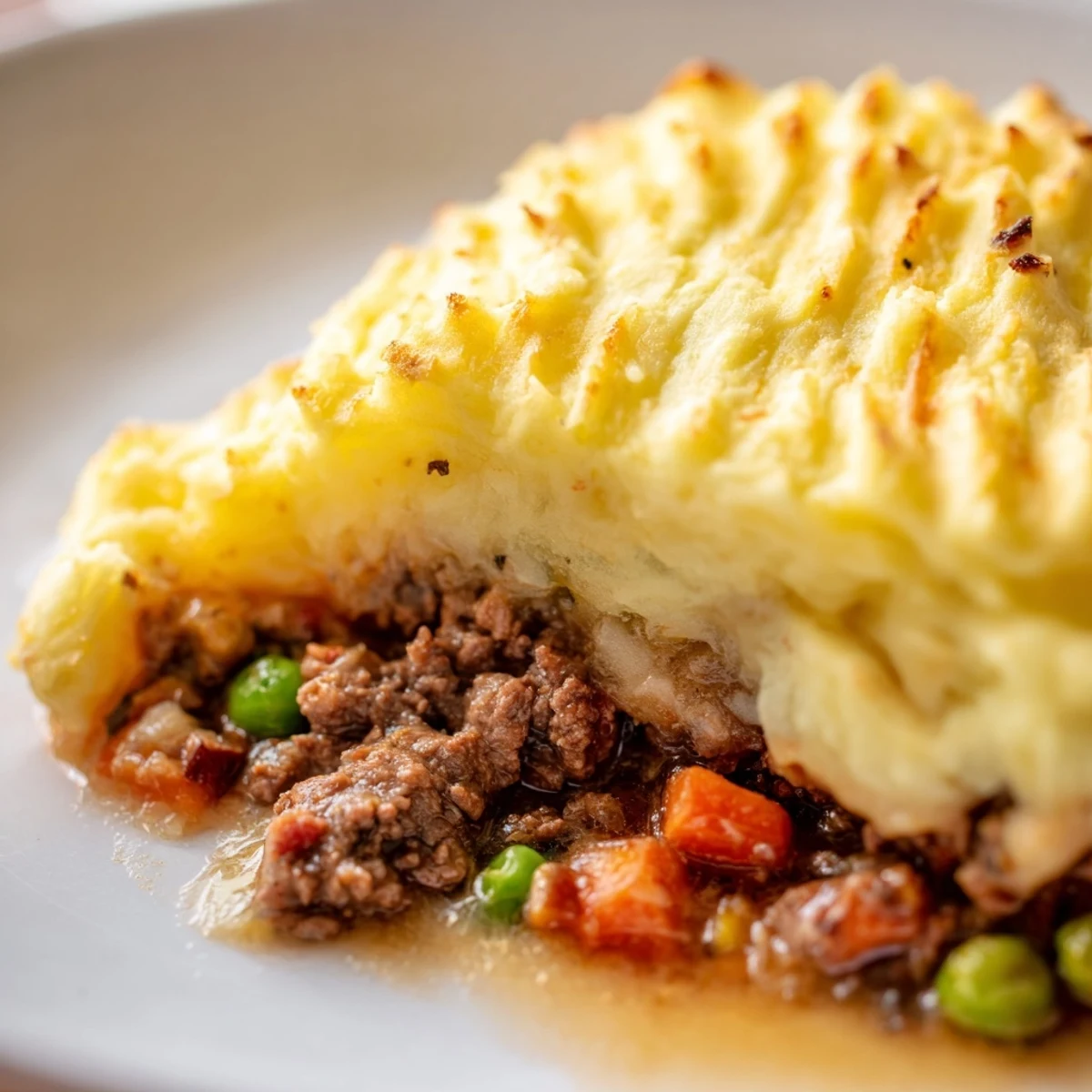
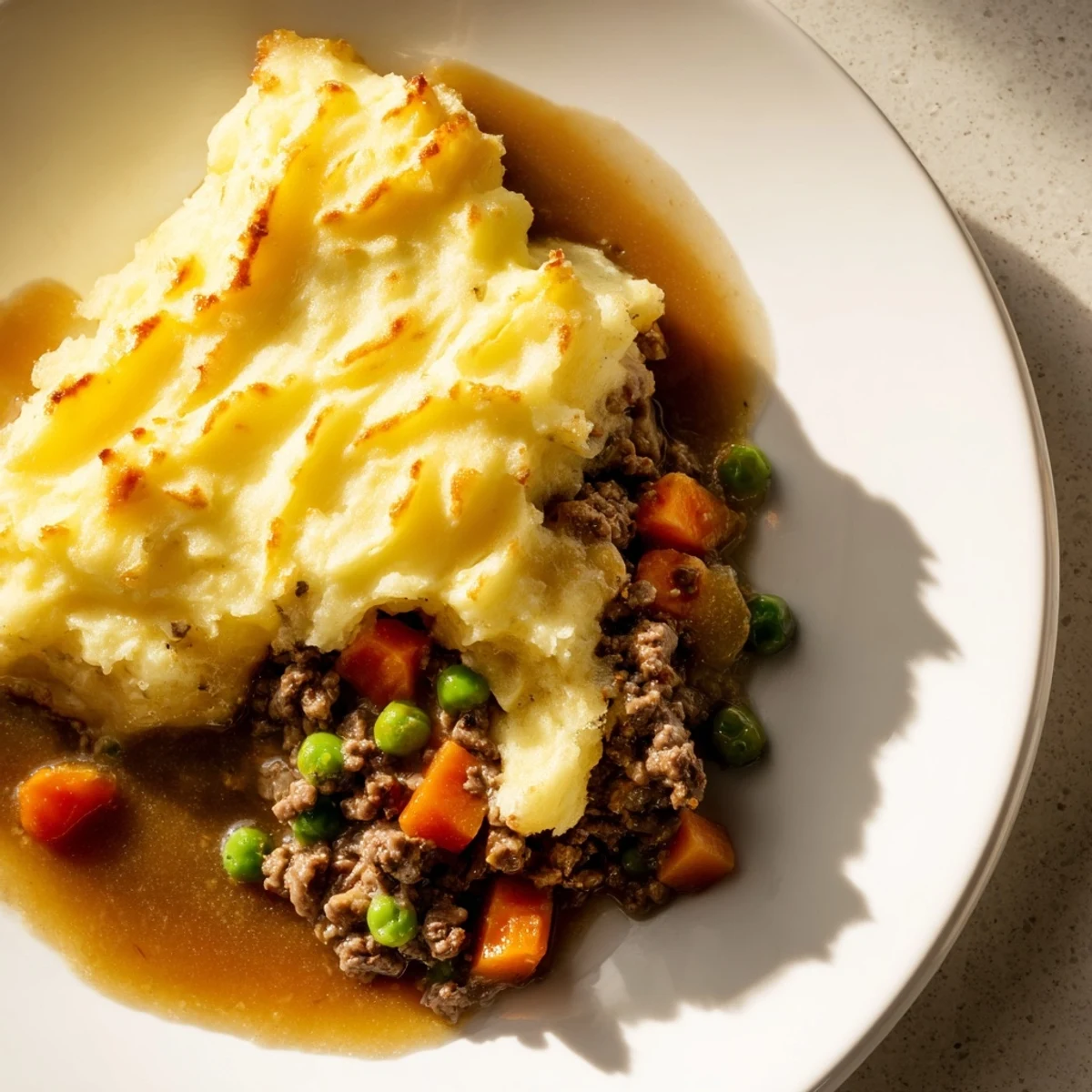
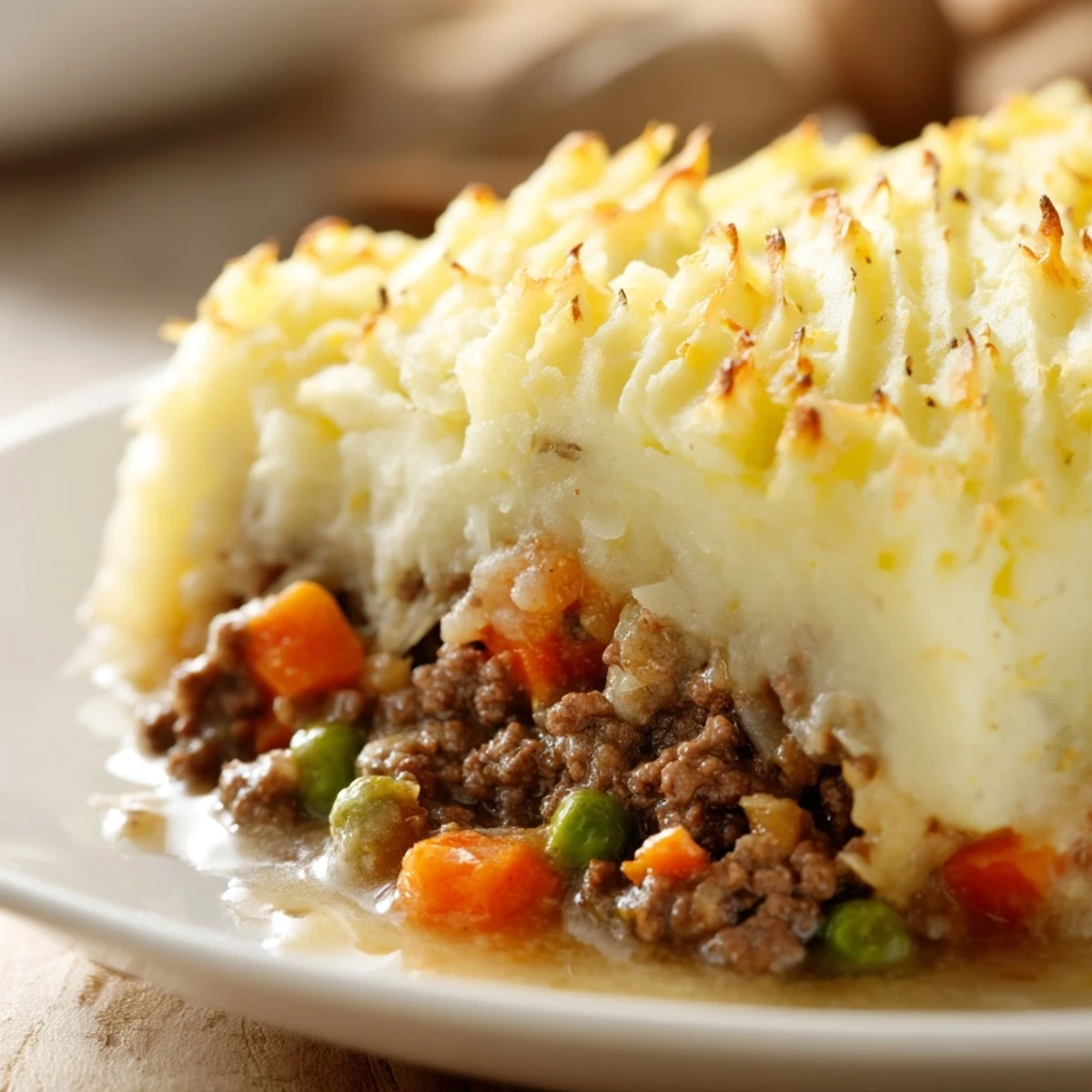
 This hearty British dish combines savory minced beef and diced vegetables simmered in a rich gravy, crowned with a layer of creamy, golden mashed potatoes. Flavored with herbs like thyme and rosemary, the filling is thickened and enriched before baking until bubbly and golden on top. Perfect for a comforting main meal, it pairs beautifully with steamed greens or fresh salad and is ideal for leftovers.
There's something about the smell of beef simmering with thyme that instantly transports me to a rainy Tuesday evening when I first learned to make cottage pie from my neighbor who'd grown up in Yorkshire. She moved away years ago, but every time I brown ground beef, I can still hear her humming while she mashed potatoes with absolute precision. This dish became my go-to when I wanted to feel like someone was looking after me, even when I was cooking alone in my tiny apartment kitchen.
I remember making this for my partner's parents on a night when I was nervous and honestly had no business attempting a home-cooked meal. The kitchen got chaotic, the potatoes took longer than planned, but when we pulled it from the oven with that golden crust bubbling at the edges, something shifted. They asked for seconds, and I realized this simple pie had just become my secret weapon for turning anxiety into something everyone could gather around.
Ingredients
- Olive oil: You need just enough to get everything moving without making the filling greasy, so don't get generous.
- Onion, carrots, and celery: This base is non-negotiable—the vegetables dissolve into the gravy and build the whole flavor foundation.
- Garlic cloves: One minute of cooking is all they need, or they turn bitter and ruin the moment.
- Ground beef: Let it brown properly in batches if your pan feels crowded, because steam prevents browning and you want that savory crust.
- Tomato paste: This concentrates the richness; cooking it with the flour for a minute or two makes all the difference.
- All-purpose flour: It thickens the gravy into something that clings to the meat instead of pooling at the bottom.
- Beef stock: Use something you'd actually drink—the filling tastes exactly as good as your stock is.
- Worcestershire sauce: Just two teaspoons adds a depth that makes people ask what your secret ingredient is.
- Thyme and rosemary: Dried herbs work beautifully here because the long simmer releases everything they have to give.
- Bay leaf: Remove it before baking—a forgotten one between your teeth is an unpleasant surprise.
- Frozen peas: They stay bright green and maintain their shape, arriving at the table looking intentional.
- Floury potatoes: They absorb the butter and milk into something fluffy instead of gluey like waxy varieties would.
- Butter and warm milk: Cold milk will seize the potatoes, so warm yours first or let it sit out for ten minutes.
- Egg yolk: Optional, but it adds a silky richness that makes the mash feel indulgent without tasting heavy.
Instructions
- Prepare your oven and begin the vegetables:
- Set your oven to 200°C while you heat the oil in your skillet over medium heat. The vegetables need a steady, patient 6 to 8 minutes until they're soft and the onion turns translucent—rush this and they'll never fully surrender their sweetness to the gravy.
- Build the beef base:
- Add the garlic and let it perfume the oil for just 60 seconds, then break in the ground beef, using your spoon to separate it into small pieces as it browns. You're looking for that moment when you can't see any pink and the bottom of the pan shows all those flavorful browned bits.
- Thicken and deepen:
- Stir in the tomato paste and flour, and cook this mixture for 2 minutes so the raw flour taste disappears. When you pour in the stock while stirring, the flour will absorb it and create something that coats a spoon instead of running off.
- Simmer and mellow:
- Add the Worcestershire sauce, thyme, rosemary, and bay leaf, then keep everything at a gentle simmer for 20 minutes. Stir occasionally and watch how the liquid reduces down into something glossy and deeply savory—this is where the filling develops its soul.
- Finish the filling:
- Fish out the bay leaf, stir in the frozen peas (they'll warm through in the residual heat), and taste before seasoning with salt and pepper. Set this aside while you handle the potatoes.
- Cook and mash the potatoes:
- Boil your cubed potatoes in salted water until a fork slides through with no resistance—15 to 20 minutes depending on your pot and stove. Drain them well, return to the pot, add the butter and warm milk, and mash until you have something fluffy with no visible lumps.
- Season and enrich:
- Taste the mash and adjust the salt and white pepper, then stir in the egg yolk if you're using it for extra smoothness. Don't overmix or you'll develop the gluten and end up with something dense.
- Assemble:
- Spoon the beef filling into your baking dish, then spread the mash over top with a spatula. Use a fork to rough up the surface so it bakes into a golden, crispy texture instead of a smooth dome.
- Bake until golden:
- Place the dish on a baking tray to catch any spills, then bake for 25 to 30 minutes until the top turns deep golden and you see the filling bubbling at the edges. This final bake melds everything together while crisping the mash.
- Rest and serve:
- Let it sit for 10 minutes before you dive in—this gives the filling time to set so it holds together on the plate instead of collapsing into a puddle.
 Save to Pinterest
 I learned the power of cottage pie during a winter when everything felt too big and scary, and somehow this simple dish made things feel manageable again. The act of layering comfort on top of comfort—beef filling, then mash, then heat—felt like a small thing I could actually control, and I think that's when cooking stopped being just about feeding myself and became about survival.
The Mash Matters Most
Your potatoes are everything in this dish, and I mean that seriously. I've seen people skip the egg yolk to save calories and end up with something that tastes a bit sad on the plate. The dairy and butter don't just add flavor—they create a contrast between the crispy baked top and the creamy layer underneath that makes you actually pause between bites. If your mash feels too stiff, add more warm milk a tablespoon at a time; if it feels loose, you added the milk too fast and your best bet is to stop mashing before it gets gluey.
Building Layers of Flavor
The beef filling is where you can actually taste the care you've taken. Each step—browning the vegetables until they're truly soft, cooking the garlic for exactly one minute, letting the beef simmer for a full 20 minutes—adds something the next person won't be able to name but will absolutely notice. People taste intent, and this filling carries yours in every spoonful. I learned to stop rushing through the simmering stage after I served an undercooked filling once and spent dinner explaining why it tasted thin, when what I should have done was simply wait another five minutes in the first place.
Variations and Extensions
This base is adaptable without becoming unrecognizable, and that's part of its beauty. Some nights I stir in a splash of red wine to deepen the beef flavor, other times I substitute half the beef with mushrooms for something a bit lighter. The egg yolk in the mash is optional but genuinely transforms it from good to luxurious, and grated cheddar sprinkled on top before baking creates a savory crust that's honestly hard to stop eating once you start.
- Swap lamb for beef to make traditional Shepherd's Pie, which tastes slightly herbier and deserves the distinction.
- Stir grated cheddar into the warm mash before topping the filling for a sharp contrast that catches you off guard.
- Serve alongside steamed green beans or a simple salad to brighten up the richness without fighting the main event.
 Save to Pinterest
 Cottage pie is the kind of food that gets better in your memory than it was in the moment, and then one day you make it again and realize it was actually exactly as good as you remembered. It's comfort without being boring, and that's a rare thing to master in a kitchen.
Recipe FAQs
- → What herbs enhance the flavor in this dish?
-
Dried thyme and rosemary are used to infuse the filling with aromatic depth and complexity.
- → How is the mash made fluffy and creamy?
-
The potatoes are boiled until tender, then mashed with butter, warm milk, and optionally an egg yolk for extra creaminess.
- → Can this dish be prepared ahead of time?
-
Yes, the filling can be cooked in advance, assembled, then baked fresh or reheated well after refrigeration or freezing.
- → What variations exist for the meat used?
-
Lamb can be substituted for beef to create a traditional Shepherd’s pie variant, offering a different flavor profile.
- → What side dishes complement this meal well?
-
Steamed green beans, simple salads, or roasted vegetables balance the richness and add freshness to the plate.