
 Save to Pinterest
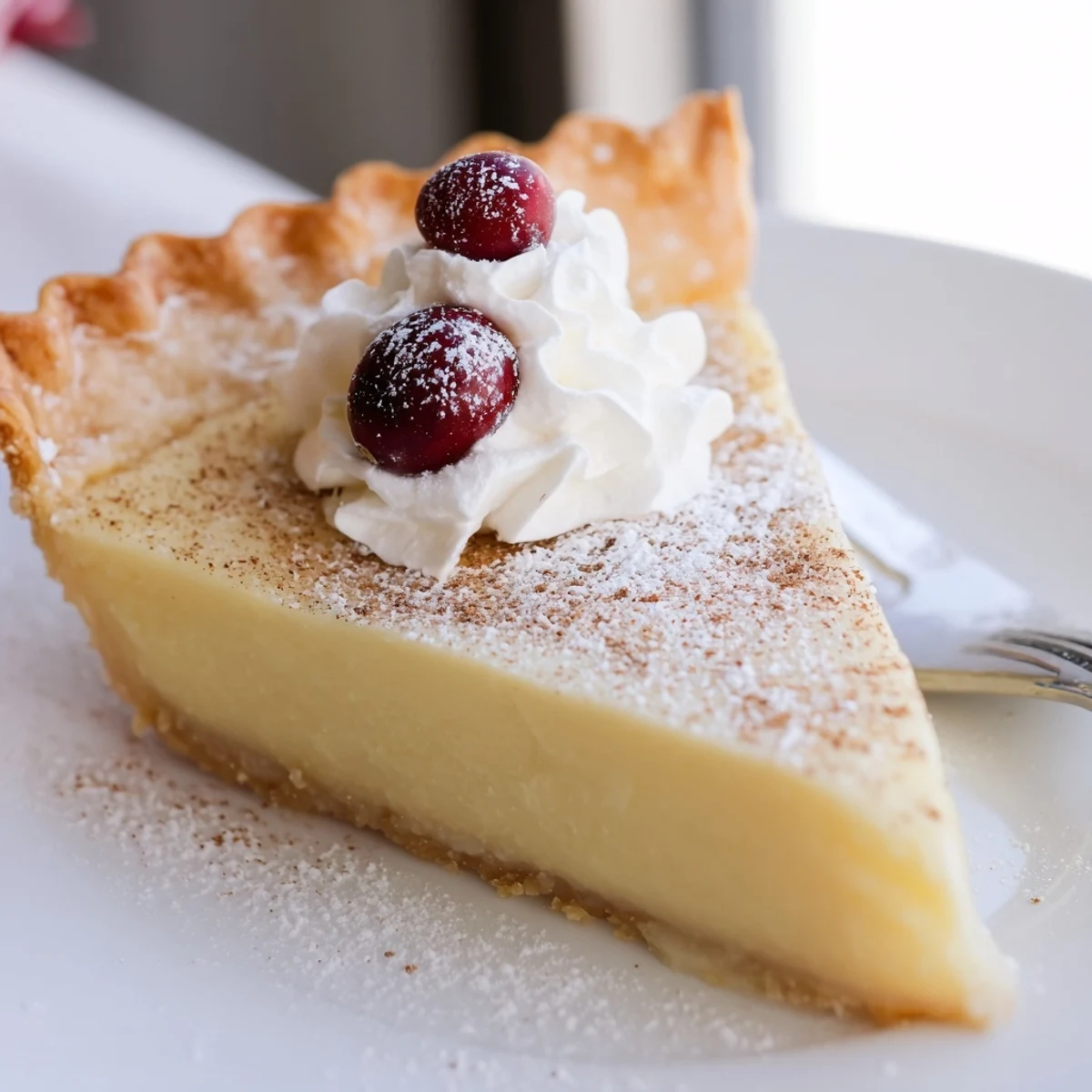
 This custard fills a 9-inch crust with a silky blend of whole milk, cream, eggs, sugar and cornstarch, brightened by vanilla and a touch of cinnamon. Warm the dairy, temper it into beaten eggs, then strain for a smooth texture. Bake at 350°F until the center is just set and slightly wobbly; cool and chill for the custard to fully firm. Finish with a dusting of cinnamon or powdered sugar.
Steam curling from the oven, spice-laced air wafting into every corner—I never realize how intoxicating cinnamon and vanilla can be until I wait for this custard pie to cool on Christmas Eve. One late December, while snow fell quietly outside, I found myself tracing little patterns in spilled flour as the scent of baking custard started drawing everyone closer to the kitchen. There wasn’t anything fancy about that night—just the simple pleasure of whisking, waiting, and carefully sneaking tastes from the crust edges. A pie like this holds its own magic, especially when the outside world feels hushed and bright with anticipation.
One year, I made this pie for a last-minute family feast, accidentally dusting the kitchen table (and my slippers) with more powdered sugar than I intended. That happy mess became the unofficial cue for everyone to pile into the kitchen, drawn by laughter and the unmistakable aroma of custard about to turn into something special.
Ingredients
- Pie crust: Whether you roll your own or use store-bought, make sure it’s cold when it hits the pan—the butterier, the better for crispness.
- Whole milk: The combination of whole milk and cream keeps the custard balanced and never too rich.
- Heavy cream: The key to a thick, velvety filling—don’t substitute if you want true silkiness.
- Eggs: Crack each into a little bowl first, just to catch any rogue shell bits.
- Granulated sugar: Don’t skimp here; it sweetens the custard and helps with setting.
- Cornstarch: I used to skip this step, but it’s magical for ensuring that perfect cut-with-a-fork texture.
- Vanilla extract: Splash it in generously for that deep, comforting aroma.
- Ground cinnamon: A little goes a long way—don’t let it clump, whisk it right in for even warmth.
- Sea salt: Just a pinch underscores all the sweetness and makes those spices pop.
- Powdered sugar: For that soft winter dusting on top, use a fine sieve to sprinkle it.
Instructions
- Ready your pie crust:
- Place the unbaked crust in your pie pan and give the edges an artful pinch or crimp—imperfection is charm here.
- Warm the cream:
- Stir the milk and cream in your saucepan, watching for the moment tiny steamy wisps start floating up. Don’t let it boil; just your patience (and a wooden spoon) are enough.
- Whisk the custard base:
- Vigorously blend eggs, sugar, cornstarch, vanilla, cinnamon, and salt until silky, scraping the bowl's sides and laughing at any sugar clouds.
- Temper the eggs:
- Slowly pour the warm milk mixture into your eggs, whisking steadily like you’re serenading the blend—it keeps everything smooth and dreamy.
- Strain for silkiness:
- Push the mixture through a fine sieve into a new bowl to catch any sneaky lumps.
- Fill the crust:
- Pour the custard into the crust, steadying your hands and letting yourself admire the swirl of pale gold.
- Bake with care:
- Bake 45–50 minutes, watching for a gentle jiggle in the center; if your crust starts darkening too quickly, shield it gently with foil.
- Cool and set:
- Let the pie rest on a wire rack—the filling will finish setting while everyone hovers, pretending not to count the minutes.
- Top with cinnamon and sugar:
- Dust cinnamon and (if you like) a little powdered sugar on the cooled pie, enjoying the satisfying last touch.
- Chill and serve:
- Refrigerate for at least two hours, then slice—and listen for the quiet “ohh!” that always follows.
 Save to Pinterest
 The year I made this pie for my neighbor’s carolers, I left a warmly-lit window open and the scent made half the street stop to ask what I was baking. It was more than dessert that night—it was the reason new friends paused and smiled, bundled and bright-eyed, waiting for a warm slice.
How to Make Every Slice Photo-Worthy
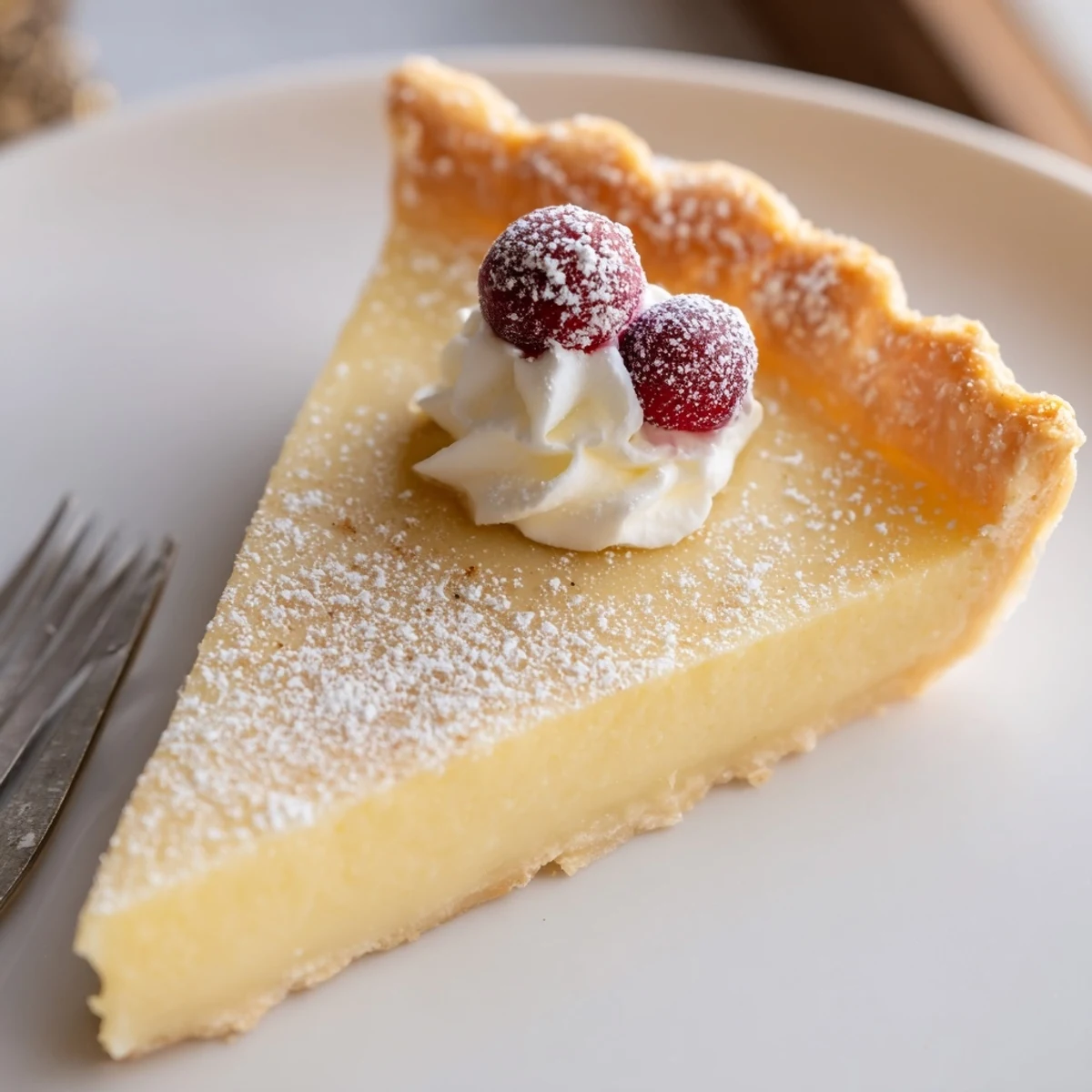
Here’s what I figured out: letting the pie cool completely before slicing makes the cleanest portions, and a sharp, thin knife dipped in warm water avoids any sticking. If you add that fine dusting of cinnamon and sugar right before serving, the top stays perfectly matte and beautiful.
Keeping Custard Pie Fresh
Loosely covering the cooled pie (not wrapping it tight) keeps the top from getting soggy and preserves the delicate flavors. Tucking away leftovers in the fridge makes for a dreamy breakfast, if you don’t mind breaking tradition.
Little Touches That Make It Festive
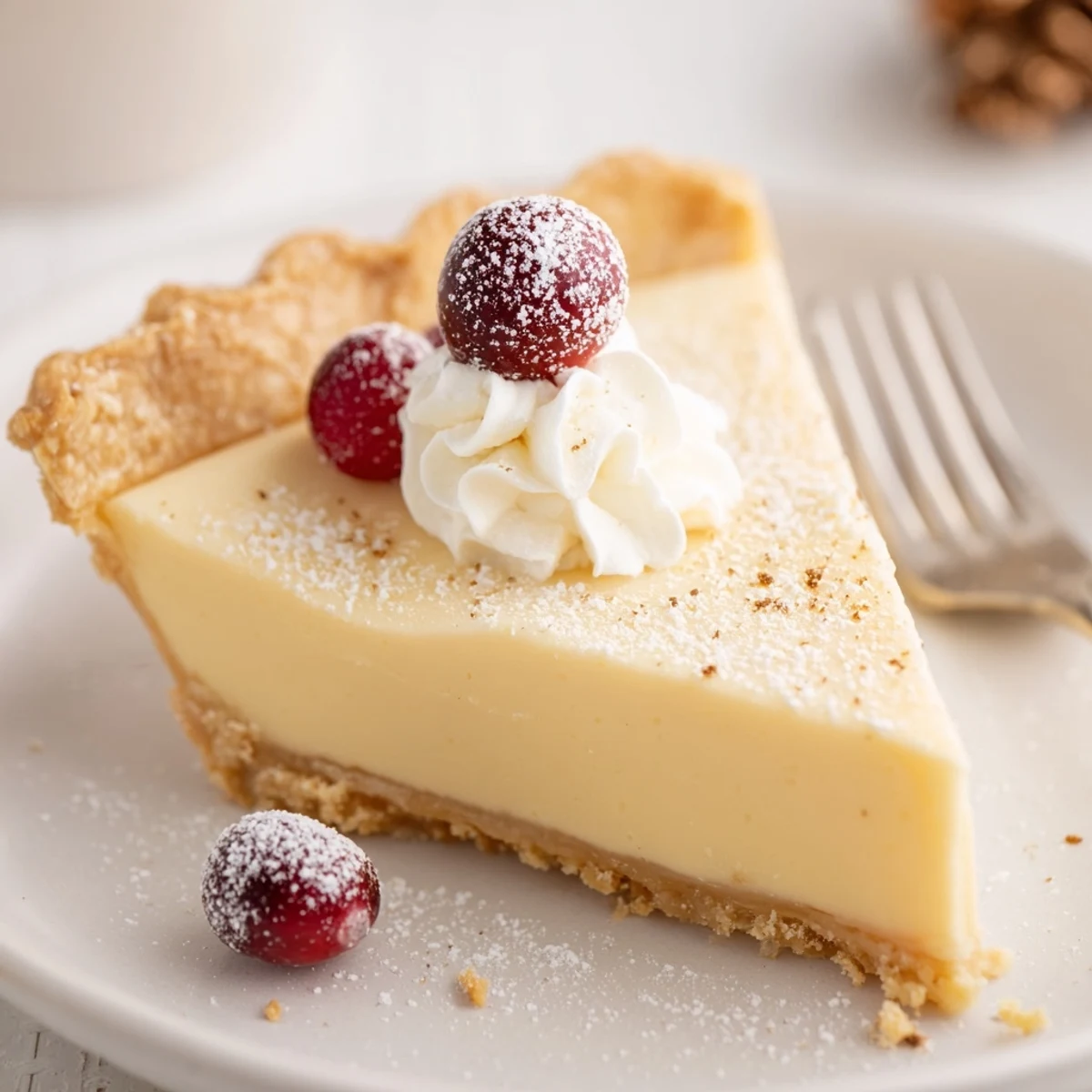
Sugared cranberries or a cloud of whipped cream instantly make this pie worthy of any Christmas table, though sometimes a simple cinnamon finish is all it needs. If you have a little edible glitter or gold dust, try a light sprinkle for sparkle.
- Let the pie chill fully, even if it’s hard to wait.
- Your cleanest slices come from a gentle, confident hand.
- Enjoy a piece quietly as the house wakes up (highly recommended).
 Save to Pinterest
 This pie, with its lush simplicity and warming aroma, has a way of carrying the spirit of a cozy Christmas Eve into every bite. Here’s to more small moments around the table, filled with laughter and a little extra cinnamon.
Recipe FAQs
- → How do I prevent curdling when combining eggs and hot milk?
-
Warm the milk and cream gently—do not boil. Temper the eggs by whisking a little warm dairy into the egg mixture gradually, then return the combined mix to the pan. This gradual temperature equalization keeps the curd smooth and silky.
- → Why should the custard be strained before baking?
-
Straining removes any coagulated bits or chalaza so the finished custard is uniformly smooth. It’s a small step that makes the texture velvety and avoids grainy pockets after baking.
- → How can I tell when the custard is properly set?
-
Bake until the edges are set and the center is slightly wobbly when you gently shake the pan. The custard will continue to firm as it cools; an internal temperature around 170–175°F indicates doneness without overcooking.
- → Can I use a pre-baked or gluten-free crust?
-
Yes. A pre-baked crust may reduce baking time slightly—watch the filling for the correct jiggle. For gluten-free crusts, bake according to that crust’s instructions and proceed with the same filling and baking cues.
- → How long should the pie chill before slicing?
-
Chill for at least 2 hours so the custard fully firms and slices cleanly. For best texture and flavor, chill longer—up to several hours or overnight—before serving.
- → What festive variations work well with this custard?
-
Garnish with sugared cranberries, a dollop of whipped cream, or a light dusting of powdered sugar and cinnamon. For deeper warmth, stir a splash of bourbon or brandy into the custard before baking.