
 Save to Pinterest
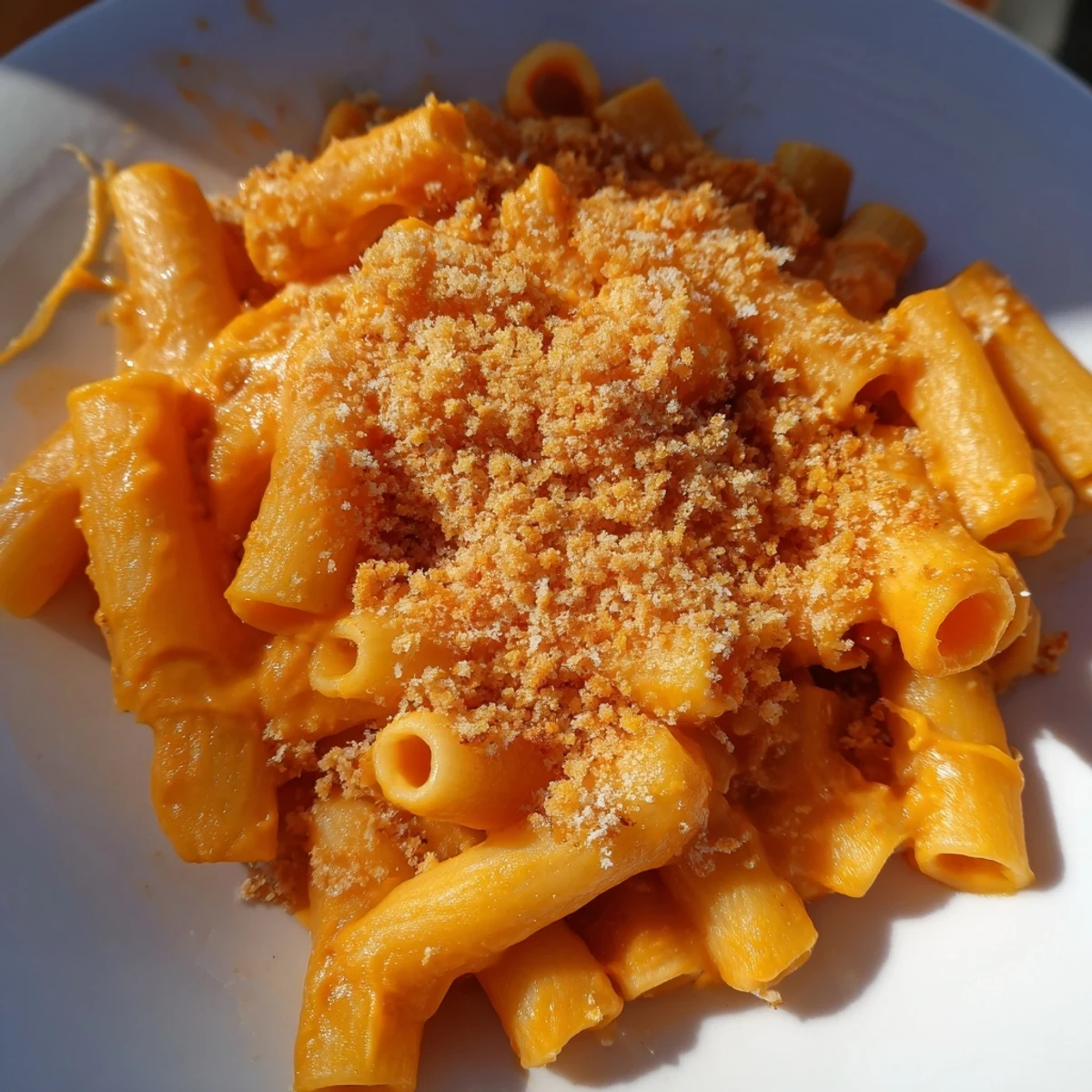
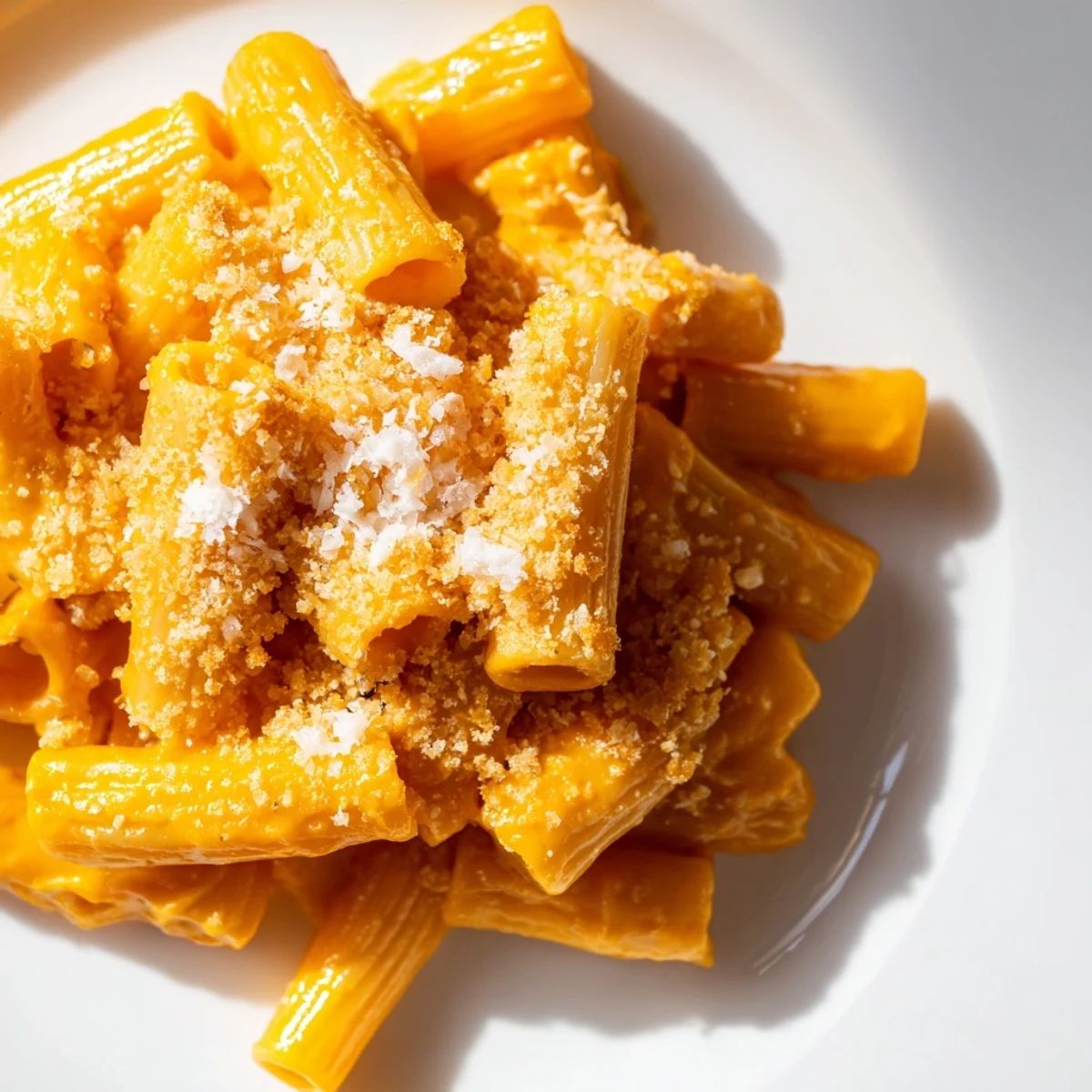
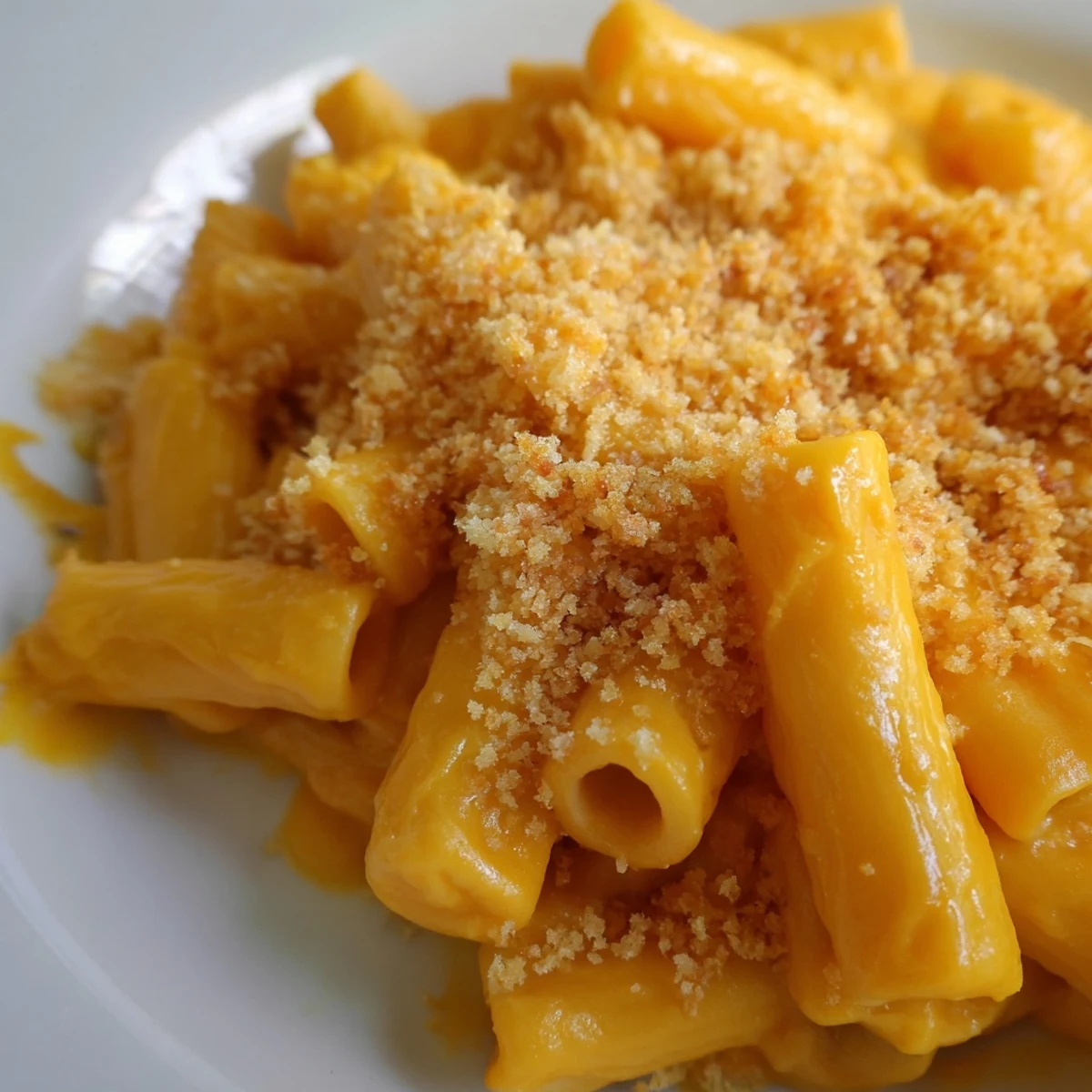
 This dish combines tender roasted butternut squash with smooth cheddar and Parmesan cheese in a creamy sauce. Elbow macaroni is cooked al dente and mixed with the velvety squash-cheese sauce, then topped with toasted panko and Parmesan for a golden crust. The nutmeg and mustard powder enhance flavor depth, creating a comforting and flavorful meal perfect for vegetarians seeking a rich, satisfying twist.
There's something about butternut squash that makes comfort food feel a little less guilty. I discovered this version on a chilly October afternoon when I had an abundance of roasted squash and a craving for mac and cheese that wouldn't quit. The moment I blended that sweet, earthy squash into the cheese sauce, I knew I'd stumbled onto something special—creamy, warming, and somehow more interesting than the version I'd been making for years.
I made this for my sister's dinner party last winter, and what struck me most wasn't the compliments, but watching everyone slow down and actually savor each bite. The conversation naturally drifted into comfortable silences between forks, the way it does when food is genuinely good and unassuming.
Ingredients
- Butternut squash (1 small, about 700 g): Buy one that feels heavy for its size and has a deep golden color; it should roast into pure sweetness in the oven.
- Macaroni or short pasta (300 g): Choose something with ridges that can catch the sauce; shapes like penne or rigatoni work beautifully here too.
- Unsalted butter (50 g): This is your roux base, so don't skip it or substitute with oil.
- All-purpose flour (40 g): It thickens the sauce and creates that velvety texture that makes you come back for more.
- Whole milk (500 ml): Full-fat milk makes this genuinely creamy; don't be tempted to use low-fat versions.
- Mature cheddar cheese (120 g): Look for aged cheddar with some bite to it; mild won't give you the depth this deserves.
- Parmesan cheese (50 g plus 20 g for topping): The salty, umami notes balance the squash's sweetness perfectly.
- Ground nutmeg (1/2 tsp): Just a whisper—too much turns it into pumpkin pie, which is not what we want here.
- Mustard powder (1/2 tsp): This subtle addition brightens the whole dish without announcing itself.
- Salt and black pepper: Season in layers as you cook, tasting as you go.
- Panko breadcrumbs (40 g): They stay crispy after baking and give you that satisfying contrast to the creamy pasta underneath.
- Olive oil: Use it to roast the squash and toast the breadcrumb topping.
Instructions
- Roast your squash to golden perfection:
- Preheat your oven to 200°C (400°F) and line a baking tray with parchment paper. Toss your butternut squash cubes with 1 tsp olive oil, a pinch of salt, and pepper, then spread them out in a single layer. They should roast for about 25 minutes until they're fork-tender and the edges are lightly caramelized.
- Get your pasta cooking:
- While the squash roasts, bring a large pot of salted water to a boil and cook your macaroni according to package instructions until it's just al dente—tender but with a slight bite. Drain it well and set it aside, but don't rinse it; the starch helps the sauce cling to it.
- Build your sauce base:
- Melt your butter in a large saucepan over medium heat, then add the finely chopped onion and minced garlic. Let them soften and become fragrant, about 3 to 4 minutes, stirring occasionally so nothing catches on the bottom. You're building flavor here, so take your time.
- Make a proper roux:
- Sprinkle the flour over the butter and vegetables, stirring constantly for about a minute to cook out the raw flour taste. This is the foundation of your sauce, so don't skip this step or rush it.
- Whisk in the milk slowly:
- Pour the milk in gradually while whisking constantly to prevent lumps from forming. Keep stirring over medium heat until the sauce thickens enough to coat the back of a spoon, usually around 5 minutes. It should look silky and smooth, not lumpy or thin.
- Blend in the roasted squash:
- Add your roasted butternut squash to the sauce and use an immersion blender to purée it until completely smooth, or carefully transfer everything to a regular blender and blend in batches. The squash should disappear into the sauce, making it creamy and slightly sweet.
- Finish with cheese and spices:
- Stir in your grated cheddar and Parmesan, then add the nutmeg, mustard powder, salt, and pepper. Taste as you go and adjust the seasoning to your preference; you want a sauce that's savory, slightly sweet, and deeply satisfying. Remove it from heat once the cheese has melted completely.
- Combine and transfer:
- Gently fold the cooked macaroni into the squash and cheese sauce until every piece is coated. Pour the mixture into a lightly greased baking dish, spreading it evenly.
- Make a crispy topping:
- Toss your panko breadcrumbs with 2 tsp olive oil and the remaining 20 g of Parmesan, mixing until it looks like coarse sand. Sprinkle this golden mixture evenly over the top of your pasta.
- Finish in the oven:
- Bake at 200°C (400°F) for about 15 minutes until the top is golden brown and the whole dish is bubbling at the edges. Let it rest for 5 minutes before serving, which gives it time to set slightly and makes it easier to portion.
 Save to Pinterest
 What I love most about this dish is how it bridges comfort and nutrition without pretending to be something it isn't. It's still indulgent, still cheesy, but the squash makes you feel like you've made a reasonable choice for dinner.
The Secret of the Squash
I spent years making traditional mac and cheese before realizing how one-dimensional it could be. The butternut squash doesn't try to hide itself; instead, it adds depth and a gentle sweetness that plays beautifully against sharp cheddar and nutty Parmesan. The first time you taste the difference, you'll wonder why this isn't the standard version everyone makes.
Why the Spices Matter
Nutmeg and mustard powder might sound like odd choices for mac and cheese, but they're the difference between something forgettable and something memorable. The nutmeg whispers warmth without making anyone ask what that flavor is, while the mustard powder sharpens everything and keeps the sauce from tasting one-note. These small additions are what elevate this from basic comfort food to something you'll actually crave.
Building on the Basics
This recipe is honestly a perfect foundation, and I've found it loves gentle additions. A handful of steamed broccoli stirred in adds color and nutrition, and a pinch of smoked paprika gives it a cozy depth. Some nights I add a dab of Dijon mustard to the sauce for extra punch, and fresh thyme never goes wrong either.
- Stir in steamed broccoli or spinach if you want to sneak in some greens without changing the flavor profile.
- A crisp green salad alongside cuts through the richness perfectly and makes a complete, satisfying meal.
- Leftovers reheat beautifully in the oven at a lower temperature, covered, so you'll have an easy lunch waiting for you.
 Save to Pinterest
 This is the kind of dinner that feels like a hug on a plate, the sort of meal that makes people linger at the table just a little longer. Make it once and it'll become a regular in your rotation.
Recipe FAQs
- → How do I roast butternut squash properly?
-
Cut the squash into even cubes, drizzle with olive oil, season with salt and pepper, and roast at 200°C (400°F) for about 25 minutes until tender and slightly browned.
- → Can I use other pasta types?
-
Yes, short pasta like penne or shells work well to hold the creamy sauce and toppings.
- → What cheeses create the best flavor balance?
-
Mature cheddar and Parmesan provide sharpness and depth; swapping in Gruyère adds a nuttier note.
- → How to get a crispy topping?
-
Mix panko breadcrumbs with olive oil and grated cheese, then sprinkle on top before baking to achieve a golden crust.
- → Any suggestions for added vegetables?
-
Steamed broccoli or fresh spinach stirred into the sauce adds vibrant color and extra nutrients.