
 Save to Pinterest
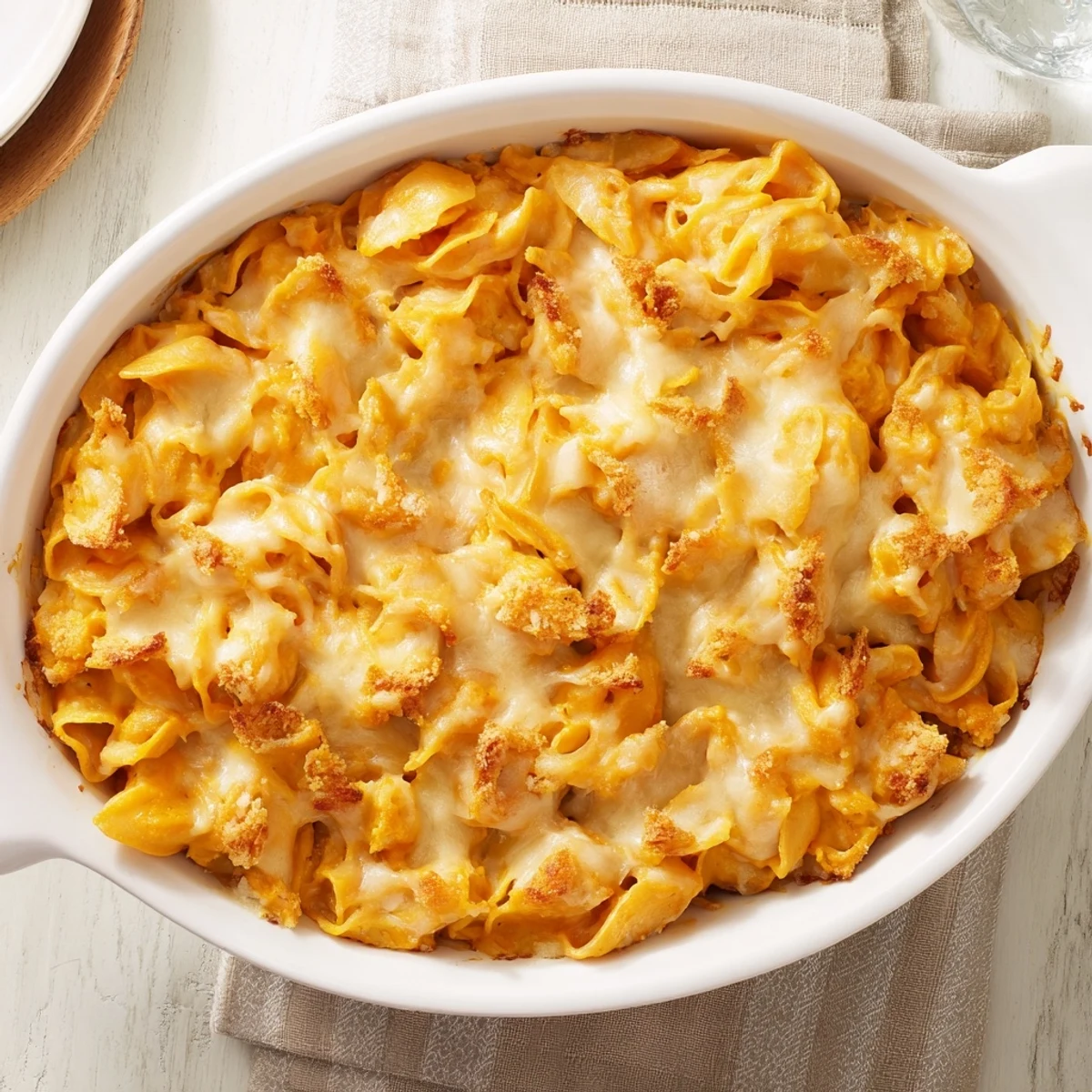
 This comforting dish blends roasted butternut squash with a smooth cheese sauce, coating tender elbow macaroni. A crispy parmesan-panko topping completes the bake, delivering rich flavors and creamy texture. Simple to prepare and perfect for a satisfying meal, it offers a delightful twist on classic creamy pasta dishes with added nutrition from the squash.
I still remember the first time I made butternut squash mac and cheese on a chilly October afternoon. I'd just come back from the farmer's market with a beautiful golden butternut squash, and I was determined to transform my usual weeknight comfort food into something that felt both nourishing and indulgent. That first bite—creamy, nutty, with just a hint of warmth from the nutmeg—changed how I thought about mac and cheese forever. Now, whenever the seasons shift and the air gets crisp, this is the dish I find myself craving and eager to make for anyone I can gather around my table.
I'll never forget cooking this for my sister's surprise dinner party when she mentioned missing proper comfort food. Watching everyone go back for seconds, then thirds, while the butternut squash stayed perfectly hidden in that silky sauce—that's when I knew this recipe had earned its permanent spot in my kitchen rotation.
Ingredients
- 300 g (10 oz) elbow macaroni or short pasta: Use good quality pasta—it holds the sauce better and actually tastes like something. I learned this the hard way after trying budget brands that turned to mush.
- 500 g (1 lb) butternut squash, peeled and cubed: This is your magic ingredient. The roasting caramelizes the natural sugars and makes the whole dish taste like autumn in a bowl. Buy one that feels heavy for its size.
- 1 tbsp olive oil: For tossing the squash. Nothing fancy needed here.
- Salt and pepper, to taste: Season the squash generously before roasting—this is where the flavor actually builds.
- 2 tbsp unsalted butter: Quality matters for the roux. Unsalted lets you control the saltiness of your whole dish.
- 2 tbsp all-purpose flour: Your thickening agent. Whisk it with the butter until it smells toasty—that's how you know you're building a proper foundation.
- 500 ml (2 cups) whole milk: Don't use low-fat here. The richness is what makes this feel luxurious and complete.
- 120 g (1 cup) sharp cheddar cheese, grated: This is your backbone. The sharpness cuts through the sweetness of the squash perfectly. Grate it fresh—pre-shredded has anti-caking agents that prevent smoothness.
- 60 g (½ cup) gruyère cheese, grated: This adds a sophisticated, slightly nutty note that transforms the dish from simple to restaurant-quality.
- 30 g (¼ cup) parmesan cheese, grated: Just enough to add that umami punch without overwhelming.
- ½ tsp ground nutmeg: This bridges the butternut and cheese beautifully. Don't skip it, even though it seems subtle.
- ½ tsp mustard powder (optional but recommended): A secret weapon that enhances all the other flavors without announcing itself. I always use it.
- 40 g (⅓ cup) panko breadcrumbs: For that golden, crispy topping that provides textural contrast. Panko stays crunchier than regular breadcrumbs.
- 1 tbsp melted butter: To bind and crisp the topping.
- 2 tbsp grated parmesan cheese: For the topping, to create that beautiful golden crust.
Instructions
- Get your oven ready and start roasting:
- Preheat your oven to 200°C (400°F) and line a baking tray with parchment paper. While it's heating, toss your butternut squash cubes with olive oil, salt, and pepper. Spread them out in a single layer—don't crowd the pan, or they'll steam instead of caramelize. You want them to roast for 20–25 minutes until they're completely fork-tender and the edges are golden brown and slightly caramelized. This is where the magic starts. The natural sugars concentrate and turn into something almost candy-like.
- Cook your pasta to al dente:
- While the squash roasts, bring a large pot of salted water to a rolling boil. Add your pasta and cook according to package instructions, but pull it out just before it feels completely soft—it should still have a tiny bit of firmness when you bite it. Drain it well and set it aside. This matters because it'll continue cooking slightly when mixed with the hot sauce.
- Blend the roasted squash into silk:
- Once your squash is cool enough to handle, transfer it to a blender or food processor. Add a splash of milk—about ¼ cup—and blend until it's completely smooth and creamy. This purée will become the secret heart of your sauce, adding both body and subtle sweetness. If you prefer a chunkier texture, you can skip this and just fold in the roasted pieces, but the blended version creates an almost velvety consistency that's worth the extra step.
- Build your roux base:
- In a large saucepan, melt butter over medium heat. Once it's foaming and golden, add your flour all at once. Whisk it constantly for 1–2 minutes. You're looking for it to smell toasty and slightly nutty—that's your signal that you've cooked out the raw flour taste. This foundation makes all the difference between a sauce that tastes floury and one that tastes silky.
- Create the creamy sauce:
- Gradually add your milk while whisking constantly. Don't rush this step—add it slowly, a little at a time, whisking to prevent lumps. Keep going until all the milk is incorporated and the sauce starts to thicken, about 5 minutes. You're looking for it to coat the back of a spoon.
- Add the butternut purée and cheese:
- Stir in your butternut squash purée, then add the sharp cheddar, gruyère, and parmesan. Stir gently until the cheeses are completely melted and the sauce is smooth and unified. Season with nutmeg and mustard powder. Taste it now—adjust with salt and pepper until it tastes exactly how you want it. This is your last chance to season properly.
- Combine pasta with sauce:
- Add your cooked pasta to the cheese sauce and stir until every piece is coated. The pasta should be glistening with sauce, almost swimming in it, because it'll absorb some moisture as it bakes.
- Transfer to the baking dish:
- Pour the entire mixture into a greased baking dish. Spread it out evenly. If you're preparing this ahead, you can cover and refrigerate at this point, but remember to add a few extra minutes to the baking time if it goes in cold.
- Make and apply the topping:
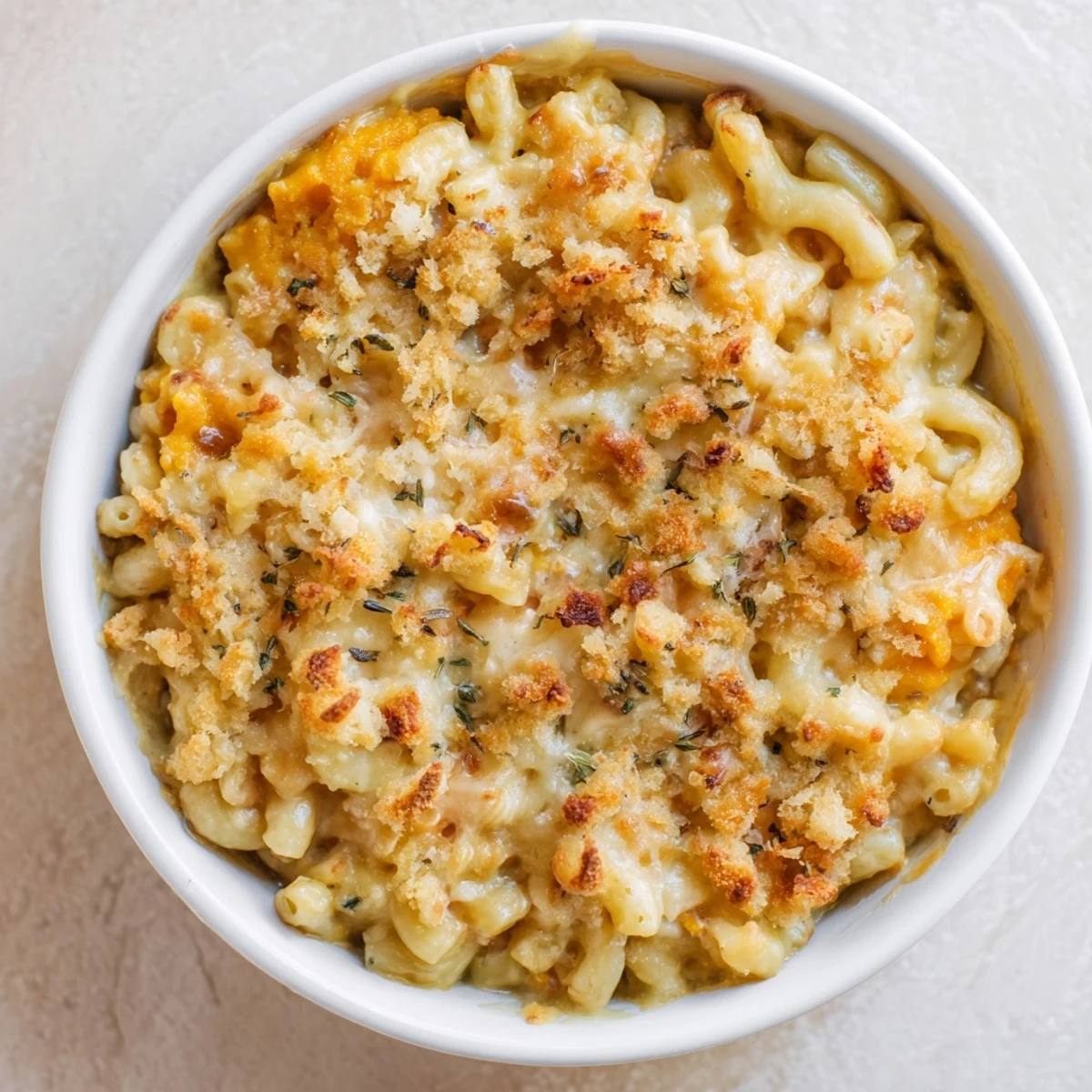
- In a small bowl, combine panko breadcrumbs, melted butter, and grated parmesan. Toss until the breadcrumbs are evenly coated and have a sandy texture. Sprinkle this mixture generously over the pasta. This topping will turn golden and crispy in the oven, creating that contrast between crunchy and creamy that makes the dish complete.
- Bake until golden and bubbling:
- Bake at 200°C (400°F) for 15 minutes or until the topping is golden brown and you can see the sauce bubbling around the edges. Don't overbake or the sauce can separate. Let it cool for just a few minutes before serving—it'll be molten and perfect.
 Save to Pinterest
 There's something sacred about making this dish for people you care about. I remember my nephew, who's notoriously picky, asking for seconds without even asking what was in it. When I finally told him about the butternut squash, he looked genuinely shocked. That moment—when comfort food transcends expectations and becomes something memorable—that's what keeps me making this over and over again.
What Makes This Different From Regular Mac and Cheese
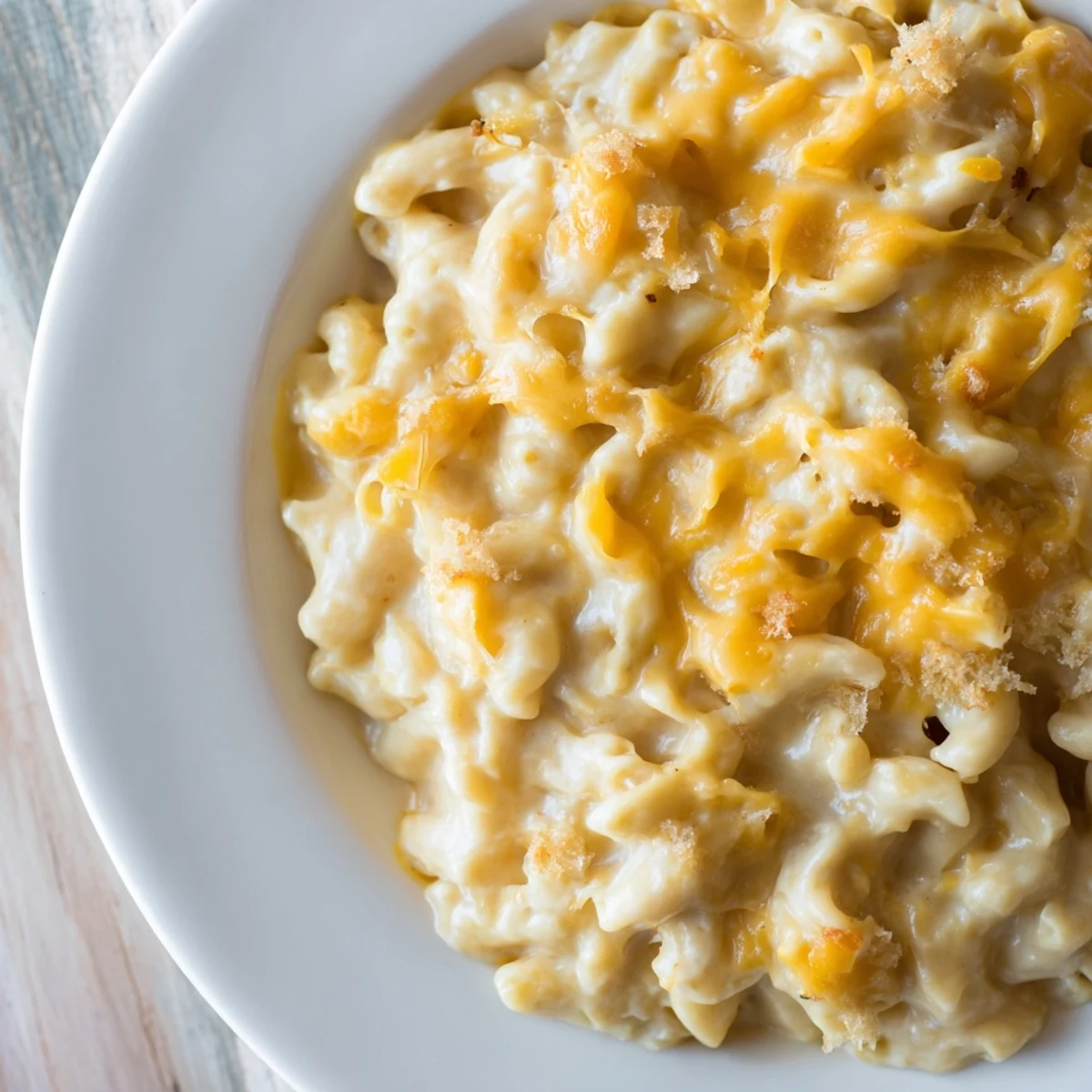
The butternut squash isn't just a vegetable addition here—it fundamentally changes what the dish is. It adds natural sweetness that balances the sharp cheddar, creates body and creaminess without needing extra cream, and brings a subtle earthiness that makes you feel like you're eating something nutritious, not just indulgent. The texture becomes velvety instead of thick, and the color is a warm golden-orange that's beautiful to look at. It's still absolutely a comfort food, but it feels like a more complete, satisfying kind of comfort.
Flavor Combinations That Work
The nutmeg and squash are a classic pairing—they understand each other in a way that feels inevitable once you taste it. The mustard powder doesn't make the dish taste like mustard at all. Instead, it enhances all the other flavors, making the cheese more pronounced and the squash more complex. The gruyère and sharp cheddar combination is important too. Cheddar alone would be good, but gruyère adds a sophistication that elevates the whole thing. If you ever find yourself thinking this is just okay, it's usually one of these flavor components that got lost.
Tips for Making This Ahead and Troubleshooting
This dish actually tastes even better if you make it a few hours ahead. The flavors meld and deepen, and the pasta absorbs the sauce more evenly. Assemble it completely, cover it with foil, and refrigerate. When you're ready to bake, remove the foil and add about 5 extra minutes to the baking time since it'll be cold. If your sauce ever breaks or becomes grainy, it's usually because the heat was too high or the cheese was added too quickly. If this happens, remove it from heat, let it cool slightly, and whisk in a splash of cold milk to bring it back together. Once everything is in the baking dish, don't be tempted to stir it while it bakes—let the oven do its work and the heat will set everything beautifully.
- Make it gluten-free by swapping regular pasta and flour for their GF counterparts—the rest stays exactly the same
- Add a handful of crispy sage or thyme to the breadcrumb topping for herbal depth
- If you love greens, sauté some spinach separately and fold it in with the pasta—it won't water down the sauce
 Save to Pinterest
 This recipe has become my go-to for when I want to feel like I'm taking care of people I love, or just taking care of myself on a difficult day. It's the kind of food that feels like a hug, but tastes like you spent all day in the kitchen when you really didn't.
Recipe FAQs
- → What pasta works best for this dish?
-
Elbow macaroni or any short pasta shapes hold the sauce well, providing a balanced texture and bite.
- → Can I substitute the cheeses in the sauce?
-
Yes, swapping gruyère for mozzarella gives a milder flavor while maintaining creaminess.
- → How long should the butternut squash be roasted?
-
Roast for 20-25 minutes until the squash is fork-tender and caramelized for optimal sweetness.
- → Is it possible to make this dish gluten-free?
-
Absolutely—use gluten-free pasta and substitute regular flour with a gluten-free alternative for the roux.
- → What side dishes pair well with this bake?
-
A crisp white wine like Chardonnay complements the creamy texture, and sautéed spinach or peas add a fresh veggie touch.