
 Save to Pinterest
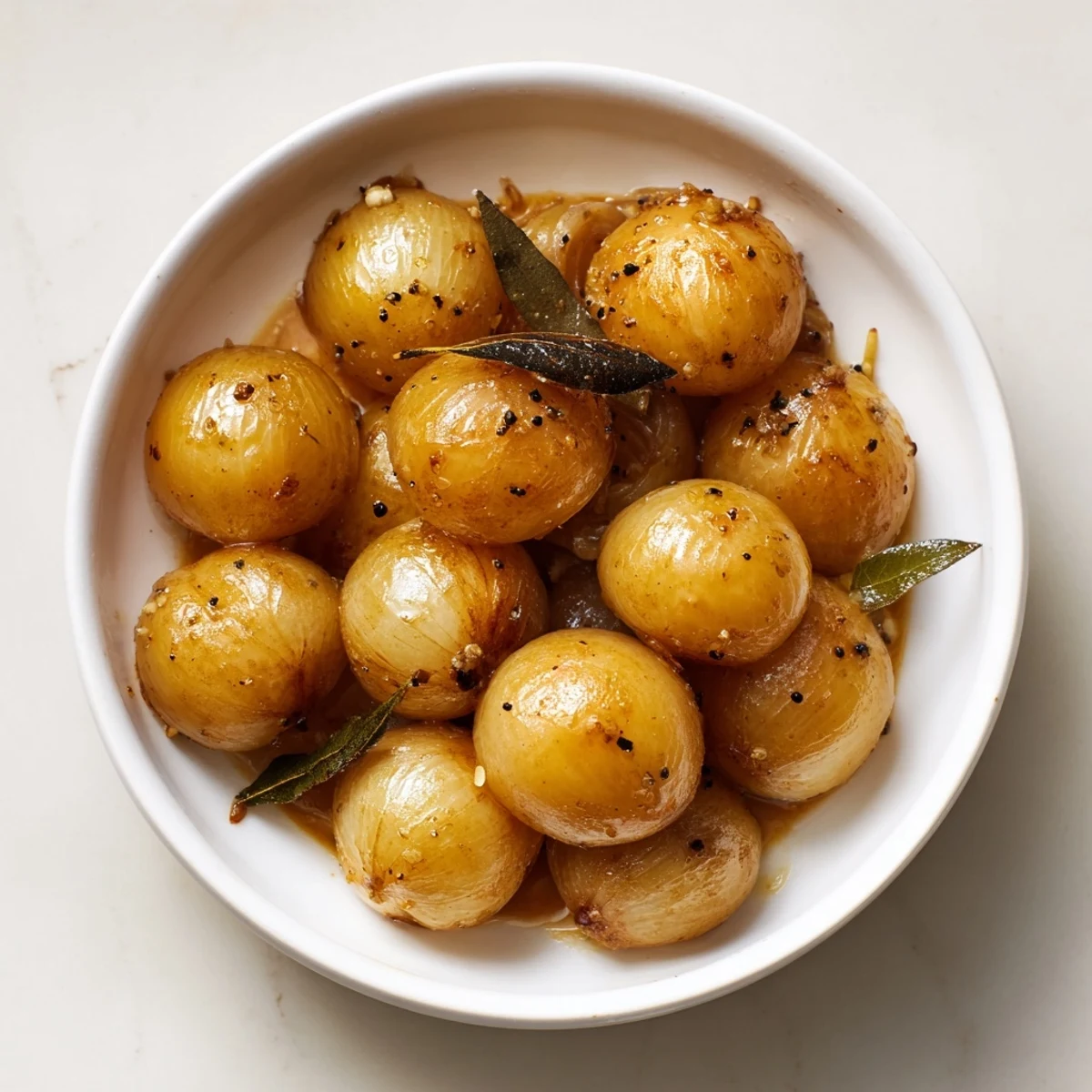
 This dish features tender pearl onions slowly cooked in a rich buttery and broth mixture until golden and glazed. The cooking process involves sautéing the onions with butter and olive oil, seasoning with sugar, salt, and pepper, then simmering in broth infused with thyme and bay leaf. The result is a flavorful, tender side that complements roasts and festive meals, bringing out the sweetness and depth of the onions through slow, gentle cooking.
I burned my first batch of braised onions because I thought higher heat would speed things up. The kitchen smelled like caramel and regret. A friend who grew up in Lyon laughed and said her grandmother would turn them every few minutes, low and slow, like a meditation. I tried again the next night and finally understood why something so simple could taste so rich.
I started making these every Sunday when my partner mentioned missing the kind of food his mother used to serve at holiday dinners. He didnt ask for it, but the first time I brought the pan to the table, he got quiet and then smiled. Now its our tradition, even on random weeknights when we need something that feels like care.
Ingredients
- Pearl onions: Small and sweet, they hold their shape beautifully during braising. Peeling them is tedious, but blanching in boiling water for 30 seconds makes the skins slip right off.
- Unsalted butter: It adds richness and helps the onions caramelize without burning. I always use unsalted so I can control the seasoning myself.
- Olive oil: Mixed with butter, it keeps the fat from browning too fast and adds a subtle fruity note.
- Vegetable or chicken broth: This is what makes them tender from the inside out. I prefer chicken broth for depth, but vegetable works just as well.
- Sugar: Just a teaspoon coaxes out the natural sweetness and helps with that glossy glaze at the end.
- Salt and black pepper: Simple seasoning that lets the onion flavor shine through.
- Bay leaf: It adds a quiet herbal backbone. Dont skip it, even if it seems small.
- Fresh thyme: The earthiness of thyme is perfect with onions. Dried works in a pinch, but fresh sprigs are worth it.
Instructions
- Start with the fat:
- Melt the butter and olive oil together over medium heat until the butter foams and settles. The pan should feel warm, not screaming hot.
- Brown the onions gently:
- Add the peeled onions and let them cook undisturbed for a minute, then stir every so often until they turn golden in spots. This takes about five minutes and builds flavor you cant get back later.
- Season and add liquid:
- Sprinkle the sugar, salt, and pepper over the onions, toss to coat, then pour in the broth and tuck in the bay leaf and thyme. The pan will sizzle and smell incredible.
- Braise low and covered:
- Bring everything to a gentle simmer, then lower the heat and cover the pan. Let it cook for 25 to 30 minutes, stirring once or twice, until the onions are soft and most of the liquid is gone.
- Glaze and finish:
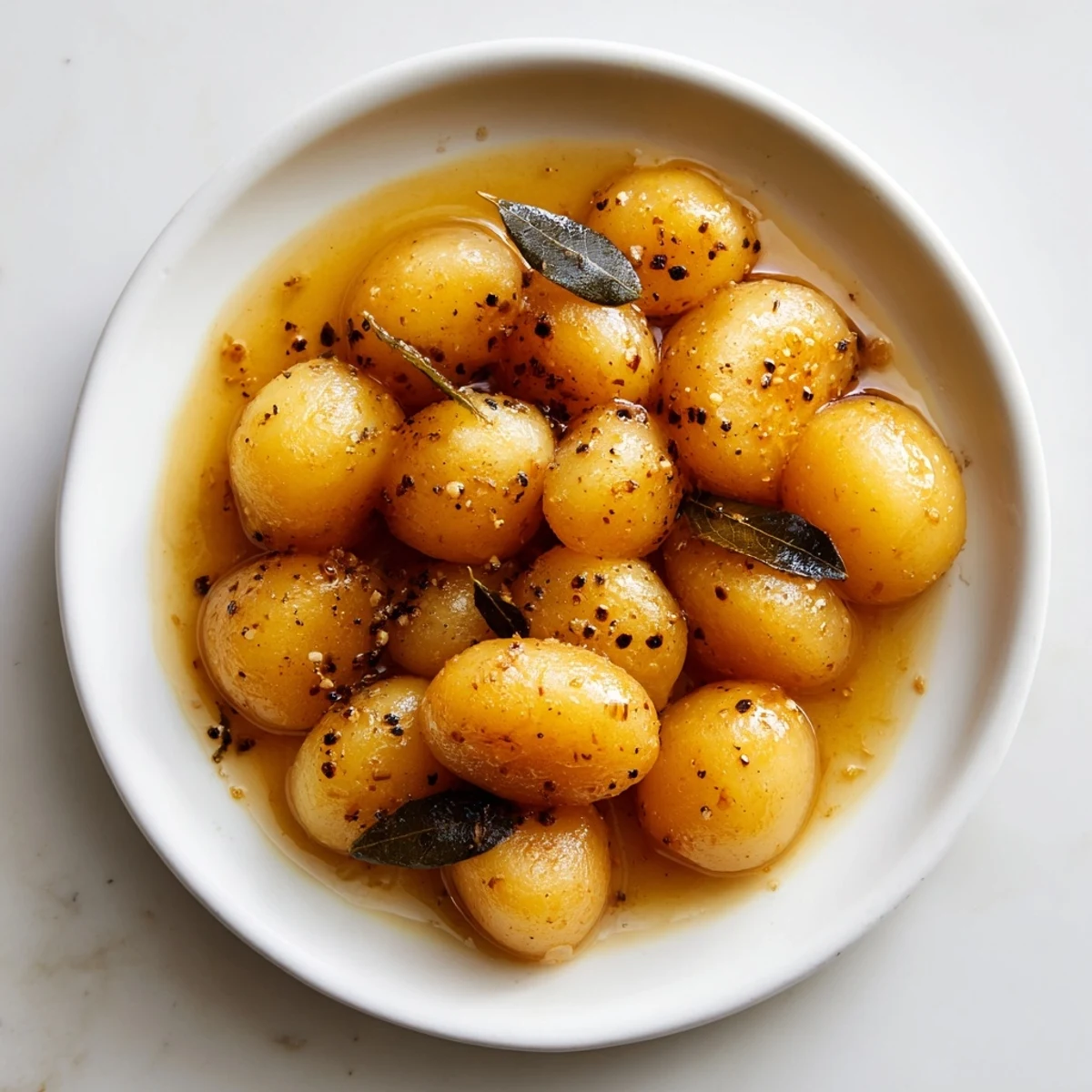
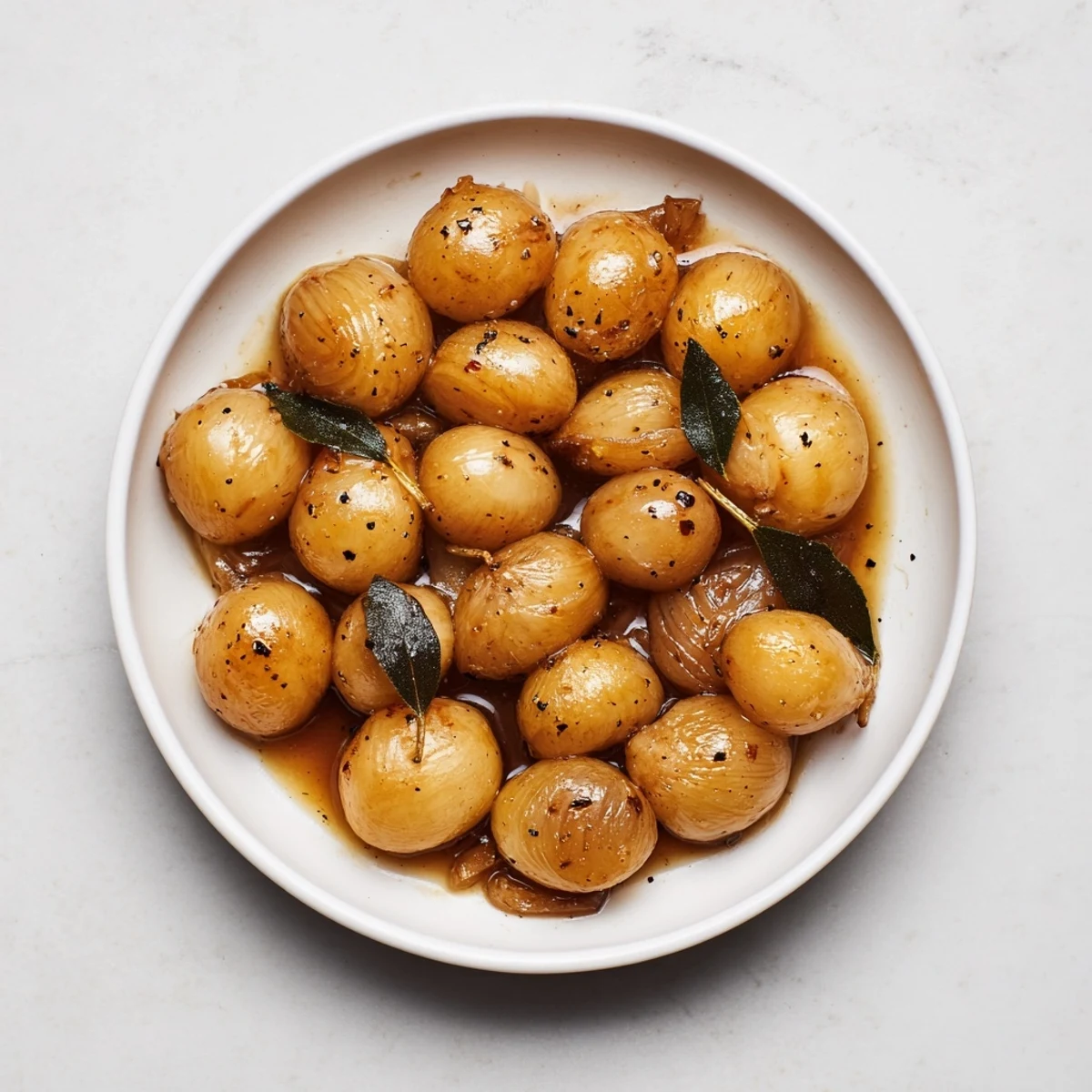
- Remove the lid, turn the heat back up to medium, and cook for another few minutes, shaking the pan now and then. The onions will turn glossy and golden. Pull out the bay leaf and thyme sprigs before serving.
 Save to Pinterest
 The first time I served these at Thanksgiving, my aunt asked for the recipe three times before dessert. She said they reminded her of something her own mother used to make, though she couldnt remember the name. Sometimes food does that, fills in gaps we didnt know were there.
What to Serve Them With
These onions belong next to anything roasted, especially chicken, beef, or lamb. I also love them on a cheese board, spooned over creamy polenta, or tucked into a grain bowl with roasted vegetables. Theyre fancy enough for guests but easy enough for a Tuesday.
How to Store and Reheat
Let them cool completely, then store in an airtight container in the fridge for up to four days. Reheat gently in a pan with a tiny splash of broth or butter. They lose a little gloss but none of the flavor. I sometimes eat them cold, straight from the container, with a piece of bread.
Ways to Make Them Your Own
Once you get the technique down, you can play around. Add a splash of white wine or sherry with the broth for brightness. Toss in a handful of raisins or dried cranberries in the last few minutes for sweetness. Finish with a drizzle of balsamic vinegar or a sprinkle of fresh parsley.
- Try cipollini or shallots if you cant find pearl onions.
- Use vegan butter and vegetable broth to keep it plant based.
- A pinch of smoked paprika adds warmth without changing the dish too much.
 Save to Pinterest
 Theres something about a dish this simple that feels like a small act of generosity. It doesnt demand much, but it gives back every time.
Recipe FAQs
- → What type of onions are best for this dish?
-
Pearl onions are ideal due to their size and sweetness, but shallots or cipollini onions can be good substitutes.
- → Can I use vegetable broth instead of chicken broth?
-
Yes, vegetable broth works well to keep the dish vegetarian and equally flavorful.
- → How do I know when the onions are done?
-
The onions should be tender and mostly all the broth absorbed, with a golden glaze after the final cooking stage.
- → What cooking tools are needed?
-
A large skillet or sauté pan for even cooking and a wooden spoon for gentle stirring are recommended.
- → Can I add wine for more depth of flavor?
-
Yes, a splash of white wine added with the broth enhances the richness and aroma of the dish.
- → Is this dish suitable for gluten-free diets?
-
Yes, as long as the broth used is gluten-free, this dish naturally fits gluten-free needs.