
 Save to Pinterest
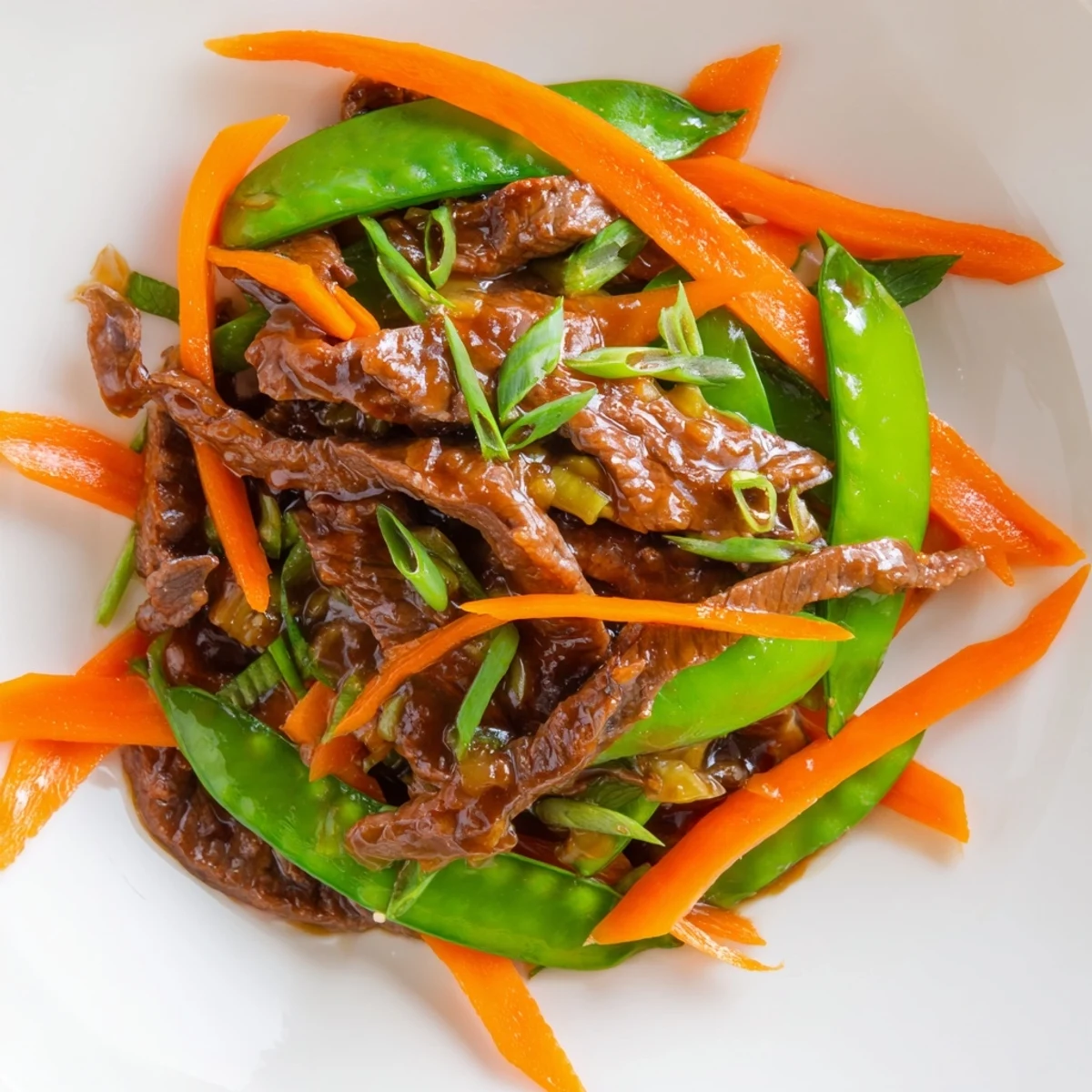
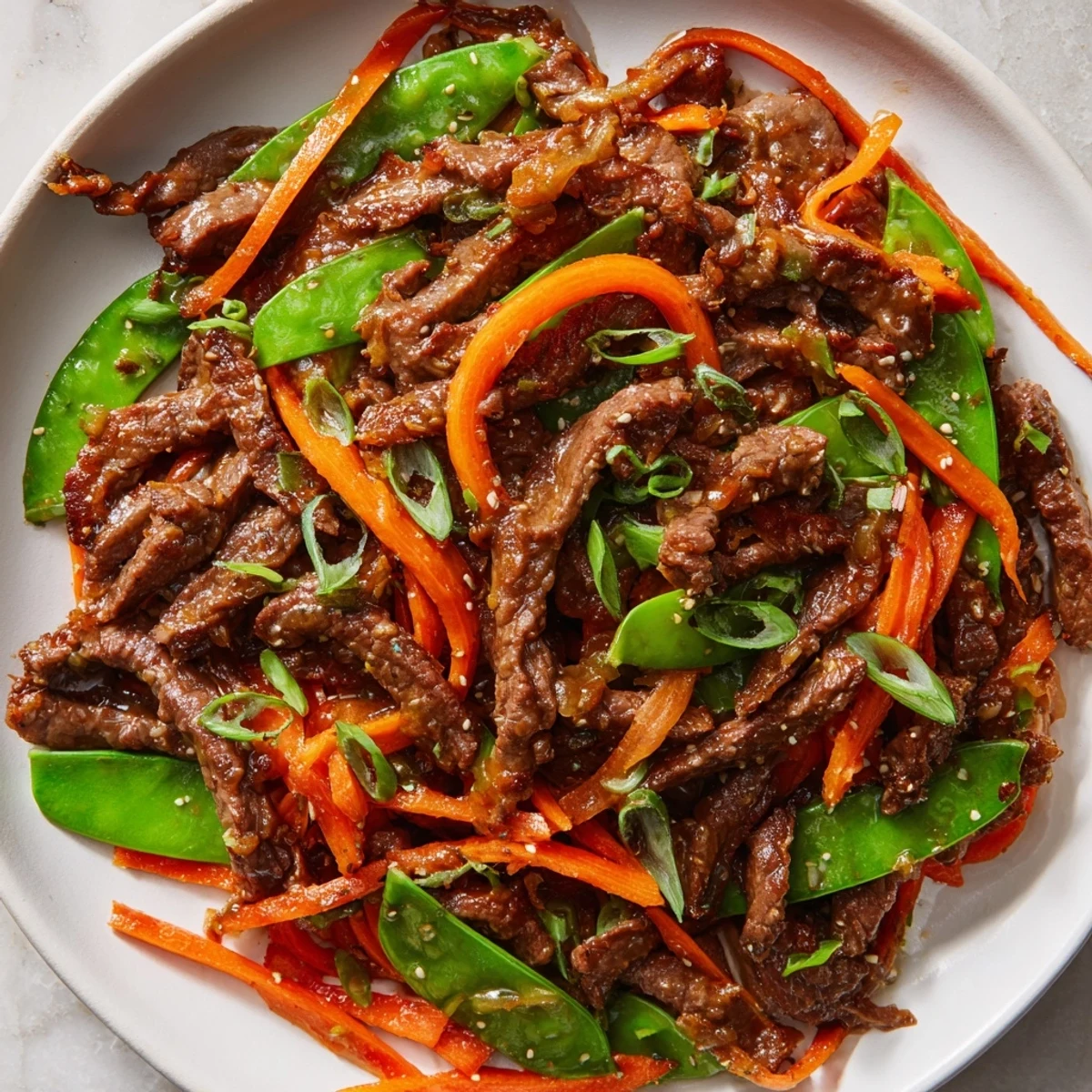
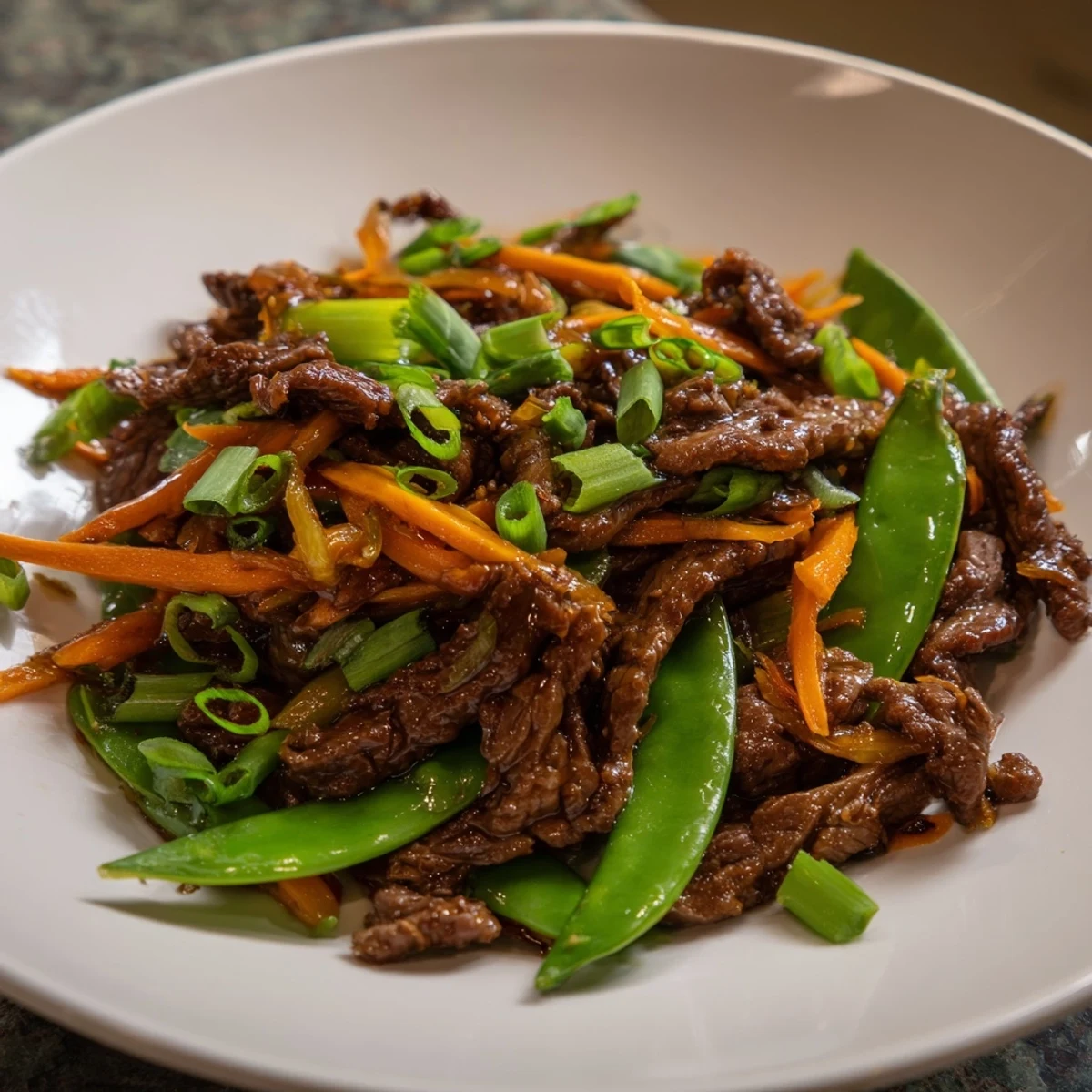
 This dish features thinly sliced beef quickly seared and tossed with vibrant snow peas, julienned carrots, and aromatic garlic and ginger. A balanced sauce of soy, oyster, hoisin, rice vinegar, and spices adds a rich, savory depth. Cooked in a hot wok for perfect texture, this meal is ideal for a fast, flavorful main course. Garnished with spring onion greens, it pairs well with steamed rice and offers options for dietary adjustments.
I was standing at the stove on a Tuesday night, exhausted and hungry, when I realized I had twenty minutes before everyone got home. I grabbed what was in the crisper, sliced some beef I'd defrosted that morning, and let the wok do the rest. The sizzle of garlic hitting hot oil snapped me back to life, and by the time I plated it, I couldn't believe something that fast could taste that good.
The first time I made this for my sister, she looked at me skeptically when I said it took twelve minutes. She timed me. When I plated it at eleven minutes and forty seconds, she laughed and asked for the recipe on the spot. Now she makes it every week, sometimes with chicken, sometimes with extra chili oil, always with that same disbelief that something this simple works every time.
Ingredients
- Flank steak or sirloin: Slice it thin against the grain or it will chew like rubber, a lesson I learned the hard way my first attempt.
- Soy sauce: This shows up twice, once in the marinade to tenderize the beef, once in the sauce for depth and salt.
- Cornstarch: It gives the beef a velvety coating and helps the sauce cling instead of pooling at the bottom of the bowl.
- Sesame oil: Just a teaspoon in the marinade adds a nutty warmth you will notice in every bite.
- Snow peas: They stay bright green and snappy if you don't overcook them, so watch the clock closely.
- Carrots: Julienne them thin so they cook at the same speed as the snow peas.
- Spring onions: The white parts go in early for sweetness, the green parts at the end for color and bite.
- Garlic and ginger: Mince them fresh, the jarred stuff just does not have the same punch.
- Oyster sauce: This is where the umami lives, rich and slightly sweet without being cloying.
- Hoisin sauce: It adds a hint of sweetness and complexity that rounds out the soy and oyster.
- Rice vinegar: A tablespoon brightens everything and keeps the sauce from feeling flat.
- Sugar: Just enough to balance the salt and acid, not enough to make it taste like dessert.
- Black pepper: Freshly ground makes a difference, especially when the sauce reduces and concentrates.
- Vegetable oil: High smoke point oil is essential for the high heat you need to sear the beef properly.
Instructions
- Marinate the beef:
- Toss the sliced beef with soy sauce, cornstarch, and sesame oil in a bowl, making sure every piece is coated. Let it sit for ten minutes while you prep everything else, the cornstarch will start to work its magic.
- Mix the sauce:
- Whisk together soy sauce, oyster sauce, hoisin, rice vinegar, water, sugar, and black pepper in a small bowl. Set it within reach of the stove so you are not scrambling later.
- Sear the beef:
- Heat one tablespoon of oil in your wok over high heat until it shimmers, then add the beef in a single layer. Let it sear undisturbed for a minute or two per side until browned, then pull it out and set it aside.
- Build the aromatics:
- Add the second tablespoon of oil, then toss in garlic, ginger, and the white parts of the spring onions. Stir for thirty seconds until your kitchen smells incredible.
- Cook the vegetables:
- Toss in the carrots and stir fry for two minutes, then add the snow peas and cook another minute or two. They should still have a crisp snap when you bite into them.
- Bring it together:
- Return the beef to the wok, pour in the sauce, and toss everything together for a minute or two until the sauce thickens and clings to the beef and vegetables. Do not overcook or the beef will turn tough.
- Finish and serve:
- Scatter the green parts of the spring onions over the top and serve immediately over steamed rice. The sauce will soak into the rice and make every bite perfect.
 Save to Pinterest
 One night I made this for a friend who swore she hated vegetables. She ate two servings, then admitted the snow peas tasted nothing like the mushy ones she remembered from school lunches. Sometimes all it takes is the right heat and the right timing to change someone's mind about an ingredient they thought they knew.
Swaps and Substitutions
If you do not have flank steak, sirloin works just as well, and I have even used skirt steak in a pinch. Chicken thighs are a great swap if you are not in the mood for beef, just slice them thin and cook them the same way. For a vegetarian version, use firm tofu pressed dry and seared until golden, it soaks up the sauce beautifully. If you need this gluten free, swap regular soy sauce for tamari and check your hoisin and oyster sauce labels, or use gluten free versions.
Serving Suggestions
I always serve this over steamed jasmine rice, the grains soak up the sauce and make every bite satisfying. Sometimes I toss in a handful of chopped cilantro at the end for brightness, or drizzle chili oil over the top if I want heat. Leftover stir fry reheats well in a hot skillet the next day, though it never lasts that long in my house. If you want to stretch it further, double the vegetables and keep the beef the same, it still tastes full and hearty.
Storage and Make Ahead Tips
You can slice and marinate the beef up to a day ahead, just cover it and keep it in the fridge until you are ready to cook. The sauce also keeps in a jar in the fridge for up to a week, so you can make a double batch and have it ready for next time. Leftovers store in an airtight container for up to three days, though the vegetables lose some of their crispness after the first day.
- Reheat gently in a hot skillet, not the microwave, to keep the texture from going mushy.
- If you are meal prepping, cook the beef and vegetables separately and combine them just before serving.
- Freeze the marinated beef for up to two months, thaw it in the fridge overnight before cooking.
 Save to Pinterest
 This dish taught me that good food does not have to take hours or a long list of ingredients. Sometimes all you need is high heat, fresh vegetables, and the confidence to trust your instincts.
Recipe FAQs
- → What cut of beef works best?
-
Flank steak or sirloin thinly sliced against the grain ensures tender, quick cooking results.
- → How do I keep vegetables crisp?
-
Stir-fry the snow peas and carrots briefly over high heat to retain their natural crunch.
- → Can I adjust the sauce flavors?
-
Yes, balance sweetness and acidity by adjusting sugar or vinegar quantities to your taste.
- → What alternatives exist for soy sauce?
-
Tamari is a great gluten-free substitute that maintains the umami flavor.
- → How to enhance spiciness?
-
Add red pepper flakes or a dash of chili oil during cooking for extra heat.