
 Save to Pinterest
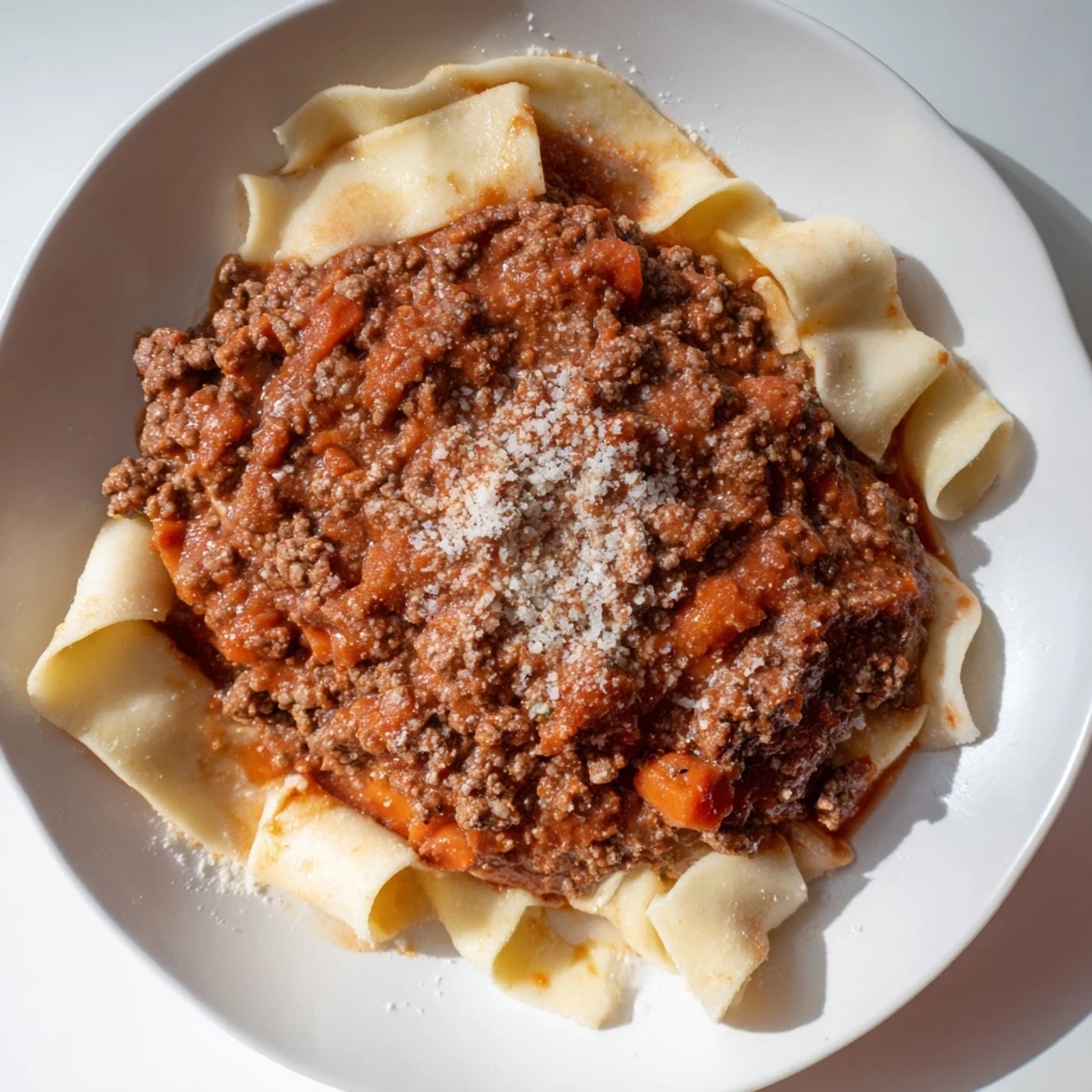
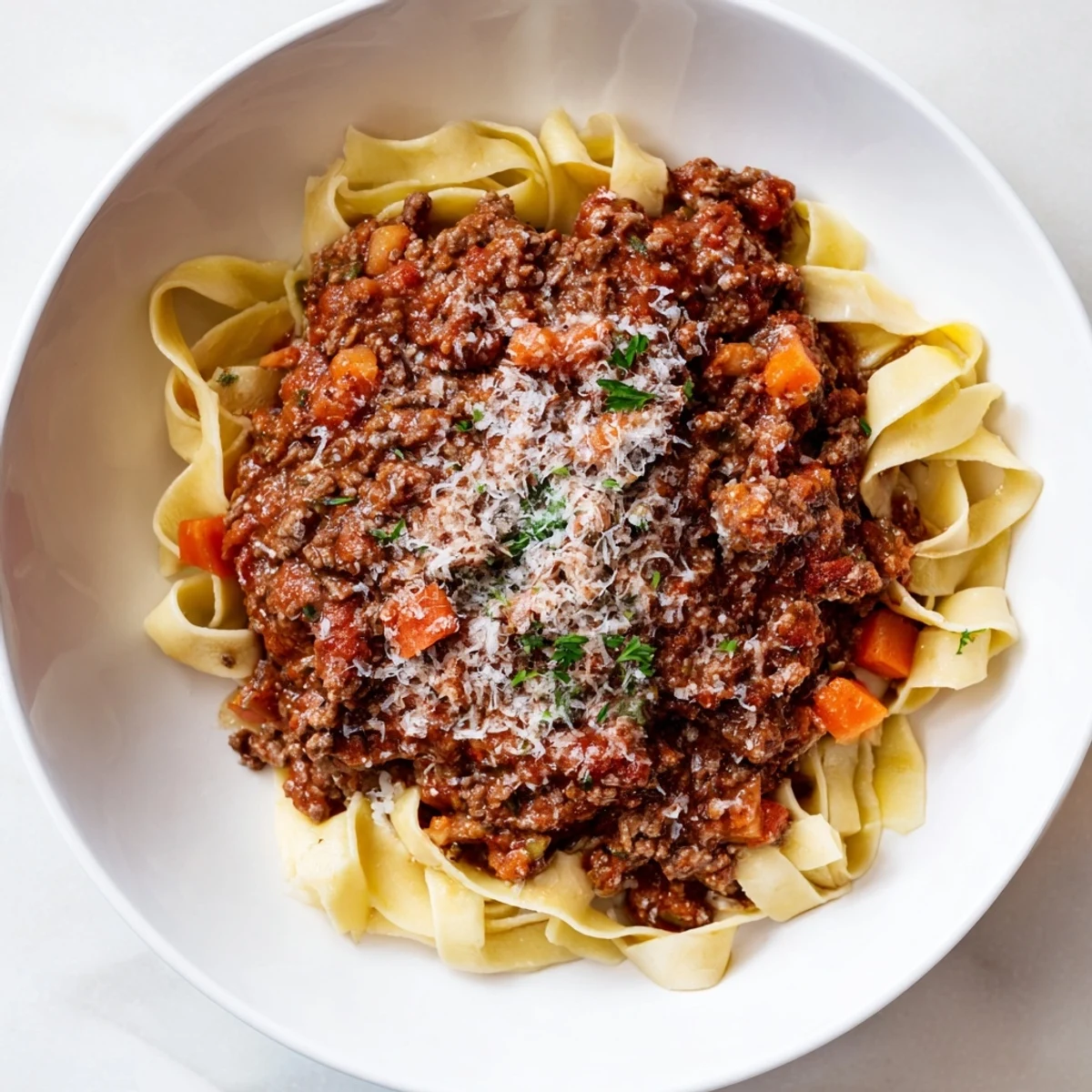
 This Italian beef Bolognese sauce combines ground beef with sautéed vegetables, red wine, and crushed tomatoes, simmered slowly for deep flavor. Aromatic seasonings like oregano, bay leaf, garlic, and nutmeg enrich the sauce, while a splash of milk adds creaminess. It pairs beautifully with tagliatelle or pappardelle and finishes perfectly topped with freshly grated Parmesan cheese. Preparing the sauce ahead allows flavors to meld for an even richer taste experience.
The kitchen smelled like someone's nonna had moved in. I was attempting Bolognese on a rainy Tuesday with no plan and a pound of beef that needed using. What started as dinner became a two-hour meditation, the kind where you stop checking your phone and just stir.
I made this for friends once, thinking it was too plain to impress. They went quiet after the first bite, then someone said it tasted like a trip they took to Bologna. I hadn't been, but the sauce had.
Ingredients
- Ground beef: An 80/20 blend gives you enough fat to keep everything moist without turning the pot into an oil slick, and it browns beautifully without drying out.
- Onion, carrots, celery: This trio is called soffritto, and it builds a sweet, earthy base that makes the whole sauce feel layered and complete instead of just meaty.
- Garlic: Add it after the soffritto softens so it perfumes the oil without burning and turning bitter.
- Red wine: It cuts through the richness and adds a deep, slightly tangy backbone that tomatoes alone cannot provide.
- Canned whole tomatoes: Crush them by hand so you control the texture, leaving some chunks for body and some pulp for silkiness.
- Tomato paste: Two tablespoons deepen the color and concentrate the tomato flavor without adding more liquid.
- Whole milk: Stirred in near the end, it mellows the acidity and gives the sauce a velvety richness that feels indulgent.
- Olive oil: Just enough to coax the vegetables into softening without making the base greasy.
- Oregano, bay leaf, salt, pepper, nutmeg: Classic Italian aromatics that make the sauce smell like it has been simmering in a stone villa for generations.
- Parmesan and pasta: The final act, where all that patient cooking gets twirled onto a fork and becomes dinner.
Instructions
- Start with the soffritto:
- Heat olive oil over medium heat and add the onion, carrot, and celery. Let them cook slowly for 6 to 8 minutes until they turn soft and translucent, stirring occasionally so nothing sticks or browns too fast.
- Add the garlic:
- Stir in the minced garlic and cook for just one minute until it smells sweet and sharp. Do not let it brown or it will taste bitter.
- Brown the beef:
- Add the ground beef and break it apart with a wooden spoon, spreading it across the pot. Let it cook for 8 to 10 minutes until no pink remains and some bits turn golden at the edges.
- Deglaze with wine:
- Pour in the red wine and scrape up all the browned bits stuck to the bottom of the pot. Let it simmer for 2 to 3 minutes until the liquid reduces and the alcohol smell fades.
- Build the sauce:
- Stir in the tomato paste, crushed tomatoes, oregano, bay leaf, salt, pepper, and nutmeg if using. Mix everything together until the paste dissolves and the sauce looks uniform.
- Simmer low and slow:
- Turn the heat to low, partially cover the pot, and let it simmer gently for 1.5 hours. Stir every 20 minutes or so to keep the bottom from sticking.
- Finish with milk:
- Stir in the whole milk and continue simmering uncovered for 20 more minutes. The sauce will turn silky and the flavors will settle into something rounder and softer.
- Serve:
- Fish out the bay leaf, taste for salt, and spoon the sauce over cooked pasta. Top with freshly grated Parmesan and serve hot.
 Save to Pinterest
 One night I reheated leftovers and ate them standing at the stove with a piece of bread. It tasted better than it had the first time, richer and more settled, like the flavors had spent the night getting to know each other.
Make It Your Own
Swap half the beef for ground pork to get closer to a traditional ragù, which adds a subtle sweetness and a little more fat. Some people use pancetta or bacon at the start for a smoky undertone, and it works if you want something a bit bolder.
What to Serve It With
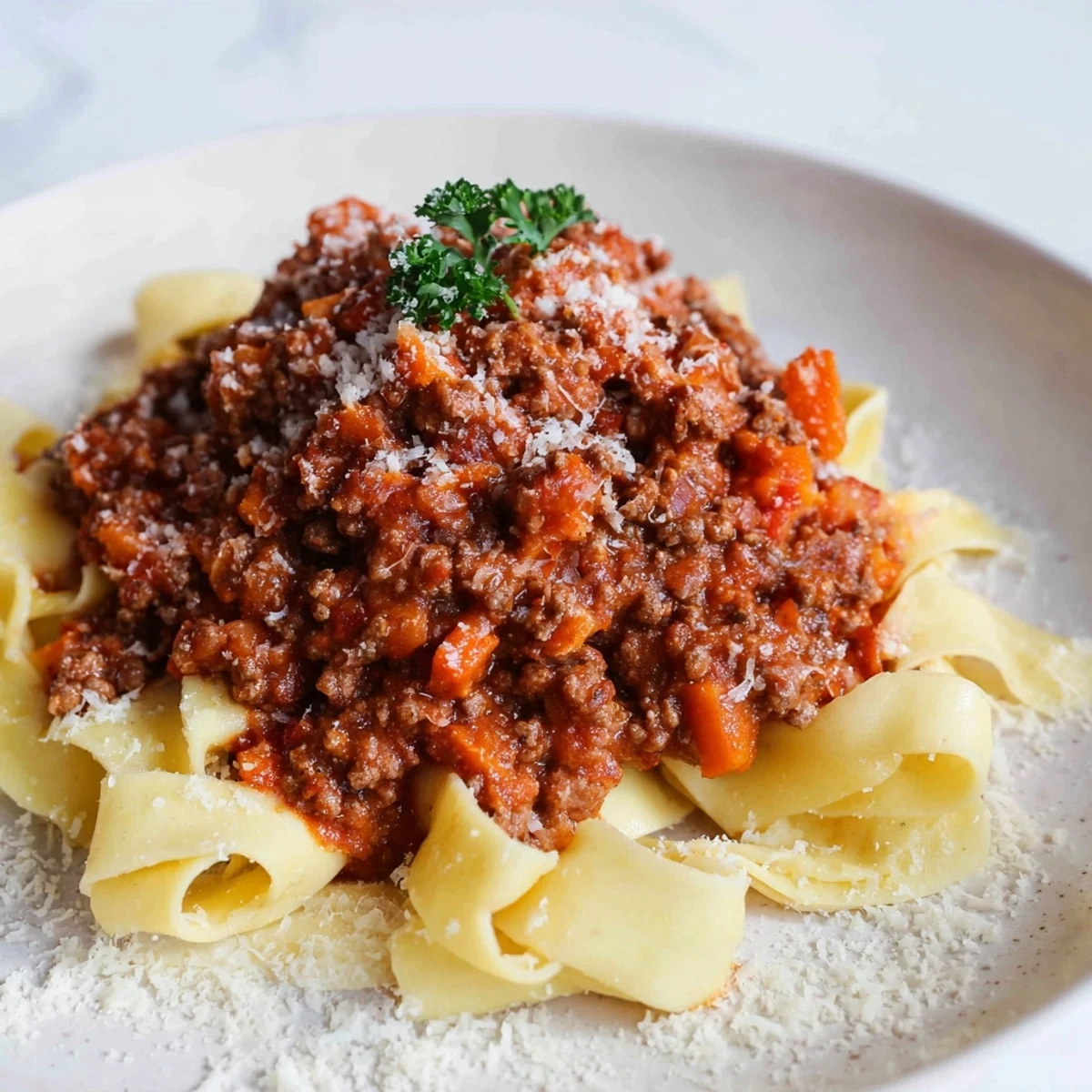
Tagliatelle or pappardelle are traditional because their wide ribbons catch the sauce in every bite. If you are layering it into lasagna, let it cool first so it does not make the noodles soggy, and go a little lighter on the liquid.
Storage and Reheating
This sauce keeps in the fridge for up to four days and freezes beautifully for three months. Reheat it gently on the stove with a splash of water or milk to bring back the silky texture, stirring often so it does not scorch.
- Let it cool completely before transferring to airtight containers to avoid condensation.
- Freeze in portion sizes so you can thaw just what you need for a quick weeknight dinner.
- Taste and adjust the seasoning after reheating since flavors can mellow in the fridge.
 Save to Pinterest
 This is the kind of recipe that gets better the more you make it, not because you are improving but because it becomes yours. Serve it on a cold night and watch how quickly the bowls empty.
Recipe FAQs
- → What cuts of meat work best for this sauce?
-
Ground beef with around 20% fat is ideal, delivering richness and tenderness. Mixing pork can also enhance traditional flavors.
- → How does adding milk affect the sauce?
-
Milk softens acidity and adds a velvety texture, balancing the sharpness of tomatoes and wine.
- → Can I prepare the sauce in advance?
-
Yes, making it a day ahead allows the flavors to deepen. Reheat gently before serving.
- → What pasta types pair best with this sauce?
-
Wide, flat noodles like tagliatelle or pappardelle hold the sauce well and complement its hearty texture.
- → How long should the sauce simmer for best results?
-
Simmering for about 1.5 to 2 hours helps develop complexity and tenderizes the meat fully.