
 Save to Pinterest
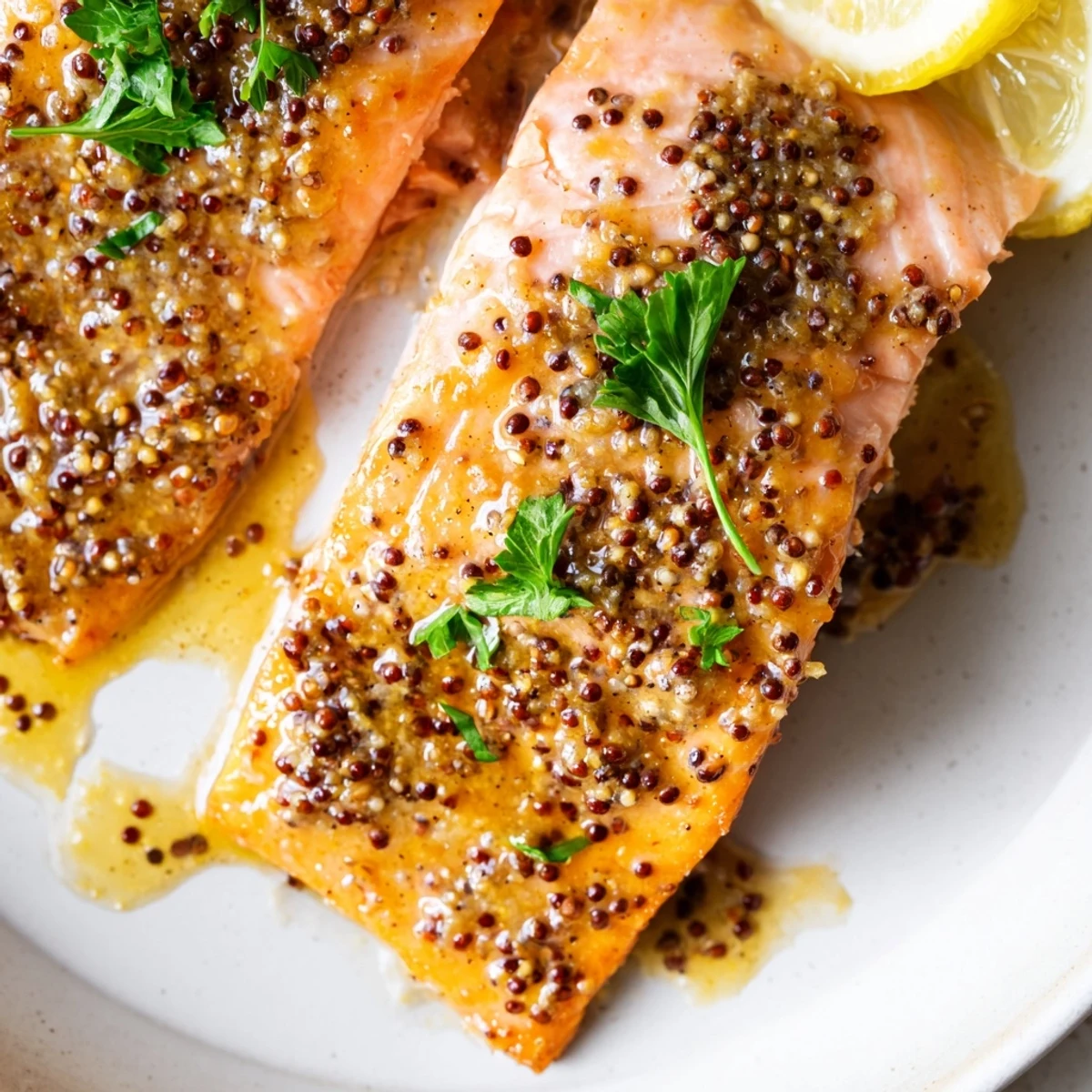
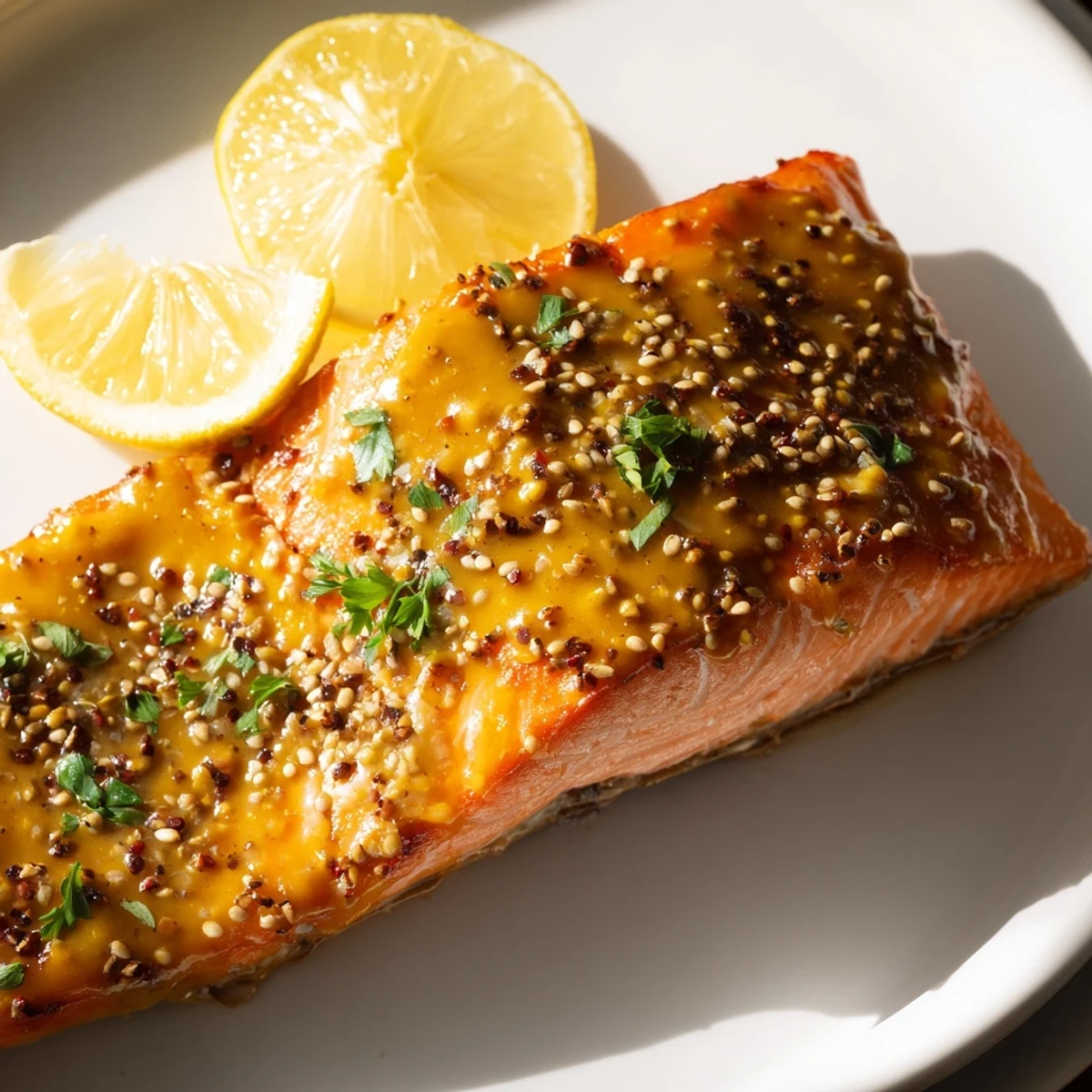
 This dish features salmon fillets baked to tender perfection and coated with a luscious honey mustard glaze blending Dijon, honey, lemon juice, and garlic. The glaze adds a bright, slightly sweet, and tangy flavor that complements the rich fish. Simple to prepare and quick to cook, it’s perfect for a wholesome main course. Garnished with fresh parsley and lemon wedges, it pairs beautifully with roasted vegetables or steamed rice. Ideal for gluten-free and pescatarian meals.
There's something almost meditative about watching salmon transform under gentle heat. A friend once brought me a bottle of Dijon mustard from France, and I became obsessed with finding ways to use it beyond sandwiches. This honey mustard glaze came to life one weeknight when I wanted something elegant but didn't want to fuss—four fillets, one bowl, and fifteen minutes later, dinner was ready and everyone at the table went quiet, which is the highest compliment I know.
I made this for my sister's birthday dinner, and she asked for the recipe before dessert even arrived. She's not someone who cooks much, but even she could see how simple the steps really were, which felt like the biggest win of all.
Ingredients
- Salmon fillets (4 pieces, about 150g each): Choose skin-on if you want crispy edges, or skinless if that's what you prefer—both work beautifully. Pat them completely dry before cooking, or the glaze won't stick right.
- Dijon mustard (3 tbsp): This is your backbone, sharp and sophisticated. Don't skip it for yellow mustard, or the whole thing falls flat.
- Honey (2 tbsp): Just enough to balance the mustard's bite and create a glaze that caramelizes at the edges.
- Whole grain mustard (1 tbsp optional): Those tiny seeds add texture and keep things interesting, but honestly, skip it if you don't have it.
- Fresh lemon juice (1 tbsp): Brightens everything and cuts through the richness in a way nothing else can.
- Olive oil (1 tbsp): This helps the glaze brush on smoothly and keeps the salmon from drying out.
- Garlic clove, minced (1): A small amount adds warmth without overpowering the delicate fish flavor.
- Salt and pepper (1/2 tsp salt, 1/4 tsp pepper): Taste as you go—the mustard brings salt too, so you might not need as much as you think.
- Fresh parsley and lemon wedges for serving: The parsley adds a pop of color and freshness, while lemon wedges let everyone adjust the tartness to their taste.
Instructions
- Get your oven ready:
- Heat it to 200°C (400°F) and line your baking sheet with parchment paper—this one step saves you from scrubbing later. If you don't have parchment, a light spray of oil works just as well.
- Make the glaze:
- Whisk the Dijon, honey, whole grain mustard, lemon juice, oil, garlic, salt, and pepper in a small bowl until it's smooth and glossy. Taste it straight from the spoon—it should make you pause and smile.
- Prep the salmon:
- Pat your fillets dry with paper towels and lay them skin-side down on the baking sheet. Moisture is the enemy of a good glaze, so don't skip this step.
- Brush on the glaze:
- Using a pastry brush, coat each fillet generously, getting the sides too. Don't be shy—this is where the flavor lives.
- Bake until perfect:
- Slide the pan into the oven for 12-15 minutes, depending on thickness. The salmon is done when it flakes easily with a fork and the thickest part reaches 63°C (145°F) on an instant-read thermometer. The edges might caramelize slightly, which is exactly what you want.
- Finish with freshness:
- Pull it from the oven, scatter the chopped parsley over top, and serve with lemon wedges on the side.
 Save to Pinterest
 My dad, who says he doesn't like fish, ate two fillets and didn't even realize it until someone mentioned it. That's when I knew this recipe had crossed some invisible line from 'healthy dinner' to 'something everyone actually wants to eat.'
Why the Sweet and Savory Balance Works
The magic here is the contrast between the sharp tang of mustard and the honeyed sweetness that caramelizes slightly in the oven. It's not sweet in an obvious way—it's more like the glaze hits you with complexity first, and then the honey reveals itself as a subtle note. This balance also means you don't need heavy sauces or complicated sides to make the dish feel complete.
What to Serve Alongside
This salmon is flexible enough to pair with almost anything, but some combinations hit differently. Roasted vegetables like asparagus or Brussels sprouts echo the caramelized edges of the fish, while steamed rice or couscous lets the glaze be the star. A crisp green salad with a light vinaigrette cuts through the richness perfectly if you want something fresher.
Making It Your Own
Once you make this once, you'll start seeing variations everywhere. Some people add a touch of soy sauce for depth, others use pure grain mustard instead of Dijon, and I've had versions where a splash of white wine goes into the glaze. The base is strong enough that it can handle gentle tweaks without falling apart.
- If you want more texture, scatter chopped toasted nuts like almonds or pine nuts over the parsley.
- A drizzle of whole grain mustard on the finished plate adds another visual and textural layer.
- Fresh dill works beautifully instead of parsley if that's what you have on hand.
 Save to Pinterest
 This is the kind of recipe that makes you feel competent in the kitchen without actually being difficult, and somehow that's the best gift a recipe can give. Whether it's a quiet Tuesday or a dinner for people you're trying to impress, it works.
Recipe FAQs
- → What is the best type of salmon to use?
-
Fresh, wild-caught salmon fillets, skin-on or skinless, work best for optimal flavor and texture.
- → Can the honey mustard glaze be prepared ahead?
-
Yes, the glaze can be mixed in advance and even used as a marinade for up to 30 minutes to enhance flavor.
- → What is the ideal baking temperature and time?
-
Bake at 200°C (400°F) for 12 to 15 minutes until the salmon flakes easily and is cooked through.
- → Are there alternatives to whole grain mustard in the glaze?
-
Whole grain mustard adds texture but can be replaced with more Dijon mustard if a smoother glaze is preferred.
- → How should leftovers be stored?
-
Store any leftovers in an airtight container in the refrigerator and consume within 2 days for best freshness.